
Long Hairstyles for Men: Styles, a Real Grow-Out Plan, and Hair Care That Works
Growing your hair long is not just “waiting.” The guys who actually reach the length they want do three things consistently: they choose a target style early, they manage the awkward phase instead of fighting it, and they protect the hair they’re growing (because broken ends erase progress).
- Style finder: pick the best long hairstyle for your hair type, face shape, and lifestyle.
- How to grow it: a step-by-step plan that prevents the most common setbacks.
- Awkward phase: what to do when it looks worse before it looks better.
- Hair care: simple routines for straight, wavy, curly, and thick hair.
This page is designed to be informational first, with practical conversion paths (links only). No forms are included in this block.
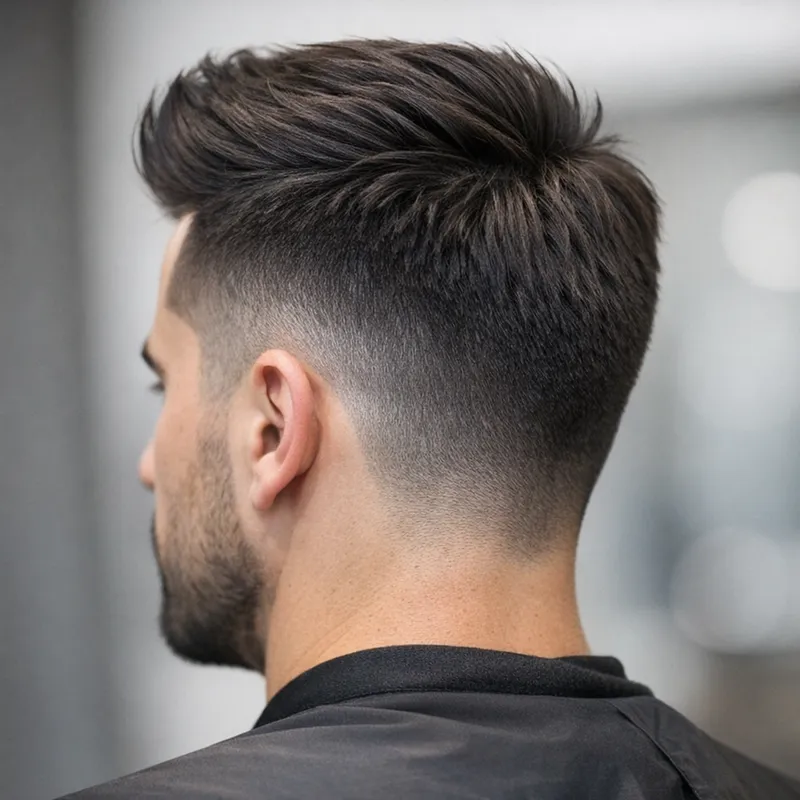
Find your best long hairstyle (fast)
The best long hairstyle is the one that fits your natural texture, your density, and your day-to-day reality. If a style needs constant heat, heavy product, or daily tight tying to look “right,” it’s not a good match for most men long-term. Use the shortcuts below to narrow down what will look good with the least friction.
By hair type
- Straight: bro flow, slick back, curtains (middle part), low ponytail.
- Wavy: surfer hair, long layers, shag/wolf-inspired layers, half-up.
- Curly: defined long curls, layered curly shape, low bun, half-up pineapple.
- Thick: long layers + shape, tapered perimeter, controlled bulk (not “thinned out”).
- Fine: medium-long flow, lightweight layers for movement, avoid over-long heavy length.
By face shape
- Oval: you can pull off most long styles; focus on texture and cleanliness.
- Round: add height or length around the front (curtains, slick back, layered flow).
- Square: softer layers and natural movement balance strong angles.
- Long/rectangular: avoid too much height; choose fuller sides and layered length.
- Receding hairline: messy texture or a relaxed flow often looks more natural than a tight slick back.
By lifestyle
- Office-friendly: low ponytail, low bun, side part, controlled flow.
- Gym/active: ponytail, bun (not too tight), headband days, half-up.
- Low maintenance: bro flow, surfer texture, tuck-behind-ears style.
- High style: long + undercut, slick back, dramatic middle part curtains.
- Growing it out: half-up, tuck-behind-ears, perimeter clean-up schedule.
If your hair is straight, start with a bro flow or curtains. If it’s wavy, aim for surfer hair or a long layered cut. If it’s curly, prioritize shape + moisture and wear it down or half-up. Most “bad long hair” is not the length — it’s the lack of shape and the lack of a routine.
Best long hairstyles for men (with barber & styling instructions)
Below are the long styles that consistently work in real life — not just in photos. Each style includes (1) who it suits, (2) exactly what to tell your barber, and (3) how to style it without turning your bathroom into a salon. If you only take one idea from this section, take this: long hair needs a perimeter and a plan.
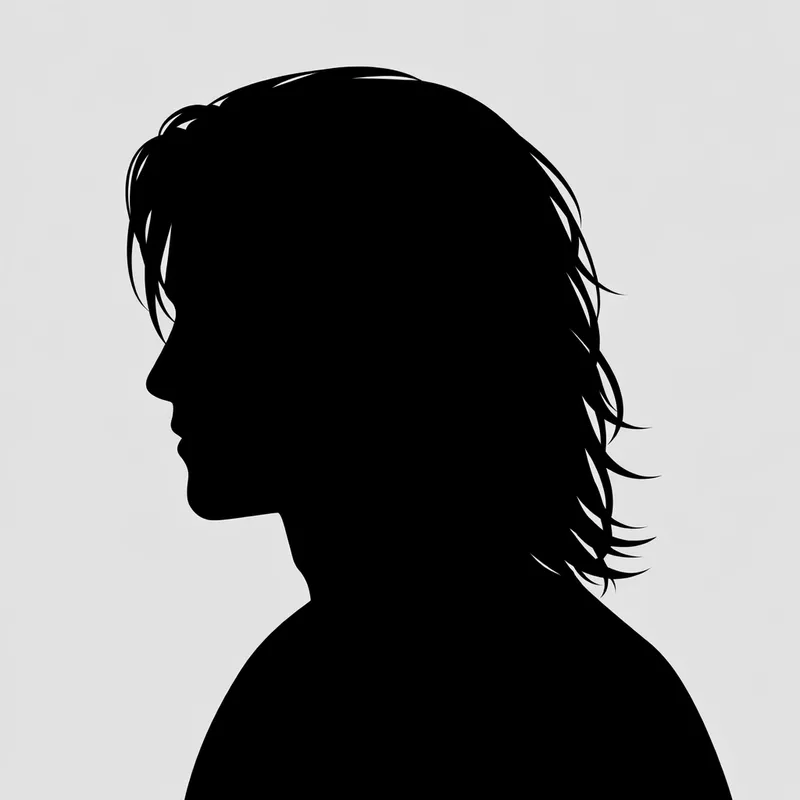
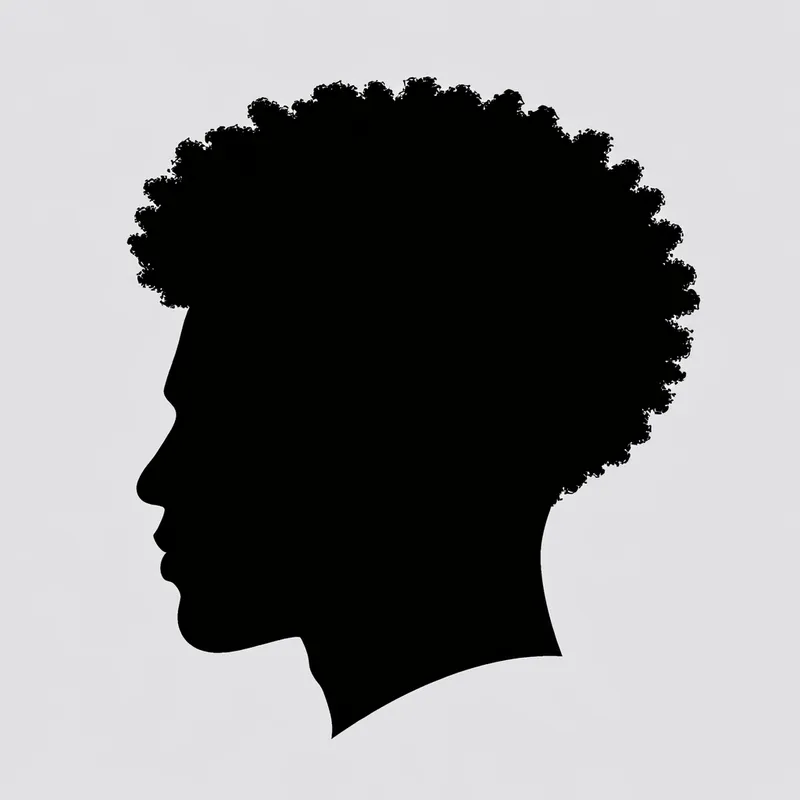
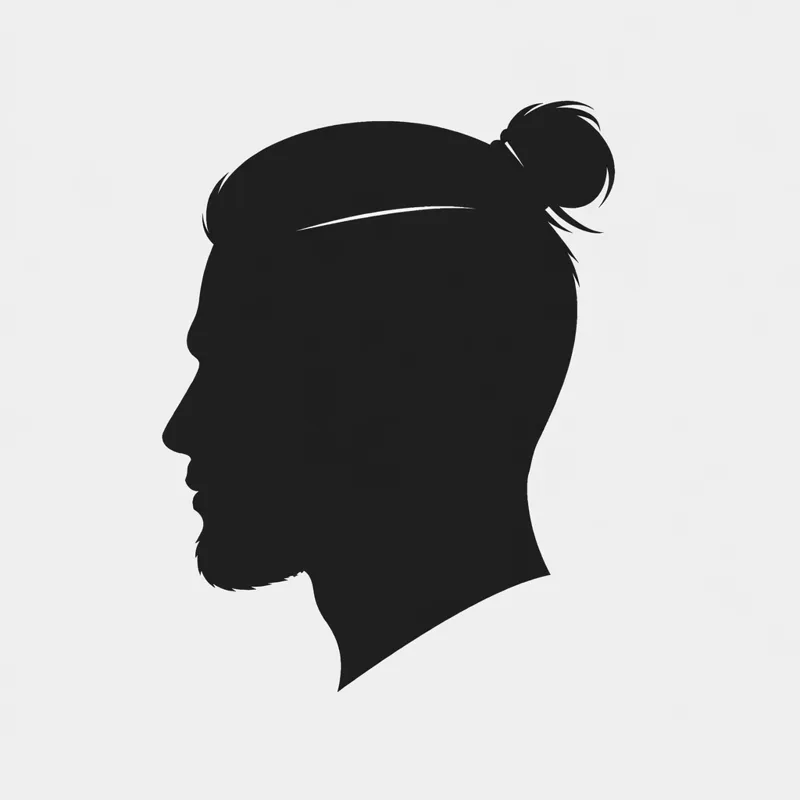
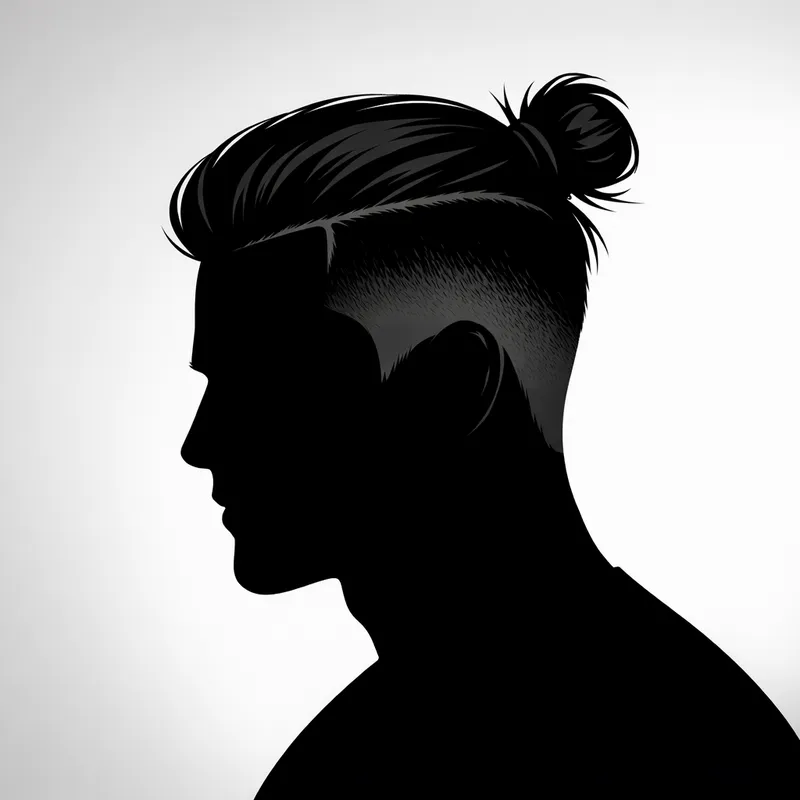
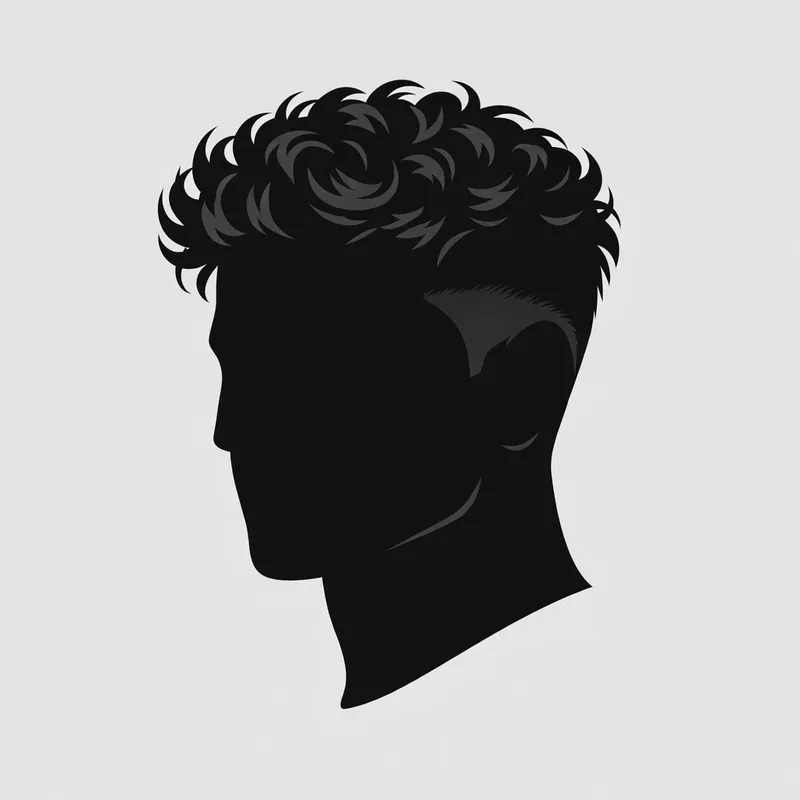
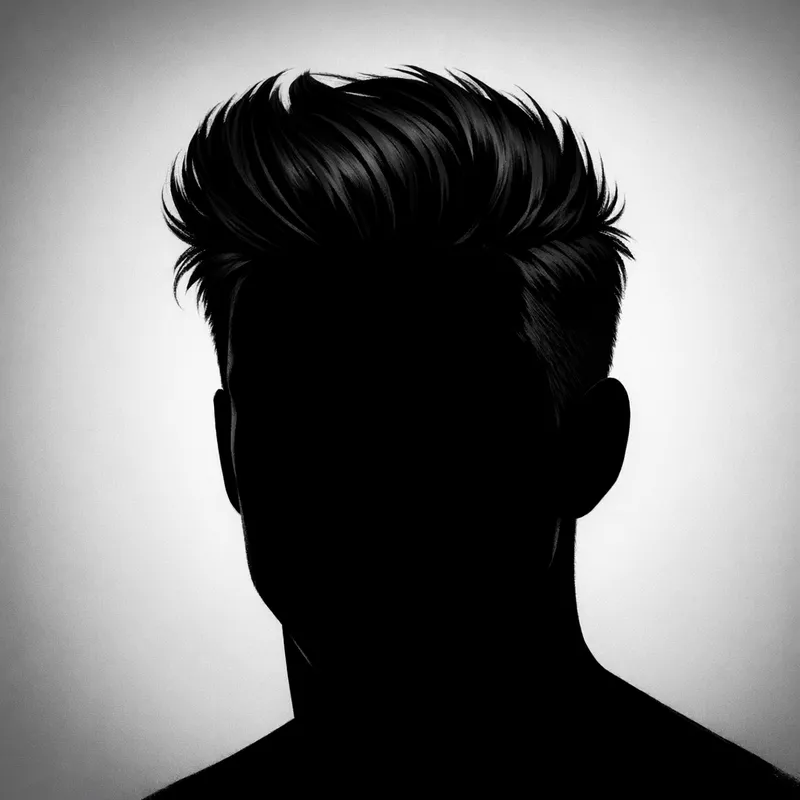
If you tell us your hair type (straight/wavy/curly), current length, and your target style, we can point you toward a cut strategy that gets you there faster with fewer awkward months. No gimmicks — it’s mostly about the right maintenance schedule and the right routine.
How to grow it (the plan most guys skip)
Most men fail at growing long hair for one reason: they treat it like a passive goal. In reality, long hair is a project. Your job is to protect the length you’re growing while keeping the shape presentable enough that you don’t panic-cut it off. Use the plan below as your baseline — and adjust it based on your hair type and how fast your hair looks “messy.”
Choose one destination style: bro flow, man bun, ponytail, surfer hair, long layered, or long curly. Your target style decides everything: how you shape the perimeter, whether you need layers early, and how you manage the awkward phase. Without a target, you’ll bounce between cuts based on bad hair days — and that’s how long hair goals die.
Practical tip: save 2–3 reference photos and show them to your barber with a simple sentence: “I’m growing it out; keep the length; shape it as it grows.”
“Growing it out” does not mean “never cut it.” You want micro-maintenance: the neckline, around the ears, and just enough end clean-up to prevent split ends from traveling upward. The goal is not a short haircut — it’s a clean silhouette that lets you keep going.
If you’ve had bad experiences: clearly say “no major length off” and ask the barber to show you the amount they plan to trim before they cut.
Hair growth is slow enough that your brain lies to you. You’ll feel like “nothing is happening” — and then, suddenly, you realize your hair is in your eyes, touching your collar, and tying up. That’s normal. The timeline below is not a promise; it’s a realistic frame that keeps you steady.
| Time | What to expect | What to do |
|---|---|---|
| Weeks 0–8 | The “why did I start this?” stage. Hair sticks out, flips, or sits oddly. You’re not long yet — you’re transitioning. | Clean neckline/ears once; start a basic care routine; learn tuck-behind-ears and half-up styling. |
| Months 2–6 | Real progress starts. Hair begins to flow, but the awkward phase can hit hard depending on texture and density. | One maintenance visit; add light layers if needed; keep moisture and detangling consistent. |
| Months 6–12 | Many men reach “tieable” length. Styles like ponytail, low bun, and half-up become reliable. | Keep trims minimal; protect ends; avoid constant tight styles; refine your “daily default” hairstyle. |
| 12+ months | True long hair territory. Your focus shifts from “getting length” to “keeping it healthy and shaped.” | Maintain shape, keep ends healthy, and choose styles that match your lifestyle long-term. |

“I’m growing my hair out. I want to keep length. Please only: clean up around the ears and neckline, remove split ends if needed, and add light long layers only if they help the shape — not heavy thinning.”
If the barber immediately suggests “taking a lot off to make it healthier,” ask for a minimal trim and a plan. Healthy long hair is built gradually — not by chopping off months of growth.
The awkward phase (what it is + how to survive it)
The awkward phase is where most guys quit. The problem isn’t that your hair looks “bad” — it’s that it looks unfinished. Your hair is too long to sit like a short cut, but too short to behave like long hair. It flips out, puffs up, and sits weird around the ears. That stage is temporary, and it becomes manageable when you treat it like a transition with tools.
Your hair has growth patterns and “memory.” When it reaches a new length, it fights the change. The sides puff because they’re thick and have nowhere to go. The front falls into your eyes because it’s not long enough to sweep cleanly. Curly hair expands because it’s dry or because the shape is uneven. None of this means long hair won’t suit you — it means you need a strategy for the middle stage.
Don’t solve the awkward phase with a drastic haircut. Solve it with control and shape: keep the perimeter clean, train your part, use a light product for hold, and use practical styles (half-up, tuck, low tie). If you do those things for a few weeks, the “random” stage becomes a “managed” stage — and then it passes.
- Clean up the ears + neckline (a maintenance tidy, not a haircut).
- Train your part (middle part or side part) for 7–10 days so the hair learns where to sit.
- Use tuck-behind-ears when the sides flip out.
- Go half-up to control the front without committing to a full tie.
- Add a light styling cream (control > shine) for flyaways and puff.
- Upgrade your drying method: pat or squeeze, don’t aggressively rub.
- Stop the “I’ll fix it with more product” trap. If it takes a lot of product to behave, it needs a better cut or routine.
If you’re tempted to cut everything off: do one maintenance visit + two weeks of routine first. Most men change their mind after that.
Long hair care for men (simple routines that prevent damage)
If your ends are dry, frizzy, or constantly tangling, you don’t have a “bad hair” problem — you have a routine problem. Long hair needs protection because the ends are older, more exposed, and easier to break. When hair breaks, your “growth” disappears. The goal is not perfection. The goal is a minimum effective routine that keeps your hair healthy enough to keep its length.
1) Wash your scalp, not your ends. Shampoo is for the scalp. Let the rinse clean the length. Scrubbing the ends daily is how you get dry, frizzy “straw hair.”
2) Condition every time you shampoo. Conditioner reduces friction, improves detangling, and helps the hair look smoother and healthier.
3) Detangle gently. Start at the ends, work up slowly, and don’t rip through knots. Your goal is fewer broken hairs in the sink.
If you do only these three things for 30 days, your long hair will look noticeably better.

Straight hair
Straight hair can look flat at the roots and dry at the ends. Keep product light and focus on movement.
- Condition ends, avoid heavy oils near roots.
- Use a lightweight cream for control and a natural finish.
- If it gets oily fast, wash the scalp more often — but keep the ends protected.
Wavy hair
Wavy hair looks best when it’s hydrated and lightly textured — not over-washed and puffy.
- Use leave-in conditioner to reduce frizz.
- Sea salt spray can enhance texture (don’t overdo it).
- Scrunch instead of brushing dry (brushing can explode the pattern).
Curly hair
Curly long hair depends on moisture and definition. Without moisture, you get frizz and uneven shape.
- Use leave-in + curl cream/gel and let it set.
- Dry gently (pat/squeeze) and avoid rough towels.
- Refresh curls with water + a small amount of leave-in on non-wash days.

A routine should fit your life. Here’s a simple structure you can actually stick to:
- Wash days: shampoo scalp → conditioner → gentle detangle → air dry or low heat.
- Non-wash days: rinse (optional) → light leave-in on ends → quick finger style.
- Once per week: extra conditioning time (3–5 minutes) if your ends feel dry.
- Any day: avoid tight styles all day, every day. Rotate: down, half-up, low tie.
If your hair is constantly dry, reduce heat and friction first. Most men underestimate how much damage comes from rough drying and aggressive detangling.
- Mistake: washing the full length aggressively. Instead: shampoo scalp, condition lengths.
- Mistake: rough towel rubbing. Instead: pat/squeeze dry, then let it finish air drying.
- Mistake: tight buns daily. Instead: rotate styles and keep ties comfortable.
- Mistake: skipping trims until it looks “dead.” Instead: micro-maintenance to protect ends.
- Mistake: drowning hair in heavy product. Instead: start with a light cream; add only what you need.
Informational note: If you’re dealing with sudden shedding, scalp pain, or patchy hair loss, talk to a qualified healthcare professional. A hairstyle guide can’t diagnose medical issues.
FAQs about long hairstyles for men
These are the questions men ask most while growing long hair. The answers are written to be practical — the goal is to keep you progressing without wasting months on avoidable mistakes.
How long does it take to grow long hair for men?
It depends on your genetics, age, health, and what you consider “long.” Most men start seeing a meaningful difference in 8–12 weeks, but reaching a true long-hair goal usually takes months, not weeks. The biggest factor is not motivation — it’s consistency. If you protect your ends and avoid panic haircuts during the awkward phase, you keep your progress. If you break the ends or keep restarting, it feels like your hair “doesn’t grow,” even though it does.
Should I trim my hair while growing it out?
Yes — but trim strategically. The best approach is micro-maintenance: clean the neckline and around the ears to keep the style presentable, plus small end clean-ups when your ends feel dry, split, or constantly tangling. You’re not cutting “because it’s long.” You’re trimming to protect the length you’re trying to keep.
What is the awkward phase and how do I get through it?
The awkward phase is the transition period where your hair is too long to sit like a short cut and too short to behave like long hair. The easiest way through it is: (1) keep the perimeter clean, (2) train a part, (3) use half-up/tuck styles, and (4) use light control product. Don’t solve the awkward phase with a drastic haircut. Solve it with control and time.
What’s the easiest long hairstyle for men?
For most men, the easiest is a bro flow or a tucked-behind-ears flow because it works with your natural growth. If your hair is long enough to tie, a low ponytail is the fastest way to look clean and put together on a busy day.
What long hairstyle looks most professional?
A low ponytail, low bun, or a controlled side part tends to read the most professional, especially when the perimeter is clean. The difference between “professional long hair” and “messy long hair” is almost always grooming: clean edges, healthy ends, and controlled volume.
How often should men wash long hair?
There isn’t one perfect number. Wash frequency depends on how oily your scalp gets, your hair texture, and your lifestyle. A simple rule: wash your scalp when it feels oily or dirty, and keep your ends protected with conditioner and gentle handling. If your ends feel dry, reduce harsh washing and friction before you blame your hair type.
Can a man bun or ponytail damage hair?
It can if it’s tight and constant. Daily tight tension can stress hair, increase breakage, and irritate the hairline. The fix is simple: use soft ties, keep it comfortable (not tight), and rotate styles so your hair isn’t pulled back every day. Think “control” — not “traction.”
What products do I actually need for long hair?
Most men only need a lightweight conditioner, a leave-in (optional but helpful), and one styling product based on the look: a light cream for control, sea-salt spray for texture, or curl cream/gel for curly definition. Start with less product than you think, because heavy product can make long hair look greasy and flat.
If you want long hair that looks intentional, the fastest path is: pick a target style, manage the awkward phase with control styles, and lock in a basic care routine that protects your ends. If you want a tailored recommendation (hair type + face shape + lifestyle), use the button below.