
Kemei Trimmer Guide: Choose the Right Model, Set It Up Safely, and Get Cleaner Lines at Home
Searching for a Kemei trimmer usually means you want sharper hairlines, a cleaner neckline, and more control over beard edges—without paying premium-brand pricing. The value is real, but so is the learning curve: lineup-style trimmers can be very sharp, and the difference between a crisp edge and a nick is often just angle + pressure.
This page is built to save you time and mistakes. You’ll get a goal-based picking system, a safe lineup method, and practical maintenance routines so your trimmer keeps cutting cleanly (instead of pulling or overheating).
- Pick the right tool for your goal: hairline/neckline lineups, beard edging, or bulk cutting.
- Use a safer setup first: get sharp results with technique before you chase “extra close” adjustments.
- Stop pulling & irritation: simple cleaning/oiling routines that keep budget trimmers performing.
Independent grooming guide. Kemei model names and included accessories can vary by seller and country. Always test your trimmer on a low-risk area (like the neckline) before touching the front hairline.
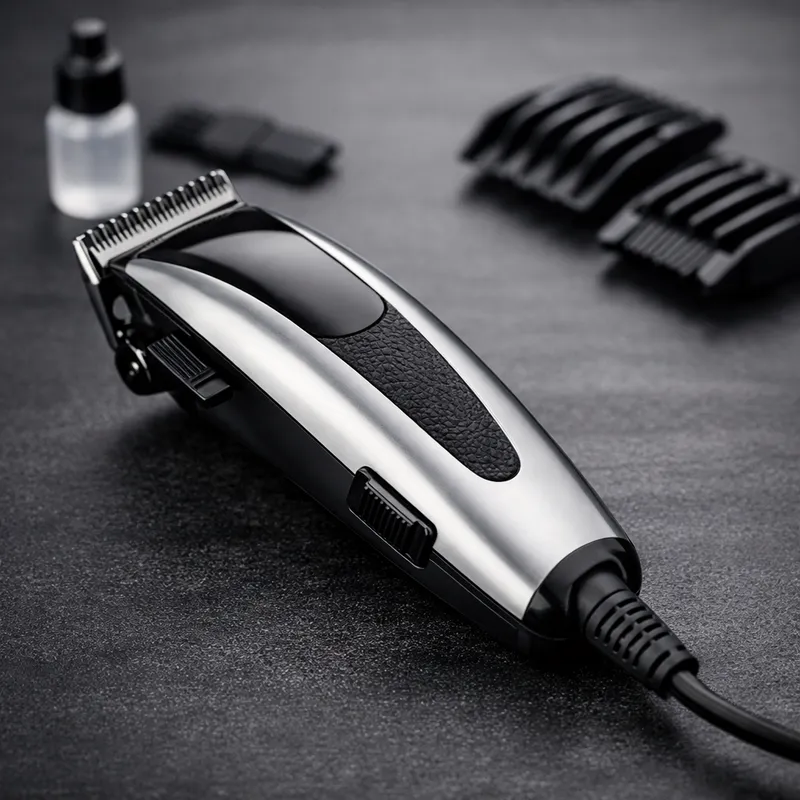
Kemei Trimmer Quick Picks (By Goal)
Most people buy the wrong tool because they’re trying to use one device for everything. Here’s the simplest way to choose: decide what you’re actually doing—edging, bulk cutting, or skin-close finishing.
Hairline & neckline edging (most guys)
If your main goal is sharp outlines—hairline, sideburns, neckline—look for a liner/detail trimmer. Popular Kemei examples include KM‑2299‑style lineup trimmers.
- What you get: crisp edges and tighter detail control.
- What to watch: lineup trimmers can be aggressive—technique matters.
- Best approach: start conservative, then refine.
Frequent touch-ups + modern features
If you edge often (weekly lineups or daily beard shaping), prioritize a stable grip, consistent power, and easy cleanup. Popular Kemei examples include KM‑2293‑style lineup trimmers with display/kit-focused listings.
- What you get: a more “daily driver” experience for quick maintenance.
- What to watch: don’t confuse “display features” with “safer blade.”
- Best approach: technique first; then consider closer settings later.
Detail work + tight areas
Want a compact tool for detail cleanup around the ears, sideburns, and beard edges? Look for a smaller, ergonomic detail trimmer. Popular Kemei examples include KM‑1949‑style compact trimmers.
- What you get: easy control in tight spots.
- What to watch: listings can vary—buy from sellers with clear returns.
- Best approach: use short strokes and keep the blade angle flat.
One tool can’t do everything well. A trimmer is for lines and detailing. If you want to cut a full haircut, you’ll get better results by starting with a clipper (bulk) and finishing with a trimmer (edges).
Kemei Trimmer Picker (Interactive Tool)
This is the fastest way to stop guessing. Answer four questions and you’ll get a recommendation that matches how you actually plan to use a Kemei trimmer—plus safety notes that prevent the most common at-home mistakes.
Your result will appear here
Tip: if you’re new, start with the neckline first. It’s the safest place to learn angle control before you touch the front hairline.
A trimmer is a precision tool. For full haircuts, you want a clipper first—then refine with a trimmer.
A stable blade and steady grip produce cleaner lines than chasing the closest possible cut.
Most irritation and nicks come from pressure + steep angle, not from “a bad trimmer.”
Safety note: If your trimmer feels like it “bites,” stop and adjust your technique immediately: use a flatter angle, lighten pressure, and switch to short controlled taps. Don’t “force” a lineup.
Kemei Trimmer vs Clipper vs Shaver (Don’t Mix These Up)
Clean results come from using the right tool at the right stage. Most “bad DIY haircuts” aren’t truly bad—they’re just unfinished. Here’s the clean mental model:
Clipper
Use a clipper to remove length quickly and evenly. It’s the tool for fades, tapers, buzz cuts, and overall shape.
- Fast length removal
- Works with guard systems for blending
- Sets the haircut foundation
Trimmer (Kemei)
A Kemei trimmer shines when you need precision: hairline, neckline, sideburns, and beard outlines. It’s a finishing tool.
- Sharper, more controlled edges
- Designed for outlining
- Best for touch-ups
Foil shaver
A foil shaver is for a skin-close finish after you’ve already trimmed short. It’s not the first step.
- Ultra-clean finish for neck/face
- Best after trimming
- Can irritate if used incorrectly
Best at-home combo: clipper for bulk + Kemei trimmer for details. If you want that “barber clean” look, it’s the finishing steps that make the difference.
What to Look for in a Kemei Trimmer (The Buying Checklist That Actually Matters)
Spec sheets can be distracting. In real use, the difference between a trimmer you love and one you regret comes down to a few practical factors—especially if your goal is crisp lineups.
1) Blade stability beats “maximum sharpness”
“Sharp” is easy. Stable is what creates clean, predictable lines. A stable blade tracks consistently, so you can edge in small controlled strokes without the trimmer jumping or biting. If a trimmer feels unpredictable, it often causes over-corrections—which leads to pushed-back corners and uneven symmetry.
2) Grip and balance matter more than people admit
A trimmer is basically a pen for your hairline. If you can’t hold it steady at a flat angle, you’ll naturally press harder. That’s when irritation and nicks happen. Choose the style that feels stable in your hand—even if another model looks “cooler.”
3) Included guards are a control tool (not a weakness)
Using a small guard for beard lines doesn’t make you less skilled—it makes your results more consistent. Guards help you “sneak up” on the line instead of accidentally carving it too high or too low.
4) Don’t let battery marketing replace real-world performance
Long runtime is useful only if the trimmer stays consistent and comfortable to use. If a trimmer pulls hair, heats quickly, or struggles under light pressure, the number on the listing doesn’t matter.
Reality check: Kemei trimmers are known for strong value, but listings can vary across sellers. Prioritize clear returns and consistent product details. If it arrives misaligned or inconsistent, return it—don’t gamble with your hairline.
The Safe Lineup Method (Barber-Level Edges Without Nicks)
The biggest at-home mistake isn’t “shaky hands.” It’s chasing perfection in one pass. The professional approach is slower at the start and faster at the end: first you place a light guide, then you sharpen with control.
Step-by-step: how to edge safely with a Kemei trimmer
-
1Prep like a pro (this prevents half the problems)Dry hair cuts more predictably for outlining. Use bright lighting. Clean the blade. If you use styling product, wipe the blade more often.
-
2Sketch the line first (don’t “commit” yet)Hold the trimmer like a pencil. Use feather-light pressure. Make a faint outline that you can still adjust. Your first pass should look slightly unfinished on purpose.
-
3Step back for symmetry checksDon’t stay nose-to-mirror. Step back every 15–20 seconds. Most hairline disasters happen when you keep “fixing” while too close.
-
4Sharpen with short taps, not long dragsShort strokes keep the blade predictable. Long drags increase the odds of tilting the trimmer (and that’s when it bites). Think “tap-tap-tap,” not “draw a line.”
-
5Corners should look natural, not “carved”Over-squared corners look fake fast and push the hairline back. A clean lineup is sharp and believable.
Pro rule: If you feel the urge to “just fix that tiny part,” pause. That’s the moment most people accidentally take 2–3mm too much—and it shows for weeks.

If your Kemei trimmer cuts you: 90% of the time it’s not “a bad trimmer.” It’s too much pressure + too steep an angle. Flatten the angle, lighten the touch, and switch to short strokes.
Zero-Gap Safety: How to Get Sharp Lines Without Turning Your Trimmer Into a Nick Machine
You’ll see a lot of talk online about “zero gapping” (making the blade cut extremely close). That can sharpen results, but it also raises risk—especially if your skin is sensitive or your technique isn’t consistent.
Who should avoid aggressive close-cut setups
If any of these describe you, stay conservative:
- You’re new to lineups or you rush touch-ups.
- Your skin irritates easily or you get razor bumps.
- You edge in low lighting or with a foggy mirror after a hot shower.
- You press to “force” the line to look darker.
Safer strategy that still looks sharp: Outline lightly → check symmetry → sharpen with short taps. This delivers a crisp look without needing extreme blade adjustments.
Two quick technique tweaks that instantly reduce irritation
Keep the blade flatter against the skin. A steep tilt concentrates pressure on the teeth and causes bites.
Use almost none. Let the motor do the work. If you “dig in,” you trade sharpness for irritation and uneven lines.
Short strokes keep your hand position consistent. Long strokes increase wobble and make corners look over-cut.
Cleaning & Maintenance: Keep Your Kemei Trimmer Cutting Smooth (No Pulling, No Overheating)
Budget trimmers often get blamed for problems that are actually maintenance issues: hair packed under the blade, dry friction, or residue from styling product. A simple routine keeps performance consistent and extends blade life.
The no-fuss routine (easy to stick to)
- Brush out loose hair (especially under the teeth).
- Wipe the blade to remove product residue and skin oils.
- If your model uses blade oil: add 1–2 drops, then run for a few seconds.
- Deep-clean around the blade area (hair tends to compress there).
- Check screws for tightness (vibration can loosen them over time).
- Inspect alignment before edging sensitive areas.
If the trimmer pulls hair: clean first, then oil (if supported), then re-test. Pulling is usually friction or buildup—not “weak power.”

Maintenance Planner (Interactive Tool)
Use this tool to generate a simple routine you’ll actually follow. It adapts to how often you edge and how heavy your product use is.
Your routine will appear here
Build habits that protect your skin: a clean blade feels smoother, runs cooler, and edges more predictably.
Kemei Trimmer Troubleshooting (Fast Fixes That Actually Work)
When a trimmer starts performing poorly, the instinct is to replace it. Usually you can fix the issue in minutes. Start with the likely causes below, in order.
It’s cutting or irritating my skin
- Flatten your angle (steep tilt causes bites).
- Reduce pressure to near-zero.
- Switch to short taps instead of long drags.
- Use a small guard for beard lines until control improves.
It pulls hair or skips
- Brush out the blade and wipe residue.
- Oil lightly if your model supports it.
- Check blade screws are secure.
- Re-test on the neckline before edging the hairline.
It gets hot or feels rough
- Buildup increases friction—clean first.
- Oil lightly (if supported), then run briefly.
- Take short breaks for long sessions.
- If heat is sudden/unusual, stop and inspect alignment.
Confidence tip: If you’re learning lineups, do your edges in this order: neckline → sideburns → around ears → front hairline last. That sequence reduces the chance of a mistake in the most visible spot.
10‑Point Lineup Checklist (Copy & Save)
If you want consistently clean edges, you need a repeatable process. Use the checklist below before every lineup. It’s designed to prevent the two biggest issues: uneven symmetry and pushed-back corners.
10‑Point Lineup Checklist (Kemei Trimmer)

1) Bright lighting + clean mirror (no steam/fog).
2) Clean blade (remove hair + wipe residue).
3) Dry hair for outlining; comb the edge direction.
4) Hold trimmer like a pencil (stable grip, relaxed wrist).
5) First pass = light “sketch,” not the final line.
6) Step back every 15–20 seconds to check symmetry.
7) Short taps to sharpen (avoid long dragging strokes).
8) Keep angle flat; pressure near-zero.
9) Corners: natural > over‑square (don’t push your line back).
10) Stop when it looks clean. “One more fix” is where mistakes happen.
FAQs About Kemei Trimmers
These questions cover what most buyers want to know before choosing a Kemei trimmer, plus the issues people run into after the first week.