
A mustache is small, high‑contrast, and sits right above your upper lip—so the tool you use matters more than you think. This page helps you pick the best mustache clipper (also called moustache trimmers), avoid the common “too short in the middle” mistake, and build a routine that keeps your moustache sharp without irritation.
Fast takeaway: If you want clean lines and control, prioritize a narrow cutting head and fine length adjustments. If you want an ultra‑close finish, look for a moustache shaver trimmer setup (close‑cut attachment or trimmer + foil shaver).
You’ll also get: a feature checklist, a guard-length “starting point” ladder, and a practical routine for moustache + goatee combos.
Pick the Right Mustache Trimmer in 30 Seconds
This quick advisor recommends the best tool category for your goal—whether you need a classic moustache trimmer for men, a precision detailer for sharp edges, a mustache and goatee trimmer setup, or a close‑finish moustache shaver trimmer approach. No brand hype—just practical guidance you can apply immediately.
Your trimming plan (generated)
Select your options above to generate a personalized recommendation.
Tip: Most “bad moustache trims” happen because people start at the center and chase symmetry too aggressively. The safest workflow is length first → corners → lip line.
Mustache Clipper vs Beard Trimmer vs Detailer vs Shaver
Many tools can trim a moustache, but they do not behave the same. A moustache is short, dense, and sits on a sensitive area. The best results come from matching the tool to the job—especially if you want clean lines or an irritation‑free close finish.
- Best for consistent moustache length + controlled cleanup
- Ideal when you want a neat everyday look
- Look for a narrow head and small length steps
- Works if it has fine adjustment or a precision attachment
- Good for moustache + beard blending
- Can feel bulky under the nose if the head is wide
- Best for corners, lip line, and sharp outlines
- Great for pencil moustaches and crisp symmetry
- Not always ideal for “all‑over length” alone
- Best for an ultra‑close finish (clean shave look)
- Often a trimmer + close‑cut head/foil approach
- Prioritize comfort if you’re irritation‑prone
Practical rule: Use a trimmer to set length, then use a detailer to define edges. If you try to do both with one bulky tool, you usually over‑trim.
What to avoid: Starting at “short” because you want it clean. Go one setting longer than you think. You can always take more off—your moustache can’t regrow in an hour.
The 9 Features That Actually Matter (and a Quick Scorecard)
Marketing loves to brag about “20 attachments,” but moustache grooming is about control. These are the features that change your results the most—especially if you want a reliable men’s mustache trimmer that trims cleanly without tugging.
9 must‑have factors for a great moustache trim
- Narrow cutting head so you can see under the nose and shape corners.
- Fine length control (small steps) to keep symmetry without guessing.
- Smooth cutting (low tugging) because pulling causes irritation and uneven results.
- Stable guards that don’t flex or ride up—tiny movement equals big mistakes.
- Edge performance for the lip line and the corners where shape is defined.
- Consistent motor power so the cut doesn’t change mid‑trim.
- Easy cleaning so it stays sharp and hygienic.
- Comfort on skin (especially for sensitive areas above the lip).
- Grip and low vibration because precision work needs stability.
Hidden advantage: A trimmer that feels “predictable” makes you calmer—and calm trimming is accurate trimming. The moustache punishes rushed decisions.
Feature scorecard (instant recommendation)
Check what you care about. The tool suggests the best category (precision detailer, all‑round trimmer, mustache + goatee kit, or close‑finish setup).
Your best match (generated)
Select features above to see your recommended setup.
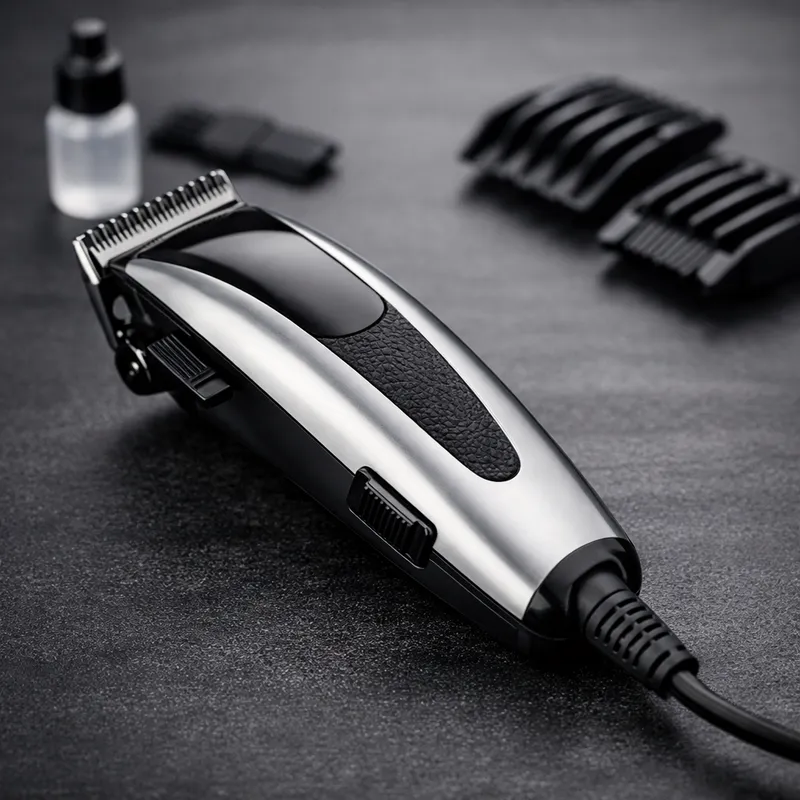
What “good” feels like when you trim
If you’ve ever trimmed your moustache and ended up doing five extra passes “to make it even,” that’s usually a tool problem (or a workflow problem). A solid mustache trimmer for men should feel smooth and predictable: it cuts in one or two controlled passes, it doesn’t snag, and it doesn’t force you to press hard against the skin.
Your moustache is also where you notice mistakes most because it’s centered on your face. That’s why “precision” matters more here than on the sides of your beard. When in doubt, pick a setup that gives you visibility under the nose and fine length steps—those two things prevent most beginner mistakes.
Micro‑rule: If you’re not 100% sure, start longer, trim with the grain, and stop early. A moustache looks better slightly fuller than slightly too short.
Best Setup by Moustache Style
“Best moustache trimmer” depends on what you’re trying to create. A handlebar moustache needs a different approach than a clean short moustache. Use these style‑based setups as your default starting point—then refine based on your hair texture and how sensitive your skin is.
Clean / short moustache
Best for: neat daily look, professional settings, low maintenance.
Use a mustache clipper with small length steps. Set overall length first, then gently clean the lip line in tiny passes. This style rewards consistency: trim every few days instead of waiting for it to get unruly.
Chevron moustache
Best for: fuller look with a strong masculine shape.
Chevron moustaches look best when they’re controlled but not carved. Use a trimmer for overall length and finish with scissors to remove stray hairs without thinning the center. If your hair is coarse, prioritize a trimmer that cuts cleanly without tugging.
Pencil moustache
Best for: sharp definition, clean corners, minimal bulk.
Pencil moustaches depend on crisp lines. A precision detailer (or a trimmer with a narrow detailing head) makes symmetry easier. Go slow at the corners and avoid “over‑opening” the space above your lip.
Handlebar moustache
Best for: long ends, styling personality, classic grooming.
Handlebar moustaches are usually shaped more with combing + wax than aggressive trimming. Use a trimmer for cleanup under the nose and scissors for controlled snips. Avoid cutting the ends too short—once you do, the style loses its character.
Natural / growing it out
Best for: letting it fill in without looking messy.
When you’re growing a moustache, trimming too early destroys progress. Do “maintenance trims” only: keep the lip line comfortable and remove obvious outliers. Your goal is clean edges without reducing overall fullness.
Mustache + goatee combo
Best for: structure, balance, and a defined center line.
A mustache and goatee trimmer setup should let you keep moustache length slightly different from the goatee if needed. The key is the blend zone at the corners—small adjustments and consistent trimming schedule keep it sharp.

A simple “good grooming” rule
If you want your moustache to look intentional, don’t treat it like a beard. The moustache is a precision feature on your face: people notice your mouth area when you speak, smile, and eat. A small improvement in moustache shape creates a big improvement in overall appearance.
That’s why the best moustache routine is boring: consistent trims, small changes, and a tool that doesn’t surprise you.
The Barber‑Proof Mustache Trimming Method
This method is designed to prevent the most common self‑trim mistake: going too short in the center. Follow the order, keep your pressure light, and you’ll get a clean moustache shape without the “oops” moment.
- Start dry and comb down. Hair lies differently when wet. Dry trimming shows true length and makes symmetry easier.
- Begin one length longer than you think. Your first pass should be conservative. You can always go shorter after you see the shape.
- Trim for overall length first (not the lip line). Make controlled passes with the grain. Avoid chasing perfection on the first pass.
- Refine corners second. The corners frame your mouth. Small changes here create the “clean” look without thinning the center.
- Clean the lip line last, in tiny passes. Keep the tool nearly parallel to your lip. Stop often and check straight‑on.
- Finish with scissors if needed. Snip stray hairs that stick out. This improves the look without sacrificing fullness.
Don’t do this: Starting at the center and pressing hard to “get it done.” That’s how you carve the moustache too short above the lip and lose symmetry.
Guard‑Length Ladder (practical starting points)
Guard lengths vary between devices, but these ranges help you pick a safe first pass. If you’re unsure, start in the middle of the range and adjust slowly.
Length insight (generated)
Move the slider to see what different moustache lengths typically look like.
Note: For long moustaches (especially handlebar styles), you’ll rely more on scissors and less on “short guards.”

Pro detail: the “lip‑safe line” concept
Most moustache trims look best when hair sits close to the upper lip without hovering too high above it. A useful mental model is the lip‑safe line: keep enough coverage so the moustache looks natural, but remove the hairs that spill into the mouth.
The biggest mistake is carving the moustache upward because it “feels cleaner.” That usually creates an artificial gap above the lip. If your goal is comfort (no hair in your mouth), trim the lip line in tiny increments and stop as soon as the moustache feels clear.
Best order: length → corners → lip line. This order keeps fullness in the center and makes symmetry easier.
Best lighting: bright and frontal. Side lighting can trick you into over‑trimming one side.
Common Mustache Trimming Mistakes (and Quick Fixes)
Most moustache trimming mistakes are predictable. The good news: once you know what causes them, you can prevent them with a simple routine. Use this section as your “repair manual” the next time your moustache doesn’t look right.
Mistake: “I trimmed the middle too short.”
Why it happens: Starting under the nose and pressing down to get through dense hair quickly. Fix: Start longer and trim outward first. Keep pressure light and do fewer passes.
Recovery tip: Stop trying to “even it out” immediately. Let the center regrow a bit and maintain edges only.
Mistake: “One side looks thicker.”
Why it happens: Different growth patterns + inconsistent head angle. Fix: Comb down before every pass and check symmetry from the front and a slight angle.
Pro move: Trim less on the thicker side than you think you need. Tiny changes go far.
Mistake: “It feels scratchy after trimming.”
Why it happens: Too‑close trimming or dull blades creating harsh cut ends. Fix: Use a guard for length and finish with a small amount of moustache/beard oil to soften.
If your trimmer pulls hair, clean it and consider blade replacement—tugging usually leads to bad trims.
Mistake: “I get irritation above the lip.”
Why it happens: Repeated passes, trimming too close, or trimming aggressively against the grain. Fix: Fewer passes, gentler pressure, and keep the skin supported (lightly stretch with your upper lip).
Sensitive skin? Prioritize comfort over maximum closeness and avoid chasing a razor finish daily.
A small habit that prevents most mistakes
Before you touch the lip line, do a 10‑second pause: look straight at the mirror, relax your face, and check the moustache shape. This prevents the common “panic trimming” where you chase tiny irregularities and end up removing too much.
A moustache looks best when it has consistent intention, not perfect geometry. Your goal is clean, comfortable, and balanced—not over‑carved.
Maintenance That Prevents Tugging (and Makes Trimming Easier)
A moustache trimmer that isn’t clean or sharp will tug, skip, and force you into extra passes. Extra passes create irritation and uneven results. The goal isn’t perfection—it’s keeping your tool predictable.
After every trim (2 minutes)
- Brush out hair from the cutting head.
- Wipe the head clean (dry or per device instructions).
- Store it dry so moisture doesn’t dull performance over time.
Why this matters: moustache hair is short and dense. Build‑up changes cutting performance faster than you expect.
Weekly (or every few uses)
- Deep clean according to your model’s instructions.
- If your device uses oil: add a tiny drop and run briefly.
- Inspect guards for bending (a flexing guard causes uneven trims).
Outcome: less tugging, fewer passes, cleaner edges, and smoother skin above the lip.

When to upgrade your trimmer
If you clean it and it still tugs, skips, or forces you into multiple passes, the tool is costing you quality. A predictable moustache trim is hard enough—don’t fight your device.
If you’re frequently switching between moustache and beard, consider a setup that’s intentionally built as a mustache and goatee trimmer (or a beard trimmer with a reliable precision head).
DIY vs Barber: When to Do It Yourself (and When to Get It Done Right)
DIY maintenance is great for staying tidy. But if you want a new moustache shape—or if you’ve had a couple of “oops” trims— a professional lineup can save time and frustration. The smartest routine is often: get the shape done once by a pro, then maintain it at home.
DIY is perfect when you:
- Keep the same moustache style and just need clean upkeep.
- Want to keep hair off the lip without changing the shape.
- Trim your moustache every 3–7 days and prefer quick maintenance.
- Have a reliable moustache trimmer that cuts smoothly.
Book a barber when you:
- Want a sharper shape (pencil/defined corners) without trial-and-error.
- Are blending a moustache into a goatee and want balanced proportions.
- Need a reset after trimming the center too short.
- Want a new style change and a clean, professional baseline.

FAQ: Mustache Clippers & Moustache Trimmers
These answers are written for real grooming decisions: picking a trimmer, avoiding mistakes, and keeping a moustache comfortable.
What’s the best mustache clipper for beginners?
For beginners, “best” means predictable. Choose a trimmer with a narrow head (so you can see what you’re doing), and fine length control (small steps). Beginners usually over-trim because they can’t see the edge clearly or they jump between lengths. A stable guard and smooth cutting are more important than a long list of attachments.
Can I use a beard trimmer as a moustache trimmer for men?
Yes—many men use a beard trimmer as a moustache trimmer for men. The key is having either fine length adjustment or a precision attachment. If the head is too bulky under the nose, you’ll struggle with corners and lip-line control. In that case, add a small detail trimmer for edges.
What does “mustache and goatee trimmer” actually mean?
It usually refers to a trimmer setup that handles both zones well: reliable guards for length, plus enough precision to clean corners and blend transitions. The moustache often needs slightly different handling than the goatee (especially at the corners), so a combo-friendly trimmer either includes a precision head or offers small length steps that make blending easier.
What is a “moustache shaver trimmer”?
People use this phrase to describe a trimmer setup that can cut very close—often with a close-cut attachment or a foil head. It’s useful if you want a super-clean finish around the moustache area without a traditional razor shave. If your skin is sensitive, prioritize comfort and reduce repeated passes.
Should I trim my moustache wet or dry?
For shaping and symmetry, dry trimming is usually better because you see true length. Wet hair can lie flatter and hide length, which makes over-trimming more likely. If you trim wet for comfort, go extra conservative with length and do fewer passes.
How do I keep moustache hair from getting into my mouth?
Focus on the lip line last, and only remove the hairs that cross into the mouth. Comb down, trim length first, then do tiny cleanup passes at the lip line. Many moustaches look better slightly fuller than over-carved—comfort comes from small adjustments, not aggressive trimming.
Why does my trimmer pull moustache hair?
Pulling usually means the cutting head is dirty, dull, or underpowered for your hair texture. Clean the head thoroughly, check the guard stability, and follow your device’s maintenance routine. If it still pulls, consider replacing the blade/head (if possible) or upgrading—tugging leads to irritation and uneven trimming.
How often should I trim my moustache?
Most men maintain a moustache every 3–7 days, depending on growth speed and style. Short, clean moustaches typically need frequent micro-trims. Longer styles rely more on occasional scissor cleanup and edge control. The goal is consistency: small trims keep the shape stable and reduce mistakes.
Related guides you may like
- Beard Trimmers: How to choose and use them
- Men’s Trimmer Guide: tools, routines, and maintenance
- Find a beard & moustache trim near you
Editorial note: This page is educational and intended to help you choose and use moustache grooming tools more effectively.