
Make a Wahl Clipper Set Work for You (Not Against You)
Searching for a Wahl hair clipper set often means you want one thing: a clean, predictable result without wasting money on “box filler” accessories or fighting uneven lengths. This page is built to do two jobs at once: help you choose the right Wahl clipper set, and help you use it correctly so your first cut doesn’t turn into a repair mission.
- Decision-first guidance: match your goal (buzz, taper, fade, maintenance) to the right kit type — fast.
- Practical technique: a simple zone plan so you stop chasing lines and start controlling them.
- Maintenance that prevents pulling: keep blades cutting clean, cooler, and smoother with a routine you’ll actually follow.
Note: MensHaircutStyle is not affiliated with Wahl. We use brand names to describe compatibility and kit styles. When you see “Wahl barber clippers set” here, we’re talking about the kit category and what to look for — not making claims about a single model.
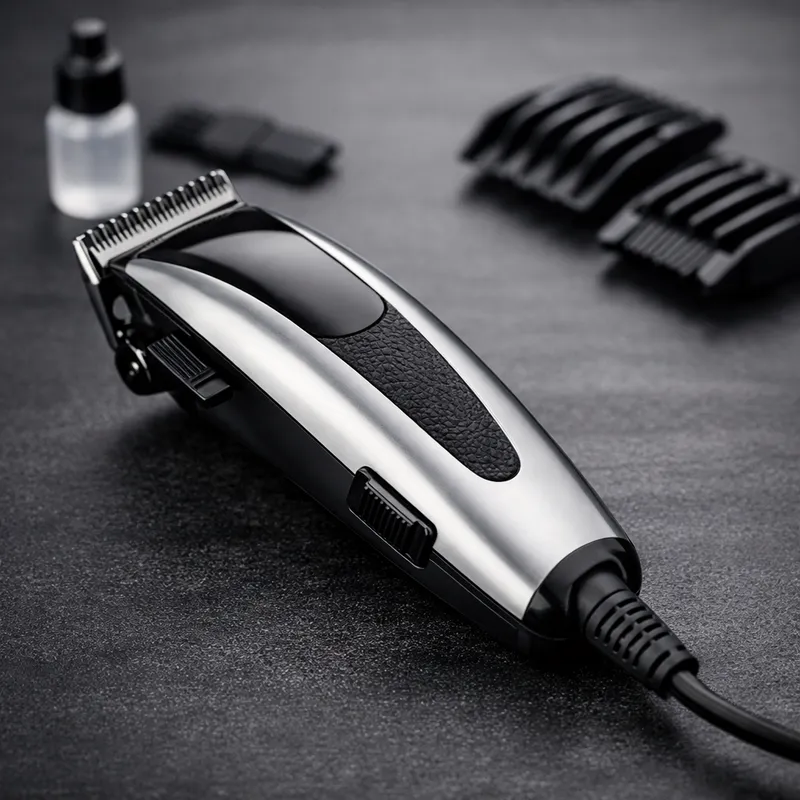
Kit Finder: Pick the Right Wahl Set in Under a Minute
Most disappointment with a clipper set Wahl purchase comes from one mismatch: the kit was designed for one job, but you expected it to do another. Example: you buy a basic haircut kit (great for even lengths), then expect it to deliver crisp edges and a clean fade without a finishing plan.
Use the selector below to generate a kit profile: the kit category you should shop for, what features actually move the needle, and the mistakes that create patchy sides, harsh lines, and “why is it tugging?” moments.
1) Your goal
Tip: If your top is long and you only want clean sides/neck, choose Neckline & edges.
2) Power preference
Cordless is usually easier for self-cuts around ears and neckline. Corded is ideal if you want “plug in and forget it.”
3) Your experience
Your experience changes the best kit choice. Beginners need stability; advanced users benefit from finer blending control.
Select your goal, power preference, and experience above. Your recommendation will appear here with a shopping checklist and a first-use plan (so you don’t “learn” by making avoidable mistakes).
What Actually Matters in a Wahl Clipper Set (The Stuff That Changes Your Result)
A kit can look “premium” and still produce average results if the fundamentals are weak. When you’re evaluating a Wahl barber clippers set (or any Wahl kit), focus on the things that change the outcome on your head — not the things that make the box look bigger.
1) Guard stability (your haircut is only as consistent as the guard)
If a guide comb feels loose, flexes, or clicks on “kind of,” it will create uneven lengths — especially on the back of the head where your angle control is weaker. Stable guards give you repeatability. Repeatability gives you confidence.
- Look for: tight, secure attachment with minimal wobble.
- Avoid: guards that shift when you change direction or add pressure.
- Why it matters: stability prevents “random short patches” that force you to go shorter to fix them.

2) Lever control (the secret weapon for blends)
If you care about fades or tapers, the lever isn’t a detail — it’s the difference between a cut that looks intentional and a cut that looks like stacked steps. The lever gives you micro-adjustments, so you can soften lines instead of jumping harshly between guard sizes.
3) Finishing ability (why your DIY cut looks “unfinished”)
A clipper is designed to remove bulk. The “barber finish” usually comes from detail work: cleaning around ears, refining sideburns, and setting a neckline that doesn’t look accidental. If your kit includes a capable trimmer (or you plan to use one), your haircut instantly looks more deliberate.
- If you maintain between barber visits: trimmer performance matters more than extra guards.
- If you cut family hair: prioritize guard stability and comfort first.
- If you want fades: plan for both blending and edging.
Reality check that saves money: a “40-piece kit” can still be worse than a smaller kit if the guards feel cheap, the lever feels sloppy, or the clipper runs hot and starts tugging. Shop for control, not piece count.
Best Wahl Clipper Set Types by Goal (What to Buy for the Result You Want)
Instead of telling you “buy X model,” this section tells you what to buy for your outcome. That approach is more reliable because availability and bundles change — but the requirements for a clean result don’t.
Buzz cut / one length (lowest risk)
If you want a simple, even buzz, choose a kit that keeps the cut consistent across the whole head. The most important feature is guard stability — because the haircut is basically “repeat the same pass everywhere.”
- Prioritize: secure guards, comfort, consistent cutting.
- Nice to have: a simple neckline cleanup tool.
- Avoid: starting too short on day one.
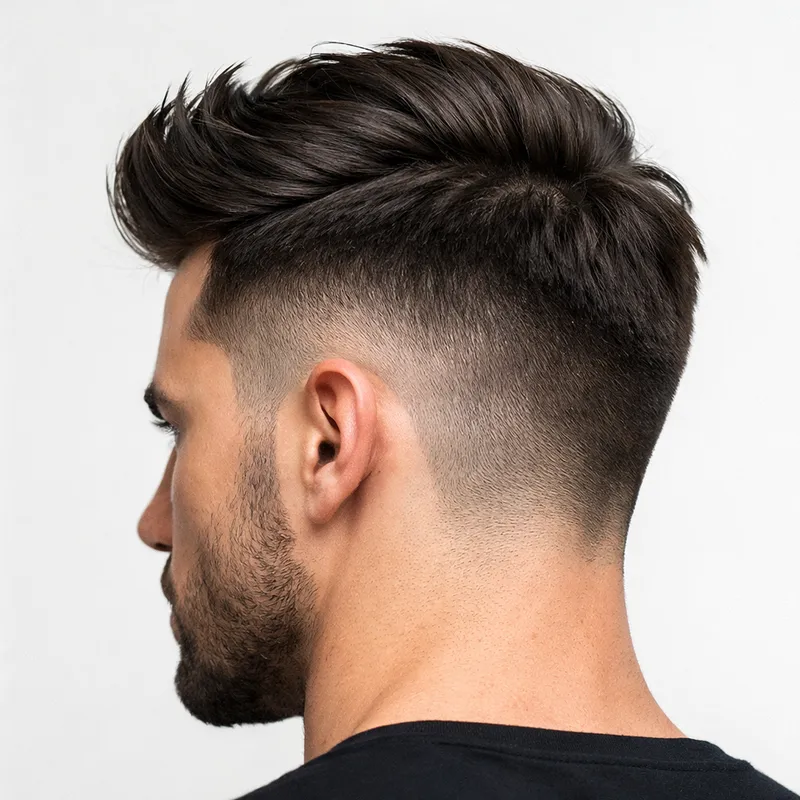
Simple home haircuts (family cuts, tidy sides)
This is the “most people” category. You want to clean up the sides and back, keep the top manageable, and avoid obvious mistakes. The winning formula here is: stable guards + a basic plan + conservative transitions.
- Prioritize: guards that don’t wobble, a comfortable grip, smooth cutting.
- Focus: set a baseline length first, then refine.
- Avoid: trying to “fix” a line by going shorter everywhere.
Fades & tapers (blend-first)
A fade is not “hard,” it’s structured. You’re building a blend using controlled zones. The kit requirements change: lever control becomes critical, and finishing becomes more important.
- Prioritize: predictable taper lever, solid guards, a finishing plan.
- Learn once: a 3-zone approach works for low, mid, and high styles.
- Avoid: tiny zones (they amplify mistakes).

Neckline & edges (maintenance between barber visits)
If you already like your haircut and want it to last longer, your kit choice should lean into detail work. That means a trimmer that can clean up around ears and the neck without chewing the skin or leaving uneven edges.
- Prioritize: trimmer capability and control.
- Best use: quick cleanups every 7–14 days.
- Avoid: reshaping your whole neckline aggressively if you’re unsure.
All-in-one grooming (hair + detail + personal trim)
If you want one box that covers haircuts, beard cleanup, and personal trimming, you’re shopping for a “complete grooming” style kit. The trade-off is simple: convenience goes up, but you should still verify the fundamentals (especially the guards).
- Prioritize: hair cutting performance first, then the extras.
- Good for: routine grooming, travel, gifts.
- Avoid: assuming the included trimmer equals a dedicated detailer.
Fast buying rule: If your priority is a fade or crisp line-up and you want it to look professional immediately, the fastest path is often a barber. If your priority is maintenance and consistency, a well-chosen kit is perfect. Find a barber near you.
The No‑Waste Checklist for Wahl Clipper Sets & Kits
Here’s the checklist that prevents regret. If you only remember one section from this page, make it this one. A kit is worth buying when it helps you control length, control transitions, and control finishing — consistently.
Non‑negotiables (these change your haircut)
- Guards that lock tight: minimal wobble, predictable length, fewer “patch fixes.”
- Smooth cutting: less snagging, less heat, less temptation to press harder.
- Lever you can trust (for fades): micro-adjustments that actually help blending.
- A finishing plan: either a capable trimmer included or a clear plan to add one.
- Maintenance-friendly design: easy to clean so you keep performance stable.
Marketing filler (don’t overpay for this)
- Huge piece counts: numbers inflated by low-impact extras.
- Redundant mini tools: duplicates that won’t improve your haircut.
- Buzzword promises: features that don’t show up on your head.
- Weak trimmers included as “bonus”: often the first point of disappointment.
- No clear guard strategy: more guards don’t help if you don’t know which ones to use.
If you’re a beginner: your best purchase is the kit that makes it hard to mess up. That means stable guards, comfortable handling, and a conservative workflow — not a complicated “barber” bundle you won’t use properly yet.
Guard & Fade Planner (Wahl-Friendly, Beginner-Safe)
This planner generates a simple, structured approach using common guard logic (the way most people use Wahl-style guide combs). It’s designed to prevent the two biggest DIY fade problems: starting too short and making the blend zones too tight.
Note: guard numbering and exact millimeters can vary slightly by comb set. Use this as a practical plan, then adjust to your preference. If you’re unsure, choose the longer option and test first — you can always go shorter.
Planner inputs
Click Generate plan to get step-by-step guard instructions, including where to start, how to build zones, and how to avoid obvious lines.
How to Cut Your Hair with a Wahl Clipper Set (A Repeatable Workflow)
A good kit doesn’t create a good haircut by itself — the workflow does. The goal is not “barber perfection.” The goal is a clean, controlled result you can repeat. This workflow is designed for home use, and it’s intentionally structured to reduce decision fatigue while you’re holding clippers.
Before you start (this prevents most mistakes)
- Dry hair, bright light: wet hair hides length differences.
- Two mirrors (or phone camera): back-of-head control matters.
- Start longer than you think: you can go shorter in 60 seconds; growing back takes weeks.
- Pick your plan first: don’t improvise with guard + lever + angle at the same time.
Pro-level habit (simple): Set one baseline length first. Then refine. Most DIY disasters happen when people “fix” while the baseline is still undefined.

The 3‑Zone Method (why it works)
Think in zones, not in panic fixes. A “zone” is simply a band of hair where you keep the same length approach. Zones stop you from overworking one area and accidentally creating dents or uneven patches.
- Zone 1 — Baseline length: Apply your base guard to the sides/back. Move slowly and keep your passes consistent. You’re building an even foundation.
- Zone 2 — Transition band: Create a slightly longer band above Zone 1 (or blend Zone 1 into the top). This is where lever control pays off.
- Zone 3 — Detail & finish: Clean around ears, refine sideburns, and set your neckline style. This is what makes the haircut look intentional.
Beginner-safe blending cue: When you blend, don’t push straight up into the head. Use a gentle “flick out” motion at the top of the zone. That motion softens lines instead of carving new ones.
Quick troubleshooting while cutting (save the haircut mid-process)
- You see a line: don’t go shorter everywhere. Widen the transition zone and blend it out with small steps.
- It looks uneven: check guard seating first. Many “uneven” results are simply a guard not fully snapped in.
- You feel tugging: stop and clean hair from the blade area; oil if needed; reduce pressure.
- You’re not sure: pause, step back, look in different light, then continue. Overworking one spot makes it worse.
Cleaning, Oiling & Troubleshooting (So Your Wahl Kit Keeps Cutting Clean)
Performance problems usually have boring causes: hair packed into the blade area, dry friction, or neglected cleaning. The good news is that most “my clippers pull hair” issues can be reduced dramatically with a simple routine.
After every cut (2 minutes)
- Brush hair out of the blade and guard grooves.
- Wipe the exterior (hair + oils build up fast).
- Oil lightly when needed, run briefly, wipe excess.
- Store the kit dry and covered (dust matters more than people think).
Why this works: hair and friction create heat. Heat makes cutting feel rough. Rough cutting makes you press harder — and pressure makes everything worse.
Common problems (and what to do first)
- Pulling/tugging: clean → oil → reduce pressure → check blade condition.
- Overheating: clean hair out → oil → take short breaks → don’t bear down.
- Uneven lengths: re-seat the guard → slow your passes → confirm plan.
- Noisy/vibration changes: check screws, blade alignment, and cleanliness.
If performance doesn’t return after basic maintenance, your blade may be worn or misaligned.
Maintenance Planner (quick schedule generator)
Choose your usage pattern and get a simple routine you can stick to. This doesn’t replace the manufacturer’s instructions — it gives you a practical baseline for consistent home results.
Click Generate schedule to get your routine. This box is intentionally reserved in height to avoid layout shift.
Avoid Fakes & Buying Mistakes (The Fast Protection Checklist)
Popular brands attract knockoffs, and grooming tools are one of the easiest categories for counterfeit sellers to exploit. The goal here is not paranoia — it’s a simple buying filter that protects you from low-quality tools and frustrating returns.
Before you buy
- Choose reputable sellers: clear returns and consistent listings.
- Confirm what matters: guards, lever (if fading), finishing plan.
- Don’t overvalue “piece count”: it’s often padding.
- Check compatibility language: make sure the kit matches how you plan to cut.
When it arrives (quick validation)
- Guard fit: should be secure and consistent across guards.
- Lever feel: should be controlled, not sloppy or gritty.
- Heat & pulling: early tugging often signals a maintenance or quality issue.
- Return fast if needed: don’t “hope it improves.”
Conversion-friendly advice: If you only need a sharp fade once and you don’t want the learning curve, paying for a barber can be cheaper than buying the wrong kit and then fixing mistakes for weeks. Find a barber near you.
FAQs About Wahl Clipper Sets & Kits
These are the questions that matter when you’re choosing a Wahl clipper set and trying to get a clean result at home. The answers are intentionally practical — focused on what changes the outcome, not what looks good on a product box.
Are Wahl clipper sets good for beginners?
Yes — if you choose the right type of kit. Beginners should prioritize guard stability, comfortable handling, and a conservative plan. A beginner-friendly kit makes it difficult to accidentally create uneven lengths, which is the #1 reason first-time DIY cuts go sideways.
If your goal is maintenance (neckline + around ears), choose a kit with a finishing tool you can control. If your goal is a fade, choose lever control and a structured plan — not more accessories.
Corded vs cordless: which is better for a Wahl hair clipper set?
Corded is great when you want consistent power and a “plug in and forget it” experience. Cordless is often better for self-cuts because you can change angles easily around ears and the neckline. The “best” choice is the one you’ll use comfortably without rushing — comfort is a hidden performance feature.
What’s the difference between a basic clipper kit and a barber combo kit?
A basic kit is usually clipper + guards and is designed for consistent lengths. A barber combo kit adds a trimmer/detail tool to create a more “finished” look (neckline, sideburns, around ears). If you care about a sharp finish, a combo kit (or a separate trimmer) is often the upgrade that actually shows.
What guard should I start with?
Start longer than you think — especially on your first attempt. Your first goal is even coverage, not the shortest possible haircut. Once the baseline is even, you can step down to a shorter guard in a controlled way. The Guard & Fade Planner above is built to keep you conservative and structured.
Why do my clippers pull hair or feel like they snag?
The most common causes are hair packed into the blade area, lack of lubrication, or pressing too hard. Start with the boring fixes: clean hair out, oil lightly if appropriate, slow down, and reduce pressure. If performance doesn’t return, the blade may be worn or misaligned.
Can I get a clean fade at home with a Wahl clipper set?
Yes — if you follow a zone plan and avoid tiny blend zones. Most “bad fades” happen because people try to blend inside a narrow band, then keep going shorter to remove a line. Use a structured approach: baseline first, then create a transition zone, then refine. Lever control helps, but the workflow matters more than hype.
Do I need a trimmer for line-ups and necklines?
If you care about clean edges, a trimmer is strongly recommended. Clippers remove bulk; trimmers create the sharp finish. If you’re unsure, choose a natural or tapered neckline first — it looks clean and is more forgiving than boxing everything out.
How often should I clean and oil my kit?
Clean after every cut. Oil as needed based on usage and hair type. The Maintenance Planner on this page gives you a practical schedule. The key is consistency: a clean, lightly maintained blade cuts smoother, runs cooler, and gives more predictable results.
How do I avoid buying fake or low-quality clippers?
Buy from reputable sellers with clear returns, validate guard fit and lever feel when it arrives, and return quickly if performance feels off. Counterfeit or low-quality tools often show problems early: rough cutting, odd heat, unstable guards, and inconsistent results.
When is it better to just go to a barber?
If you want a sharp fade or line-up immediately and you don’t want the learning curve, a barber is the fastest path. If you want consistent maintenance, simple home haircuts, or a predictable buzz, a Wahl kit is a strong option. If you want the quickest clean result: find a barber near you.
Next Steps (Make This Page Useful Immediately)
If you want the fastest win, do this: run the Kit Finder, then generate your plan with the Guard & Fade Planner. That combination gives you clarity on what to buy and how to use it — which is the difference between “I own clippers” and “I can actually get a clean result.”
Brand note: “Wahl” is a trademark of its respective owner. This page is an independent buyer/use guide.