
Wahl Detailer Trimmer: What It’s Best For, Which Model to Pick, and How to Use It Safely
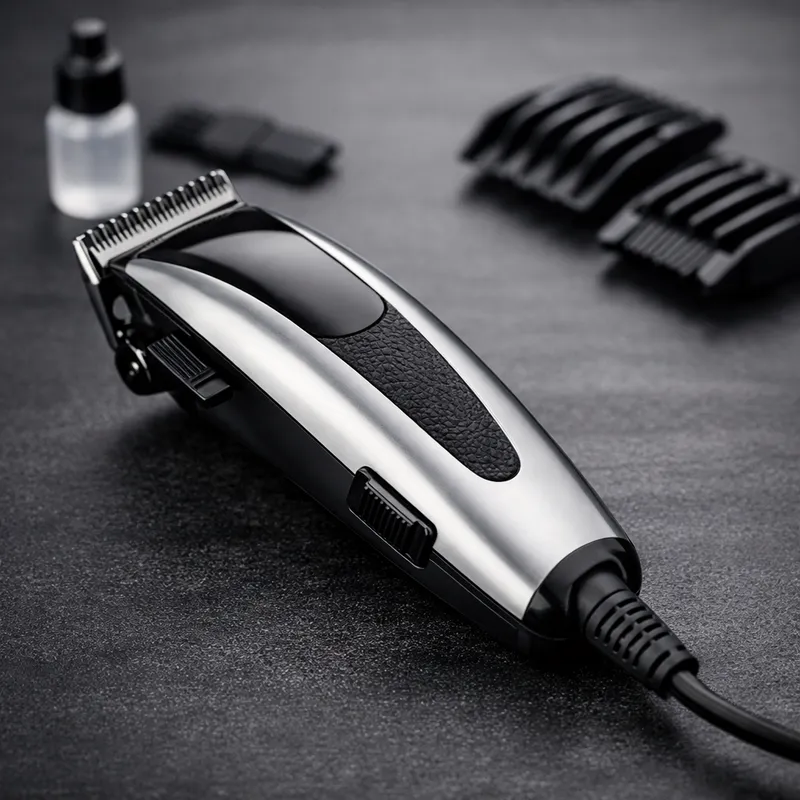
The Wahl Detailer trimmer is famous for one thing: sharp, clean edges. If you want crisp line-ups, defined beard borders, and quick neck cleanups between haircuts, it’s one of the strongest options in the “precision trimmer” category. This page helps you choose the right Detailer model (corded vs cordless), avoid common mistakes, and get barber-clean results without wrecking your skin.
-
Best for: line-ups, beard edges, neck cleanups, detailing
-
Why it’s different: T-wide blade designed for precision finishing work
-
Big mistake: using it like a clipper (it’s not for bulk cutting)
-
Skin safety: “Sharper” settings can mean more irritation if you press
Quick take: Is the Wahl Detailer worth it?
Yes — if you want crisp edges and clean outlines.
The Wahl Detailer is designed for finishing work: hairlines, beard borders, neck cleanups, and detailed shaping. That’s why so many barbers keep it in rotation: it’s built to make lines look intentional.
- Hairline / shape-ups: sharp without needing a razor
- Beard edges: cheek lines, mustache border, neckline definition
- Between-cut maintenance: quick cleanups that keep you looking fresh
Skip it (or keep it mild) if you get irritation easily.
The Detailer can be adjusted very close. That’s great for sharpness — but if you’re heavy-handed or prone to bumps, a too-aggressive setup can cause scratching, redness, or ingrown hairs.
- Beginners: start with factory alignment, then adjust slowly
- Sensitive skin: avoid chasing “maximum closeness”
- Bulk cutting: use clippers (not a Detailer) for removing length fast
One sentence rule that fixes most bad line-ups
If you feel like you need pressure, your setup is wrong. Clean and oil the blade, use short strokes, and let the trimmer do the work.
Wahl Detailer models: what “Wahl Detailer trimmer” usually means
“Wahl Detailer” can refer to a few different models depending on where you live. The feel is similar, but power type, voltage, and included accessories may vary by market. Use the comparisons below to pick the right one for your needs.
| Model (common naming) | Power | Blade | Key official-spec highlights (varies by region) | Best for | Watch-outs |
|---|---|---|---|---|---|
| 5-Star Detailer (corded) | Corded (continuous power) | 2215 Adjustable T-Wide Blade (often listed as 1/4" wider than standard Wahl T-blade) | Common pro listing highlights include an 8 ft professional cord and 120V / 60Hz specs on US pro listings. | Barbers, heavy home users, anyone who wants “always-on” power for edging. | Voltage/plug can be region-specific. If you’re outside the US, confirm compatibility before ordering. |
| Wide Detailer (corded, often EU) | Corded (continuous power) | Fixed T-Wide Blade with zero-overlap adjustment | Official EU specs commonly list: 40.6 mm cutting width, 0.4 mm cutting length, 2.4 m cable, and 100–240V support (market-dependent). | Detail work with wide coverage, travel-friendly voltage in many EU listings, uninterrupted use. | Still a trimmer, not a clipper. Don’t expect it to replace your main haircut tool. |
| Cordless Detailer Li | Cord/cordless (battery + option to run on cord) | 2215 Adjustable T-Wide Blade | Frequently listed: ~100 min runtime, ~45–60 min charge time, charging stand, LED charge indicator (varies by listing). | Home line-ups, beard edging, neck cleanups, anyone who hates cord drag. | Battery performance depends on care and age. Check voltage/charger specs for your region. |
What “T-Wide” actually changes
“T-Wide” blades extend the cutting area and give you more control at the corners. That matters when you’re shaping a hairline, carving a beard edge, or working around the ear. You spend less time correcting — and less time correcting means fewer accidental pushbacks.
Tool: Find your best Wahl Detailer setup (in 20 seconds)
This is a practical decision helper, not a sales pitch. Answer a few questions and you’ll get a model recommendation plus the “why” behind it.
1) What are you using the Detailer for?
Tip: If you’re unsure, choose “Either is fine” and focus on how you’ll actually use the trimmer (hairline, beard, neck, or detailing).
What the Wahl Detailer trimmer is best for (and what it’s not)
Best uses
- Line-ups / shape-ups: sharp hairlines and corners without overcutting
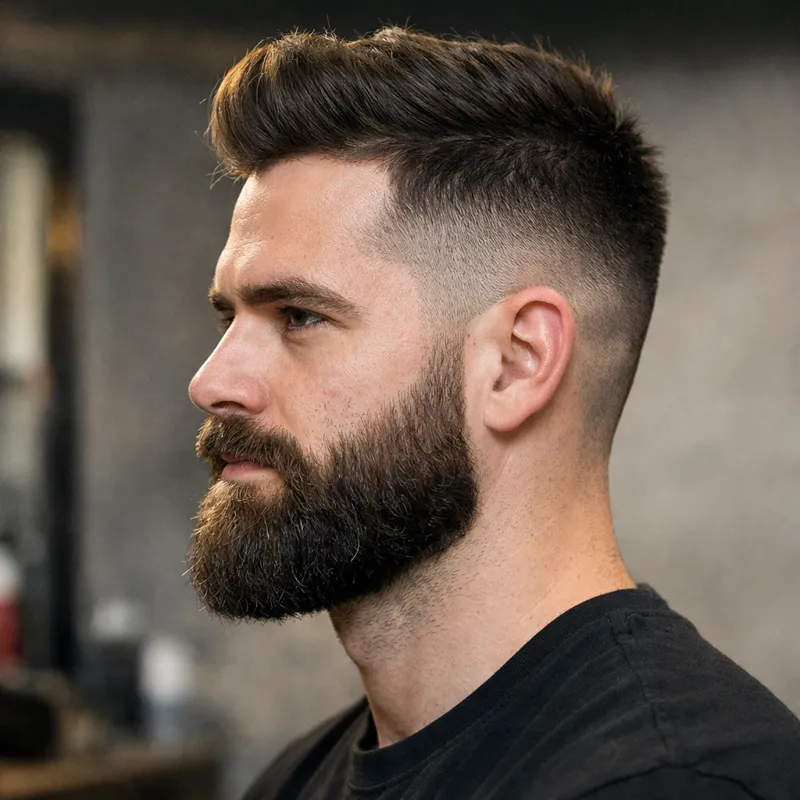
- Beard edging: clean cheek lines, mustache outline, neckline definition
- Neck cleanups: the fastest way to look fresh between haircuts
- Detailing passes: finishing touches after your fade or taper
- Creative detailing: lines and patterns (if you’re steady-handed)
Not ideal for
- Full haircuts: a trimmer is not a clipper (bulk removal will feel slow and uneven)
- Long-beard length control: you’ll want a beard trimmer with more guard options
- “One-tool does everything” setups: best results come from using the right tool for each job
If you’re buying one tool only: get a clipper first (for length). Add a Detailer when you’re ready for sharper edges.
The “3-tool system” that looks the cleanest
You don’t need all three on day one — but this is the simplest way to understand what each tool is supposed to do:
- Clippers: remove bulk, build fades, take length down evenly
- Detailer / precision trimmer: create sharp outlines and detail work
- Foil shaver: finish below the line for a smooth skin feel (optional)
How to use a Wahl Detailer trimmer (step-by-step)
The Detailer rewards patience and punishes rushing. The goal is not “cut as close as possible.” The goal is clean lines with minimal passes. Fewer passes = less irritation and fewer accidental pushbacks.
Hairline / shape-up (front + corners)
- Start clean and dry. Oil and sweat reduce control and increase slipping.
- Brush hair forward. This shows the true hairline before you commit.
- Map the line lightly first. Use the corner of the blade with gentle taps.
- Connect the dots. Short strokes, steady wrist. Avoid one long “drag” line.
- Back up and check symmetry. Fix small unevenness early, not after you’ve pushed it back.
- Finish with minimal passes. Overworking the same spot causes redness fast.
Control hack: keep your elbow close to your body and move your shoulder less. That makes your hand steadier.
Beard edging (cheek line + mustache + neckline)
- Comb the beard down. Don’t edge fluffy hair — edge the real line.
- Set the cheek line first. Start mid-cheek and work toward the mustache.
- Outline the mustache border carefully. Tiny, controlled strokes.
- Define the neckline. Start about two fingers above the Adam’s apple.
- Clean below the neckline. Use the Detailer, then optionally finish with a shaver for smoothness.
- Cool down the skin. A gentle rinse and a non-stinging moisturizer helps.
If you get bumps: don’t chase “super close” every day. Clean, defined lines beat irritated skin.
Neck cleanup (fast refresh between haircuts)
This is the highest “effort-to-result” move for most men. A 2–3 minute neckline cleanup can make your haircut look new again.
- Use a mirror setup (or phone camera) so you can see the entire neckline.
- Brush hair down and outline the neckline lightly first.
- Clear below the line with controlled strokes.
- Stop early if your skin gets red — the line is what matters.
Pro tip: If you can’t see clearly, don’t “guess-cut.” That’s how necklines get pushed too high.
Mini tool: Copy a barber-clean line-up checklist
Use this as your “do not rush” routine. It’s intentionally short — the goal is consistency, not complexity.
Click “Show Checklist” to view it here, or “Copy Checklist” to paste it into Notes.
Zero-gapping the Wahl Detailer: the honest reality check
Many Detailer models allow the blade to be adjusted very close (often called zero-overlap or “zero-gapped”). That can produce extremely sharp outlines — but it also increases the chance of irritation if your pressure, angle, or skin tolerance isn’t right.
When a closer setup helps
- You’re doing finishing passes and need crispness without repeated strokes
- You’re experienced enough to use light pressure consistently
- Your skin rarely reacts to close trimming
When a closer setup backfires
- You press hard (even slightly)
- You do “multiple cleanup passes” on the same spot
- You get bumps/ingrowns easily, especially on the neck
The safest approach for most men
Start with a standard alignment, then move closer in tiny steps only if needed. Test on a low-risk area (like the forearm) before using a more aggressive setup on the neck. If it scratches, back off — sharp lines are useless if your skin is irritated for three days.
Tool: Zero-gap safety check
This tool doesn’t tell you to mod your trimmer. It tells you what level of “closeness” you can realistically handle based on how your skin behaves.
Use this to decide how aggressive your blade alignment should be — and how often you should edge.
Maintenance that keeps your Detailer cutting clean (and stops pulling)
Most “this trimmer is bad” complaints come from maintenance, not the tool. Trimmers deal with short hair, skin oils, and product buildup — which means blades get dirty fast.
After every use (60 seconds)
- Brush hair out of the blade.
- Add 1–2 drops of blade oil (or the oil recommended for clippers/trimmers).
- Run the trimmer for 5–10 seconds to distribute oil.
If you edge your beard daily, this habit matters more than any “upgrade blade” you can buy.
Weekly (5 minutes)
- Clean the blade more thoroughly (remove the blade if you’re comfortable doing so).
- Wipe away grime buildup behind the cutting teeth.
- Re-oil and check screw tightness.
- Make sure blade alignment is safe (no teeth protruding beyond the cutter).
If the blade runs hot quickly, it’s often dryness + friction. Oil fixes that.
Quick troubleshooting (the fixes that actually work)
- Pulling hair: clean → oil → check alignment → only then consider a replacement blade.
- Not cutting sharp: reduce pressure, use short strokes, and confirm the blade is clean and oiled.
- Feels scratchy: your alignment is too aggressive or you’re pressing.
- Red neck after edging: fewer passes, lower aggression, and avoid daily “super close” edging.
Tool: Build your maintenance schedule
Pick how often you use your trimmer and you’ll get a simple schedule you can actually follow.
This stays simple on purpose: the best plan is the one you will follow.
Wahl Detailer vs other popular trimmers (real-world differences)
There’s no “best for everyone.” The cleanest choice depends on your skin, your technique, and whether you want corded power or cordless control. Here’s the practical way to think about it.
Why people choose the Detailer
- Edge-focused design: built for outlines and finishing work
- T-wide coverage: faster results without sloppy strokes
- Strong ecosystem: easy to find blades, guides, and parts
- Multiple power options: corded and cordless versions exist
When an alternative might suit you better
- You want softer cutting: if you’re prone to irritation, a less “bitey” feel may help
- You need longer guards: for beard bulk trimming, a beard trimmer wins
- You want a different blade feel: some barbers simply prefer another brand’s blade geometry
Simple buying logic (no guessing)
- Home + easy control: Cordless Detailer-style setup usually feels easiest
- Long sessions + no battery concerns: Corded Detailer-style setup
- Sensitive skin: prioritize a mild alignment and fewer passes over “maximum closeness”
When to go to a barber (and why it’s not a failure)
If you’ve ever pushed a corner back, you already know the truth: hairlines are expensive to fix. Sometimes the smartest play is paying for a clean professional outline, then maintaining it lightly at home.
Go pro if you want:
- A perfectly symmetrical line-up
- Design work that looks sharp from every angle
- A clean bald finish with a shaver (without irritation)
- A reset if your line-up has drifted or been pushed back
Best strategy for most men: get the line set by a barber, then maintain the neck and beard borders at home.
Note: Update the “/contact/” link if your contact page uses a different URL.

How to avoid the #1 beginner mistake
Beginners usually “fix” a slightly uneven line by cutting deeper and deeper until the hairline is pushed back. Instead: lightly map the line first, step back, and correct only the smallest area needed. The Detailer is precise enough that a tiny correction is usually all it takes.
FAQs about the Wahl Detailer trimmer
These questions are based on the most common problems: picking the right model, avoiding irritation, and getting sharp edges without mistakes.
Is the Wahl Detailer good for beards?
Yes — especially for edging and shaping. The Detailer is ideal for cheek lines, mustache borders, and neckline definition. If your goal is to trim a longer beard down evenly, a dedicated beard trimmer with more guard lengths is usually a better “bulk trimming” tool.
Corded vs cordless Detailer: which one should I choose?
Choose corded if you want continuous power and never want to think about battery life. Choose cordless if you value control and convenience — especially for hairline corners, around the ears, and beard edging where cord drag can ruin precision. Many users find cordless easier for home line-ups.
How close does a Wahl Detailer trimmer cut?
Detailer-style T-wide blades are designed for very close trimming (commonly listed around 0.4 mm cutting length, model-dependent). Some setups can be adjusted even closer. If you want a skin-smooth finish, outline with the Detailer, then finish below the line with a foil shaver.
Can I zero-gap the Wahl Detailer?
Many Detailer models support very close adjustment (often described as zero-overlap/zero-gapped). But going too aggressive increases the chance of scratching and irritation — especially on the neck. If you’re new, keep the setup mild and focus on light pressure and fewer passes.
Why is my Detailer pulling hair?
Pulling is usually caused by a dirty blade, a dry blade (no oil), or a blade that’s worn or misaligned. Do this in order: clean → oil → check alignment. If pulling continues after proper cleaning and oiling, the blade may need replacement.
How do I prevent razor bumps and irritation when edging?
Use light pressure, avoid repeated passes on the same area, keep the blade clean and oiled, and don’t chase “maximum closeness” every day. Sensitive skin usually looks better with a slightly less aggressive setup and a consistently clean outline than with an ultra-close edge that triggers bumps.
Is the Wahl Detailer a clipper?
No. It’s a precision trimmer. Use clippers to remove length and build fades. Use the Detailer for outlining, detailing, and finishing work. When you use a trimmer for bulk cutting, it feels slow and the result is harder to control.
What should I check before buying a Detailer online?
- Power type: corded vs cordless
- Voltage/plug: confirm your region compatibility
- What’s included: stand, guides/guards, adjustment tool, oil
- Seller credibility: avoid listings that look “too cheap to be real”
Different markets can list slightly different specs under the same “Detailer” naming — always verify your exact listing details.
Brand note
Wahl is a trademark of its respective owner. This page is an independent informational guide created for menshaircutstyle.com and is not affiliated with or endorsed by Wahl.