
Local services • Men’s grooming
Make the right booking choice (and get a natural-looking result)
When you search for “men’s hair color near me”, you’re usually trying to solve one of two problems: reduce visible gray without looking “dyed,” or upgrade your look (highlights, a cleaner tone, or going lighter) without damaging your hair.
This guide is built to help you move faster with confidence: you’ll learn what service to book, what it should cost, what to say in the chair, and how to choose a local colorist who actually understands men’s color work (short hair, fast grow-out, and natural texture).
- Gray blending vs full coverage: the decision that makes or breaks “natural.”
- Booking scripts: copy-ready phrasing to avoid “too dark” or “too warm.”
- Tools: pick a service, estimate cost, and build a maintenance schedule (no forms, no signup).
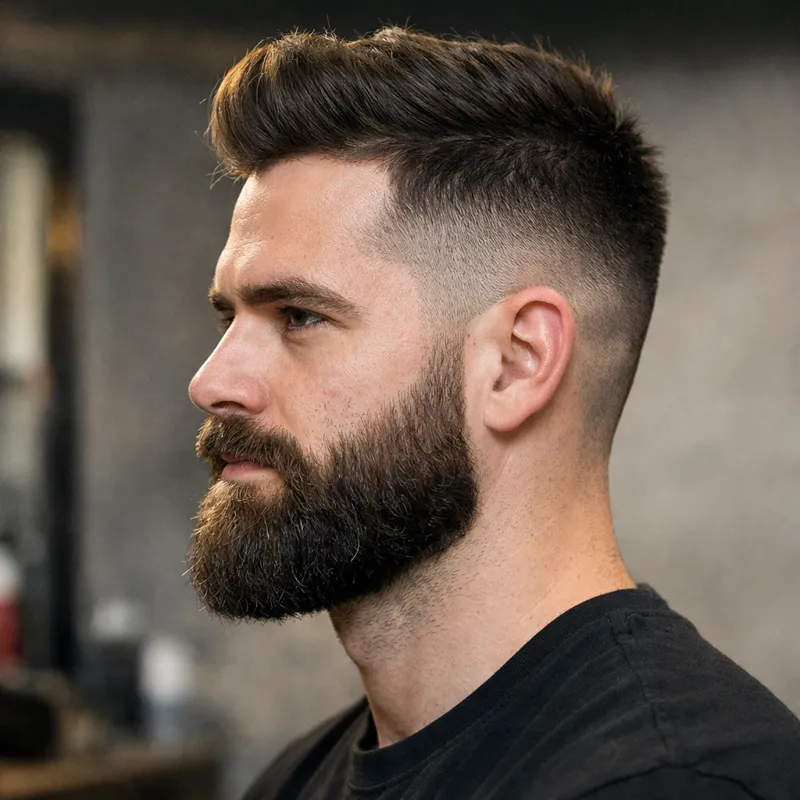
Short-hair friendly
Men’s haircuts show mistakes faster. We focus on techniques that blend cleanly and grow out without harsh lines.
“Tone control” explained
Brassy warmth is the #1 giveaway. You’ll learn how to request cool/neutral tone the right way (and when warmth is fine).
Maintenance made simple
Get a realistic schedule based on hair growth, gray density, and how often you actually want to come back.
The 3-minute decision that makes men’s hair color look natural
Before you compare “best hair color near me” options, make one decision first: do you care more about coverage, grow-out, or flexibility? Most “bad color” stories happen because the service didn’t match the goal.
Your outcome depends on 3 variables
1) Gray density: a little gray at the temples is a different problem than “mostly gray.”
2) Grow-out tolerance: if you can’t stand visible roots, you’ll need more frequent touch-ups.
3) Tone preference: cool/neutral tones usually look more natural on men when blending or covering gray.
Next: use the Service Finder to get a clear recommendation, plus the exact words to use at booking time.
Men’s hair color services: what to book (and why)
Booking menus can be confusing because “hair color” is an umbrella term. The service name matters because it controls how natural the result looks and how often you have to come back.
Gray Blending (Gray Camouflage)
Best when you want to reduce the “shock” of gray but keep your hair looking real — not painted.
Gray blending is ideal for men because it doesn’t try to erase every gray hair. Instead, it softens contrast. That means fewer harsh roots and fewer “people notice” moments.
Full Gray Coverage (Single-Process Color)
Best when you want to return to a pre-gray look and you’re okay maintaining roots.
Full coverage can look great, but it must be done at the right shade depth and tone. The most common mistake is going too dark, which makes the grow-out obvious and less natural.
Demi-Permanent Color (Soft Deposit)
Best when you want a natural fade-out and you’re testing the waters.
Demi-permanent can be a smart “entry point” for men who fear harsh lines. It won’t deliver extreme change, but it’s often enough to clean up tone and soften gray.
Highlights / Dimension (Partial or Full)
Best when you want movement, not “solid color.”
Dimension can make short-to-medium cuts look sharper and thicker. It can also reduce the “flat” look that happens when men choose one all-over shade.
Bleach & Tone (Going Much Lighter)
Best when you want blonde/platinum/silver or a high-contrast transformation.
Lightening is chemistry. The best results usually come from a colorist who prioritizes hair integrity and may plan multiple sessions.
Color Correction (Fixing a Bad Result)
Best when you need to fix patchiness, brassiness, or box dye issues.
Corrections are not “one-size-fits-all.” A good pro will be honest about what’s possible in one visit and what needs a plan.
Tool: Men’s Hair Color Service Finder
Answer three quick questions. You’ll get: the best service to book, keywords to search locally, and a copy-ready script to tell your colorist so you don’t end up too dark or too warm.
1) What’s your main goal?
Choose the result you care about most.
2) How much gray do you have right now?
This changes whether blending will be enough.
3) How often are you willing to maintain it?
Be honest. This is the #1 factor for a result you’ll actually keep.
Bonus: What tone looks most natural on you?
If you hate brassiness, choose cool/neutral.
Your recommendation
Select options above to generate your plan.
Tip: If you’re unsure, start with Blend grays and Low/Medium maintenance. It’s the safest path to natural results.
Search locally with:
men’s hair color near me
What to say in the chair (copy/paste):
“I want a natural result. Please keep it cool/neutral, not too dark. I prefer a soft grow-out.”
Note: This tool runs only in your browser. No personal data is collected or stored.
How men’s hair color works (and why it looks “obvious” when done wrong)
Men’s hair color has a different challenge than women’s color: short hair amplifies contrast. When the sides are tight (fade/taper) and the top is short-to-medium, even a small mismatch in shade or tone can look unnatural. That’s why “men’s color” is less about being dramatic and more about being precise.
What professionals control (that box dye usually doesn’t)
Shade depth: how light/dark the final result is. Going too dark is the most common “men’s color” mistake.
Tone: cool vs warm. Brassiness (orange/gold) is the most common giveaway, especially on dark hair.
Technique: blending vs full coverage vs dimension. Technique controls grow-out and realism.
How much does men’s hair color cost near you?
Price depends on your city, the stylist’s experience, and the technique. The practical rule is simple: time + complexity = cost. Gray blending is usually quicker; highlights and corrections take longer.
Use the table below as a realistic baseline. If your quote is far outside these ranges, ask what’s included (toner, treatments, haircut, beard blending, and whether the plan requires multiple sessions).
| Service | Typical time | Typical range | Best for |
|---|---|---|---|
| Gray blending | 30–60 min | $50–$100+ | Natural results, minimal roots, softer grow-out |
| Full gray coverage | 60–120 min | $75–$200+ | More coverage, consistent color, frequent touch-ups |
| Demi-permanent | 45–90 min | $60–$160+ | Lower commitment, gradual fade, first-timers |
| Highlights / dimension | 90–150 min | $80–$250+ | Texture, modern look, grows out clean |
| Bleach & tone | 2–5 hours | $150–$400+ | Going significantly lighter, platinum/silver |
| Color correction | 2–5+ hours | $100–$500+ | Fixing box dye, brassiness, uneven results |
What drives the cost up (so you can compare quotes intelligently)
If you’re comparing multiple “near me” options, ask about these factors: previous color history (box dye, bleach), gray percentage, hair density, and whether the service includes toner (key for natural tone). When men complain that a color looks “off,” it’s often a toner/tone choice issue — not the idea of coloring itself.
Tool: Price & Time Estimator (Men’s Hair Color)
This estimator gives you a realistic range based on service type, hair length, and your city’s typical pricing. It won’t replace an in-person consultation, but it helps you spot quotes that don’t make sense.
Choose your service
Pick what you’re most likely to book.
Hair length / complexity
Short hair is faster; longer or thicker hair usually costs more.
Estimated range
Gray blending — short/simple — average city
Expected price: $60–$110
Expected time: 35–65 minutes
Pro tip: For the most natural men’s result, confirm whether the service includes tone control (toner or a cool/neutral formulation).
Gray blending vs full coverage: choose the one that fits your lifestyle
If you only read one section, read this. Men’s color success depends more on this choice than anything else.
Choose gray blending if…
You want the most natural result and you don’t want your coworkers/friends to instantly notice “a dye job.” Blending is also best if you prefer a soft grow-out, you travel a lot, or you’re inconsistent with appointments.
What to ask for: cool/neutral blend and “no solid helmet color.”
Choose full coverage if…
You want maximum gray coverage and you’re willing to keep up with roots. Full coverage can look great — but it needs the right shade depth and a plan for maintenance.
What to ask for: avoid going too dark; request slightly lighter than your natural base if unsure.
How to choose the best men’s hair colorist near you
“Near me” results are crowded with booking apps, salons, barbers, and general listings. The fastest way to find a winner is to evaluate evidence of men’s work, not generic portfolios.
Checklist (save this)
✓ Men’s examples: do they show gray blending, natural coverage, or men’s highlights?
✓ Natural grow-out: results that look good in week 4–6, not just day 1.
✓ Tone control: do reviews mention “natural,” “not too dark,” or “no brassiness”?
✓ Clear service naming: “gray blending” is a green flag; “hair color” only is vague.
✓ Consultation behavior: a pro asks about maintenance and hair history before committing to a plan.


What to tell your colorist (copy-ready scripts)
The goal is to remove ambiguity. Many men leave disappointed because they asked for “cover gray” or “make it darker” without specifying tone and maintenance. Use these scripts as-is.
Script 1: Natural gray blending
Script 2: Full coverage without the ‘helmet’ look
Script 3: Subtle dimension (highlights)
Script 4: Going lighter (bleach & tone)
Script 5: Fixing a bad color
Bring this to your appointment: 2–3 reference photos (best case + acceptable backup), and your honest answer to: “How often will you come back?” The best colorists build the plan around that reality.
Aftercare for men: make color last longer (without changing your life)
You don’t need a 12-step routine. You need a few high-impact habits that keep tone clean and reduce premature fading. Men often wash more frequently and use stronger shampoos — that’s a recipe for fast fade and unwanted warmth.
The high-impact habits
Use a color-safe shampoo most washes (especially if you blend or cover gray).
Lower the heat on blow dryers when possible; heat can dull tone.
Rinse after swimming; chlorine is brutal on tone.
Ask about toning if you go lighter; toner is what prevents brass.

Common men’s mistake
Going too dark to “be safe.” Darker color makes gray roots show faster and can look less natural. If you’re unsure, go slightly lighter and keep the tone cool/neutral.
Shortcut: Gray blending + a clean haircut schedule is the most low-maintenance “looks better” combo.
Tool: Maintenance Planner (When should you refresh?)
Choose your service and your growth speed. You’ll get a realistic refresh window and a reminder message you can copy into your calendar.
Choose your service
Different services have different “best refresh” windows.
Hair growth speed
If your sides grow fast (and you wear fades), choose “fast.”
Your maintenance window
Gray blending — average growth
Refresh target: every 4–6 weeks
Why: This window keeps gray softened without sudden contrast changes. It’s the sweet spot for men who want “always looks good” without frequent visits.
Copy-friendly reminder:
Book a gray blending refresh this week. Request cool/neutral tone and a soft grow-out.
How to book men’s hair color near you like a pro (5 steps)
This process works whether you choose a barbershop or salon. The goal is to prevent the two most common men’s color problems: too dark and too warm.
- Pick your goal: blend gray, cover gray, add dimension, go lighter, or fix a mistake.
- Pick your maintenance level: how often you will realistically refresh it.
- Choose the service name: “gray blending” and “demi-permanent” are safest for natural results.
- Use a script: request cool/neutral tone, avoid going too dark, and confirm grow-out expectations.
- Lock aftercare basics: color-safe wash routine + tone refresh plan if needed.
FAQs: Men’s hair color near me
These are the questions men ask right before booking. If you want a natural result, read the “too dark” and “brassy” answers carefully.