
Conair Hair Trimmers: how to choose the right one for lineups, necklines, and clean detail work
A Conair hair trimmer is a finishing tool. It doesn’t replace clippers for full haircuts—but it’s the fastest way to keep your haircut looking “just cut” between appointments: hairline, sideburns, around the ears, and the back of the neck.
This page is designed to beat generic product listings: you’ll get a practical buying framework, the “barber method” for safe edging, and interactive mini tools that help you avoid the two big mistakes: pushing your hairline back and irritating your skin.
Editorial note: MensHaircutStyle.com is an independent grooming site. We are not affiliated with Conair. Brand names are used for identification only.
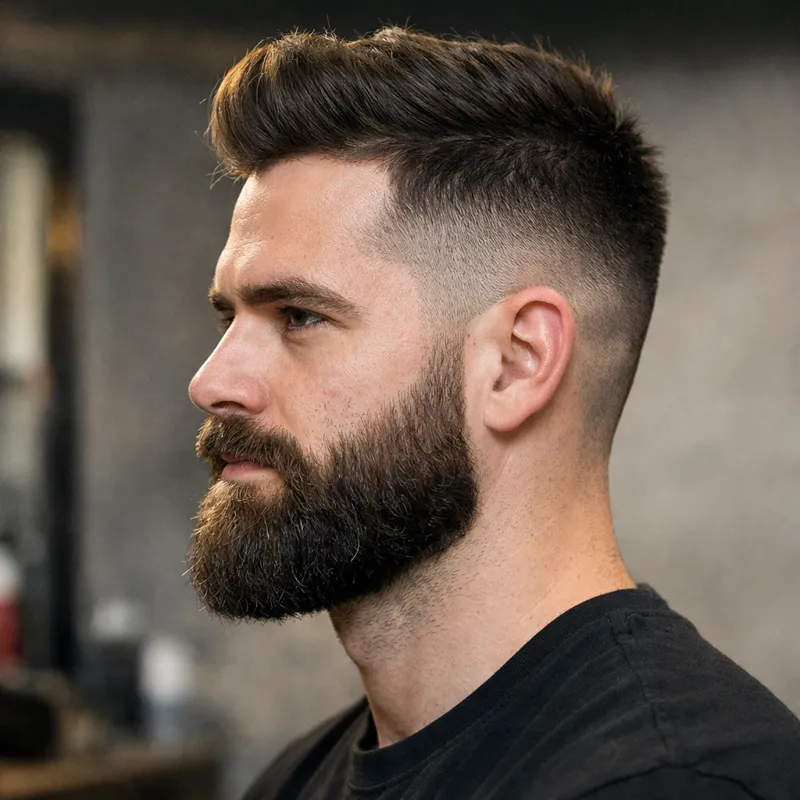
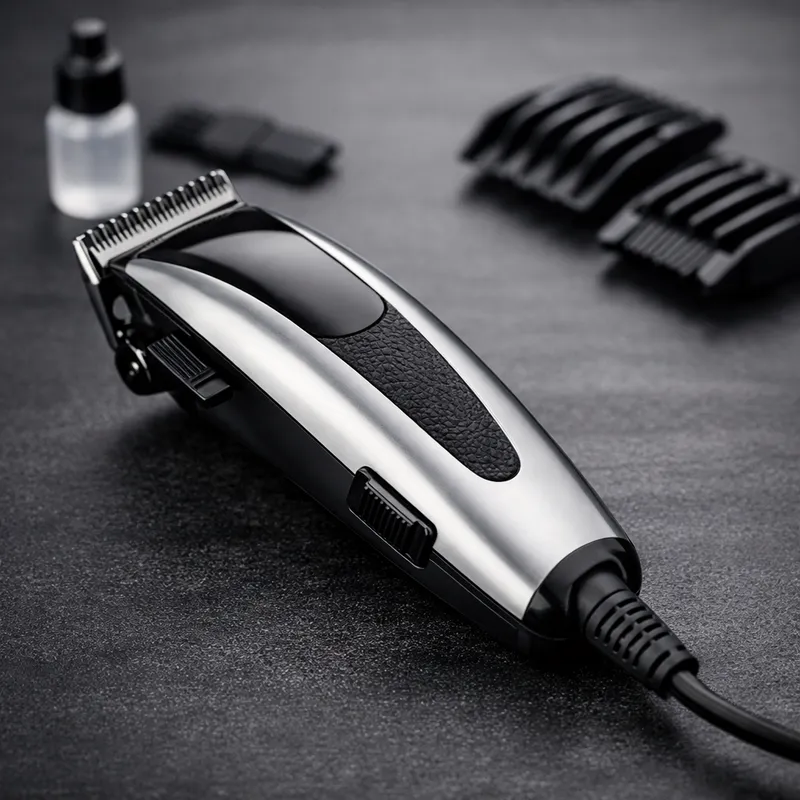
Quick Picks: choose the right Conair hair trimmer by your goal
Most “best trimmer” pages list random models and call it a day. That fails because people buy a tool that’s wrong for the job, then try to force results with pressure and repeated passes. The better approach is to pick the right lane first:
If you care most about hairline corners, sharp sideburns, and clean detail around the ears, your priority is control and visibility. A lineup-focused trimmer is about precision, not brute cutting power.
- Best for: front hairline, corners, sideburn shaping, small corrections.
- What matters most: seeing the edge clearly, stable handling, clean cutting with light taps.
- What to avoid: “scraping” the same spot repeatedly—this causes irritation and accidental push-back.
The neckline is the highest-return touch-up. When the back of the neck and ear area are clean, your haircut looks newer—even if the top has grown out. This lane is about easy angles and repeatable routine.
- Best for: back-of-neck cleanup, around-ear cleanup, light sideburn maintenance.
- What matters most: comfort, consistent cutting, fast setup you’ll actually repeat.
- Beginner advantage: it’s easier to improve quickly here than on a front lineup.
Trimmer Finder: match the right Conair hair trimmer “lane” to your needs
This mini tool gives you a buying direction (lineup vs neckline vs all‑round) and the features to prioritize. It’s intentionally brand-agnostic on model names so the advice stays useful even when retailers rename bundles.
Your recommendation will appear here
Tip: If you’re a beginner, prioritize control + comfort over “the closest cut possible.” A safe routine beats a risky blade every time.
Why this works: most retailer pages describe features, but they don’t tell you how to match those features to your real goal. This tool forces the match first.
Edge‑Up Schedule Planner: stay clean without pushing your hairline back
Hairline “damage” is rarely permanent—most of the time it’s a pattern: too frequent touchups, too much pressure, and chasing perfect symmetry at mirror distance. A smart schedule reduces the temptation to over-correct.
Plan your next 4 weeks
Set the days until your next haircut and your priorities. You’ll get a realistic routine: neckline first, hairline last.
Your schedule will appear here
You’ll get: suggested touchup days, what to do on each day, and a quick “stop rule” to prevent over-trimming.
Conair trimmer vs clippers: the rule that fixes most DIY results
If you searched “Conair hair trimmer” but what you actually want is to cut your whole hairstyle at home, you’re about to run into frustration. The simplest, most effective split is:
Clippers = bulk and length
Clippers remove volume and set lengths with guards. They’re built for larger areas and consistent cutting across the head.
- Best for: full haircuts, guard lengths, fades, overall shape.
- Strength: speed and consistency on bulk hair.
- Common mistake: trying to detail corners and ear lines with a bulky head.
Trimmers = finishing and edges
Trimmers sharpen the outline and keep your cut looking intentional between appointments.
- Best for: hairline, ears, sideburns, neckline cleanups.
- Strength: precision and control in small zones.
- Common mistake: using a trimmer for full haircuts (slow, patchy, higher irritation risk).
Bottom line: a trimmer should make your haircut look cleaner, not become a daily battle against symmetry.
How to choose a Conair hair trimmer (features that actually matter)
Marketing words are cheap. Your results depend on a few practical factors that affect control, comfort, and how easy it is to stay consistent. Use this as your filter when comparing any Conair hair trimmer listing.
1) Control and sightline (the #1 lineup factor)
If you can’t clearly see where the cutting edge is landing, you’ll compensate with extra passes. That’s how corners get pushed back. A good trimmer for lineups lets you place the line with light taps.
2) Power consistency (especially for thick/coarse hair)
Tugging is a warning sign. Tugging makes you press; pressing causes irritation; irritation makes your line look fuzzy. If you have thick or coarse hair, prioritize consistent cutting and a routine that doesn’t rely on forcing the tool.
3) Cordless vs corded (choose based on habit)
Cordless wins for frequent touchups and better angles. Corded wins for steady power without thinking about charging. Pick the one you’ll actually use—because a perfect spec sheet doesn’t matter if the tool stays in a drawer.
The Barber Method: safe hairline + neckline cleanup (repeatable steps)
This is the method that keeps your outline clean without “carving.” It’s built around two principles: light pressure and fewer, smarter passes. You’re not trying to win a symmetry contest at two inches from the mirror—you’re building a clean outline that reads well from normal distance.
-
Set your environment (don’t wing it).
Front lighting, a second mirror for the neckline, and a clean/dry surface. Bad lighting creates “phantom asymmetry” that leads to over-correction.
-
Start at the neckline (highest reward, lowest risk).
Brush hair down at the nape, clean the line gradually, and avoid pressing. A natural, neat neckline is more forgiving than a harsh box for most styles.
-
Clean around the ears with short, controlled strokes.
Use small passes and stop often. Symmetry is easier to judge from one step back than nose-to-mirror.
-
Hairline: tap strokes only (no long drags).
Build the line with light taps. Long drags increase slip risk and turn small mistakes into bigger ones.
-
Center first, then corners, then connect.
Define the center lightly, define corners only if you truly want sharp corners, then connect in short segments.
-
Use the “stop rule” every 20–30 seconds.
Step back, check from normal distance, then stop if you feel the urge for “one more pass.” That thought is how lines get pushed back.
A copy‑friendly Edge‑Up Checklist (no sign-up required)
If you want a practical checklist you can reuse, click to copy. It’s intentionally short so you’ll actually follow it.
Checklist preview
- Good lighting + second mirror for the neckline.
- Neckline first, ears second, hairline last.
- Tap strokes on the hairline. No dragging.
- Light pressure only—if you’re pressing, you’re risking irritation and mistakes.
- Step back every 20–30 seconds to avoid over-correcting.
- Stop when you think “one more pass.”
Tip: if you’re bump-prone, reduce frequency and prioritize neckline maintenance over frequent front lineups.

Maintenance & troubleshooting: stop tugging, heat, and irritation
If your trimmer used to feel sharp and now pulls hair, don’t assume it’s “bad.” Most performance drops come from buildup and friction. A simple routine keeps cutting smoother and reduces the need to press harder.
The 2‑minute after‑use routine
- Brush out loose hair around the cutting area.
- Wipe the blade surface (clean, dry).
- If your model supports it, apply a tiny amount of blade oil occasionally.
- Store dry. Moisture + residue = friction.
Consistency matters more than “perfect technique.” A clean blade cuts better, which means fewer passes—and fewer passes mean cleaner-looking edges.
Where to buy Conair hair trimmers (and how to avoid bad listings)
Conair hair trimmers are sold everywhere. The real risk isn’t the store—it’s buying a confusing bundle or a vague listing that doesn’t match what you think you’re getting. Use this checklist before you click “buy.”
Safe buy checklist
- The listing clearly shows the exact item and what’s included.
- Photos match the contents (attachments, charger type, guards).
- Return policy is clear.
- Seller is reputable, and reviews describe real use (not just shipping issues).
If a listing doesn’t clearly explain what you’re getting, skip it. Confusing bundles are how people end up with the wrong “lane” tool.
FAQs about Conair hair trimmers
These answers are written for real intent: choosing the right tool, using it safely, and getting cleaner-looking results with fewer mistakes.
Are Conair hair trimmers good for lineups?
They can be—if you choose a trimmer that fits the lineup lane and you use a safe method. Most “bad lineup results” come from technique errors: pressing too hard, making too many passes, and trying to correct corners repeatedly. If you’re a beginner, focus on neckline + around-ear cleanup first, then do light hairline taps less often.
What’s the best Conair hair trimmer use for beginners?
Start with the neckline and around the ears. It’s easier to learn and gives the biggest “fresh haircut” effect. Once you can do that cleanly, add gentle hairline touchups using tap strokes. Avoid long drags across the front line.
Can I use a Conair hair trimmer to cut my whole haircut?
You can, but it’s not ideal. Trimmers are finishing tools; full haircuts are more consistent with clippers and guards. If your goal is bulk cutting and blending lengths, start with clippers, then finish with the trimmer for edges. See: Conair Hair Clippers Guide.
How often should I edge up my hairline?
Most men do best with a light hairline touchup every 7–14 days depending on growth and sensitivity. Touching the front line too often increases the risk of pushing corners back and irritating skin. If you want to look fresher more often, maintain the neckline and ear area more frequently than the front hairline.
Why does my trimmer pull hair?
Pulling usually means friction: hair buildup, a dirty/dry blade, or a worn cutting surface. Clean it first and reduce pressure. If pulling persists after cleaning, the blade may need replacement. Pressing harder is the worst response—it increases irritation and makes lines look uneven.
Cordless vs corded for edging: which is better?
Cordless is often easier for DIY because you can hold better angles around the ears and neckline, which improves control. Corded is great for steady power without charging. Choose based on your habit: the best trimmer is the one you actually use consistently.
What if I have sensitive skin or get bumps?
Reduce frequency, avoid pressing, and prioritize neckline cleanup over frequent front hairline lineups. Use fewer passes and gentler technique. A sharp-looking outline is still possible without cutting ultra-close. If bumps are severe or persistent, consider letting a barber handle the hairline and using your trimmer only for neckline maintenance.
Want the cleanest result fast?
If you need a perfect lineup for photos, an interview, or an event, don’t gamble your hairline. Tools are great for maintenance—professionals are best when the result has to be flawless.
Reminder: this page provides general grooming education and product-selection guidance, not medical advice.