
Clipper Guard Sizes, Fade Guards & Long Guards — Built to Get You a Cleaner Cut
If you’ve ever searched clipper guards and still felt unsure what “#1” or “#3” really means, this page is for you. You’ll get a complete size chart (in inches + mm), clear explanations for 0 guard clipper vs half guards, and practical fade plans that actually remove lines.
You can also use the built-in tools to pick the right length instantly — then either cut at home or walk into a barbershop and describe your haircut with confidence (guard numbers + fade height), which is exactly how pros communicate.
Practical note: guard numbers are “standard-ish,” but not perfectly universal. The best habit is to think in mm/inches, then confirm what’s printed on the guard (especially with long clipper guards beyond #8).
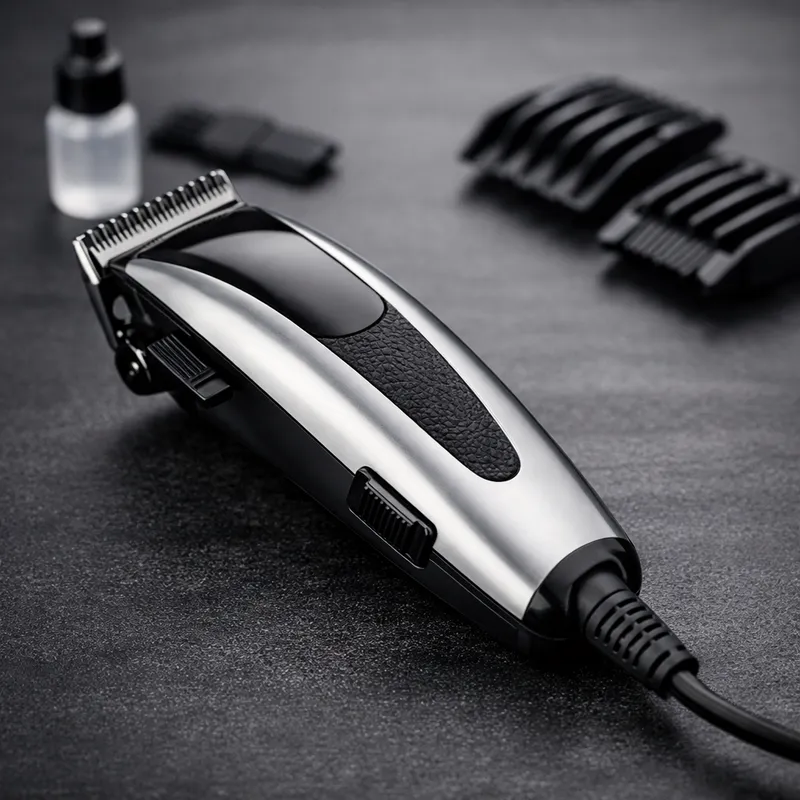
Tools That Make Guard Numbers Instantly Understandable
Most guides stop at “#2 is 6mm” and call it a day. That’s not enough for real results. The tools below do what barbers do mentally: translate a target look into a practical guard plan, with the “in-between” steps that keep your fade from looking like stacked shelves.
Guard Size Finder (mm / inches → best match)
Choose a target length and get the closest guard number (including half guards and long guards). This is the fastest way to answer: “What guard do I need for this length?”
Fade Builder (low / mid / high) — a line-free guard plan
Pick your fade style and the top-of-sides length. The builder outputs a clean sequence using clipper fade guard steps (half guards + small jumps). This is where most home fades fail — not because you “lack talent,” but because you’re missing the in-between steps.
Clipper Guard Size Chart (Numbers → Inches → mm)
Here’s the chart you’ll come back to. It covers the standard guard system plus the two “missing pieces” that make fades look professional: #0.5 and #1.5. It also includes common long guard lengths so you can understand what people mean by long clipper guards and the highest clipper guard.
Standard + long guards (what they’re best for)
Guard numbers are “higher = longer,” but the most useful way to think is: length + purpose. The same #2 can look different depending on hair density, growth pattern, and how you blend above it.
| Guard | Length (in) | Length (mm) | Best use (practical) |
|---|---|---|---|
| #0.5 | 1/16″ | 1.5 mm | Fade base without going “blade.” Removes the harsh “bottom shelf” look in beginner fades. |
| #1 | 1/8″ | 3 mm | Tight sides, short buzz cuts, low fades. Shows scalp on finer hair but stays cleaner on dense hair. |
| #1.5 | 3/16″ | 4.5 mm | The “line eraser.” If you fade at home, this is the guard that saves you most often. |
| #2 | 1/4″ | 6 mm | Classic short sides. Most forgiving starting point if you’re not sure what “short” should be. |
| #3 | 3/8″ | 10 mm | Fuller sides without looking long. Great if you want shape but not the “buzzed” feeling. |
| #4 | 1/2″ | 13 mm | Soft, conservative length. Ideal for office-friendly cuts and smoother transitions above fades. |
| #5 | 5/8″ | 16 mm | Bulk control on thicker hair. Often paired with scissor/comb work for a natural finish. |
| #6 | 3/4″ | 19 mm | Longer sides that still look “kept.” Useful for shaping without exposing scalp at all. |
| #7 | 7/8″ | 22 mm | Mostly for controlling bulky sides. Blends better with comb technique than pure clipper strokes. |
| #8 | 1″ | 25 mm | Often the highest clipper guard in standard kits. Great for even length, but blending may need scissors. |
| 1.25″ | 1.25″ | 32 mm | Long guard work for fuller sides/top. Not all brands label these the same number — confirm length. |
| 1.5″ | 1.5″ | 38 mm | Useful when you want “longer but tidy.” Great for controlling volume without a heavy scissor session. |
| 2″ | 2″ | 51 mm | Common 2 inch clipper guard length for longer styles. Ideal for even “shape control” without cutting too much. |
0 Guard Clipper (No Guard): What It Actually Means
When people say 0 guard clipper, they usually mean the clipper is cutting with no guard attached. This is where confusion starts — because “no guard” is not a single, universal length.
The true cut length depends on:
- Blade type (standard vs fade blade)
- Lever position (closed vs open changes the effective length)
- Pressure + angle (heavy pressure can cut closer and cause patchiness)
- Hair density (thin hair shows scalp earlier; dense hair looks fuller at the same length)
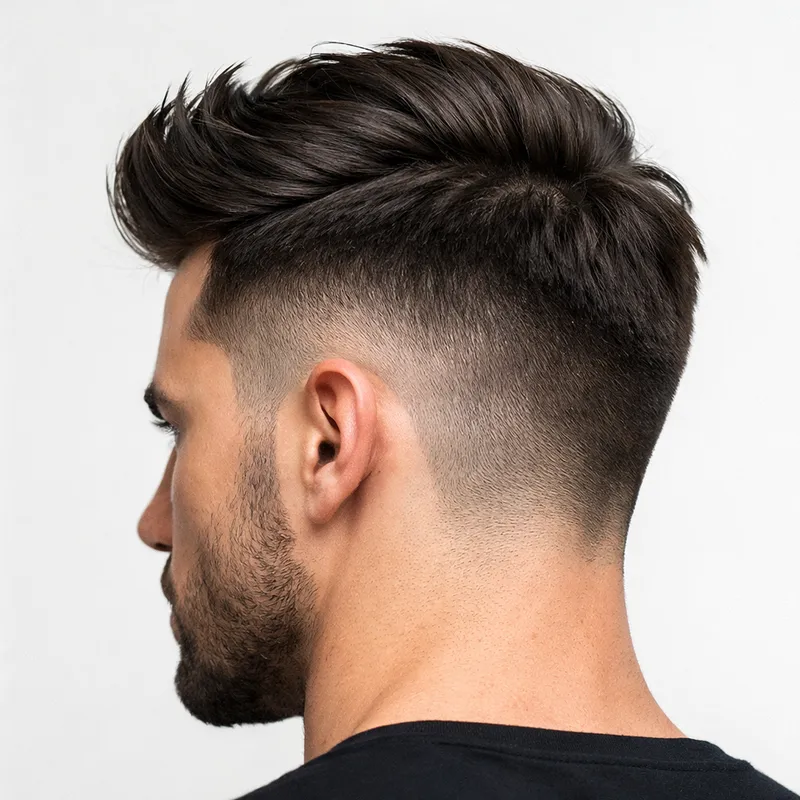
Clipper Guards for Fades: How to Get a Blend Without Lines
A fade is not “a haircut type.” It’s a transition system: you’re gradually moving from shorter to longer hair. The only reason fades look difficult is because most people skip the steps that make transitions smooth.
The core idea behind clipper guards for fades is simple:
- Pick your top-of-sides guard (the length that will dominate your final look).
- Work downward in small jumps (use half guards).
- Blend using light pressure and short strokes (especially around the “line”).
A simple fade progression (works for most beginners)
Use this as your default until you know exactly what you like:
- Bottom: #0.5 (or #1 for a softer base)
- Step 2: #1
- Blend step: #1.5
- Top of sides: #2 or #3
If your fade looks “stripy,” you didn’t fail — you just need one more in-between pass. That’s why people search clipper fade guard: they’re trying to find the missing bridge between lengths.

Long Clipper Guards (and the Highest Clipper Guard)
In most standard kits, the highest clipper guard is #8 (1 inch / 25mm). That’s already “long” for clipper work — and it’s where technique matters more than the guard itself.
If you want to keep your sides or top longer while still using clippers, you’ll see add-on sets marketed as long clipper guards. These usually start around 1.25″ and can reach a 2 inch clipper guard (51mm).
When long guards are the right move
- You want even bulk control without committing to a big scissor cut.
- You want a tidy look that still feels “long” (especially around the temples and parietal ridge).
- Your hair is thick and you want to reduce puffiness, not shape aggressively.
When long guards are not enough
- If you need custom shape (head contours, cowlicks), you’ll still need comb/scissor blending.
- If your hair grows in different directions, pure clipper strokes can leave uneven density.

Buying Barber Clipper Guards: What Actually Matters
You can cut hair with almost any guards. But you can’t cut clean hair with loose guards. If you want barber clipper guards that feel pro, focus on stability and consistency.
The 5-point checklist
- Secure fit: no wiggle, no popping off. If it moves, your cut will be uneven.
- Rigid teeth: flimsy guards flex, especially on thick hair (that’s where patchy spots come from).
- Clear labeling: guard number + mm/inches printed on the guard is ideal.
- Half guards included: #0.5 and #1.5 make fades realistic.
- Duplicates you actually use: If you cut often, having a spare #1 and #2 prevents “my guard cracked” disasters.
Compatibility Quick Check (30 seconds)
Use this quick check before you buy a replacement set. It prevents the #1 guard mistake: buying a pack that “sort of fits,” then fighting your tools every time you cut.
Cleaning & Maintenance (Why Your Guards Start Cutting Worse)
Guards don’t usually “break” in one day — they slowly degrade. Hair packs into the teeth, plastic edges round off, and one tiny crack turns into a guard that flexes while you cut. That’s how you get an uneven finish even when you “used the same guard as last time.”
After every cut
- Brush hair out of the guard teeth (don’t let hair compact and harden).
- Rinse with warm water + mild soap if needed (dry fully).
- Store guards flat (don’t bend them in a drawer).
Weekly (if you cut often)
- Check teeth alignment (any bent tooth can create track marks).
- Inspect for cracks near the clip/snap point.
- Replace any guard that wiggles or pops off.

Clipper Guards FAQs
These are the questions that come up most often when people buy their first clippers or try to fade at home. If you only read one thing, read the answers about half guards and compatibility — that’s where the wins are.
What are clipper guards?
What does “0 guard clipper” mean?
How long is a 1 clipper guard, 2 clipper guard, and 3 clipper guard?
What are fade guards (clipper fade guards)?
What is the highest clipper guard?
Are clipper guards universal?
Why does my cut look uneven even with the right guard?
Do I need long clipper guards or should I use scissors?
Related (recommended next reads)
If you’re building a reliable setup and want better results faster, these are the most useful next pages.