
Want one BaByliss that can trim AND shave clean? Here’s how to pick the right setup.
The keyword “babyliss trimmer shaver” usually means you’re trying to get a clean, barbershop look without owning five different tools. The problem is that “trimmer” and “shaver” are not the same job. This page gives you a simple way to choose the right BaByliss style and a proven routine that makes your results look intentional.
- Pick the right type: all‑in‑one kit, hybrid blade, or “barber finish” combo.
- Learn the workflow: Trim → Edge → Finish (the difference between “neat” and “fresh”).
- Avoid irritation: the common mistakes that cause neck bumps and patchy lines.
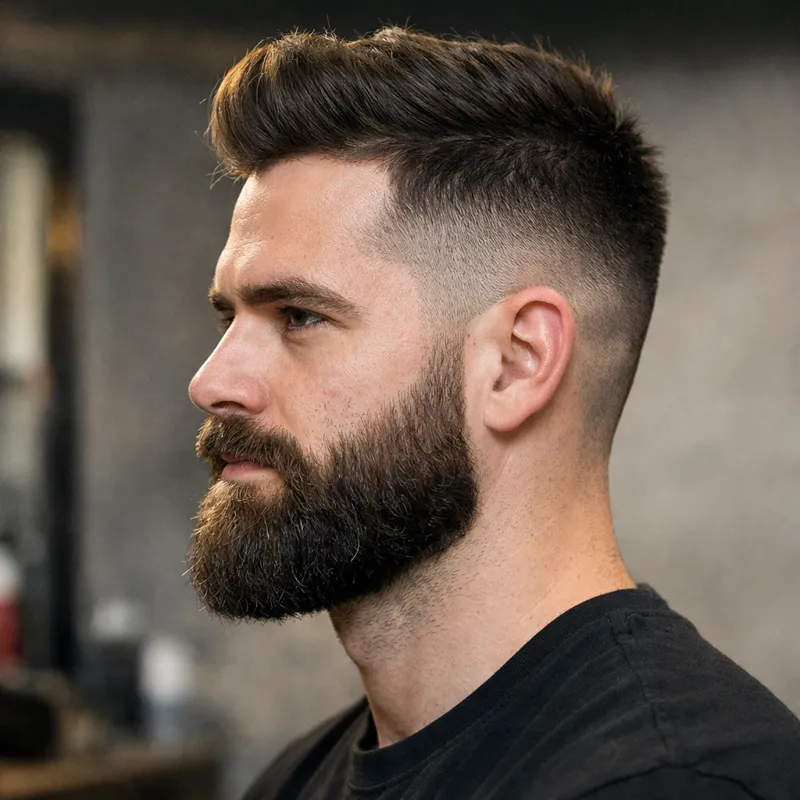
Quick Answer: the best BaByliss trimmer shaver depends on your finish goal
If you want the shortest path to the right purchase, decide based on the finish you actually want: stubble control, clean outline, or skin‑close finishing.
Best “one device” option
Choose a BaByliss all‑in‑one multi‑trimmer kit with multiple heads. It’s the most versatile choice for beard + body maintenance and quick cleanups.
Best for comfort + stubble
Choose a hybrid blade style (trim + shave in one head). It’s usually more forgiving on sensitive skin and perfect for stubble routines.
Best “barber finish” look
Choose a two‑step combo: outline with a trimmer, then finish below the line with a shaver (foil/hybrid). This is how barbers create that “fresh” neck and cheek detail.
| Setup | Best for | What it won’t do well |
|---|---|---|
| All‑in‑one kit | Beard + body, travel, one kit convenience, quick maintenance. | Doesn’t always deliver a true “skin‑close” finish unless it includes a proper shaving head. |
| Hybrid blade | Stubble, sensitive skin, wet/dry routines, fast mornings. | Not ideal for removing long growth fast; less “crisp” than a dedicated outliner for sharp corners. |
| Trimmer + finisher | Sharp outlines + clean neck/cheek finish (most “barber” result). | Slightly more gear; takes a little technique to avoid irritation if you over‑finish. |
60‑Second BaByliss trimmer shaver Setup Finder (no guessing)
This is the fastest way to choose the right “babyliss trimmer shaver” setup. Pick your goal, skin type, and priority. You’ll get a recommendation plus an action plan you can follow today.
Your grooming goal
Select the outcome you care about most. The recommendation changes because the tools behave differently on hair vs. skin.
Skin sensitivity
Be honest here. Sensitive or bump‑prone skin changes what “best” means.
Your priority
Choose what matters most day‑to‑day: fewer tools, the cleanest finish, or speed.
Your recommended setup
- Start here: Select your goal and skin type on the left.
- Then: Your recommendation + routine will appear here.
- Why it works: You’ll match the tool to the finish you want.
What “BaByliss trimmer shaver” should mean (so you don’t buy the wrong thing)
A lot of grooming pages treat “trimmer” and “shaver” like interchangeable words. They’re not. If you want clean results, it helps to think in jobs instead of product names.
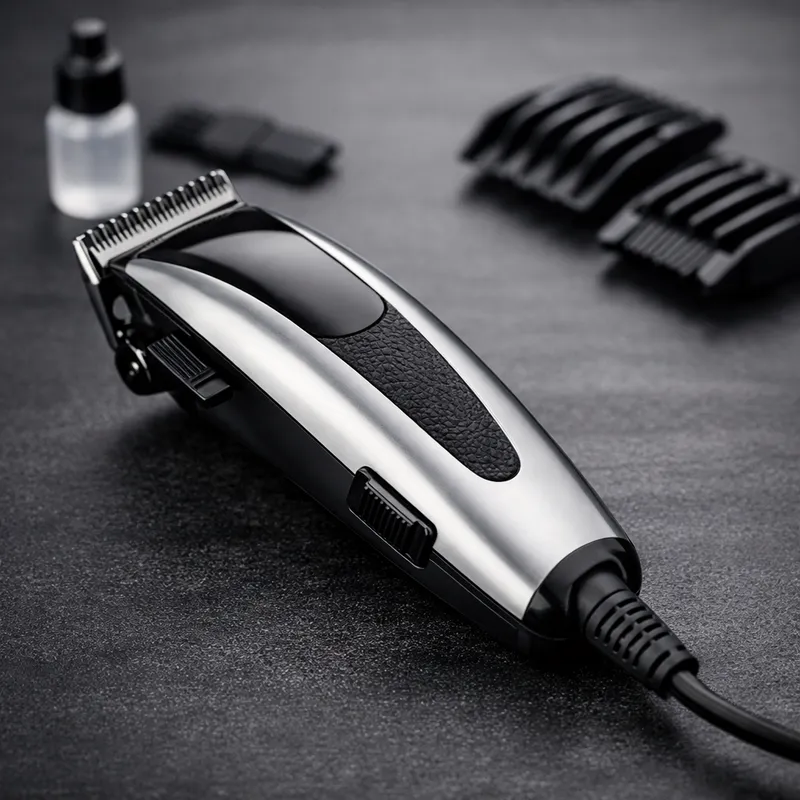
Trimmer job: length + shape
Trimmers are designed to cut hair to a controlled length (guards) and create outlines. They shine when you want a beard that looks intentional: even density, balanced shape, and clean edges.
If you’re maintaining a beard (not shaving it off), your trimmer is your main tool. “Shaving” comes later as a finishing step, not the foundation.

Shaver job: skin‑close finish
Shaving heads (foil or hybrid blade) are for removing leftover stubble outside your beard lines—especially on the neck and upper cheeks.
The trick is placement. A shaver should make the border look sharper, but if you use it “into” the beard line you’ll thin out the edge and the whole beard looks softer.
The 3 setups that actually work (and who they’re for)
There isn’t one best BaByliss trimmer shaver for everyone. There are three setups that consistently perform well, depending on how you groom. Pick the one that matches your life and you’ll get better results with less effort.
1) All‑in‑one multi‑trimmer kit
This is the “one case, many heads” approach. It’s ideal if you do beard maintenance, body grooming, and detail cleanup—and you want everything in one kit.
Best for: beard + body routines, travel, general maintenance.
Look for: multiple guards that feel solid, easy head swaps, and a shaving/finishing head for the neck.
2) Hybrid blade (trim + shave)
A hybrid blade is built for speed: trim stubble, edge quickly, and reduce scratchy regrowth without chasing a full razor finish. For many men, it’s the easiest way to look “kept” with minimal irritation.
Best for: stubble, sensitive skin, wet/dry grooming, fast mornings.
Look for: a head that follows contours, comfortable passes on the neck, and stable comb guides.
3) “Barber finish” combo
This is how the sharpest lineups are built: a trimmer makes the borders precise, and a shaver finishes the skin clean outside those borders.
Best for: crisp outlines, clean neckline, sharp cheek definition.
Look for: a trimmer that can outline accurately + a finishing head that doesn’t punish sensitive skin.
Trim → Edge → Finish: the barber‑style routine that makes any BaByliss trimmer shaver look better
Most “bad trimmer” complaints are actually routine problems. If you do these steps in the right order, you get cleaner lines, a better neckline, and less irritation—even with a simple setup.
-
Trim (set the length first)
Pick a length you can maintain weekly. Trim with the grain first, then do a second pass against the grain only if needed. The goal is even density. Don’t “fix” uneven areas by going shorter everywhere—your beard shape matters more than being ultra-short.
-
Edge (define borders with light pressure)
Now outline the cheeks and neckline. Use short taps, not long drags. Imagine you’re sketching the line, not carving it. This preserves fullness at the edges and makes your beard look thicker.
-
Finish (shave outside the line only)
Use a shaving head (foil or hybrid) only outside your outline: below the neckline and above the cheek line. Keep pressure low and do fewer passes. If you’re bump‑prone, stop at “clean-looking” instead of “razor-smooth.”
Neckline map (simple and hard to mess up)
Here’s an easy guideline: your neckline should generally sit above the Adam’s apple but not so high that it looks like a chin strap. A clean neckline is what makes a beard look “fresh” from the side profile.
If you struggle with consistency, get a barber to set the shape once, then maintain it with your BaByliss routine. One professional “reset” often saves months of trial and error.

Small tools that upgrade your result
You don’t need a drawer full of gadgets, but two simple items make trimming cleaner: a comb (to lift hair evenly) and a mirror setup that shows side angles.
Optional upgrade: a small pair of grooming scissors for the occasional stray hairs that guards don’t catch cleanly. This keeps you from over-trimming just to chase one uneven spot.
Maintenance & hygiene: keep your finish clean (and your skin calm)
A “babyliss trimmer shaver” only performs as well as its cutting surfaces. Dull blades pull hair, repeated passes irritate skin, and buildup makes cutting inconsistent. The good news: maintenance is simple if you follow a predictable schedule.
The no‑buildup plan (easy and realistic)
After each use: brush out hairs and rinse if the device is waterproof (then dry properly).
Weekly: remove heads/guards, clear trapped hair, and wipe contact points.
Monthly: check for drag/pulling. If you feel tugging, you’re either pressing too hard, the blade needs cleaning, or it’s getting dull.
If you’re bump‑prone, cleanliness matters even more: a clean head reduces the need for extra passes, which is usually what triggers irritation.
Mini tool: Beard length planner
Slide your target beard length (in mm) to get a practical maintenance plan and the right finishing approach. This helps you avoid the “trim too short, regret it” loop.
Common mistakes that ruin results (and how to fix them)
These are the patterns that make a trimmer feel “bad” even when the tool is fine. Fix these once and your grooming gets faster and more consistent.
Mistake: finishing too early
If you shave first and then trim, you remove your reference points. Always set length first, then edge, then finish outside the line.
Mistake: pressing hard to force closeness
Pressure creates heat and friction. That’s how you get redness and bumps, especially on the neck. A good finish is built with light pressure and controlled passes.
Mistake: chasing symmetry by going shorter
If one side looks uneven, most men “correct” it by trimming everything shorter. That usually makes the beard look smaller and less full.
Mistake: using the shaver inside the beard line
Shaving inside your outline thins the border and makes your beard look less defined. The “sharp” look comes from a clean contrast: beard density next to clean skin.
FAQs about BaByliss trimmer shaver setups
These are the questions that matter when you’re trying to choose the right setup and avoid irritation. Clear answers now save you money and frustration later.
Is there a BaByliss trimmer that also shaves?
What’s the best BaByliss trimmer shaver setup for a sharp neckline?
Hybrid blade vs foil: which is better for sensitive skin?
Can an all‑in‑one kit replace full-size hair clippers?
How do I avoid neck bumps when using a trimmer shaver?
Do I need a barber if I have a good BaByliss trimmer shaver?
Next steps: get the best results from your BaByliss setup
If you want better results fast, do two things: (1) choose the setup that matches your routine, and (2) follow the Trim → Edge → Finish workflow. If you want the absolute easiest path, get a barber to set the lines once, then maintain them at home.

Want a guaranteed result?
The best “conversion hack” in grooming is a professional reset. Once the neckline and cheek lines are set correctly, your maintenance routine becomes quick and repeatable.
Related guides (recommended)
Keep the user journey simple: pick a setup, learn the routine, then refine your tools only if your routine demands it. These pages help you choose without overbuying.
Learn what each tool does and build a setup that matches your grooming style.
If you care most about lineups and edging, this helps you choose the right trimmer type.
For fades and haircut maintenance: bulk → blend → edge → finish.