
Andis Trimmers for Men: Choose the Right Tool for Cleaner Lines, Better Fades, and Easier Upkeep
Shopping for Andis trimmers usually means you want sharper edges—hairline, beard lines, and neckline—without tugging, patchy spots, or irritation. This page is designed to help you choose fast and buy smart, using the same decision logic barbers use: job first, then power, then skin comfort.
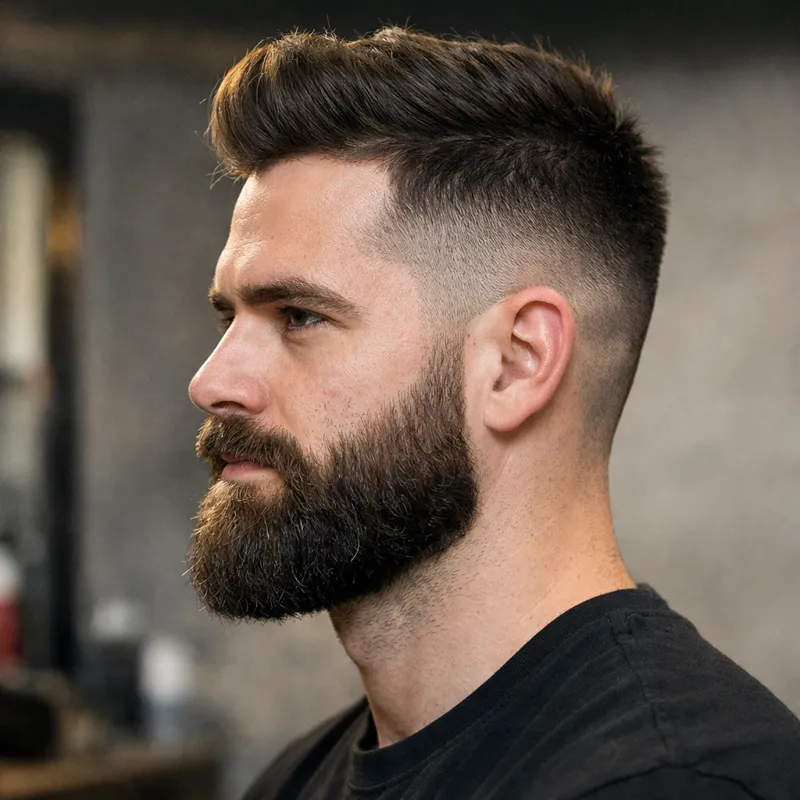
What You’ll Get From This Page
Most “Andis trimmer” pages either push a single model or dump a product list with no context. That’s not helpful. Here you’ll get a clear path to the right trimmer based on what you actually trim, plus practical tips to get cleaner results and keep blades sharp.
Top Andis Trimmers (Quick Picks)
If you’re high-intent and you want a fast answer: start with your main job. A trimmer that’s perfect for crisp lineups may feel too aggressive for sensitive neck skin. Meanwhile a lightweight detail trimmer can be great for upkeep, but it won’t always feel like a “barbershop finisher.”
Andis GTX‑EXO (Cordless lineup-focused trimmer)
Choose this category of Andis cordless trimmer when your priority is precision: sharp edges, clean corners, and controlled detailing around the hairline and beard. It’s the type of tool most people mean when they say “I want that barber finish at home.”
- Best for: lineups, beard outlines, finishing a fade, light design work.
- Avoid if: you have very sensitive skin and tend to press hard (technique matters).
- Pro move: pair with a foil shaver for the final “skin clean” finish (optional).
Andis Recon (Precision detailing, modern ergonomics)
If you like modern charging convenience and a trimmer designed for fast, controlled detailing, Recon is the type of model that fits. It’s aimed at users who want speed and consistency for edging and cleanup work.
- Best for: frequent cleanup, detailed beard shaping, refined finishing.
- Avoid if: you prefer ultra-light trimmers or want the cheapest option.
Andis Phenom (Long-session cordless upkeep)
If you trim often—weekly lineups, beard shaping, or keeping fades tight—battery consistency becomes a real quality-of-life factor. Phenom-style trimmers are built for longer, more frequent use and a premium kit feel.
- Best for: long grooming sessions, frequent touch-ups, “one-tool” reliability.
- Avoid if: you only do quick neck cleanups once a month.
Andis Slimline Pro Li (Light detail trimmer for upkeep)
Slimline-style trimmers are loved because they’re simple and easy to maneuver. They’re a strong option if you mainly want to keep things tidy between haircuts: neckline cleanup, sideburn touchups, and basic beard edging.
- Best for: quick touchups, travel, comfortable grip for beginners.
- Avoid if: you expect the most aggressive “barber finish” on very coarse hair.
Andis T‑Outliner (Corded workhorse)
If you like tools that feel traditional and you don’t want to think about charging, the classic corded Outliner category remains popular. Corded trimmers can feel extremely consistent for finishing work—especially if you’re doing grooming at home on a schedule.
- Best for: outline work, neckline cleanup, finishing passes after clipper guards.
- Great for: users who want “plug in and go” reliability.
- Tradeoff: less freedom of movement than cordless models.
- Tip: use a mirror angle that keeps the cord out of your wrist path.
Want the fastest “right answer” for your hair + skin?
If you tell us what you trim (hairline, beard, neckline, or all three) and whether your skin is sensitive, we’ll point you toward the best Andis trimmer category and explain why—so you don’t waste money on the wrong tool.
No forms here (by design). Use your contact page or DM flow.
Andis Trimmers Comparison (By Use-Case)
This is the simplest way to choose: match the trimmer to the job. You’ll get better results (and fewer nicks) by using the right “type” of Andis trimmer instead of chasing the most powerful model on paper.
| Model / Type | Power Style | Best For | Ideal User | What to Watch For |
|---|---|---|---|---|
| GTX‑EXO (Cordless lineup trimmer) | High-control cordless | Lineups, sharp corners, beard outlines | Men who want a barbershop-style finish at home | Don’t press hard; technique matters for sensitive skin |
| Recon (Modern precision trimmer) | Modern cordless ergonomics | Frequent cleanup, detailed shaping, consistent edging | Users who like a premium feel + fast performance | Often priced above “basic upkeep” needs |
| Phenom (Long-session cordless) | High-end cordless reliability | Heavy upkeep routines, frequent trimming | Men who trim often and want fewer charging headaches | Overkill if you only do quick monthly touchups |
| Slimline Pro Li (Light detail trimmer) | Lightweight cord/cordless | Neckline, sideburns, basic beard line maintenance | Beginners + men who want easy handling | Not always the most aggressive finisher on coarse hair |
| T‑Outliner (Corded classic) | Plug-in consistency | Outline work, finishing passes, neckline cleanup | Men who want “no battery management” | Cord management + heavier feel for some users |
Important: If you’re choosing between two options, pick the one that matches your skin comfort. The closest-cutting setup is not always the best-looking—because irritation and bumps can ruin the finish.
How to Choose the Right Andis Trimmer (The Barber Logic)
Here’s the decision framework that prevents almost every “I bought the wrong trimmer” problem. You can use this even if you end up buying a different Andis model later—because it’s based on the job, not hype.
Define the main job
Are you mainly doing lineups, beard edging, neckline cleanup, or finishing fades? One trimmer can do multiple jobs, but it will always be best at one.
- Lineups + corners: choose a lineup-focused trimmer.
- Neckline touchups: a lighter detail trimmer can be enough.
- Finishing fades: prioritize consistent cutting and control.
Cordless vs corded
Cordless improves visibility and freedom of movement—especially for self-grooming. Corded wins when you want plug-in consistency and never want to think about charging.
- Cordless: most men, most routines.
- Corded: reliable, classic, no battery habits needed.
Skin sensitivity is the tie‑breaker
If you get razor bumps, ingrowns, or redness on the neck, choose a setup you can use with light pressure. The cleanest look comes from consistent technique, not pushing the blade harder.
- Use light pressure, short passes.
- Keep blades clean and oiled.
- Avoid “over-chasing” the line.
The 6 Factors That Actually Matter (And the Ones You Can Ignore)
Marketing pages often push features that don’t change your results. These six factors do.
1) Visibility and control: A trimmer that’s easy to position will produce straighter lines than a “stronger” tool you can’t aim.
2) Comfort on your skin: The best Andis trimmer for you is the one you can use regularly without irritation.
3) Grip and balance: If your wrist fights the handle, your line quality drops immediately.
4) Your hair type: Coarse or dense hair benefits from lineup-focused trimmers. Fine hair often does great with lighter detail tools.
5) Routine frequency: Weekly trimming favors cordless convenience; monthly touchups can be value-first.
6) Maintenance habits: A “mid” trimmer maintained well beats a premium trimmer that’s dirty and dry.
Trimmer vs Clipper vs Shaver (So You Don’t Buy the Wrong Tool)
A lot of men search “Andis trimmers” when they actually need a two‑tool setup. Here’s the clean, no‑nonsense breakdown:
Clippers = remove bulk
Clippers are for cutting a lot of hair efficiently: guard lengths, buzz cuts, and most of the work in a fade. If you’re trying to cut your whole head with a trimmer, it will feel slow and inconsistent.
If you cut your hair at home: clippers do the big work, trimmers do the clean edges.
Trimmers = sharp edges and detail
Trimmers are built to define your style: hairline, beard outline, sideburns, neckline, and finishing passes. When people say “barber clean,” they usually mean what a trimmer did in the last few minutes of the cut.
If you want a cleaner look without a full haircut: a trimmer is the highest impact tool.
Shavers = the final polish (optional)
Foil shavers are for getting skin-close after you’ve already edged or shortened the hair with a trimmer. They’re not required, but they’re the tool that gives that ultra-clean finish on the neck and cheeks—if your skin tolerates it.
If you get bumps easily: don’t chase “closer.” A slightly softer finish often looks better than irritated skin.
How to Use an Andis Trimmer at Home (Step-by-Step, Cleaner Results)
The difference between “meh” and “barber clean” is usually not the model—it’s the method. Use this routine and you’ll get straighter lines, fewer mistakes, and less irritation.
7-step lineup routine
- Dry and clean: wipe off oil/sweat so the blade glides, not drags.
- Brush hair forward: you want to see the natural edge, not a pushed-back version of it.
- Start in the center: set a clean baseline in the middle of the front hairline.
- Work outward in small bites: short taps beat long strokes.
- Check symmetry early: step back every 20–30 seconds.
- Define corners last: corners are where most people overcut.
- Stop sooner than you think: over‑edging pushes the hairline back.
Best mindset: you’re refining a line, not “carving” it.
Beard edging without harshness
A sharp beard line looks intentional when it follows your face—not when it’s too low or too “painted on.” These rules keep the look masculine and natural.
- Cheek line: keep it realistic. Most men look best with a line that follows natural density.
- Neckline: keep it above the Adam’s apple (a common guideline), then adjust for your beard shape.
- Light pressure: especially on the neck. Pressing hard is a bump factory.
- One direction first: go with the grain to set the boundary, then refine.
Common mistake: shaving the neck too high makes the beard look smaller and less defined.
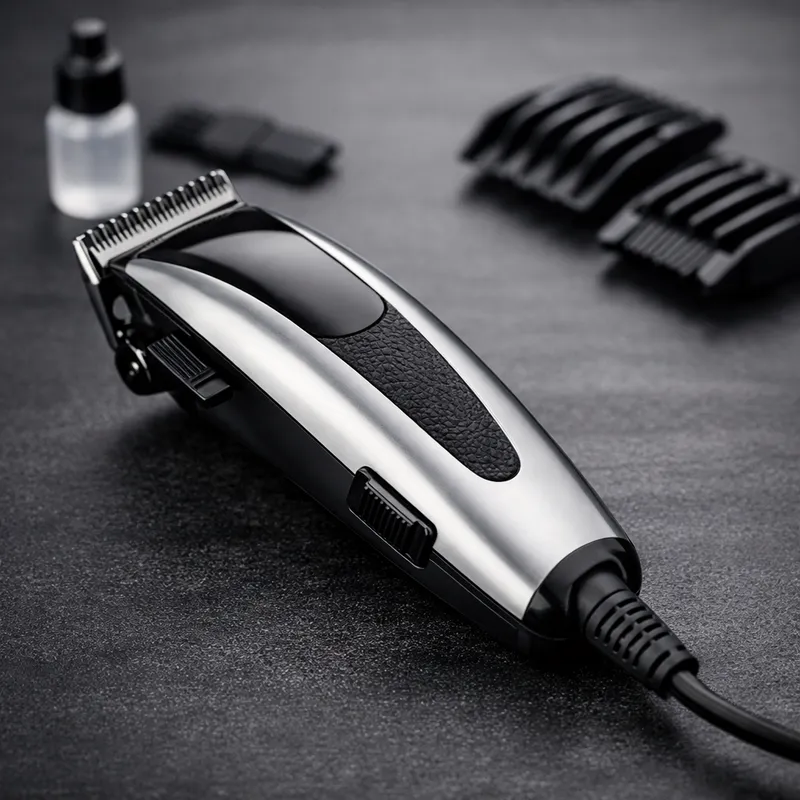
The “3 mistakes” that ruin most home lineups
- Chasing perfection: every extra pass increases irritation and pushes lines back.
- Pressing hard: pressure creates unevenness and bumps—especially on the neck.
- Skipping oiling: dry blades pull hair and run hot, which makes you press even harder.
If you only remember one thing: clean + oil the blade, then use light pressure. That alone upgrades your results.
Andis Trimmer Maintenance (Stop Tugging, Extend Blade Life)
Most trimmers don’t “suddenly get bad.” They get dirty, dry, or misaligned. The fix is usually simple—and it’s exactly what keeps barbers’ tools cutting clean day after day.
2-minute reset
- Brush out hair from the blade teeth.
- Wipe the blade surface (dry cloth).
- Add 1–2 drops of blade oil.
- Run the trimmer for a few seconds to distribute.
Deep clean
- Remove the blade carefully (if your model allows).
- Clean underneath and around the drive area.
- Check screws are snug (not over-tightened).
- Reinstall, oil, and test with light pressure.
Troubleshoot tugging
- Pulling hair: clean + oil first.
- Hot blade: stop, clean, oil, reduce pressure.
- Uneven cut: check blade alignment and fasteners.

Zero‑gapping: powerful, but not mandatory
“Zero‑gapping” means adjusting the blade so it cuts closer. It can produce sharper lines, but it also increases the chance of irritation or nicks if your skin is sensitive or your technique is heavy-handed.
- If you get bumps: don’t zero-gap aggressively. Prioritize comfort.
- If you want sharper lines: improve technique first, then adjust slowly if needed.
- Always: test on an easy area before edging your hairline.
Reality check: the sharpest setup is not always the best-looking if it leaves redness.
How to Avoid Fake Andis Trimmers (Quick Checklist)
Counterfeit grooming tools exist, and they can cut poorly, heat up fast, and fail early. This checklist reduces risk without paranoia.
Signs you’re buying legit
- Sold by a reputable retailer or clearly established seller.
- Professional packaging and clear documentation.
- Consistent build quality: no rattles, no loose fit, no rough edges.
- Normal sound/heat levels for the first few uses.
Red flags
- Suspiciously low price compared to normal market.
- Missing paperwork or generic packaging.
- Spelling errors, odd labeling, or mismatched accessories.
- Immediately painful pull, extreme heat, or harsh vibration.
Interactive Tools: Find Your Best Andis Trimmer + Build a Maintenance Plan
These micro-tools are designed for one purpose: helping you choose a trimmer that matches your needs and keeps cutting clean. They don’t collect data and they don’t use forms—everything runs in your browser.
Andis Trimmer Finder (30 seconds)
Result: Choose options above, then click “Get My Recommendation.”
Tip: if you get bumps, comfort beats “closer” every time.
Maintenance Planner (Stops Tugging)
Plan: Enter your weekly uses, then click “Build My Plan.”
This planner focuses on the habits that matter: clean, oil, and reduce heat.
A simple upgrade path (if you want the full setup)
If you’re building a routine that consistently looks sharp, here’s the most effective order to upgrade: (1) trimmer for edges → (2) clippers for bulk → (3) shaver for polish (optional). That order gives you the biggest visual improvement per dollar.
FAQs About Andis Trimmers
These answers are written for real users (and structured to work well for SEO). If you’re trying to decide quickly, start with the first two.
What is the best Andis cordless trimmer for most men?
For most men who want cleaner lineups and sharp beard edges, a lineup-focused cordless option (like the Andis GTX‑EXO category) is the best starting point. It’s built for precision, not bulk cutting—so it gives the “finished” look faster.
Are Andis trimmers good for beard shaping?
Yes. Andis trimmers are commonly used to outline cheek lines, define necklines, and clean up the perimeter. The key is technique: light pressure, short passes, and a clean/oiled blade to reduce pulling and irritation.
Do I need clippers or just a trimmer?
If you cut bulk hair (buzz cuts, guard lengths, fades), you need clippers. Trimmers are for edges and detail. Many at-home routines work best with both: clippers for the haircut, trimmer for the finish.
Why does my trimmer pull hair or feel weak?
Pulling is usually caused by a dirty blade, a dry blade, or blade alignment issues—not “weak power.” Clean the blade, oil it, and check that the blade is properly installed and tightened.
Should I zero‑gap an Andis trimmer?
Only if you understand the tradeoff. Zero‑gapping can cut closer, but it increases the risk of irritation and nicks. If you get bumps, focus on comfort and technique first.
How do I avoid razor bumps on my neckline?
Use light pressure, avoid repeated passes on the same spot, keep blades clean and oiled, and don’t chase “closest possible.” Often, a slightly softer finish looks better than irritated skin.
Which Andis trimmer is best for quick touchups and travel?
A lightweight detail trimmer (like Slimline-style models) is typically easiest for travel and simple upkeep. They’re comfortable to hold and ideal for neckline and sideburn cleanups.
Are corded Andis trimmers still worth it?
Yes—if you want plug-in consistency and don’t want battery management. Corded classics like the T‑Outliner category remain popular for outlining and finishing.
How often should I oil my trimmer blade?
Ideally after every use. Oiling reduces friction and heat, improves comfort on the skin, and helps the blade cut more smoothly.
A Simple Goal: Look Sharper With Less Effort
The real value of the right trimmer is consistency. When edging becomes quick and comfortable, you do it more often— and your haircut (and beard) looks intentional every day, not just right after a barbershop visit.
If you want help choosing between two options, use the finder above—or go straight to your contact flow and tell us: hairline, beard, neckline, and skin sensitivity.
