
Clippers & Trimmers • Decision Guide + Tools
Choose the Right Andis Clippers Set (and avoid the “almost-right kit” mistake)
Searching for an Andis clippers set usually means one thing: you want a clean haircut at home (or faster maintenance between barber visits) without wasting money on a kit that can’t finish the job. This page is built to make your choice obvious: pick the kit type that matches your goal, then use a simple workflow that produces consistent results.
-
A kit decision in under 60 seconds
Use the Kit Builder to match your goal (buzz, taper, fade, lineup, bald finish) to the correct setup. -
A guard-length plan that prevents “oops too short”
Plan your steps before you cut. Start longer, reduce gradually, finish clean. -
A maintenance routine that keeps blades cutting sharp
Most “bad clipper” experiences are actually cleaning, oiling, or alignment issues.
Quick Picks
Pick the right Andis clippers set type first (then choose the exact kit)
Most competitor pages throw product lists at you. That’s not what you need at decision time. You need the right kit type for your goal—because the wrong type creates the same pain every time: missing guards, weak finishing, uneven blends, or edges that never look “barber-clean.”
Clipper + Guards Starter
Best if you mainly do buzz cuts or one-length maintenance. Simple, fast, and beginner-friendly.
- Prioritize stable guards (tight fit)
- Start longer than you think
- Add a trimmer later if edges matter
Clipper + Trimmer Combo
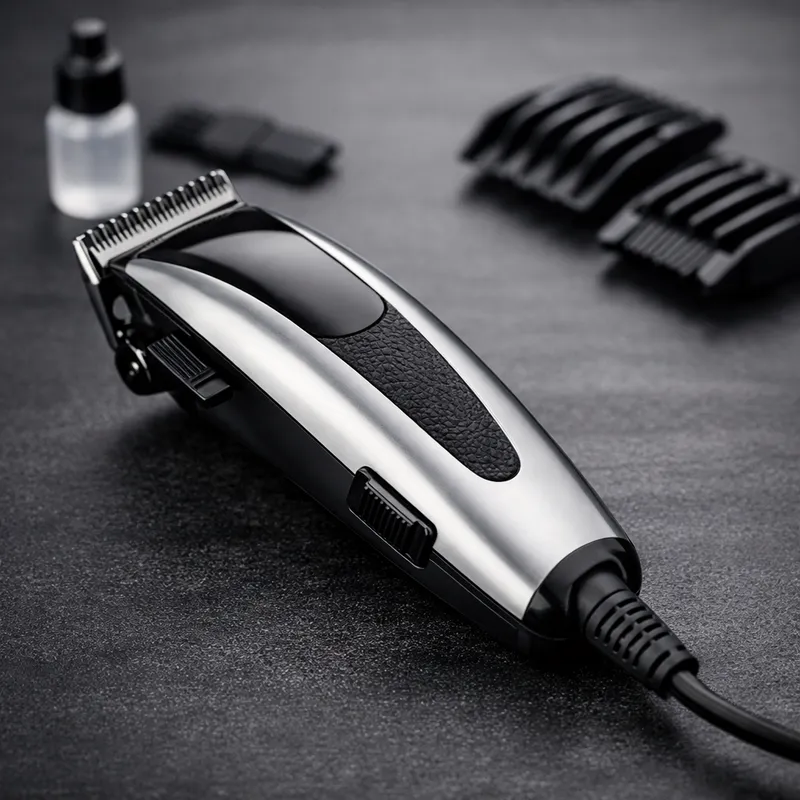
This is the classic Andis barber clippers set setup: bulk + blend with the clipper, then finish sharp with the trimmer.
- Better hairlines, necklines, sideburns
- More “fresh cut” look at home
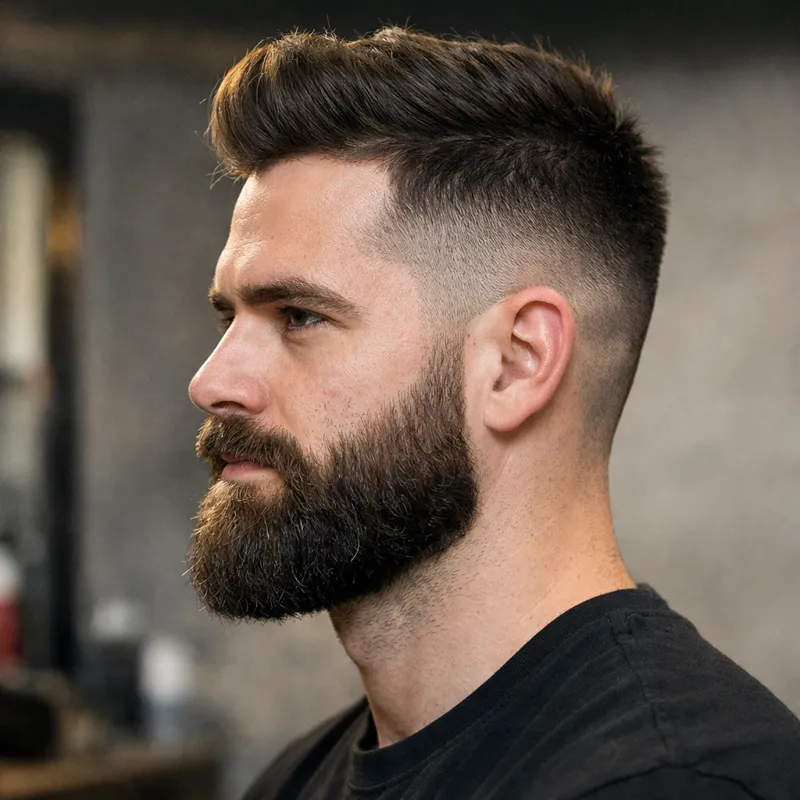
- Ideal for tapers and fades
+ Foil Shaver Finish
If you want that smoother skin-finish look (bald maintenance or skin fades), a foil shaver is the final step.
- Best for skin fades & bald upkeep
- Used after clipper work (finisher)
- Minimizes “shadow” on close areas
Finishing Upgrade
Already own a clipper? Upgrade the finish: add a serious trimmer (and optionally a foil shaver) for sharper results.
- Fastest visual improvement
- Sharper beard & neckline edges
- Great for maintenance routines
Interactive Tool
The Andis Kit Builder (no guessing, no hype)
This tool doesn’t try to sell you “the best kit.” It gives you something more valuable: a clear kit profile you can use anywhere—online or in-store—to choose the right Andis clippers set for your goal. If you only take one thing from this page, take this: the kit type matters more than the box art.
Build your kit profile
Choose your goal first. Then your hair type and usage. Your plan appears instantly on the right.
Your kit profile
Updated automatically based on your choices.
Select a main goal above to generate your plan.
Why this approach converts better (and cuts better)
A lot of pages try to win with bigger lists. The problem is that lists don’t stop mistakes. A “top 10 kits” article can still push you into a kit that’s missing the one thing you actually need: a finishing tool for edges, the right guard range, or the right power style for your routine.
That’s why this page is built around a decision system: Goal → Kit type → Guard plan → Workflow → Maintenance. When those five pieces match, you get more consistent results and you use the kit more often (which is the real ROI).

Kit Basics
What a complete Andis clippers set should include (so it’s actually useful)
A complete Andis clippers set is not defined by how many “pieces” are in the box. It’s defined by whether it covers the full haircut cycle without forcing extra purchases the first week.
Here’s the practical definition of a complete kit—built around results, not marketing:
- Clipper (core tool): removes bulk, handles guard lengths, and does most of the blending.
- Guard system (your length control): the sizes you actually need for your haircut style.
- Trimmer (your finishing tool): necklines, around ears, sideburns, beard lines, and detail work.
- Maintenance basics: cleaning brush and oil (plus safe storage so it doesn’t get destroyed in a drawer).
Optional—but powerful if it matches your goal:
- Foil shaver: for a smoother bald finish or skin-fade finishing work.
- Scissors: if you keep the top longer than guards handle cleanly.
- Fade-friendly guard steps: smaller increments help you blend without leaving lines.

Best Kit Types by Goal
Which Andis hair clipper set is right for you?
Instead of drowning you in model numbers, this section focuses on what actually drives satisfaction: matching the kit type to the result you want. When you get this right, everything gets easier—blending, edging, upkeep, and consistency.
| Kit type | Best for | Why it works | What to check before buying |
|---|---|---|---|
| Clipper + Guards | Buzz cuts, simple trims, beginners | Fast length control and low complexity | Guard stability, guard range, comfort in hand |
| Clipper + Trimmer | Tapers, fades, clean necklines, beard lines | Creates a real workflow: cut + finish | Trimmer quality, blade feel, useful guards |
| Clipper + Trimmer + Foil Shaver | Skin fades, bald maintenance, ultra-clean finish | Finisher tool removes “shadow” on close areas | Shaver used last, sensitive skin routine |
| Finishing upgrade | Already own a clipper and want better results fast | Edges and finish change the whole look | Compatibility with your routine + cleaning |
How to choose without overthinking
Use this simple rule: If your haircut needs sharp edges, you need a trimmer. That’s why the “clipper + trimmer” configuration is the most satisfying Andis barber clippers set for most people.
Then ask one more question: do you want a smoother bald finish? If yes, add a foil shaver as the last step. If not, the clipper + trimmer combo is usually plenty.
The final piece is guards: not “how many,” but which sizes you’ll actually use. A kit can have 20 pieces and still not include the lengths you need for your style.
Buying Checklist
The No‑Waste Checklist (avoid regret buys)
Use this checklist before you buy any Andis clippers set. It protects you from the most common traps: kits that look complete but can’t finish a haircut, guard ranges that don’t match real styles, and deals that come from questionable sellers.
Non‑negotiables
- Guard stability: guards must snap on firmly and stay firm while you cut.
- Useful guard range: you need the sizes that match your haircut plan—not random extras.
- Finishing tool (if you care about edges): a real trimmer changes the final look.
- Comfort + control: if it’s awkward in your hand, you’ll rush (and mistakes happen fast).
- Maintenance reality: if it’s annoying to clean, it won’t get cleaned—and performance drops.
- Trusted source: avoid sketchy listings and “too-good-to-be-true” bundles.
Copy the checklist into your notes and compare it against any kit listing. If a listing doesn’t clearly support the checklist, skip it.
- Case or storage (organization increases actual use)
- Extra blending steps (useful for fades)
- Scissors (if you keep the top longer)
- Backup guards (if you lose things easily)
Don’t pay extra for “more pieces” unless those pieces solve a real problem for your haircut goal.
Power Choice
Corded vs cordless: choose based on your real routine
People argue about corded versus cordless like it’s a personality test. It’s simpler than that: choose the option you’ll actually use consistently. Consistency beats “perfect specs.”
Cordless is best if…
- You cut your own hair (mobility matters)
- You do fades and need better angles
- You travel or move between rooms
- You want quick maintenance without setup friction
Cordless wins on convenience, which often means more frequent maintenance—and better-looking hair overall.
Corded is best if…
- You hate charging and battery management
- You cut long sessions or multiple people
- You want “plug in and go” reliability
- You keep the same routine and setup spot
Corded wins on predictability. Predictability makes your results more consistent over time.
Interactive Tool
Guard Planner: a safer way to plan your cut
A guard plan is how you stop “random cutting” and start getting repeatable results. You don’t need barber-level technique to look good—you need a sequence you can follow. Use this planner to create a starting point, then adjust one step at a time.
Create a guard plan
This is a practical starting plan, not a rigid rule. Start longer, then reduce gradually.
Your starting plan
Use it as a map, not a dare.
Your plan will appear here automatically.
Method
How to use an Andis barber clippers set for cleaner results
The fastest way to improve your results is not buying another kit. It’s using a repeatable workflow. This is the workflow barbers follow because it keeps decisions simple: bulk → blend → edge → finish.
Start longer than you think
Your first guard is not your final guard. Start conservative, then shorten in small steps. This single habit eliminates most disasters.
Bulk first (clipper)
Remove bulk on the sides and back before you chase perfection. Clean bulk work makes blending easier and faster.
Blend second (guard steps)
Blend in controlled steps—especially around the “line” where two lengths meet. If you see a harsh line, you need another step (not more pressure).
Edge third (trimmer)
Neckline, around ears, sideburns, beard line. This is where a true clipper + trimmer kit earns its value.
Optional final step: “finish” (foil shaver)
If your goal is a smoother bald finish or skin-fade polish, use a foil shaver only at the end. Think of it like “polishing,” not cutting. If you use it too early, you’ll create patchiness and irritation.
Maintenance
Maintenance Planner: keep your kit cutting clean
Many “bad kit” reviews are really maintenance failures: hair packed into blades, dry cutting surfaces, or neglected cleaning. Use this planner to generate a routine you’ll actually follow. Simple beats perfect.
Generate a maintenance routine
Follow manufacturer guidance for your specific tools. This is a practical habit plan, not a product manual.
Your routine
Designed to be realistic.
Your routine will appear here automatically.
Buy Smarter
Avoid fakes and “too-good-to-be-true” bundles
If the price looks unreal, assume the risk is real. With grooming tools, counterfeits and shady bundles create the same symptoms: inconsistent cutting, poor finishing, and early failure. You don’t want to learn this the hard way.
Safe-buying habits that actually help
- Prefer reputable retailers and listings with clear packaging and contents.
- Verify what’s included (guards, trimmer, accessories). Never assume.
- Be cautious with “mega bundles” that include unrelated accessories.
- Keep your proof of purchase for warranty and support.
If you’re serious about getting a good result, treat your purchase like you would a tool—not a gadget.
Common red flags
- Vague “kit” descriptions with missing guard sizes
- Stock photos only, no clear contents
- Inconsistent brand naming or packaging details
- Prices that are far below normal without explanation
A good deal is a good deal. A suspicious deal is a time-waster that makes you blame the kit when the problem was the seller.
Need a quick recommendation for your exact goal?
If you want a faster decision, use the Kit Builder and Guard Planner above, then save the plan. When you shop, compare the plan against the kit listing. If it matches, it’s a good candidate.
FAQs
Andis clippers set FAQs
These answers are written for real buyers and real at-home cuts—so you can decide fast and avoid mistakes.
What’s the difference between a clipper, a trimmer, and a foil shaver?
A clipper is for bulk cutting and blending with guards. A trimmer is for sharp detailing: necklines, around the ears, sideburns, and beard lines. A foil shaver is a finisher used at the end to smooth very short areas (bald upkeep or skin-fade finish).
What should a complete Andis hair clipper set include for home use?
At minimum: a solid clipper, a guard range that matches your style, and basic maintenance items. If you care about clean edges, choose a kit that includes a real trimmer—finishing is what makes it look fresh.
Are Andis barber clippers sets good for fades?
Yes—if your kit supports controlled blending and you follow a guard plan. Fades aren’t about speed; they’re about small steps. Start longer, set your boundary conservatively, and blend gradually. Finish with a trimmer for the neckline and around the ears.
How many guards do I actually need?
You need the guards that match your haircut plan. For many short cuts, a practical range covers the “short to medium” zone plus extra steps for blending. If you keep the top long, guards alone often won’t look as clean as scissors.
Why do clippers pull hair, and what’s the best fix?
Pulling is usually caused by buildup, lack of maintenance, or pushing too hard. Stop, clean the cutting area, follow a sensible routine, and cut in controlled passes. Forcing it makes results worse and increases irritation risk.
Can I use the same kit for hair and beard?
Often yes—especially if your kit includes a trimmer for lines and detail work. Use guards for beard length consistency and the trimmer for sharp edges. Keep maintenance consistent so performance stays predictable.
Corded vs cordless: what’s better for beginners?
Beginners usually do better with whatever reduces friction. If setup is your enemy, cordless helps you maintain more often. If you hate charging, corded is less annoying. The best option is the one you’ll use consistently.
What’s the fastest way to improve the look of an at-home cut?
Finish clean: neckline, around ears, sideburn symmetry, and beard line (if you have one). A clipper removes hair; a trimmer makes it look intentional. The “fresh cut” look is finishing.
Before you buy any Andis clippers set
If you want a fast, confident decision, do this in order:
- Pick a goal (buzz, fade, maintenance, lineup, bald finish).
- Choose the kit type that matches the goal (not the other way around).
- Plan your guard steps before turning the clipper on.
- Use a finishing tool if you want a sharp look.
- Maintain the kit so performance stays consistent.
This page is informational and independent. Andis® is a trademark of its respective owner.