
Clippers & Trimmers Updated January 2026
Choose the Best Remington Beard Trimmer for Your Beard (Then Trim It Like a Barber)
A Remington beard trimmer can be a smart buy if you match the model to your goal. Most people don’t fail because they “can’t trim a beard” — they fail because they pick the wrong style of trimmer for their routine (precision vs speed, mess-free vs simple, kit vs single-purpose), then trim in the wrong order.
This page is built to solve the full search intent behind “remington beard trimmer” (and even the messy searches like “remington trimmer beard” or “remington beard clippers”): pick the right tool, get a clean neckline, and keep your length consistent week after week.
-
Use the 60‑second Trimmer Finder to get a recommendation based on your beard length, priorities, and sensitivity.No guessing, no scrolling through random lists.
-
Follow the Barber Method (bulk → set length → neckline → cheek line → detail).It’s designed to prevent patchy trims and “too‑high neckline” mistakes.
-
Maintain performance with a simple schedule (cleaning, battery care, blade hygiene).Most “bad trimmer” problems are maintenance problems.
Tip: If you’re short on time, bookmark this page and reuse the tools before each trim. Consistency is what makes a beard look “professional.”
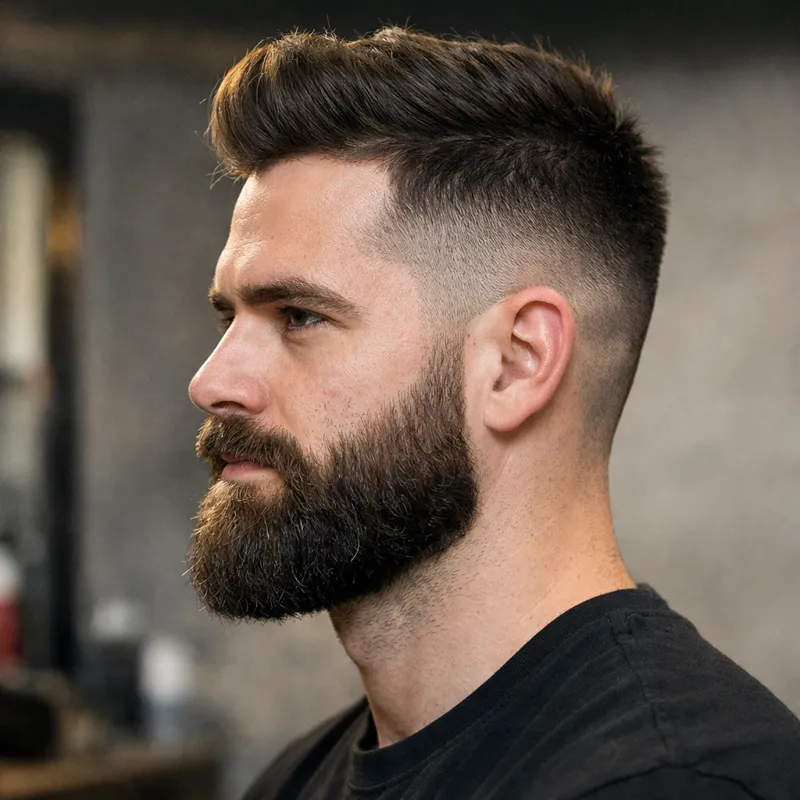
How this guide helps you buy better
- Model-first approach: precision, vacuum, budget, or kit — based on your routine.
- Technique-focused: the trimming steps matter more than the brand name.
- Built for conversion: clear next actions, without interrupting your reading.
Remington Beard Trimmer Finder (60‑Second Tool)
Most “best trimmer” pages give you a list and leave you alone. This tool does the opposite: it matches you to a type of Remington beard trimmer based on how you actually groom — beard length, your tolerance for cleanup, whether you need a kit, and whether you’re prone to irritation.
This changes the priority: micro-precision vs stable guards vs motor strength.
Your “one thing” should drive the decision more than model hype.
We’ll adjust technique recommendations, not just the product type.
Choose your answers and click Get my recommendation. You’ll get a clear “best fit” trimmer type, what to look for, and the fastest path to a clean result.
Conversion tip (without interrupting your reading): If you want a plug-and-play routine, grab the free checklist and keep it on your phone. It’s designed to prevent the most common beard trimming mistakes (uneven cheeks, too-high neckline, and over-trimming the moustache).
Top Remington Beard Trimmer Picks (by goal)
Instead of dumping a long list, these are the four “most common buyer lanes.” Pick the lane that matches your daily reality — that’s how you buy a trimmer you’ll actually keep using.

Best for precision + repeatable length
Look for smart/digital Remington beard trimmers (fine increments, consistent settings).
If you care about the beard looking identical every week, prioritize fine length increments and a stable guard system. This is how you avoid the “it was perfect last week… why is it shorter now?” problem.
Barber note: Precision models shine when you do a simple 3‑length fade (short near sideburns, medium upper beard, longest on the jaw/chin).
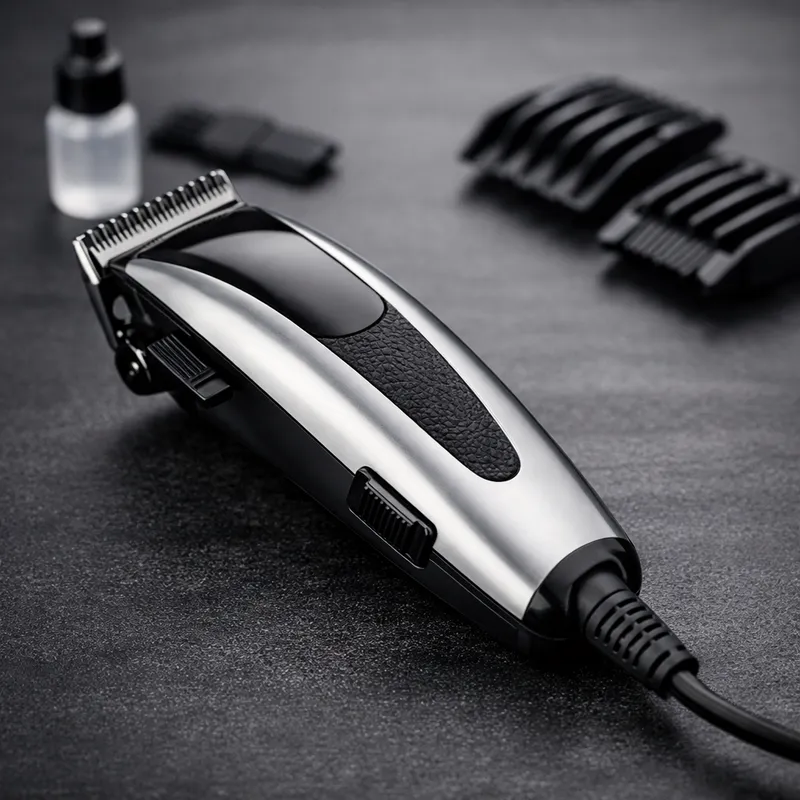
Best for less sink mess
Vacuum-style Remington trimmers help catch cut hair as you trim.
If cleanup is what makes you postpone trimming, a vacuum-style trimmer can be the difference between “I’ll do it later” and “done in 6 minutes.” You still need to clean the chamber, but the sink won’t look like a crime scene.
Barber note: For thick beards, go slower and overlap passes. Speed causes tugging more than the brand does.

Best budget option (simple and reliable)
Basic Remington beard trimmers deliver strong value when you keep the routine simple.
If you just want a clean beard without paying for tech features, go simple. The “best” budget trimmer is the one you can use quickly, without constantly changing attachments or guessing settings.
Barber note: Budget trimmers look premium when you keep a natural cheek line and set a neckline that’s not too high.

Best for an all‑in‑one grooming kit
Kits help if you also want moustache detail, edging, and quick cleanup.
If your goal is “one device that handles beard, moustache, and edges,” a kit is usually the right call. Kits are also great if you travel: you’re less likely to get stuck without the one attachment you need.
Barber note: If you want a sharper look, use the detail tool only at the end. Don’t start with it — that’s how people accidentally remove shape.
Buying clarity: If your beard is long (18mm+), a beard trimmer is usually for shaping and keeping lines clean. For heavy bulk reduction, you may need stronger clipper-style power with longer guards. That’s not a brand issue — it’s a tool category issue.
Remington Beard Trimmer Comparison Table (Practical, Not Hype)
Model names and specs can vary by country and retailer. This table gives you the typical positioning of popular Remington lines so you can pick the right lane fast — then confirm the exact details for your model number before buying.
| Remington line / model examples | Best for | Typical length range | Why people choose it | Good to know |
|---|---|---|---|---|
| Smart / TouchTech e.g., MB4700 series |
Precision and repeatability | ~0.4–18mm (fine increments) | Consistent results, easy length control, great for fades | Premium vs basic; confirm features by region |
| Style Series e.g., MB5000 series |
Everyday beard maintenance | ~0.4–18mm | Balanced option: solid control without heavy “smart” features | Not as micro‑fine as smart models |
| Vacuum trimmer e.g., MB6850 / MB6500 |
Cleaner trimming routine | ~2–18mm | Less sink mess; fast weekly trims | Chamber/filter still needs cleaning |
| Budget dial trimmer e.g., MB320C class |
Simple, reliable basics | ~1.5–18mm | Good value; easy controls; “just works” | Less premium feel; fewer fine steps |
| Grooming kit e.g., MB7050 / “Works” kits |
Beard + moustache + edging | Varies (often up to ~25mm with combs) | Versatility; multiple attachments for detail work | More pieces to store and clean |
What this means in real life: if you want “the beard looks the same every time,” choose a precision lane. If you want “I’ll actually trim weekly,” choose the lane that removes friction (vacuum or simple controls).
How to Choose a Remington Beard Trimmer (Buying Checklist)
If you buy based on a single feature, you’ll usually regret it. Buy based on your routine. A “perfect” trimmer that’s annoying to use becomes a drawer trimmer. A “good” trimmer that fits your routine becomes a habit — and habits create the best-looking beards.
1) Start with your target beard length
Beard length controls everything: which guard system matters, how much motor strength you need, and whether you should think “trimmer” or “clipper-style power.”
Stubble (0.4–5mm): Fine length increments matter because 1mm is a big visual difference.
Short beard (6–12mm): Guard stability matters; you want consistent glide without skipping.
Medium beard (13–18mm): You need stable combs and slower, overlapping passes.
Long beard (18mm+): You mainly need shaping + line work. Bulk reduction might require stronger clipper power.
2) Decide what “friction” you want to remove
The best trimmer is often the one that removes the thing that makes you procrastinate.
If you hate cleanup, choose a vacuum lane. If you hate fiddling with attachments, choose a simple lane. If you hate inconsistent results, choose a precision lane.
3) Prioritize these features (in order)
This is a practical order that aligns with how beards actually look after 4–8 weeks of trimming.
- Length control you trust: fine increments for stubble/short beards; stable guards for medium beards.
- Comfort + glide: reduces tugging and irritation (especially on the neck).
- Cleaning simplicity: washable parts or easy access to the blade area.
- Battery reality: enough runtime for your routine, plus corded backup if you’re the “forgot to charge” type.
- Detail capability: a detailer/edger is what makes a beard look intentional, not accidental.
Fast buying rule: If you want a beard that looks sharp in photos, pay attention to edges (neckline + cheek line) and consistency (same length each time). A Remington beard trimmer can do both — if you pick the right lane.
How to Trim Your Beard With a Remington Beard Trimmer (Barber Method)
The trick is not “press harder” or “buy a sharper blade.” The trick is sequence. When you trim in the wrong order, you create patchiness, over-correct, and end up shorter than you planned. When you trim in the right order, even a basic trimmer can produce clean, consistent results.
-
Prep: start dry, combed, and in good light
Dry trimming gives you honest length. Wash, dry fully, then comb your beard down and outward. If your beard is curly or wavy, combing first prevents you from accidentally trimming “hidden” length.
Sensitive skin? Keep pressure light and use a guard for most passes. Skin irritation usually comes from overworking the same area.
-
Start longer than you think (you can always go shorter)
Set a “safe length” first. If you want 6mm, start at 8–10mm for the first pass. This prevents the classic mistake: trimming too short, then chasing symmetry until you erase shape.
-
Bulk pass: with the grain (remove weight without creating patches)
Trim cheeks, jaw, and chin with the grain. Use slow, overlapping passes. This step removes bulk and sets you up for a smoother finish without snagging.
-
Set the final length: light passes against the grain
Now do a lighter pass against the grain to catch strays and even everything out. Don’t press hard — let the trimmer do the work.
-
Neckline: the fastest way to look sharper instantly
The easiest neckline rule is simple: place two fingers above your Adam’s apple. That point is your baseline. Shape a soft U from behind one jaw corner to the other. Avoid setting the neckline too high — it makes the beard look smaller and less natural.
If you’re prone to ingrowns, avoid ultra-sharp, high necklines. Keep it slightly lower and more natural.
-
Cheek line: keep it natural, clean the obvious strays
Don’t “draw a new cheek line” unless that’s your style. Clean the hairs clearly above your natural line. A natural cheek line looks confident. An over-sculpted cheek line often looks accidental after a few days of growth.
-
Optional: add a simple 3‑length fade (instant upgrade)
Use three lengths: short near sideburns, medium on upper beard, longest on jaw/chin. This creates structure and makes the beard look intentionally shaped.
-
Moustache + detail work: last step only
Trim the moustache so it doesn’t cover your lip. Then do minimal edge cleanup. Detail tools are powerful — use them at the end to avoid removing shape early.
-
Finish: brush, hydrate, and clean the tool
Comb once more, apply a small amount of beard oil or balm, and clean the trimmer head. This is how you keep performance consistent and prevent tugging.
Most common mistake: trimming the neckline too high, then trimming the cheeks too low to “match.” The fix is simple: set the neckline correctly first, then keep the cheek line natural.
Beard Tools: Length Planner, Neckline Guide & Maintenance Scheduler
These tools are designed to give you something most product pages never do: a repeatable system. Use them before you trim, then repeat the same plan every week. That’s how your beard starts looking “effortless.”
Tool 1: Guard Length Planner (reduce mistakes before they happen)
Set your current length, your target length, and whether you want a fade. The tool will generate a safe trimming plan. This is especially useful if you’ve ever trimmed too short and had to “wait it out.”
If you’re unsure, estimate. The plan uses safe buffers.
Typical beard trimmers cover up to ~18mm; kits may go higher.
Fades make beards look intentional, even when short.
Click Generate my plan to see your trimming steps and guard suggestions.
Tool 2: Neckline & Cheek Line Guide (natural vs sharp)
Your neckline is the fastest “looks better instantly” move. Choose a style and get an instruction set you can follow in the mirror.
If you get irritation, choose Natural or Defined.
Shorter beards usually look best with a slightly higher (but not high) neckline.
Over-sculpting often looks “off” after a few days of growth.
Click Generate my guide to get a neckline + cheek line plan you can follow instantly.
Tool 3: Maintenance Scheduler (keep your trimmer cutting clean)
If your Remington beard trimmer starts pulling hair, the fix is often cleaning and routine — not replacing the device. Use this scheduler to build a “minimum effective maintenance plan.”
More frequent trims need lighter cleaning, more consistently.
We tailor the plan so it stays realistic.
This adjusts the “don’t get caught dead battery” plan.
Click Build my schedule for a simple maintenance plan that prevents tugging and uneven trims.
Troubleshooting: Pulling, Patchy Results, Battery Problems
If your trimmer is “not cutting like it used to,” assume it’s a routine issue first. Most problems come from buildup, rushing passes, or trimming wet hair.
Problem: “My Remington beard trimmer pulls hair.”
Pulling usually means one of three things: the cutting area is clogged, your beard is tangled, or you’re moving too fast. Start with a full clean. Then trim on a dry, combed beard. Use slower passes and overlap slightly.
- Do this first: deep clean the head (especially where hair packs in).
- Then: reduce speed and pressure — tugging often comes from rushing, not from “weak motor.”
- If it continues: the blade may be worn; replacement blades (when available) can restore performance.
Problem: “It looks patchy after I trim.”
Patchiness is usually an order problem. If you go against the grain first, you can create uneven “bite marks.” Use the Barber Method: bulk pass with the grain, then a light pass against the grain.
- Check that your guard is fully seated and locked before every pass.
- Trim in sections (cheeks → jaw → chin) instead of randomly chasing strays.
- Finish with a comb pass to reveal missed hairs, then do one final light clean-up pass.
Problem: “Battery feels weak / dies mid-trim.”
Build a charging habit that matches your routine. If you trim weekly, charge the day before. If you trim frequently, top up after every second trim. If you’re forgetful, choose a cord/cordless pattern: keep the cord accessible so you never get stuck.
Shortcut: Use the Maintenance Scheduler in this guide. It’s designed to prevent the exact problems that make trimmers feel “bad.”
FAQs About Remington Beard Trimmers
These FAQs are written for real use cases: sensitive skin, stubble vs beard, vacuum vs non-vacuum, and how to avoid the most common trimming mistakes.
They can be, but technique matters more than brand. If you’re sensitive, avoid pressing hard, keep the blade area clean, and use a guard for most passes. Also avoid trimming wet hair, which can encourage over-trimming and irritation. If you’re prone to ingrowns, keep the neckline slightly more natural rather than aggressively sharp.
For stubble, prioritize fine length increments and easy repeatability. Small changes (like 1mm) can look dramatically different on stubble. A precision-focused Remington beard trimmer (often a smart/digital lane) makes it easier to keep the same look every week.
Vacuum-style trimmers can reduce sink mess by catching a lot of cut hair as you trim. They don’t remove cleaning completely — you still need to empty and clean the chamber — but they can reduce the friction that makes people skip trims.
Not immediately. First, deep clean the blade area and slow down your passes. Pulling is commonly caused by buildup and rushing. If a full clean and better technique don’t help, then consider replacing blades (if available for your model) or upgrading.
Dry trimming is the safest for consistent length because it shows you the real shape and prevents “shrinkage surprises.” If your trimmer is designed for wet use, you can trim wet — but if you’re chasing precision (especially on stubble), go dry.
A simple rule works for most guys: place two fingers above your Adam’s apple. That’s your baseline. Shape a soft U from behind one jaw corner to the other. The biggest mistake is going too high, which makes the beard look smaller and less natural.
Light cleaning after every trim is ideal. Deep clean weekly if you trim once or twice per week. If you trim frequently, keep it quick but consistent: remove hair buildup, keep the cutting area clear, and follow your model’s instructions for washing or oiling.
Most people say “beard clippers” when they mean “beard trimmer.” In practice: a trimmer is better for facial hair shaping, edges, and consistent beard length; clippers are stronger for bulk hair cutting and long-guard work. If your beard is very thick and long, you may use both: clippers for bulk, trimmer for lines and detail.
Yes — kits are built for that. The tradeoff is organization: more attachments means you need a simple routine and a place to store them. If you mainly maintain one beard length, a single-purpose trimmer can feel faster. If you want moustache detail and edging, kits make life easier.
Next Steps: Make This Your “Every Trim” Routine
If you want your beard to look sharp without overthinking it, do this: pick the right Remington beard trimmer lane, generate your guard plan, then repeat the same trimming order every week. That’s how your beard starts looking consistent in photos and in real life.
Optional disclosure: this page may include affiliate links on some sites. If you buy through them, the site may earn a commission at no extra cost to you.