
Andis Beard Trimmers: How to Choose the Right Tool (and Get Cleaner Results)
If you searched beard trimmer Andis, you’re usually trying to solve one of three problems: keeping an even length, getting sharper edges, or stopping your trimmer from pulling and irritating your skin. This page gives you a simple decision system (no fluff) and a barber-proof method you can follow at home.
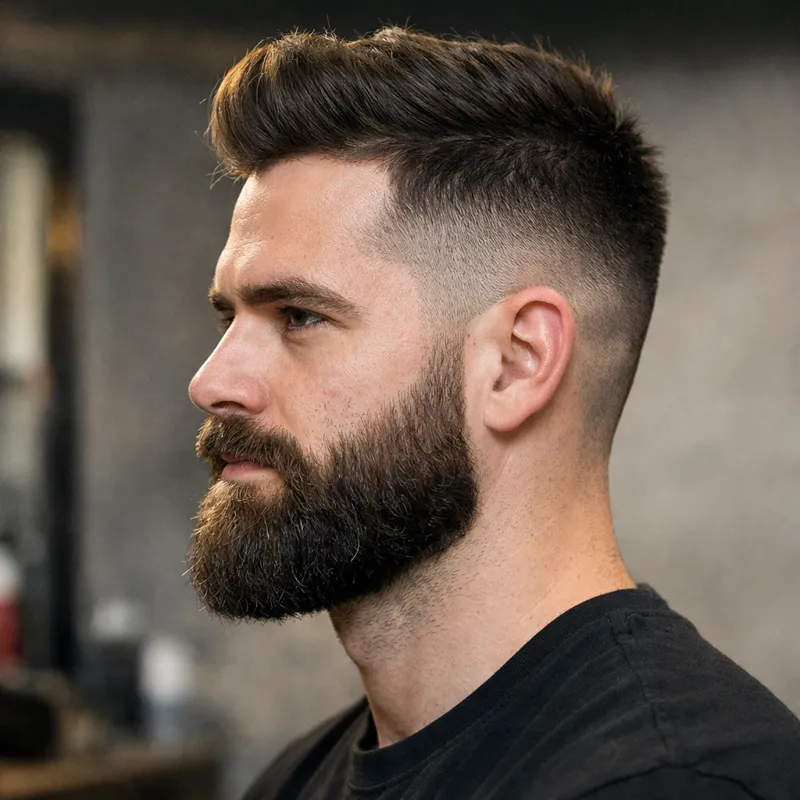
Best Andis Beard Trimmers (What to Choose Based on the Result You Want)
There isn’t one “best” beard trimmer Andis makes. There’s the best match for your goal: consistent length, sharper edges, or faster bulk reduction. Use the picks below as a shortcut—then use the decision system in the next section to confirm you’re in the right lane.
Explorer / Adjustable Beard Trimmer Lane
This is the best match if your priority is: keep the same beard length but make it look cleaner and more intentional. Think: short beard, medium beard, or “I want it even everywhere.”
- Best for: consistent length, fast maintenance, simple routine.
- Why it wins: length control beats “guessing” with freehand trimming.
- Watch for: if you want razor-sharp lines, you’ll still want a detail/outliner lane for the edges.
Tip: This lane pairs extremely well with a small detailer for cheek + neckline cleanup.
Outliner / Detail Trimmer Lane (Beard Lines + Neckline)
This is the lane for guys who want clean borders—cheek line, neckline, mustache edges—without turning the whole beard shorter. It’s also the lane that punishes heavy pressure, so method matters.
- Best for: lineups, sharp corners, tight neckline cleanup.
- Why it wins: easier angles and visibility than bulky trimmers.
- Watch for: bump-prone skin—avoid over-passing and don’t “scrape.”
If you’re also lining up your haircut, you’ll likely prefer the dedicated Andis trimmer lane described here: Andis Hair Trimmer Guide.
Andis Beard Clippers Lane (Long Beards + Thick Growth)
If your beard is longer and you want to remove bulk evenly, Andis beard clippers (with guards) often do the job faster and cleaner than a small trimmer. Then you finish edges with a trimmer.
- Best for: medium-to-long beards, thick coarse hair, big length changes.
- Why it wins: guards keep it even, fewer patchy areas.
- Watch for: clippers set length; they’re not the best tool for “tiny linework.”
If you want to understand guard lengths properly, use this: Clipper Guards Size Chart.
The “Barber Finish” Combo (Most Reliable)
The highest-confidence setup for most men is not one tool—it’s a two-tool workflow: length control first, then a detailer for edges. This prevents the most common mistake: chasing symmetry by trimming shorter and shorter.
- Best for: short-to-medium beards, defined but natural edges.
- Why it wins: length stays consistent; edges stay crisp.
- Watch for: don’t use the detailer to “fix” length mistakes—reset length first.
If you only want one tool, choose the lane that matches your main goal and accept the trade-offs.
Want the fastest upgrade with the least risk?
Get a pro beard shape-up once, then maintain it at home. A barber can set the proportions (jaw corners, neckline height, cheek line angle) in a way that’s hard to replicate DIY—especially if you’re aiming for defined lines.
Choose the Right Andis “Lane” (This Is What Changes Your Outcome)
Most buying guides overwhelm you with specs. Specs rarely fix the real problem. The outcome changes when you match the tool to the job. Use this lane system to pick correctly the first time.
| What you’re trying to achieve | Best lane | Why it works | Common mistake | Fast “do this” rule |
|---|---|---|---|---|
| Even length everywhere Short/medium beards, consistent look |
Length control trimmer | Dial/guard control keeps your beard even without “chasing” symmetry. | Freehanding and trimming shorter every pass. | Start longer than you think, then step down 1 level at a time. |
| Crisp cheek + neckline edges Defined lines, cleaner silhouette |
Outliner/detail trimmer | Better angles and visibility for borders and corners. | Pressing hard / too many passes → bumps and redness. | “Tap” your line with light pressure; one clean pass beats five. |
| Big length change / thick growth Long beard or heavy bulk |
Andis beard clippers + guards | Clippers remove bulk faster and more evenly on dense hair. | Trying to do bulk work with a small trimmer (patchy + slow). | Clip bulk first, then refine and edge with a trimmer. |
| Sensitive skin / bump-prone Clean but comfortable |
Comfort-first workflow | Technique and fewer passes matter more than closeness. | Chasing “razor-sharp” daily lines on irritated skin. | Go for “defined but natural,” and reduce frequency of edge-ups. |
Andis Beard Trimmer vs Andis Beard Clippers (When Each One Wins)
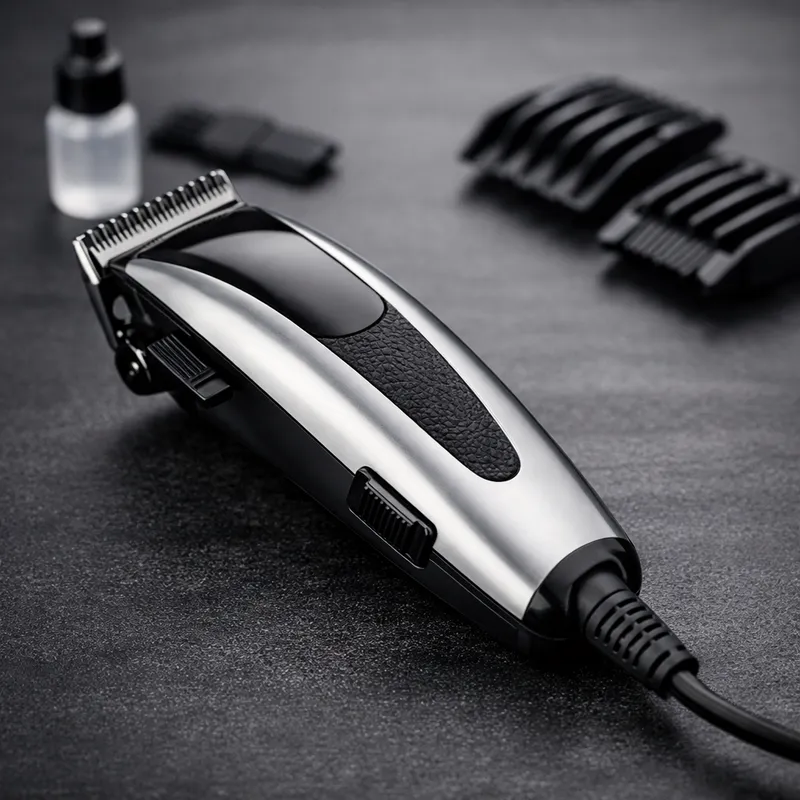
The keyword “Andis beard clippers” shows up for a reason: many men try to maintain a longer beard with a small trimmer and end up with uneven patches. Clippers are built for bulk reduction. Trimmers are built for detail and edges.
The simple rule
If you want a consistent longer length (especially above the “short beard” range), clippers with guards usually do it faster and more evenly. If you want clean lines and a neat silhouette, the beard trimmer Andis lane (length trimmer + detailer) gives you the cleanest finish.
- Choose a beard trimmer if you maintain stubble to short/medium length, and you want easy upkeep.
- Choose beard clippers if you have a longer beard, thick growth, or you want a big length change without patchiness.
- Best outcome is usually a combo: clippers (length) + trimmer (edges).
The 12-Minute Beard Trim Method (Works With Andis Trimmers)
A clean beard is not “shorter.” It’s even length, balanced proportions, and edges that look intentional. The method below prevents the two big DIY failures: (1) uneven sides, and (2) trimming shorter and shorter to “fix” mistakes.
Step-by-step (in the right order)
- Dry, brush, and detangle. Even if you showered, detangle first so your trimmer hits hair evenly.
- Set length first (largest area). Start longer than you think. Make one full pass per side, then reassess.
- Check symmetry from distance. Step back, look straight-on, then turn slightly (three-quarter view).
- Clean the cheek line. Decide: natural or defined. Only remove what’s clearly outside your intended line.
- Set the neckline. Don’t carve too high. A neckline that climbs shrinks your beard and can widen your face.
- Refine the mustache. Don’t “eat the lip.” Remove overhang gently and keep the center slightly fuller if needed.
- Detail the jaw corners. This is where beards look messy. Remove bulk carefully without thinning your beard out.
- Finish with a light edge pass. One clean pass beats repeated scraping.
- Aftercare. Rinse loose hairs, pat dry, then apply a small amount of conditioner or beard oil.

When scissors outperform a trimmer
If your beard is medium-to-long and you’re trying to keep fullness, trimming every hair to the same length can make it look thinner. Scissors let you remove only what breaks the silhouette. It’s slower—but the result looks more natural and more “expensive.”
If you want that approach, use this guide: Beard Trimming Shears (Scissor Method).
Neckline sanity rule (fast)
The most common beard mistake is setting the neckline too high. If you’re unsure, choose a more conservative neckline and refine later. You can always remove more. You can’t put it back.
Tools That Make Your Andis Beard Trim Easier (and Safer)
These are quick calculators built for this page. They don’t collect data, and there are no forms—just practical guidance so you can get better results with less trial and error.
Tool 1: Andis Beard Trimmer Lane Finder
Pick your situation and get a recommendation: the right lane, a safe starting approach, and a realistic upkeep schedule.
Your recommendation will appear here
Choose your options and click Get my recommendation. You’ll receive: the best lane, a safe trimming plan, and a realistic upkeep schedule.
Tool 2: Beard Trim Schedule Planner (Length + Finish)
Set your target length (in mm) and the finish you want. The tool outputs how often to trim length vs how often to touch up edges.
Your schedule will appear here
Tip: most guys wait too long, then try to fix everything at once. A simple schedule keeps your beard sharp with less work.
Stop Pulling, Snagging, and Irritation: The Maintenance Routine

Most “my Andis beard trimmer pulls” complaints come from one of these: packed hair in the blade, a dry blade, or too much pressure. Even a great trimmer feels bad when it’s dirty and dry.
The simple routine (after every use)
- Brush out the blade. Remove hair from teeth and guards.
- Oil the blade lightly. One or two drops is enough. Too much attracts hair.
- Wipe the housing. Keep the trimmer clean so grime doesn’t end up on your skin.
Weekly (or if performance drops)
- Deep clean. Remove guard, brush thoroughly, and clean gently.
- Check heat. Heat is usually “too much pressure” or “too many passes.”
- Replace worn parts. If it consistently tugs, blades may be dull or misaligned.
Andis Beard Trimmers FAQ
Fast answers first. If you want the deeper method, scroll back to the lane system and the step-by-step routine.
Which beard trimmer Andis makes is best for maintaining a short beard?
For most men maintaining a short beard, the best match is the length control lane: a trimmer that makes it easy to keep one consistent length without “freehanding.” If you also want sharper cheek and neckline edges, add a small detail/outliner trimmer for borders.
The mistake to avoid is using a detail trimmer as your main length tool. It can work, but it’s slower and increases the chance of uneven patches.
Are Andis beard clippers better than an Andis beard trimmer for long beards?
Often, yes—especially when the goal is even bulk reduction. Andis beard clippers with guards remove length faster and more consistently on dense, longer beards. Then you finish with a trimmer for cheek line and neckline edges.
If you don’t understand guard sizes well, use the chart here: Clipper Guards Size Chart.
How do I set a natural neckline with an Andis trimmer (without carving too high)?
The safest approach is conservative: start higher than your final line, then refine downward in small adjustments. A neckline that climbs too high makes the beard look smaller and can widen the face visually.
Best practice: define the center first, then mirror each side lightly. Use minimal pressure and avoid repeated scraping.
Why does my Andis beard trimmer pull hair?
Pulling is usually caused by a dirty or dry blade, too much pressure, or a blade that’s dull/misaligned. Start by brushing out hair, oiling lightly, and trimming with shorter, controlled passes.
If it still tugs after cleaning and oiling, it’s often a blade wear issue (or a technique issue—pressing harder makes pulling worse).
How often should I trim my beard to keep it looking sharp?
It depends on your length and how sharp you want the edges. Shorter beards and “defined” lines need more frequent touch-ups. Use the Schedule Planner tool on this page to get a realistic plan that matches your finish (natural vs sharp).
If you want the “done” look with minimal effort, get a pro shape-up once, then maintain between visits. Start here: Beard Trim Near Me.
Can I use an Andis lineup trimmer as my main beard trimmer?
You can, but it’s not the easiest route for most men. Lineup/detail trimmers are best at borders and precision. For overall length maintenance, a dedicated length-control trimmer (or clippers for longer beards) is faster and more consistent.
The most reliable setup is two tools: length first, edges second.
If you want guaranteed results fast
A trimmer is a skill tool. Skill beats specs. If you need a clean beard for an event, interviews, or photos, it’s smarter to get a pro trim today—then maintain it at home.