
Choose the Right Ball Trimmer (and Trim Safely) Without Overthinking It
A ball trimmer isn’t just “a smaller clipper.” Below the belt you’re dealing with sensitive, flexible skin, awkward angles, and hair that grows in every direction. The right pubic hair trimmer plus a simple routine is what separates a clean result from a week of irritation.
This page gives you a complete, practical playbook: what to look for in a groin trimmer, which features actually reduce nicks when you’re using a trimmer to shave balls, and the exact step-by-step method that keeps your trim comfortable and consistent.
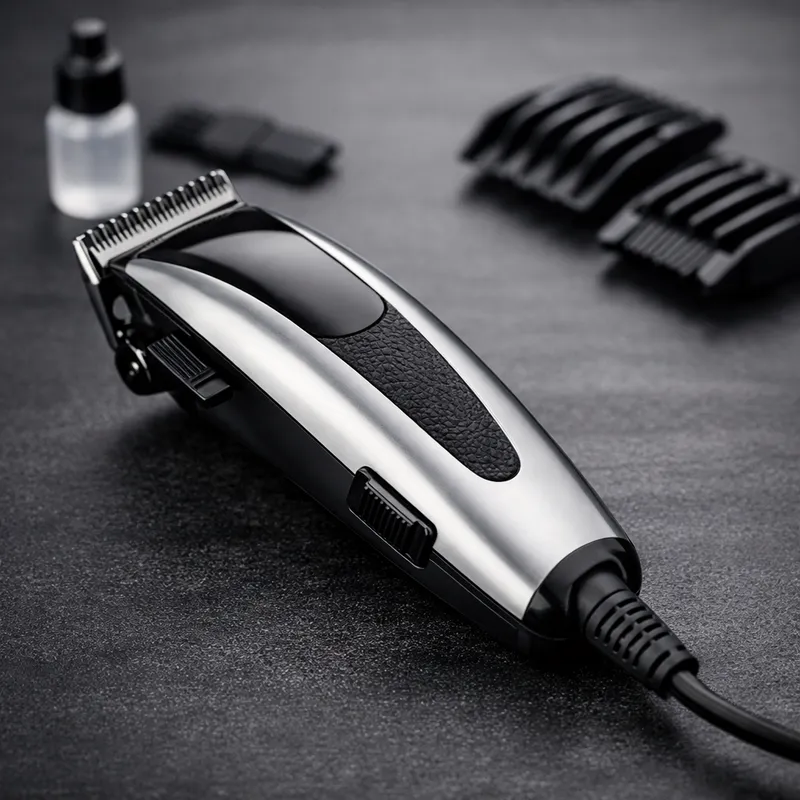
Start Here: What Actually Matters in a Ball Trimmer
If you only remember one thing: below-the-belt grooming is a guard-and-technique problem more than a “power” problem. Most people get irritation because they go too short, too fast, with the wrong angle—then repeat passes over the same skin until it’s angry.
A good intimate hair trimmer should help you do three things well: reduce bulk safely, control length precisely, and clean up quickly without turning your bathroom into a mess.
The 5 “non-negotiables” (especially for the pubic area)
- Guards that don’t pop off easily: your #1 defense against nicks. If the guard flexes or slips, your skin pays.
- Wet/dry capability (if you want it): shower trimming is convenient, but only if the trimmer is truly water-safe and easy to rinse.
- Head shape you can control: the best men’s groin trimmer is the one you can keep steady at awkward angles.
- Low snagging: snagging usually means too much pressure, wrong direction, or a dull blade—choose a trimmer known for smooth passes.
- Hygiene-friendly build: you want something you’ll actually clean (fast rinse, removable head, simple brush).
Ball Trimmer vs Body Trimmer vs Beard Trimmer
A “ball trimmer for men” is basically a body groomer optimized for sensitive skin and awkward contours. You can use a general body trimmer for the groin if it has the right guard and a head you can control. But using a beard trimmer downstairs is often a bad trade.
| Tool type | Best for | Typical downside |
|---|---|---|
| Ball / groin trimmer | Guarded trimming on sensitive skin | Close shaving still needs technique |
| Body groomer | Chest, underarms, legs, groin | Not all guards feel “safe” below the belt |
| Beard trimmer | Facial hair only | Not designed for loose skin; hygiene risk if shared |
Hygiene note: if you use one device for face and groin, you are increasing the odds of irritation and breakouts. If you want to keep it simple: keep separate heads/tools for upstairs and downstairs.

Trimmer Finder: Pick Your Goal, Get a Safer Recommendation
No forms. No email capture. Just a quick decision tool to help you choose the best approach (and the best type of trimmer) based on your goal, skin sensitivity, and where you trim. The result prioritizes reducing nicks and irritation.
Your safer recommendation
Choose a guarded trim and start longer than you think. This is the fastest path to a comfortable result.
Electric trimmer with stable guards
6–8 mm (then adjust)
Short strokes, light pressure, stretch skin
Follow the safe trim method
Guard Length Planner (quick reality check)
Most irritation comes from going too short too soon. Use this planner to choose a length you can maintain without regret.
At around 6 mm, you get a tidy, natural look with a lower risk of itch and bumps. Typical maintenance: every 10–14 days.
Copy‑Paste “No‑Nick” Checklist (for your next trim)
Save this in Notes. It’s the simplest way to avoid the common mistakes that cause snagging, cuts, and post-trim itching.
NO‑NICK BALL TRIM CHECKLIST
1) Start dry for visibility (you can rinse later).
2) Begin with a longer guard than you think (6–8 mm).
3) Use light pressure + short strokes.
4) Stretch skin with your free hand (don’t rush).
5) Trim with the grain first; only refine if needed.
6) Don’t chase perfectly smooth if you get bumps.
7) Rinse + pat dry (don’t scrub).
8) Apply a light, unscented moisturizer.
9) Wear breathable underwear for a few hours.
10) Clean the trimmer head before you put it away.
Top Ball Trimmer Picks (By Goal, Not Hype)
The “best ball trimmer” depends on what you’re trying to achieve. Some men want a simple tidy trim. Others want a short, neat finish. Some chase as close as possible—then wonder why their skin hates them. Use these picks as a starting point, and always confirm current features/specs on the product page (models change).
Premium all‑in‑one pick
Best if you want a controlled trim plus the option to finish closer.
- Good for men who want one device for “bulk reduction” and detail cleanup.
- Look for: stable guards, grippy handle, easy cleaning, a head that doesn’t tug.
- Ideal if you’re searching terms like ball trimmer for men or trimmer to shave balls and you care about control.
Beginner-friendly / sensitive skin pick
Best if you want a safer first experience (low drama).
- Prioritizes guarded trimming and irritation control over ultra-close results.
- Look for: protective comb design, gentle cutting, quick rinse cleanup.
- Strong match for queries like pubic area trimmer, intimate hair trimmer, and men’s pubic hair clippers.
Best “whole body + groin” option
Best if you want one tool for chest, underarms, legs, and groin.
- Useful if you maintain multiple zones and want consistency.
- Look for: wet/dry design, multiple comb lengths, easy grip at odd angles.
- Great if your search looks like groin trimmer for men and you also want body grooming.
Value pick (guard stability first)
Best if you want safety-leaning design without premium pricing.
- Choose value based on guard stability and comfort—not just “more blades.”
- Look for: sturdy guard, simple cleaning, decent battery, non-slip handle.
- Works well for “maintenance trims” and helps reduce nicks.
Ceramic-blade style option
Popular for men looking for “smooth passes” and simple guards.
- Often searched as Meridian trimmer / Meridian body hair trimmer.
- Good for tidy-to-short maintenance with a consistent routine.
- Best results come from: longer first pass, then refine gradually.
Travel / quick touch‑up pick
Best for quick cleanup, not for aggressive close shaving.
- Ideal when you want fast and simple maintenance.
- Look for: easy rinse, compact build, safe guard for sensitive zones.
- Great if you want a backup “electric pube trimmer” for trips.
Buyer Checklist: Features That Reduce Nicks and Irritation
Marketing words vary (a lot). These features are what actually matter when you’re buying a male pubic hair trimmer or hair trimmer for balls.
| Feature | Why it matters | What to look for |
|---|---|---|
| Guard quality | The guard is your safety layer on loose skin. | Firm click-on fit, doesn’t flex much, multiple lengths, easy to rinse hair out. |
| Head shape + visibility | Awkward angles are where mistakes happen. | A head you can keep flat; good control in-hand; no “blind” bulky corners. |
| Snag resistance | Snagging is the fastest path to a nick. | Clean cutting in one pass, minimal pulling, consistent performance. |
| Cleaning simplicity | Dirty blades increase irritation and breakouts. | Rinseable head, included brush, parts that don’t trap hair. |
| Wet/dry (optional) | Shower trimming is convenient, but only if the tool is built for it. | True water resistance + easy grip even when hands are wet. |
| Battery + charging | Dead trimmer mid-trim leads to rushed mistakes. | Reliable runtime and a charging setup you’ll actually use. |

The Safe Trim Method (10 Minutes): Fewer Nicks, Less Itch
This is the routine we recommend for most men using a pubic hair electric trimmer or ball hair clipper. It’s designed to work whether your goal is tidy, short, or close-ish, while keeping irritation low.
-
Prep like you mean it (2 minutes)
Start with clean skin. A quick warm shower helps soften hair and reduces the “dry snag” feeling. Dry off well before the first pass so you can see what you’re doing. If hair is long or tangled, gently separate it with your fingers before you start.
Why this matters: visibility + control reduces over-trimming and repeated passes, which are the usual triggers for redness.
-
Start longer than you think (the “regret prevention” step)
Use a longer guard for the first pass. For most guys, 6–8 mm is the sweet spot for a neat look that still feels natural. If you want shorter, you’ll get there—but earn it in stages.
The biggest mistake with a trimmer for shaving balls is jumping straight to “close.” Comfort comes from gradual refinement.
-
Use short strokes and almost no pressure
Think “paintbrush,” not “lawnmower.” Short strokes let the guard do its job. If you push hard, you compress skin into the cutting path. Keep the trimmer moving. Avoid repeated passes over the same spot unless you’re adjusting direction.
-
Stretch skin with your free hand
This is the difference-maker. When skin is loose, it can fold into the trimmer head. Use your free hand to keep skin taut, especially on the scrotum area. Go slowly. This is not the place to rush.
If you only fix one habit, fix this one. It’s how you reduce nicks even with a great men’s groin trimmer.
-
Trim with the grain first, then refine carefully
Start in the direction your hair grows. If you want a tighter finish, you can change direction after the first pass. But don’t aggressively go against the grain on sensitive skin—especially if you’re prone to bumps or ingrowns.
-
Choose “comfortable close” over “perfectly smooth”
If you get bumps, “perfectly smooth” is usually a trap. A short guarded trim looks clean, feels better, and causes fewer problems. Save the ultra-close finish for times when your skin is calm, and you’re willing to do aftercare properly.
Common Mistakes (and the fast fixes)
- Going too short too fast: start longer, reduce gradually.
- Pressing hard: lighten pressure; let the guard glide.
- Rushing the “hard angles”: slow down; reposition your body so you can see.
- Repeating passes: if it’s not cutting, your blade/guard angle is wrong—or the blade is dull.
- Skipping cleaning: clogged heads snag hair and irritate skin.
These fixes are why technique-first content beats “top 10 lists.” If your current trimmer is decent, technique can still double your comfort.
How Often Should You Trim?
Frequency is personal, but here’s a practical guideline based on comfort:
- 1–2 mm (very short): every 3–5 days (higher risk of itch/bumps).
- 3–5 mm (short & neat): every 7–10 days.
- 6–8 mm (tidy natural): every 10–14 days.
- 9–12 mm (light maintenance): as needed.
If you’re constantly irritated, trim less often or keep it a little longer. Your skin is giving you data—use it.

Aftercare That Prevents Itching, Redness, and Bumps
Most discomfort isn’t caused by the trimming itself—it’s caused by what happens next: friction, sweat, and irritated follicles. A 60‑second aftercare routine fixes most problems.
The simple aftercare routine
- Cool rinse to calm skin (optional but helpful).
- Pat dry (don’t scrub).
- Apply a light, unscented moisturizer (keep it simple; heavy fragrance is a common irritant).
- Wear breathable underwear for the next few hours (reduce friction).
When to avoid “close” trimming
- If you’re already irritated or recovering from bumps/ingrowns.
- If you’ve got a big event the same day and you usually react (trim 24–48 hours before).
- If your skin reacts to sweating or tight clothing (keep it slightly longer).
If you consistently get bumps, a short guarded trim is usually the best-looking and most comfortable outcome.
“I did everything right but I still itch” checklist
- You went too short: raise the guard length next time.
- Too many passes: slow down and change angle instead of repeating.
- Blade is dull or clogged: clean and replace parts when needed.
- Friction after trimming: breathable underwear and moisturizer matter.
- Product irritation: avoid strong fragrance and alcohol-heavy products on fresh-trim skin.

Cleaning Your Trimmer: The Hygiene Step Most Guys Skip
Cleaning isn’t optional. A dirty trimmer head increases snagging, spreads bacteria, and can make irritation worse. If you want your male ball trimmer to stay comfortable, treat cleaning as part of the trim.
Fast cleaning routine (under 60 seconds)
- Brush hair out of the head immediately after trimming.
- If your trimmer is rinse-safe: rinse the head and shake off water.
- Dry it (a quick towel pat is enough).
- Optional but smart: occasional disinfectant spray made for clippers.
Don’t share face + groin tools
If you’re using one tool for beard and pubic hair, you’re increasing the odds of breakouts and irritation. The simplest solution is also the cleanest: separate tools or separate heads.
Blade & guard maintenance
- Guards: rinse and dry so they don’t trap hair and oil residue.
- Blades: replace if you notice tugging, uneven cutting, or you need multiple passes.
- Storage: keep it dry—moisture + hair debris is the perfect combo for funky buildup.
If your “trimmer for pubic hair” used to feel smooth but now snags, it’s usually cleaning and blade condition—not your skin.
Related guide: Clippers & Trimmers hub
FAQs (Ball Trimmers, Pubic Trimming & Groin Grooming)
These are the questions men ask right before they buy a ball trimmer or change their routine. The answers are practical and technique-focused so you can avoid the usual mistakes.
What is the best ball trimmer for men?
“Best” depends on your goal. For most men, the best ball trimmer is an electric trimmer with stable guards, easy cleaning, and a head you can control at awkward angles. If you want low risk and low irritation, choose a guarded trim and start longer. If you chase an ultra-close finish, choose a trimmer designed for finishing and commit to aftercare.
How do I trim my balls without nicking myself?
Use a guard, go slow, use short strokes, and stretch the skin with your free hand. Start with a longer guard (often 6–8 mm), trim with the grain first, and only refine after you’ve reduced bulk. Nicks usually happen when you rush, press hard, or try to go too short in one pass.
Is it better to trim wet or dry?
For most guys, the safest first pass is dry because visibility is better and you can control your angle. If your trimmer is built for wet use, you can rinse or do a second pass in the shower—but don’t use wet trimming as an excuse to rush.
Can I use a beard trimmer for pubic hair?
You can, but it’s usually not worth the trade-offs. Beard trimmers aren’t designed for loose skin and sensitive contours, and sharing a tool between face and groin can increase hygiene issues. A dedicated pubic/groin trimmer (or a body groomer with the right guards) is the smarter choice.
What guard length should I use for a neat look?
A neat, natural look is commonly around 6–8 mm. Short and tidy is often 3–5 mm. Very short (1–2 mm) looks tight but increases the chance of itch and bumps. If you’re unsure, start longer and reduce gradually.
How do I stop itching after trimming?
Cool rinse (optional), pat dry, and apply a light, unscented moisturizer. Then reduce friction: breathable underwear and avoiding tight clothing for a few hours makes a real difference. If itching is frequent, keep the trim slightly longer and avoid repeated passes during trimming.
Is shaving completely smooth better than trimming?
For many men, no. Smooth shaving can look “clean,” but it often increases irritation, bumps, and ingrowns—especially on sensitive skin. Trimming with a guard gives a cleaner look than “wild growth” while staying comfortable long-term.
How often should I replace the blade or trimmer head?
Replace it when you notice tugging, snagging, uneven cutting, or when you need multiple passes to get the same result. Blade sharpness and cleanliness have a bigger impact on comfort than raw motor power.
Related Guides (Recommended Internal Links)
- Body Trimmers: best options and how to use them
- Manscaped Trimmer: what to know before buying
- Gillette Intimate Trimmer: beginner-friendly approach
- Clippers & Trimmers hub: all grooming tools in one place
If you want the best results quickly, start with the Trimmer Finder above and then follow the Safe Trim Method.