
The Wahl Peanut hair trimmer is popular for one simple reason: it makes “fresh haircut maintenance” easier than most full-size clippers. If your goal is a clean neckline, tidy ears, balanced sideburns, and sharp-looking short styles between barber visits, this is where the Peanut earns its reputation.
This page is built to help you avoid the most common mistake: buying the Peanut expecting it to work like a full fade clipper or a lineup outliner. You’ll get a clear fit-check, step-by-step routines, a guard plan builder, and a maintenance schedule tool—plus a straight answer on when a barber is still the best move.
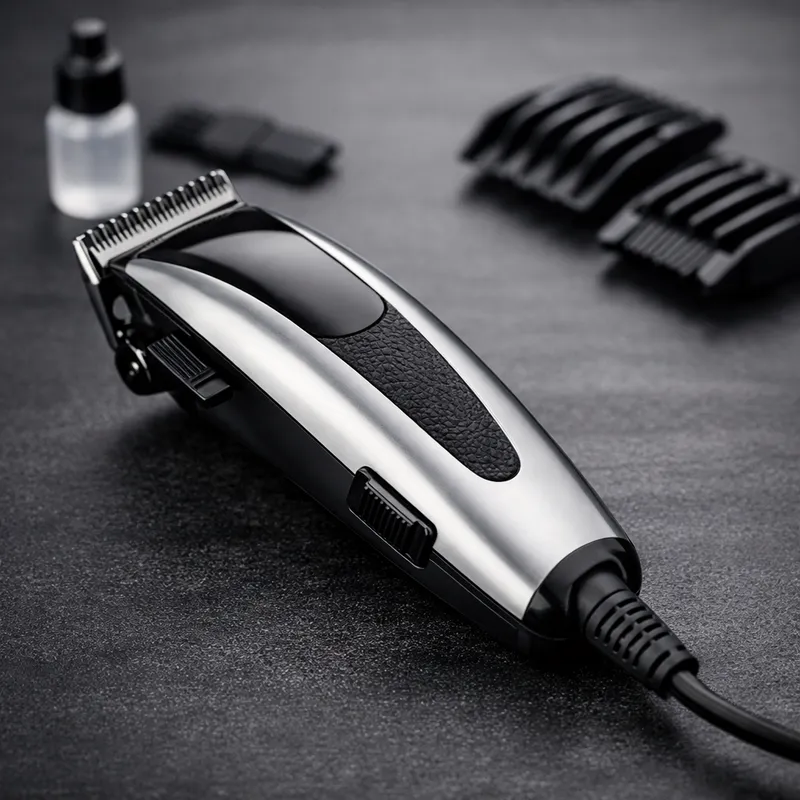
Quick verdict: is the Wahl Peanut a smart choice for hair trimming?
Yes—if you treat it like what it excels at: a compact hair trimmer for maintenance. The Peanut is at its best when you want to keep a haircut looking sharp between appointments: cleaning the neckline, tightening around the ears, fixing sideburn symmetry, and keeping short styles consistent.
The fastest way to get a good result at home is to pick a tool that matches the job: maintenance tools keep you clean without forcing you to become a full-time barber. The Peanut’s small body helps you stay steady, especially in tight areas where full clippers can feel clumsy.
Buy it if you want…
- Neckline cleanups that instantly make your haircut look fresher
- Edge maintenance around the ears without “over-cutting”
- Sideburn balance and quick shape resets
- Short-cut upkeep (buzz, crew, short taper maintenance)
Skip it if you expect…
- Full fades from scratch with lever control and many guard steps
- Razor-sharp lineups like a dedicated T-blade outliner
- Long haircuts on top that require longer guards or scissor work
- One tool for everything (that’s how DIY haircuts go wrong)
The mental model that prevents bad cuts: the Peanut is a “keep it clean” tool, not a “learn barbering overnight” tool. When you match expectations to the tool, results get dramatically better.
2-minute fit check: should you use a Peanut, a fade clipper, or an outliner?
Most “bad trimmer buys” happen because the job and the tool don’t match. Use this quick decision tool to get a realistic answer based on what you actually want to do with your hair.
Your main goal
Recommendation
Start here: The Wahl Peanut is a strong match for maintenance and clean touch-ups.
Select your goal to see the best tool category and the safest next step.
This tool is designed to reduce regret. If your goal is “full fades” or “crispy lineups,” the Peanut can still help—but it should not be your only tool.
Corded vs cordless Peanut: what actually changes your results
Most people compare trimmers like they’re buying a sports car: power, numbers, and hype. In real life, the difference that matters is simple: how reliably you will use it. The best trimmer is the one that fits your routine so well you actually do the 5-minute touch-up before it becomes a “full haircut emergency.”
| Decision factor | Corded Peanut (classic feel) | Cordless Peanut (freedom + convenience) |
|---|---|---|
| Best for | One consistent bathroom setup at home | Travel, shared spaces, or trimming wherever the light is best |
| What you “pay” | Cable management and less freedom of movement | A basic charging habit (so it’s ready when you need it) |
| Daily practicality | Plug in, trim, clean, done | Pick up, trim anywhere, clean, charge occasionally |
| Who should choose it | If you want “always ready” and hate battery thinking | If you want maximum control and hate cords near mirrors |
Simple rule: choose the version you’ll actually keep ready. Consistent touch-ups beat “perfect specs” every time.
Guard plan (the “ladder” method) + a quick trim-plan builder
Guards are where home trims succeed or fail. Not because guards are complicated—but because most guys start too short, panic, and then keep “fixing” the haircut until it’s uneven. The safe approach is a guard ladder: start longer than you think, do a full pass, then step down slowly.
What guard range should you expect?
Most “Peanut” kits focus on short, practical lengths for maintenance and cleanups (often four guards in a short range). That’s a feature, not a bug: fewer decisions, more consistency.
The ladder rule (use this every time)
- Start longer than you think you need
- Full pass first (don’t spot-fix immediately)
- Step down one level only if needed
- Short strokes + light pressure
- Stop early and check symmetry before you “chase perfection”
Trim-plan builder (no guesswork)
Pick the length you want to maintain and how conservative you want to be. You’ll get a step-down plan that reduces “oops” moments.
Plan: Start at 13 mm, full pass, then evaluate. Step down only if needed.
Tip: Always do the same number of passes on both sides.
Best practice: If you’re unsure, do a “trial pass” on a less visible area first (back/sides) before touching the front.
How to trim hair cleanly with a compact trimmer (step-by-step routines)
Great home results come from simple routines, not hero moves. The Wahl Peanut hair trimmer format is ideal for this because it encourages controlled, repeatable strokes—especially in tight zones. Below are the routines that give the biggest visual payoff with the least risk.
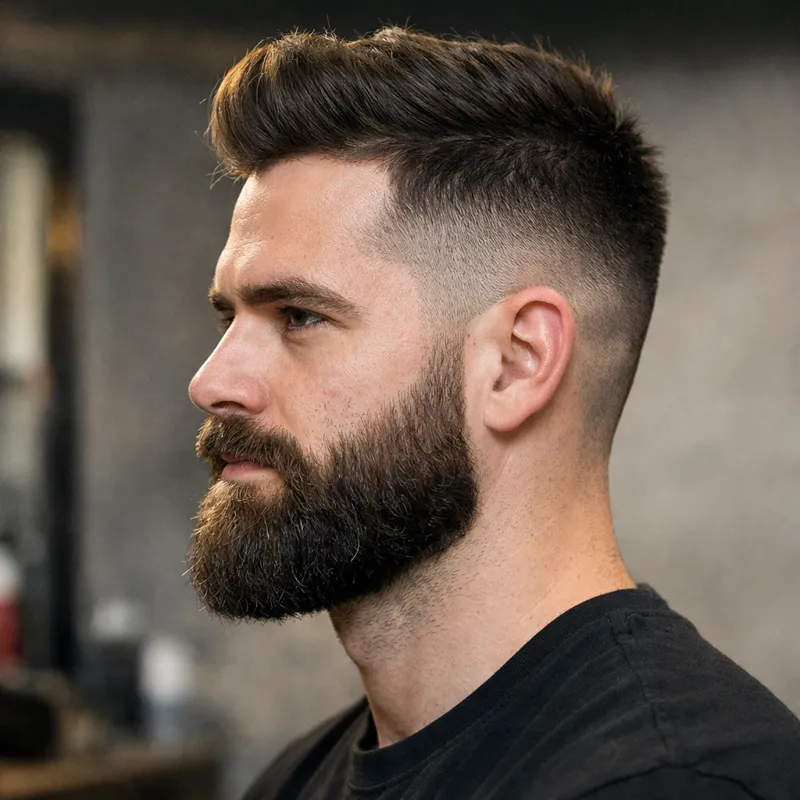

Routine 1: the 5-minute neckline cleanup (highest impact)
If you only do one thing at home, do this. A clean neckline instantly makes a haircut look more intentional—even if the top has grown out. The key is choosing a neckline style that grows out well and is forgiving.
Choose the neckline that matches your lifestyle: A natural taper grows out cleaner and hides small mistakes. A hard square line looks sharp on day one but shows regrowth fast.
- Set your mirror setup. Use a main mirror plus a handheld mirror so you can see the back clearly. Good light beats “good tools.”
- Start conservative. Clean stray hair below the natural neckline first. Don’t move the line upward until you’ve checked symmetry.
- Use light pressure and short strokes. Keep the blade flat to avoid digging and irritation.
- Lock the shape. Once it looks even, stop. Most DIY disasters happen because you keep raising the line while “perfecting.”
- Finish with comfort. Brush off hair, rinse or wipe the neck, and moisturize if you’re irritation-prone.
Routine 2: around-the-ear cleanup (precision beats speed)
Around the ears is where bulky clippers can get you in trouble. Go slow, keep your angle consistent, and trim in controlled strokes. The goal is a clean outline that still looks natural—not a “carved” edge that exposes mistakes as soon as hair grows.
- Comb hair down around the ear before trimming
- Trim what you can see—avoid blind cutting behind the ear
- Compare both sides before removing more hair
Routine 3: sideburn symmetry reset (fast method)
Sideburns are small, but they control the “balance” of your whole face. The easiest method is to set a reference point first, then match it. Do not guess side-to-side.
- Pick a reference point (e.g., mid-ear)
- Trim the first side to your target
- Match the second side to the first using the same reference
- Clean the bottom edge last
Routine 4: short haircut maintenance (buzz / crew / short taper)
If your haircut stays within a short guard range, maintenance is simple: start longer, do a full pass, and only step down when the entire head is even. The crown and cowlick zones require shorter strokes and extra mirror checks.
Maintenance + troubleshooting (stop pulling, reduce irritation, keep cuts smooth)
If a trimmer starts pulling hair, cutting unevenly, or irritating your skin, the issue is often not “bad luck.” It’s usually one of three things: hair packed in the blade, a dry blade, or too much pressure. Fix the basics and your results improve immediately.
After every trim (2 minutes)
- Brush out the blade to remove trapped hair
- Wipe the housing so buildup doesn’t spread
- Oil if needed (especially if you trim often or have coarse hair)
When irritation happens
- Use lighter pressure and fewer repeated passes
- Trim after a warm shower (so hair is softer)
- Rinse and apply a simple moisturizer after
Quick diagnosis
Fix: Clean the blade thoroughly, then oil lightly. Pulling is often friction + trapped hair.
If problems persist after proper cleaning, a worn blade may be the cause.
Touch-up schedule tool
Keep the haircut sharp without over-trimming. Choose your style and how crisp you like it.
Suggested rhythm: Every 5–7 days, clean neckline + around ears.
Keep it short and consistent: small touch-ups prevent big fixes.
Best habit: Don’t wait until everything looks grown out. A quick, scheduled cleanup is how you keep a haircut looking intentional week after week.
If the Peanut isn’t the right tool, these are the better categories
The smartest haircut routine is not “one tool that does everything.” It’s a simple setup where each tool has a clear job. If your fit-check pointed away from the Peanut, these are the categories that usually solve the problem more cleanly.
| What you want | Best tool category | Why it works better |
|---|---|---|
| Full fades and blending | Fade clipper with a taper lever + full guard set | More control and more “in-between” lengths so you don’t create harsh steps |
| Ultra-crisp lineups | Outliner / T-blade trimmer | Built for edge detail and sharp outlines, especially on hairlines and beards |
| Longer haircuts on top | Clippers with longer guards + scissors | Long hair needs longer guides and/or scissor technique to avoid choppy results |
| Low-effort “always decent” | Compact maintenance trimmer (Peanut-style) | Fast, controlled touch-ups that keep you looking fresh without overcommitting |

Disclaimer: MensHaircutStyle is not affiliated with Wahl. Product versions and included accessories vary by retailer and region.
Frequently asked questions about the Wahl Peanut hair trimmer
These FAQs are written for real decisions (and aligned with SEO best practices). Each answer is also reflected in the page’s schema markup.
Is the Wahl Peanut good for trimming head hair? Answer
Yes—especially for maintenance: neckline cleanups, around-the-ear detailing, sideburn shaping, and keeping short haircuts consistent. It’s a strong choice when you want your haircut to look fresh between appointments. If your goal is full fades from scratch or major shape changes, a dedicated fade clipper is usually the better first tool.
Can the Peanut replace full-size hair clippers? Answer
Usually no. The Peanut can handle short maintenance, but full-size clippers are designed for bigger jobs: faster bulk removal, more guard steps, and taper lever control for blending. Many men get the best results by using the Peanut for weekly touch-ups and a barber (or clipper system) for full cuts.
What guard sizes come with a Wahl Peanut kit? Answer
Many Peanut kits focus on a simple set of short guards suitable for maintenance work. The exact lengths can vary by model and retailer, so it’s smart to confirm what’s included before buying. The key is not the exact numbers—it’s using a guard ladder: start longer, then step down slowly only if needed.
Corded vs cordless Peanut: which should I choose? Answer
Choose corded if you want a simple “always ready” tool in a consistent home setup. Choose cordless if you want freedom of movement, travel convenience, or you prefer trimming where the lighting is best. The right choice is the one you’ll keep ready—because consistent touch-ups beat perfect specs.
Why is my trimmer pulling hair? Answer
Pulling is usually caused by trapped hair in the blade, a dry blade (friction), or too much pressure. Clean the blade thoroughly, oil lightly if needed, and use short strokes with light contact. If pulling persists even after proper cleaning, the blade may be worn.
Is the Wahl Peanut safe for sensitive skin? Answer
It can be—if you use a low-irritation technique: light pressure, fewer repeated passes, clean/oiled blade, and trimming after warm water exposure. If you’re prone to irritation, choose natural-looking edges over harsh carved lines and moisturize after trimming.