
Most “Surker clipper” pages either push a random model or drown you in specs. This guide is built for the decision you’re really making: Which Surker kit fits your haircut goal (buzz, taper, beginner fade, family cuts), what to check before you buy, and how to avoid the common mistakes that create harsh lines, patchy spots, or tugging.
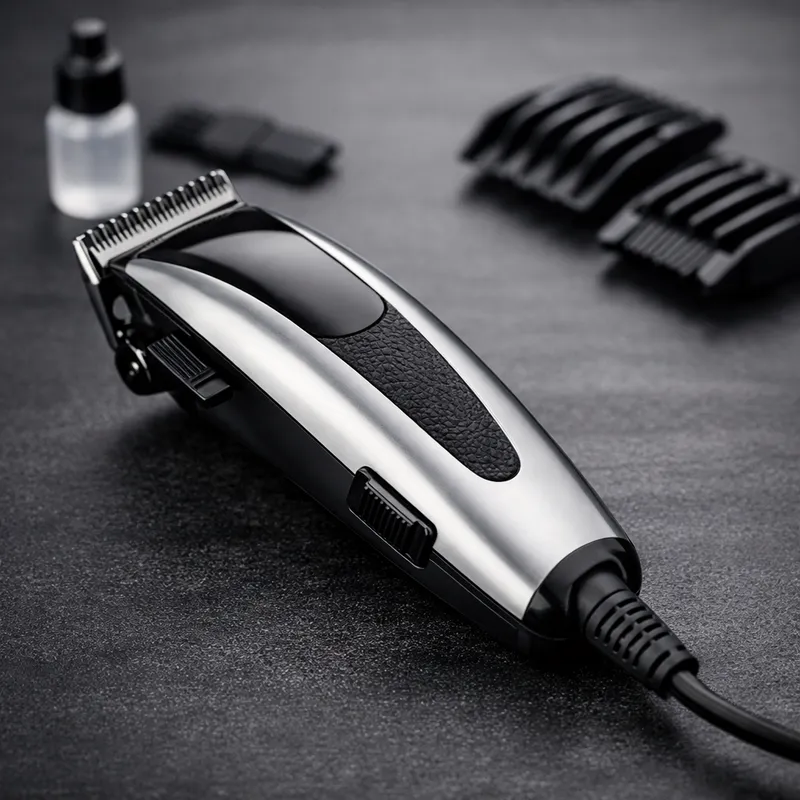
Tip: Surker bundles vary by seller. Always verify the exact guard sizes and what’s included before you hit “buy”.
Quick picks: which Surker clipper “type” fits your goal
People search “Surker hair clippers” because they want a solid kit without overpaying. The trap is that different Surker listings can look similar while serving completely different use cases. Instead of obsessing over one exact model name, choose the kit type that matches your haircut goal. That approach is more reliable because sellers and bundles change.
Full-size cordless clipper kit
Choose this if you want one main machine for routine haircuts: buzz cuts, basic tapers, blending, and cutting multiple people. It’s the most forgiving path because you can work with longer guards first and step down slowly.
- Ideal for: buzz cut, taper, simple fade, family haircuts
- Check: guard range (especially longer guards), lever adjustment, spare blade/guard availability
- Expect: best results when paired with a separate detail trimmer (optional)
Combo kit (clipper + trimmer)
The easiest way to get a cleaner finish without “barber skills.” Use the main clipper for bulk cutting and the smaller trimmer for necklines, around ears, and quick touch-ups between cuts.
- Ideal for: neat edges, tidy necklines, keeping your cut sharp
- Check: which guards fit the big clipper vs the trimmer (often different)
- Expect: smoother finishing with less risk of going too short everywhere
Compact / washable maintenance clipper
Great if you keep hair short and want fast cleanup. The big limitation is usually guard range: many compact kits focus on short lengths for quick maintenance rather than longer styles.
- Ideal for: short cuts, quick tidy-ups, simple uniform length
- Check: whether the whole body is rated washable (don’t assume)
- Expect: not ideal for longer tops unless you use scissors for the top
Surker Clipper Finder (no guesswork)
Use this tool to get a practical recommendation based on what actually changes results: your haircut goal, hair type, and how “clean” you need the finish. You’ll get a kit type suggestion, a buying checklist tailored to you, and the fastest cut plan to reduce mistakes.
Your recommendation will appear here
Pick your options and click “Get my recommendation”.
What to check before you buy Surker hair clippers
If you want a clean DIY cut, the purchase decision is less about “the most powerful motor” and more about whether the kit supports a safe, repeatable workflow. This section is built to help you avoid the most common regret: buying a kit that can’t create your haircut because the guards don’t go long enough.
1) Guard range (this determines your haircut options)
Guard sizes are the real “feature.” A kit with only short guards is perfect for very short maintenance cuts, but it will fight you if you want a longer top, a softer blend, or a forgiving first attempt.
- If you’re new: start with longer guards and step down. That’s how you avoid overcutting.
- If you want a longer top: plan to use scissors or verify that longer guards are included.
- For fades: you need multiple steps (guards + lever). One guard won’t do it.
2) Lever workflow (how fades actually get smooth)
Fades and clean blends don’t come from “more power.” They come from tiny, controlled length changes. A lever (or adjustment control) acts like micro-steps between guard sizes, which is what softens harsh lines.
- Beginner tip: blend in small “bands.” Don’t chase perfection across the whole head at once.
- Results tip: stop often, check symmetry, then refine one section at a time.
- Buying tip: choose a kit that encourages stepping down slowly (longer guards help).
3) “Waterproof” is not one thing
Some clippers are designed so you can rinse the blades. Others are built so the whole unit can be washed. Those are different experiences. If easy cleaning matters to you, look for explicit whole-body wash guidance.
- Safe habit: even if the unit is washable, always dry fully before storing.
- Longevity habit: clean hair out of the blade area after every cut.
- Comfort habit: a clean blade pulls less and runs cooler.
4) The finishing plan (what makes it look intentional)
Your haircut looks “professional” when the edges are tidy and the transitions are soft. That usually requires one of these: a combo kit with a trimmer, a separate detail trimmer, or very careful edging with the main clipper.
- If you want crisp necklines: combo kit or detail trimmer is the easiest route.
- If you hate razor burn: keep necklines natural and soft rather than ultra-sharp.
- If you want longer styles: add scissors to your kit (top control is easier with scissors).
Surker kit comparison table (practical, not hype)
This table compares the intent behind common Surker kit categories. Use it to decide what to buy, then verify the exact listing for what’s included (guards, trimmer, charger type, cleaning tools). Bundle contents are what typically change the outcome.
| Kit type | Best for | Strengths | Watch-outs | Recommended if you want… |
|---|---|---|---|---|
| Full-size cordless clipper | Most home haircuts | Forgiving workflow, easier blending, better for cutting multiple people, often better guard coverage. | Finish may be less “sharp” without a trimmer; quality varies by bundle. | Buzz cuts, tapers, basic fades, reliable routine cuts |
| Combo kit (clipper + trimmer) | Clean edges + overall cutting | Bulk cutting + tidy necklines, easier around ears, great for keeping cuts looking fresh between full haircuts. | Guards may differ between machines; verify which guards fit which device. | A sharper finish without extra tools |
| Compact / short-guard kit | Short hair maintenance | Convenient, quick, often travel-friendly, can be easier to clean. | Often limited guard range; not ideal for longer tops unless you use scissors. | Short, simple haircuts and quick tidy-ups |
| Multi-grooming kit | Head + beard + body convenience | Versatile attachments, good for general grooming routines. | “Does everything” kits can be less precise for fades compared to a dedicated main clipper. | Convenience across grooming tasks |
Guard lengths (what they mean) + converter tool
Guard numbers are a shortcut, but they can be confusing because “#2” doesn’t feel the same on every head, and some brands vary slightly. Still, guards are the safest way to cut at home because they prevent accidental overcutting. Use the tool below to plan your cut and build a guard progression before you start.
A simple guard strategy that avoids disasters
- Start longer than you think. The first pass is for mapping, not perfection.
- Step down in small jumps. Big jumps create harsh lines you’ll chase for an hour.
- Work in zones. Cut the sides/back first, then decide what the top needs.
- Stop and check symmetry. Most DIY mistakes come from “one more pass” on one side.
Your guard conversion + plan will appear here
Click “Convert & build a plan”.
Home haircut playbooks (built for Surker-style kits)
A clean DIY haircut is a sequence, not a single pass. The goal is to reduce risk: remove bulk first, refine second, and only then chase details. These playbooks assume you have a main clipper kit; a trimmer is a bonus, not a requirement.


Playbook 1: clean buzz cut (the safe route)
If you want a guaranteed “looks fine” result, start here. The buzz cut teaches you control, consistency, and how your hair grows.
- Start longer: pick a longer guard for your first pass.
- Full pass everywhere: move against growth, slow and even.
- Second pass: catch missed spots (most people skip this).
- Crown check: crown shows patchiness first—re-pass lightly.
- Neckline: keep it natural if you’re unsure; “too sharp” is obvious.
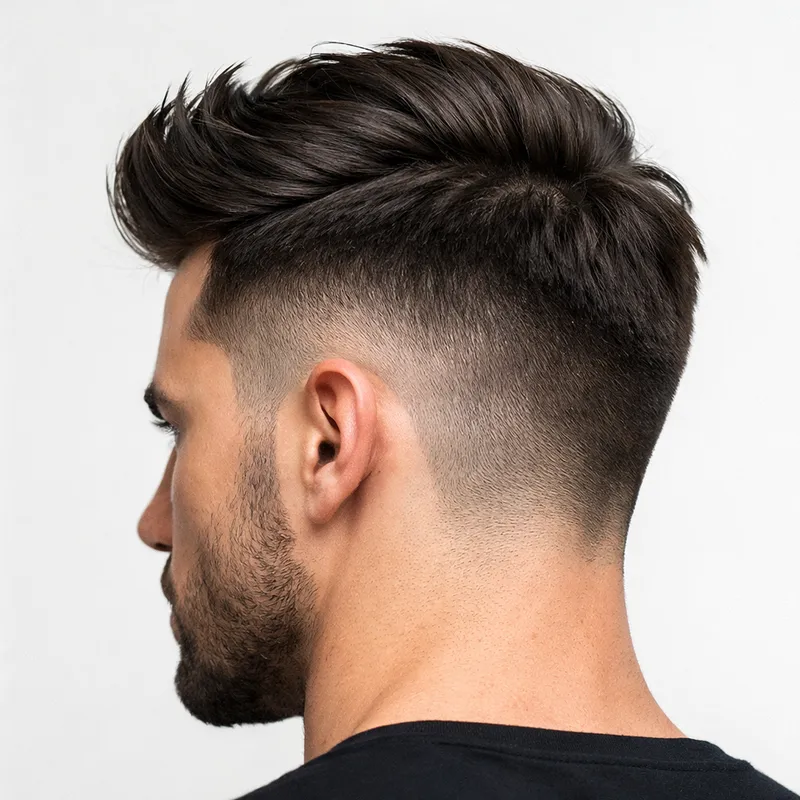
Playbook 2: simple taper (best “intentional” look)
A taper keeps the sides clean without demanding perfect fade blending. It’s the best upgrade from a buzz cut.
- Bulk removal: cut sides/back with a medium guard.
- Lower third: drop one step and work only the lower area.
- Soften the line: use the lever to blend between the two lengths.
- Detail: tidy around ears and neckline.
- Top: leave it longer; style it rather than forcing it with short guards.
Playbook 3: beginner low fade (small bands)
Low fades are the most forgiving fades. The key is to blend one band at a time instead of trying to erase every line immediately.
- Set a low guideline: don’t go high on your first attempt.
- Step up: work upward with slightly longer guards.
- Micro-blend: use lever positions between guards to soften transitions.
- Fix one band: blend the lowest line before moving higher.
- Stop early: overcutting is how fades turn into “accidental high fade.”
When you should add scissors (even with great clippers)
Clippers are unbeatable for consistency on the sides. For longer or textured tops, scissors often produce a cleaner finish with less effort. If your goal is a longer top with a controlled shape, use clippers for the sides/back and scissors for the top.
If your top is longer, don’t force it with short guards
One of the fastest ways to ruin a DIY haircut is trying to “make the top match” by stepping down too far. Keep the top longer, refine it later, and let styling do part of the work.

Cleaning & maintenance (the difference between smooth cutting and tugging)
Most “clipper problems” are maintenance problems. Hair buildup increases friction, friction creates heat, and heat makes blades feel rough. If you want your Surker kit to keep cutting smoothly, treat cleaning like part of the haircut.
After every cut (5-minute routine)
- Brush out hair: clear the blade area and any vents.
- Disinfect smart: use a clipper-safe disinfectant method.
- Dry fully: moisture left behind is what causes long-term issues.
- Oil if needed: a tiny amount goes a long way—follow your manual if it specifies oiling.
- Store clean: don’t throw it back in a drawer full of hair and dust.
If your clipper starts tugging, heats up quickly, or sounds strained, do a deep clean before assuming it’s “bad.”
Maintenance Reminder (tool)
Set reminders for your routine. This stays on your device (local storage) and doesn’t send data anywhere.
Your reminder will appear here
Set a reminder to keep your kit cutting smoothly.
A copy-and-save buying checklist (unique to this guide)
This checklist is designed to prevent the most common mistake with Surker clippers: buying a kit that doesn’t include the guard lengths you need. Copy it into Notes before you shop, then verify each item on the listing you’re about to buy.
Surker Buying Checklist
- Which kit type am I buying (full-size clipper, combo kit, compact kit, multi-grooming)?
- What is the guard range included (short only vs includes longer guards)?
- Does it support a blend workflow (lever adjustment + multiple guard steps)?
- Do I need a detail trimmer for neck/ears, and is it included?
- Is it whole-body washable or only “rinsable blades” (don’t assume)?
- Is the return policy clear (in case the bundle isn’t what it claims)?
- Are replacement guards/blades available for this style of clipper?
- Do I have a cut plan (guard progression) before I start?
The fastest path to a bad haircut is buying first and planning later.
FAQs about Surker hair clippers
Clear answers to the questions people ask right before they buy — and right after a first DIY attempt.
Are Surker hair clippers good for home haircuts?
They can be a smart choice if you buy the right kit type and guard range for your goal. A full-size cordless clipper kit is usually the safest starting point because it supports longer guards and a more forgiving workflow. Most negative experiences come from mismatched expectations (for example, buying a compact short-guard kit and expecting it to handle longer styles).
Which Surker clippers are best for fades?
Choose a full-size clipper kit that supports a step-down workflow: multiple guard sizes plus a lever/adjustment control so you can soften transitions. For beginners, start with a low fade and blend in small bands. If you want the easiest “clean finish,” consider a combo kit (clipper + trimmer) so you can tidy edges without trying to do everything with one blade.
Do Surker clippers come with long guards?
Sometimes — and that’s the point. Bundles vary by seller, so you must verify what’s included on the exact listing you’re buying. If you want a longer top, longer guards (or scissors) matter more than almost any other feature.
What guard should I start with for a first DIY cut?
Start longer than you think. Your first pass is for mapping the head and learning your growth patterns. Once everything is even, you can step down. Use the guard converter tool above to build a safe progression for your haircut type.
Why do my clippers tug or feel rough?
The most common causes are hair buildup, a dry blade, or pressing too hard. Deep clean the blade area, dry it fully, then oil if your manual recommends it. Use slower passes with lighter pressure. Tugging is often fixable without replacing the clipper.
Are Surker clippers waterproof?
Some kits are marketed as washable; others only support rinsing the blades. Don’t assume. If easy cleaning matters to you, choose a kit that clearly states whole-body wash guidance, and still dry it fully after cleaning.
Should I buy a clipper or a trimmer?
For head haircuts, start with a clipper. A trimmer is for details: necklines, around ears, edging, and quick touch-ups. If you want the cleanest finish with the least effort, a combo kit (clipper + trimmer) is often the best value.
How do I avoid harsh lines in a taper or fade?
Avoid big jumps. Work in small bands, step down gradually, and use lever positions to soften transitions. The line usually appears because the transition zone is too large, or because you tried to blend “everywhere” instead of one band at a time.