
Mens Trimmer Guide: choose the right tool and get a cleaner, sharper look
A mens trimmer isn’t just for cutting hair — it’s what makes a beard look intentional, a neckline look clean, and a hairline look sharp. This page helps you choose the right trimmer type, understand the features that actually matter, and use it safely without irritation or uneven results.
No forms on this page — just practical advice and tools you can use right now.
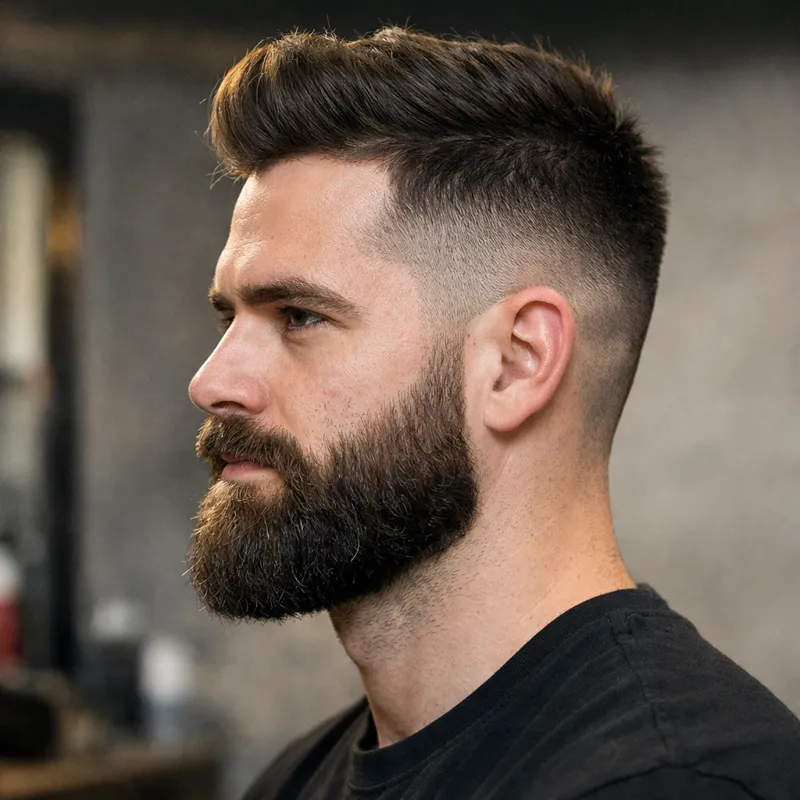
Quick Start: what are you trimming most often?
“Mens trimmer” is a broad search because guys want different outcomes: a cleaner beard, crisp edges, body grooming, or even a DIY haircut. Use this section to instantly match your goal to the right tool type (and avoid wasting money on the wrong category).
Beard / stubble / goatee
Choose a beard trimmer with reliable length control. This is your daily driver for maintaining stubble, shaping a goatee, and keeping beard density even from cheek to chin.
- Best for: stubble, short beards, long-beard maintenance
- Also useful for: moustache tidying + neck cleanup
Sharp lines (hairline + beard outline)
Choose an outline trimmer (also called a precision trimmer, detailer, or hairline trimmer). This is what creates the “fresh barbershop” look: clean cheek lines, crisp necklines, and sharp edge-ups.
- Best for: lineups, edging, shape-ups
- High impact: makes any beard look more intentional
DIY haircuts / fades
For actual haircuts you want clippers (not just a trimmer). Clippers remove bulk fast and make guard work easier. A trimmer is still useful — but mainly for finishing the edges.
- Best for: buzz cuts, tapers, fades, home haircuts
- Ideal setup: clippers + outline trimmer
Body grooming
Body hair is different: more sensitive skin, different growth directions, and higher irritation risk. A body groomer / men’s grooming trimmer with skin-safe guards makes a huge difference.
- Best for: chest, underarms, lower body grooming
- Look for: skin-safe guard + easy cleaning
Ultra-close finishing
If you want a near-shave finish after trimming, add a foil trimmer. It’s a finishing tool — not meant for long hair — but it’s how barbers erase stubble shadow on the neck.
- Best for: neck finishes, clean cheek areas after lineup
- Not for: long hair or bulk removal
Bald head maintenance
If you keep your head very short or shaved, look for a head trimmer or a head-focused device designed for scalp comfort. Your scalp needs different pressure and blade behavior than a beard.
- Best for: quick upkeep, smooth-looking scalp
- Comfort-first: reduces irritation and missed spots
Fast recommendation (most men): If you care about looking sharp week to week, the most effective “no-regret” setup is usually beard trimmer + outline trimmer. You get both even length and clean edges — the two things that make grooming look professional.
Trimmer vs clippers vs electric razor: what’s the real difference?
Most bad purchases happen because these three categories get mixed together in product listings. Here’s the clean breakdown, in plain English, so you buy the tool that matches your goal.
Mens trimmer (control + shaping)
A trimmer is designed for maintenance and precision: keeping beard length consistent, cleaning the neckline, shaping a goatee, or keeping sideburns and edges tidy. It’s the tool that keeps you looking “done” between haircuts and barber visits.
- Best for: beard length, goatee shaping, neck cleanup, general grooming
- Typical result: clean, controlled, not necessarily “shaved smooth”
Clippers (power + bulk removal)
Clippers are made for head hair and heavy cutting. They remove bulk fast, handle guard work better, and are the right tool for DIY haircuts and fades. A trimmer can help finish a haircut, but it usually can’t replace clippers.
- Best for: buzz cuts, fades, tapering, cutting head hair
- Typical result: faster cutting + smoother guard transitions
Electric razor (shaving + skin finish)
An electric razor is built for shaving, not shaping. Some come as an electric razor with trimmer attachments — that can be convenient, but the trimming side is often less precise than a dedicated outline trimmer.
- Best for: reducing stubble very low, daily shaving, smooth cheeks/neck
- Typical result: closer skin finish than a trimmer
Foil trimmer (finisher, not a main trimmer)
A foil trimmer is a finishing tool used after trimming or clipping. It takes hair down very close to the skin. If you love that “no shadow” finish at the neckline, foil is the secret — but it’s not meant for long hair.
- Best for: finishing necklines, removing stubble after edging
- Not for: bulk removal or long beard shaping
A simple rule that prevents regret
If you want shape and style → choose a trimmer (and ideally an outline trimmer for edges).
If you want haircuts → choose clippers (then add a trimmer for cleanup).
If you want shave-smooth → choose an electric razor or a foil finisher after trimming.
Why “trimmer clippers” listings confuse people
Some listings say “trimmer clippers” or “clippers and trimmers” like it’s one thing. In reality, they’re two different jobs: clippers do the heavy lifting, trimmers do the precision. If you’re building a serious grooming routine, think in tool roles, not marketing labels.
Practical tip: If you’re only buying one device today, pick the one that solves your biggest pain (usually beard length or clean edges), then upgrade later.
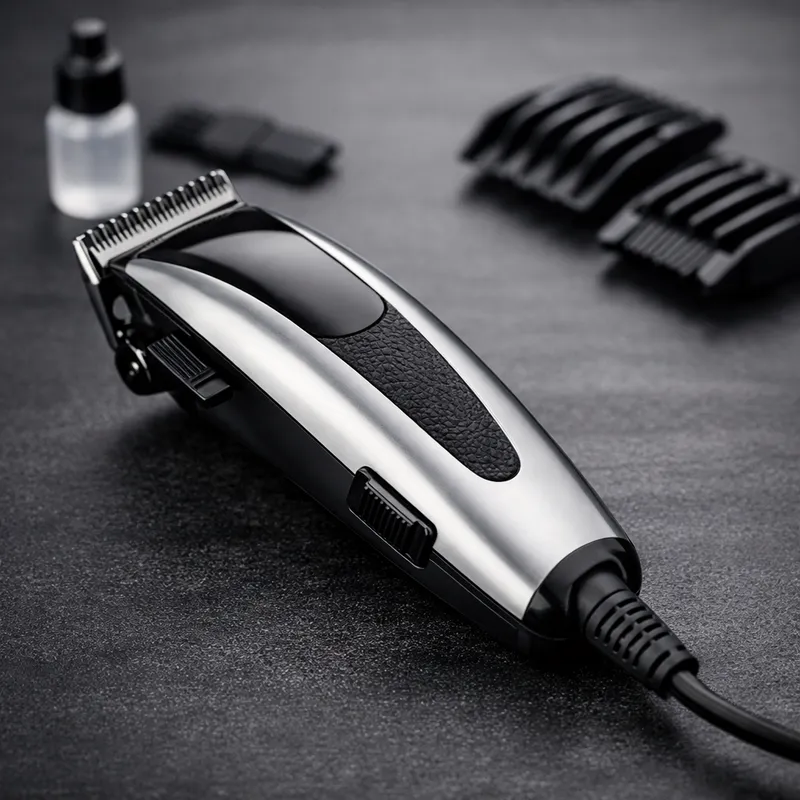
The 6 main types of men’s trimmers (and when each one is the best choice)
The most effective SEO + user-friendly approach is to organize by use case. That’s how real people shop: “What’s best for my beard?” “What’s best for hairline edges?” “How do I finish my neckline?” Below are the core trimmer types, explained in a way that helps you decide fast — and avoid buying a tool that technically “works” but doesn’t deliver the look you want.
1) Beard trimmer
Your beard trimmer is the tool for consistent length. Whether you keep stubble or a longer beard, the goal is even density and a controlled shape. A good beard trimmer prevents tugging, trims evenly with guards, and lets you work quickly without “patchy” results.
- Best for: stubble, beard maintenance, goatees, moustaches
- Look for: stable guards, consistent power, comfortable blade feel
- Keyword matches: electric trimmer for men, goatee trimmer, trimmer for long beards
2) Outline / hairline trimmer (precision detailer)
This is where “clean” comes from. An outline trimmer is built for edges and lineups: crisp cheek lines, a sharp neckline, and hairline cleanup. If you’ve ever wondered why a beard looks messy even after trimming length — it’s usually because the edges aren’t defined.
- Best for: edging, lineups, shape-ups, sideburns
- Look for: control, visibility, steady cutting without biting the skin
- Keyword matches: outline trimmer, hairline trimmer, shape up trimmers
3) Clippers (for haircuts)
Clippers are not “better trimmers” — they’re a different tool. If you do DIY haircuts, clippers are the right foundation. Most guys then use a trimmer to finish: ears, nape, and the line that makes the cut look intentional.
- Best for: buzz cuts, fades, tapers, cutting head hair
- Look for: strong motor, quality guards, comfortable grip
- Keyword matches: clippers and trimmers, clipper trimmer professional
4) Foil trimmer (finisher)
A foil trimmer is your “final pass” tool for a close finish. Think of it like polishing: you don’t use it to remove bulk — you use it to erase shadow and clean up the last bit of stubble, especially around the neckline.
- Best for: near-shave neck finish, cleanup after edging
- Look for: comfort on skin, easy cleaning, consistent close cut
- Keyword matches: foil trimmer, trimmer foil
5) Body groomer / waterproof trimmer
Body grooming is where irritation happens if you use the wrong tool. A dedicated men’s grooming trimmer (often a waterproof trimmer) is designed for sensitive skin and safer trimming angles, especially with the right guard.
- Best for: chest, underarms, lower body maintenance
- Look for: skin-safe guard, rinseable design, cordless convenience
- Keyword matches: trimmer for men waterproof, cordless waterproof trimmer
6) Head trimmer (scalp-focused)
Scalp trimming is its own category. Skin is tighter, the curve is different, and missed spots are obvious. A head trimmer can make maintenance faster and more comfortable, especially if you keep your head very short.
- Best for: bald maintenance, very short buzz upkeep
- Look for: comfort + coverage on scalp curves
- Keyword matches: bald head trimmer, head trimmer
One-tool vs two-tool vs “barber kit” (what actually works)
| Setup | Who it’s best for | What you get |
|---|---|---|
| One-tool | Minimalists, travel, occasional grooming | All-in-one groomer (beard + basic detail + sometimes body) |
| Two-tool (high impact) | Most men who want to look sharp weekly | Beard trimmer + outline trimmer (length + crisp edges) |
| Barber finish | DIY haircuts / fades / top-tier detail | Clippers + outline trimmer + foil finisher (optional beard/body tool) |
What to look for in a mens trimmer (feature checklist that actually matters)
Most product pages focus on buzzwords. The smartest way to choose a trimmer is to focus on outcome: Does it cut evenly? Is it comfortable? Does it match your routine? Use the checklist below to filter the noise.
1) Cutting performance (no tugging)
If a trimmer pulls hair, it’s not “your technique” — it’s usually dull blades, weak power, or the wrong tool type. Prioritize smooth, consistent cutting over marketing labels.
- Clean cut without snagging (especially on coarse beards)
- Steady power under load (doesn’t stall in thick areas)
- Blade comfort (less irritation, fewer “hot spots”)
2) Length control that fits your style
Your style decides your needs. Stubble requires precise short settings; long beards need stable guards at longer lengths. If you fade or sculpt, fast switching between lengths matters more than a “huge number of settings.”
- Stable guards that don’t flex
- Easy switching (dial or clearly labeled guards)
- Even trimming across cheeks, jaw, and chin
3) Wet use + hygiene (if you groom in the shower)
A waterproof trimmer is easier to rinse and usually easier to keep hygienic. If shower grooming is your routine, confirm it’s designed for wet use — not just “water-resistant.”
- Rinseable head design
- Easy cleaning (less buildup = better cuts)
- Body grooming especially benefits from better hygiene
4) Cordless experience (battery & reliability)
Most men prefer cordless. The real quality difference is reliability: consistent power until the end, a battery indicator, and charging that matches your routine (weekly grooming vs daily trimming).
- Consistent power (not just “long runtime”)
- Battery indicator (so it doesn’t die mid-lineup)
- Travel lock is a bonus if you travel often
5) Ergonomics (control beats brute force)
A trimmer can be powerful and still be annoying if it blocks your view or feels unstable. For edging, comfort and control matter more than raw power.
- Grip that doesn’t slip when hands are damp
- Head shape that lets you see your line clearly
- Weight balance that supports detail work
6) Attachments (useful vs clutter)
More attachments don’t automatically mean more value. Choose based on what you’ll actually use. The most useful “extras” are the ones that support your real grooming habits.
- Short + long guards (if you vary beard length)
- Detail head (for edging)
- Body guard (if you groom sensitive areas)
Conversion tip for better results: If your goal is a sharper look, don’t only buy for “maximum closeness.” The biggest visual upgrade for most men is clean edges + symmetry. That comes from the right tool type and controlled technique — not from pressing harder or chasing ultra-aggressive blade gaps.
Trimmer Finder (interactive): build your ideal setup in 60 seconds
Click the options that match your grooming goals. This tool recommends the most practical setup (one-tool, two-tool, or full kit), plus the top features to prioritize for your routine. No email required.
Quick value: copy-and-save grooming checklist (no email required)
If you want better results immediately, save this checklist. It’s designed to prevent the three biggest problems: uneven length, messy edges, and skin irritation.
- Start longer than you think — you can always go shorter, but you can’t put length back.
- Comb first, then trim — flattening hair makes results more even and predictable.
- Outline last — trim length first, then define cheek and neckline edges.
- Light pressure — pressing harder increases irritation and makes lines shakier.
- Two mirrors or step-back checks — symmetry is easier when you reset your view.
- Clean the head after every session — buildup causes tugging and dullness.
- Oil blades if your model requires it — smoother cuts, less heat, longer blade life.
- Body grooming hygiene — if you use one device for multiple areas, clean thoroughly.
How to use a mens trimmer (step-by-step) for clean, even results
Technique beats chasing “the closest cut.” Most grooming fails come from three things: trimming too short too early, outlining before you set length, and pressing too hard (which causes irritation and shaky lines). Follow these steps to get consistent results — whether you’re maintaining stubble, shaping a goatee, or doing a clean neckline.
The 2-minute prep (don’t skip this)
- Clean the area (rinse or wash) so blades don’t drag through oil and product.
- Dry and comb hair in its natural direction (this prevents “random” uneven patches).
- Choose a longer guard first — your first pass should be conservative.
- Use bright, even lighting so you don’t create accidental asymmetry.
If your skin is sensitive, avoid going ultra-close on the first pass. You can reduce length gradually without inflaming the skin.
Beard trimming (the safe method)
- Trim with the grain using a longer guard to even everything out.
- Step down one level at a time until you reach the look you want.
- Check the jawline — it’s the area most guys accidentally over-trim.
- Outline last with an outline trimmer (or no guard) to clean cheek + neck edges.
- Stop early and step back; small corrections beat “chasing symmetry” too far.
If you keep a goatee, trim the goatee length first, then clean surrounding areas, and define edges last.
Hairline / shape-up (outline trimmer technique)
A lineup should clean your natural line, not create a new one. The fastest way to regret an edge-up is to push the line back. Think “refine,” not “redesign.”
- Start dry for cleaner lines (wet hair hides the true edge).
- Use short strokes and keep pressure light.
- Stretch the skin with your free hand to prevent nicks.
- Build the line gradually — don’t carve a hard line immediately.
- Finish with a quick check from different angles before “fixing” anything.
Body grooming (comfort + safety first)
Body hair grows in multiple directions and the skin is often more sensitive. The goal is a clean, comfortable result — not the closest possible cut in one pass.
- Use a skin-safe guard for sensitive areas.
- Move slowly and keep skin taut.
- Don’t “dry scrape” repeatedly over the same spot — that’s how irritation happens.
- Rinse/clean after (especially if you use the device in multiple areas).
If you frequently get irritation, prioritize a body-focused trimmer and avoid aggressive close passes.
The “barber finish” trick: finish lines, then stop
Many guys over-trim because they keep “perfecting” one side. A better approach: trim length → set clean edges → do one final symmetry check → stop. That’s how you keep a natural, masculine look without over-sharpening or thinning the beard.
If you want an ultra-clean neck finish, that’s where a foil trimmer can make sense — but only after the main trim is already done.

Zero gapped trimmer: what it is, who should use it, and how to avoid irritation
You’ll often see searches like “zero gapped trimmer” because people want sharper lines and a closer cut. Zero-gapping usually means adjusting the blade alignment so the cutter sits closer to the skin. Done well, it can sharpen edges. Done aggressively, it can cause nicks, irritation, and razor bumps — especially on sensitive skin.
When it makes sense
- You do lineups often and want cleaner edges
- You have steady hands and good lighting
- Your skin handles close cutting without bumps
When to avoid it
- You have sensitive skin or get ingrowns easily
- You rush your lineup (higher nick risk)
- You trim kids’ hair or very thin/loose skin areas
Smarter alternative (for most men)
- Use an outline trimmer designed for precision
- Improve technique: short strokes + light pressure
- Finish with foil only if you want a near-shave look
Reality check: Most men don’t need zero-gapping to look sharp. The biggest difference comes from clean lines, symmetry, and not overworking the skin.
Cleaning & maintenance: make your trimmer cut better (and last longer)
A trimmer that isn’t cleaned will tug, heat up, irritate skin, and dull faster. Maintenance isn’t “extra” — it’s part of getting a clean result. Here’s a simple routine that keeps cutting performance consistent.
After every trim (60 seconds)
- Brush out loose hair from the head and guard
- Wipe the blade area (especially after product use)
- If waterproof: rinse, then dry fully to reduce corrosion
Weekly (2–3 minutes)
- Remove the head/guard and clean deeper between teeth
- Apply 1–2 drops of blade oil (if your model requires it)
- Run the trimmer briefly to distribute oil evenly
When performance drops
- If it starts tugging: clean + oil first
- If it still tugs: check blade sharpness / replace if needed
- If battery fades: consider a tool with stronger power consistency
Small habits = better results
Most men blame themselves for a bad trim (“my beard is uneven”). In reality, it’s usually the tool: buildup in the blades, dull cutting surfaces, or using the wrong device for the job (like trying to do a haircut with a trimmer). A clean trimmer cuts smoother, feels better on the skin, and makes your lines more controlled.
If you’re using one device for beard + body, cleaning is not optional. Hygiene is part of comfort.

Common mistakes that ruin results (and how to fix them)
The goal isn’t perfection — it’s consistency. These mistakes are the ones that make trims look uneven, edges look shaky, and skin feel irritated. Fixing them usually improves your grooming more than buying a “stronger” trimmer.
The top mistakes
- Starting too short. Begin long, reduce gradually.
- Outlining first. Set length first, then define edges last.
- Pressing too hard. Light pressure = cleaner lines + less irritation.
- Over-correcting one side. Step back and reassess before trimming more.
- Ignoring cleaning. Buildup causes tugging and patchiness.
Quick fixes that work immediately
- Use “two-pass trimming”: first pass to even length, second pass for detail.
- Short strokes for edges: don’t drag long lines in one pass.
- Use a neckline rule: don’t set it too high; clean the natural end point.
- Stop when it looks clean: most over-trimming happens after the trim is already good.
- Upgrade the right tool: if edges matter, get an outline trimmer — don’t force a beard trimmer to do that job.
Popular mens trimmer terms (so you know what you’re actually buying)
Search terms can be misleading because many people use “trimmer,” “clipper,” and “razor” interchangeably. This glossary connects common keywords to what they usually mean in real life.
Trimmer clippers / clippers and trimmers
Usually a kit containing two tools: clippers for bulk haircuts and a trimmer for edges. If you’re doing DIY haircuts, this combo makes sense.
Outline trimmer / shape up trimmers / hairline trimmer
Precision trimmers made for crisp edges: lineups, beard outlines, sideburns, and the nape area.
Foil trimmer / trimmer foil
A finishing tool for very close cutting on short hair — commonly used to clean necklines after edging.
Electric razor with trimmer
A shaver that includes a trimmer attachment. Convenient, but often less precise than a dedicated outline trimmer for sharp edges.
Professional cordless trimmer
Usually refers to a higher-powered outline/detail trimmer built for frequent use. Great for edges if your skin can tolerate close trimming.
Brand-style search terms
Many searches are brand-driven (for example “Gold FX trimmer,” “Gamma trimmer,” “StyleCraft trimmer,” “OneBlade trimmer,” “Peanut trimmers”). Focus on matching the tool type to your use case first, then compare models within that category.
Best buying mindset: pick the role first (beard length, outline, haircut, body, foil finish), then pick the model. That approach is how you get results — and avoid buying the right product in the wrong category.
FAQs about men’s trimmers
These answers are written for real grooming outcomes (not marketing claims): choosing the right mens trimmer, avoiding irritation, and getting clean beard lines and necklines at home.
What’s the best mens trimmer for most men?
For most men, the best “no-regret” approach is choosing based on the job: a beard trimmer for even length plus an outline trimmer for clean edges. If you only want one device, pick an all‑in‑one groomer — but expect less precision on lineups.
Trimmer vs clippers: which should I buy first?
If you’re maintaining a beard and cleaning edges, start with a trimmer. If you plan to cut head hair (buzz cuts, fades, tapers), start with clippers and add a trimmer for finishing work.
What is an outline trimmer and why does it matter?
An outline trimmer is a precision tool used for crisp edges: beard cheek lines, necklines, and hairline shape-ups. It’s the fastest upgrade if your trims look “unfinished” even when the length is correct.
What is a foil trimmer used for?
A foil trimmer is a finishing tool that cuts very close on short hair. Use it after trimming or edging to clean the neckline and reduce stubble shadow. It’s not designed for long hair or bulk removal.
Are waterproof trimmers worth it?
If you groom in the shower or care about easy cleaning, a waterproof trimmer is worth it. If you always groom at the sink, it’s optional — but rinseable designs can still make maintenance easier.
What does “zero gapped trimmer” mean?
Zero-gapping usually means adjusting the blades closer for a sharper, closer cut. It can improve lineups, but it can also increase nicks and irritation if your skin is sensitive or if the blades become too aggressive. Most men get better results by using the right trimmer type and improving technique first.
Can I use one trimmer for beard and body grooming?
You can, but it’s not ideal. If you do, use dedicated attachments/guards and clean thoroughly after every use. Body grooming is where hygiene and skin comfort matter most.
How do I trim a long beard without making it patchy?
Comb first, start with a longer guard, and trim with the grain to even everything out. Reduce length gradually in small steps. Patchiness usually comes from going too short too early or from skipping combing (which hides uneven density).
My trimmer is tugging — what should I do?
Clean the head thoroughly, remove buildup, and oil the blades if your model requires oiling. If tugging continues, the blade may be dull or the trimmer may not have enough power for your hair type. Tugging is a performance issue — don’t “push harder.”
Is an electric razor with trimmer attachment enough?
It can be enough for basic maintenance and convenience, especially if shaving is your priority. But for crisp beard lines or hairline detailing, a dedicated outline trimmer is usually more precise and easier to control.
Want help choosing the right mens trimmer setup?
If you tell us your beard length goal, skin sensitivity, and whether you care more about crisp edges or quick maintenance, we can point you to the right tool category and the features that matter (so you don’t waste money on the wrong type).