
Shopping for a Braun trimmer looks simple until you realize the listings mix beard trimmers, all‑in‑one kits, body groomers, and “trim + shave” hybrids. The result is predictable: you buy the wrong type, fight patchy length, or end up with attachments you’ll never use.
This page is built to make one thing easy: pick the right Braun trimmer for your routine, then use it like a barber—clean lines, even length, and fewer mistakes.
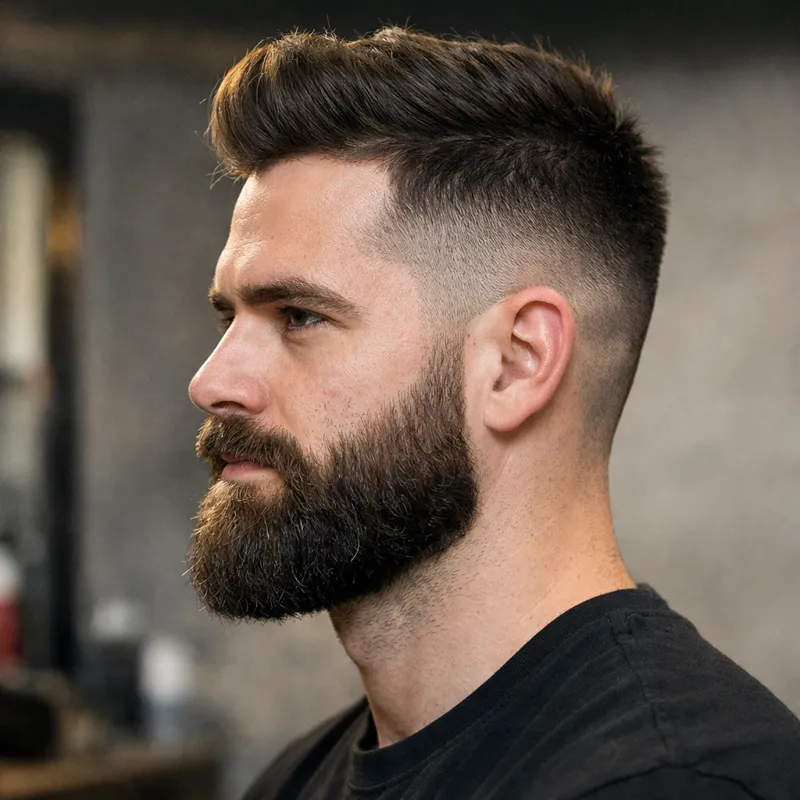
Choose the Right Braun Trimmer in 60 Seconds (Interactive Tool)
This tool doesn’t push a random “best trimmer.” It matches you to the right type (beard vs all‑in‑one vs body vs hybrid), then tells you what features to prioritize so you don’t overpay for irrelevant extras.
If you selected Head haircuts, the tool will recommend clippers first (because that’s the right tool).
Your best match: Braun Beard Trimmer (beard-focused)
Based on your picks, you’ll get the cleanest results from a dedicated beard trimmer: better precision control, easier edging, and more consistent length on facial hair.
Which Braun Trimmer Should You Buy? The Straight Answer
“Braun trimmer” is a broad label. The best choice depends on what you trim most, the length range you live in, and how much you care about clean lines. Use these decision rules to stop guessing.
A beard-focused Braun trimmer is built to do one job extremely well: keep your facial hair looking intentional.
- Best for: stubble, short beards, cheek/neckline shaping, subtle blends.
- Buy this if: you care about consistent length and sharp edges.
- Prioritize: small length increments, stable guard, detail/precision head.
All‑in‑one kits are a practical “one device” solution—especially if you travel, groom in the shower, or don’t want multiple tools.
- Best for: beard maintenance + body grooming + quick touch-ups.
- Reality check: it can tidy hair, but it won’t replace real clippers for full haircuts.
- Prioritize: useful attachments (not dozens), easy cleaning, dependable battery.
A body-focused groomer (or a hybrid designed for skin comfort) is a smarter buy if irritation is your main problem.
- Best for: chest, underarms, groin maintenance, fast cleanup.
- Prioritize: skin-safety combs/guards, wet/dry use, easy rinse.
- Tip: don’t chase “perfectly smooth” if you get bumps—comfort beats closeness.
If your main goal is cutting head hair (buzz cuts, fades, full haircuts), you want hair clippers. Trimmers are for detailing and shorter grooming—not bulk haircutting.
- Best move: use clippers for the cut, and a trimmer for edges/cleanup.
- Fast conversion tip: if you want a true fade, book a barber.
Braun Trimmer Lineup Explained (So You Don’t Buy the Wrong Tool)
Marketplaces often blend categories. Here’s the clean mental model: beard trimmers maximize precision, all‑in‑ones maximize versatility, body groomers prioritize skin comfort, and hybrids emphasize quick trim + tidy.
This is your best choice when you want your beard to look deliberate: even length, crisp neckline, clean cheek line, and fewer “patchy” spots.
- Ideal styles: stubble, short beard, structured beard, tidy mustache line.
- Key features: fine length control, detail head, guard stability.
- Who should skip: guys who primarily do body grooming and need skin-safety features first.
Built for the real world: beard + body + nose/ear + quick touch‑ups. It’s the “one tool” category.
- Ideal for: travel, shower grooming, mixed routines.
- Buy smart: choose a kit where the included attachments match your routine.
- Don’t assume: “more attachments” means “better.” It often means “unused.”
Designed around comfort and safety. If your top fear is nicks or irritation, this category earns its place.
- Ideal for: quick maintenance, sensitive areas, wet/dry routines.
- Key features: skin-safety combs, easy rinse, controlled cutting.
- Practical tip: keep body and face attachments separate for hygiene and better skin comfort.
Hybrids focus on speed: tidy the beard, clean edges, and manage body hair with fewer steps—especially if you prefer “good and fast” over “perfect and slow.”
- Ideal for: low-maintenance grooming, quick resets, minimal gear.
- Prioritize: comfort features and maneuverability.
- Skip if: you’re obsessed with ultra‑precise beard fades and detailed shaping.
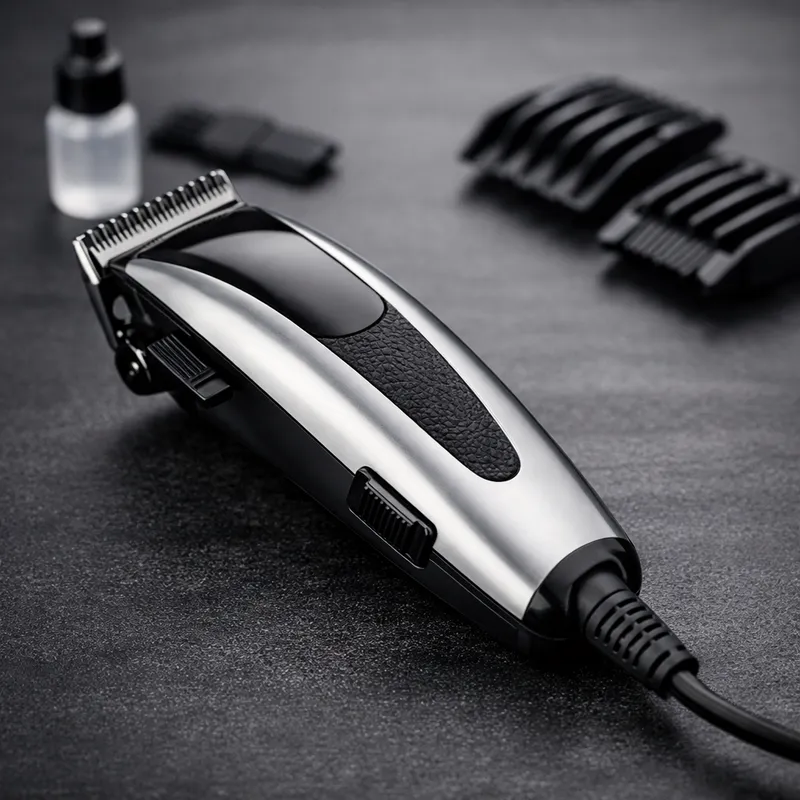
Brand note: Braun is a trademark of its respective owner. This guide is independent and focused on buyer decisions and technique.
The “Don’t Regret It Later” Checklist (What Actually Matters)
Most people shop for the wrong thing. They shop for “the most powerful” or “the newest,” then wonder why the trim looks uneven. Here’s what matters in real life—especially if you’re trimming at home without a barber to fix mistakes.
The best trimmer is the one you can control near tight areas: jawline, mustache line, under the chin, and around the ears.
- Prefer small length adjustments if you wear stubble or short beards.
- Look for a guard system that stays locked at the chosen setting.
- Detailing capability matters more than “turbo modes” for most users.
Kits can be great, but only if the “extras” match your actual routine.
- Most guys use: one main guard, one detail tool, and (if needed) one body safety comb.
- Don’t pay extra for 12 attachments when you only need 3.
- Travel case + easy cleaning often beats “more pieces.”
If you get bumps, redness, or ingrowns, chasing the closest cut usually backfires. The win is a comfortable, consistent trim.
- For sensitive areas, prioritize skin-safety guards.
- Go slow, use light pressure, and keep skin taut.
- Separate face and body attachments if possible.
When trimming starts to pull, it’s usually not “weak motor.” It’s dirt, packed hair, or a dull cutting surface.
- Quick clean after every trim (seriously—1 minute).
- Deep clean weekly if you groom often.
- If performance drops, check cleaning first, then blade wear.
Quick Comparison: Beard vs All‑in‑One vs Body vs Clippers
If you only read one thing, read this table. It’s the fastest way to prevent buying the wrong tool category.
| Category | Best for | What to prioritize | What it’s NOT great at |
|---|---|---|---|
| Beard trimmer | Stubble to longer beard, sharp cheek/neck lines, mustache cleanup | Fine length control, stable guard, precision head, easy handling | Fast full head haircuts or heavy bulk cutting |
| All‑in‑one kit | One device for beard + body + quick touch-ups + travel | Useful attachments, simple cleaning, good battery, wet/dry if needed | Replacing proper clippers for serious fades and haircuts |
| Body groomer | Comfort-first body grooming, sensitive areas, quick maintenance | Skin-safety guards, wet/dry, easy rinse, controlled cutting | Ultra-precise beard fading and detailed shaping |
| Hair clippers | Buzz cuts, fades, full haircuts, cutting lots of head hair | Strong motor, wide blades, clipper guards, taper lever (often) | Detailing tight facial edges (use a trimmer for that) |
How to Use a Braun Trimmer Like a Barber (Step‑by‑Step)
Most “how to trim” advice is vague. Below are repeatable routines that work because they follow the same logic a barber uses: start conservative, create a clean boundary (neckline/cheek line), then refine.
Stubble looks premium when it’s even and the neckline is intentional. The common failure is “random” stubble: heavier under the jaw, lighter on cheeks, messy neck.
- Start at a slightly longer setting than your goal (example: target 1mm → start 1.5mm).
- Trim against the grain first to even everything out.
- Do a second pass with the grain to smooth the look and reduce “scratchy” texture.
- Remove the guard for edge cleanup: light pressure, short strokes, controlled angles.
- Define the neckline (use the neckline map below).
Short beards look “barber-clean” when the neckline is correct and the mustache line is tidy. They look “grown out” when the neck is fuzzy and the length is inconsistent.
- Pick your main length and start one step longer. Trim the whole beard evenly first.
- Reduce length slightly near the sideburns if you want a subtle blend into your haircut.
- Clean up the mustache: comb hair down, then trim minimally above the lip line.
- Set your cheek line: keep it natural. Don’t carve it too low.
- Set your neckline: create a clean U‑shape, then clear everything below it.
- Finish with a quick “symmetry check” under direct light (bathroom lighting lies).
A beard fade is not complicated; it’s just controlled subtraction. You keep your length where you want fullness (chin/jaw), then step down as you move up the cheeks.
- Set your main beard length at the chin/jaw area and trim evenly.
- On the upper cheeks/sideburn zone, drop 1–3 length steps (small changes look best).
- Blend the transition using “flicking” strokes—don’t press hard at the fade line.
- Keep the cheek line natural. The fade should enhance it, not replace it.
- Finalize with neckline cleanup for contrast.
The goal isn’t “as close as possible.” The goal is a clean, comfortable result you can repeat without bumps, redness, or regret.
- Use a skin-safety guard/comb for sensitive zones—don’t freestyle with bare blades.
- Trim slowly and keep the skin taut. Folds + speed = nicks.
- Use light pressure. Let the tool do the work.
- If you’re prone to irritation, leave a tiny bit of length instead of going ultra-close.
- Rinse and dry your trimmer after wet use. Clean tools are kinder to skin.
A trimmer can handle light maintenance and cleanup, but it’s not designed for repeated full haircuts. If you cut head hair often, you want clippers—full stop.
- Good use: neckline cleanup, edge detailing, quick tidy.
- Not ideal: frequent buzz cuts, fades, cutting a lot of dense scalp hair.
Neckline Map (Easy Method That Looks Right)
A sharp neckline is the difference between “I trimmed” and “I look put together.” The best neckline is simple: it follows your jaw in a soft U‑shape and sits low enough to keep the beard looking full.
The two‑fingers rule
- Place two fingers above your Adam’s apple.
- That point is the bottom of your U‑shape.
- Imagine a line from that point to the corners behind your jaw.
- Everything below gets cleared clean.
The one mistake to avoid
Shaving the neckline too high is a fast way to make your beard look small and your neck look heavy.
- If you’re unsure, go lower first.
- Step back, check symmetry, then refine.
- Under bright light, edges look harsher—keep lines clean but not aggressive.
Cleaning & Maintenance (Plus a Simple Planner Tool)
A trimmer that’s not cleaned will start to pull, feel weaker, and give uneven results. This isn’t a “nice to have.” It’s how you keep your trim consistent and your skin calmer.
- Tap out loose hair and brush out the head/guard.
- If your device is washable, rinse parts as allowed (check your manual).
- Dry fully before storing—moisture is a performance killer.
- Deep brush the cutting head area (packed hair is the #1 issue).
- Inspect guards for warping or cracks (they cause uneven length).
- If your model recommends oiling, do it exactly as instructed.

Maintenance Planner (Quick picks → clear schedule)
Pick your trimming frequency and the type of hair you deal with. You’ll get a simple schedule you can actually follow.
Your maintenance plan
Quick clean after each trim. Deep clean weekly. Check guards monthly.
FAQs About Braun Trimmers (Clear Answers)
These FAQs are written for real buyers: what to choose, what to expect, and how to avoid the most common trimming mistakes.
What’s the difference between a beard trimmer, an all‑in‑one trimmer, and hair clippers?
A beard trimmer focuses on precision and consistent facial hair length. An all‑in‑one kit covers multiple grooming tasks (beard + body + touch‑ups). Hair clippers are built to cut lots of head hair efficiently and are the right tool for buzz cuts and fades.
Which Braun trimmer type is best for stubble?
For stubble, a beard-focused trimmer typically gives the cleanest results because it offers tighter length control and easier edge detailing. The key is small length increments and consistent technique (against the grain first).
Can I use one trimmer for beard and body hair?
You can, but it’s smarter to use separate attachments (or separate tools) for hygiene and comfort. Body grooming often benefits from skin-safety guards that aren’t needed on the face.
Why does my trim look patchy even with a good trimmer?
Patchiness is usually technique: moving too fast, skipping an against-the-grain pass, not brushing hair into its natural direction first, or trimming on hair that’s damp in inconsistent ways. Use the Length Settings Helper above and do two passes (against, then with).
How do I set the neckline so it looks natural?
Use the two‑fingers rule: two fingers above the Adam’s apple is the lowest point of your U‑shape. Don’t shave too high, and keep the curve soft rather than harsh.
Are waterproof trimmers automatically better?
Not automatically. Waterproofing is useful if you groom in the shower or want easy rinsing. But precision, guard stability, and the right category (beard vs body vs clippers) matter more than water resistance alone.
How often should I clean my trimmer?
Quick clean after every use, deeper clean weekly if you trim regularly. If the trimmer starts to pull, cleaning is the first fix—not buying a new device.
When should I switch from a trimmer to real hair clippers?
If you cut head hair often (buzz cuts, fades, full haircuts), switch to clippers. Trimmers are great for detailing and shorter grooming, but clippers are built for bulk cutting.
What’s the fastest way to get a “barber clean” finish at home?
Even length first, then boundaries: neckline and mustache line. Keep cheek lines natural. If you want a true fade or a sharp lineup, booking a barber is usually the quickest route to a premium result.
Want a Better Result With Less Guesswork?
Use the Trimmer Match tool to pick the right Braun category, then follow the tutorials to get clean edges and even length. If you want a true fade, a sharp lineup, or you’re changing styles, a barber finish can save you time and frustration.
