
Philips All‑in‑One Trimmer (Philips Norelco Multigroom): how to pick the right kit—and get clean results at home
If you’re searching for a Philips all in one trimmer, you’re usually trying to avoid the same two mistakes: buying the wrong kit (missing the one attachment you actually need), and ending up with a trim that looks “almost right” in the mirror.
This page solves both problems. First, you’ll compare the Series options (9000 vs 7000 vs 5000 vs 3000) in plain English. Then you’ll get a simple, barber-style method to trim your beard, neckline, and edges without guesswork.
Quick reality check: Philips Norelco kit contents can vary by region and retailer. Use the Series level to narrow your choice, then confirm the exact guards/attachments included on the box listing.
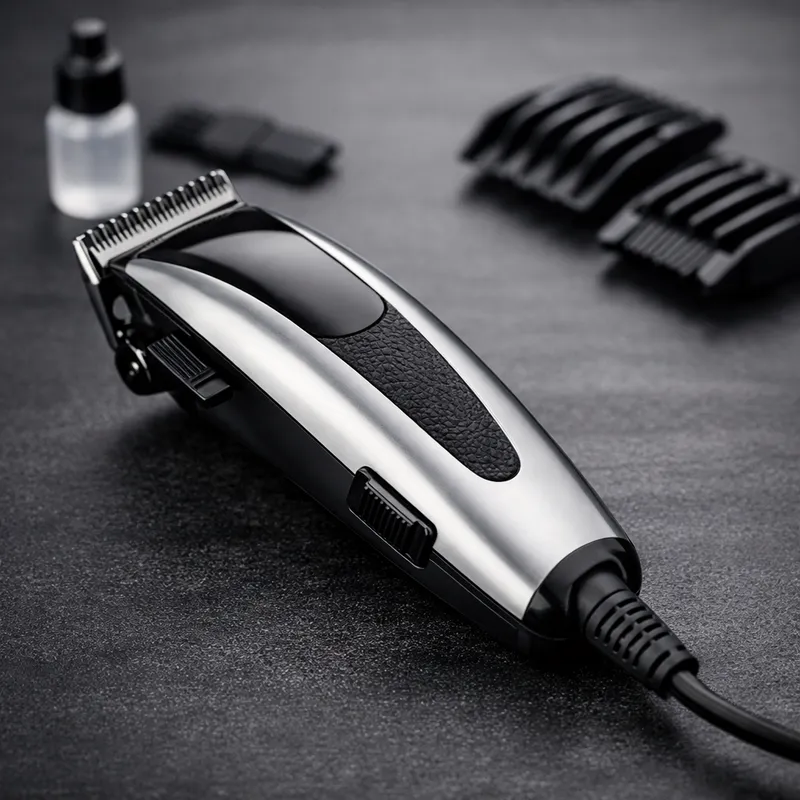
The “no regret” picks
Quick picks: choose your Philips all‑in‑one trimmer Series by goal
Most competing pages either throw model numbers at you or turn into a generic review. Here’s the practical approach: pick the Series that matches your routine, not someone else’s.
Series 9000
Premium pickBest if you want the most complete kit and “buy once” confidence. Great for men who maintain beard + edges + hairlines and want strong performance over time.
- Usually the most complete accessory set
- Often marketed with longer runtime
- Ideal for frequent groomers
Series 7000
Best valueThe “sweet spot” for most men: strong coverage without paying for every premium extra. If you want one tool that can handle beard, light hair work, and basic body grooming, start here.
- Balanced kit for everyday grooming
- Typically strong runtime for the price
- Good choice if you’re unsure
Series 5000
Budget all‑rounderBest if you want strong basics and a practical price. Ideal for consistent beard maintenance and simple touch-ups. If you’re not chasing ultra-precise micro-lengths, this is often enough.
- Reliable day-to-day trimming
- Good entry point for all-in-one kits
- Great if you keep your beard simple
Common buying mistake: choosing based on a single feature (like “pieces included”) and ignoring your real routine. If you only ever trim your beard to 3–5 mm, you don’t need a giant kit. But if you edge hairlines, detail a mustache, and do body grooming, the extra attachments stop being “extras”—they become the difference between easy and annoying.
Series matcher: pick the right Philips Norelco all‑in‑one trimmer in 60 seconds
This quick tool doesn’t ask for personal data and it doesn’t try to “sell” you the most expensive option. It simply matches the Series to your grooming routine.
1) Tell us your routine
Your recommendation will appear here.
Tip: If you’re unsure, answer based on the routine you’ll realistically maintain—not your “perfect” routine.
2) Buyer checklist (save your progress)
Use this before you buy any kit. It protects you from the biggest regret: missing one key attachment. This checklist saves locally in your browser (no account, no signup).
How to use this section: get your Series recommendation, then scroll to the comparison table to sanity-check it. If the kit contents don’t match your checklist, choose a different kit—even within the same Series.
Philips all‑in‑one trimmer comparison: 9000 vs 7000 vs 5000 vs 3000
Think of the Series numbers as your “confidence level” for a full routine. Higher Series typically means a more complete kit and more comfort for frequent grooming—especially when you trim multiple areas.
| Series | Best for | Typical strengths | Watch-outs | Who should pick it |
|---|---|---|---|---|
| Series 9000 | All‑in grooming with maximum confidence |
More complete kits, often longer runtime, better “buy once” feel. Great when you detail edges often and rotate between beard, hairline, and body grooming. |
Can be overkill if you only maintain a simple beard length. Always verify the exact guards included. |
Frequent groomers who want the most complete setup and fewer compromises. |
| Series 7000 | Best value all‑rounder |
Balanced kit that covers most routines (beard + hairline + basic body). Often the smartest “first good kit” if you’re undecided. |
Some kits vary more than you’d expect by retailer. Confirm precision and body accessories if they matter to you. |
Most men who want one reliable tool without paying premium pricing. |
| Series 5000 | Strong basics at a practical price |
Great for consistent beard maintenance, simple touch-ups, and straightforward routines. Often enough if you don’t chase perfect 1–3 mm micro-length precision. |
You may miss certain specialty attachments depending on the kit. If you do a lot of body grooming, check comfort-focused guards. |
Budget-focused buyers who want quality basics and clear value. |
| Series 3000 | Starter kit / minimal routine |
Simple, lower cost, good for quick beard cleanups and light detailing. Works best when your routine is consistent and you don’t need many lengths. |
Limited accessories and usually less “coverage.” Not ideal if you expect one device to do everything. |
Men who want an entry-level kit for basic trimming and don’t need body/hair versatility. |
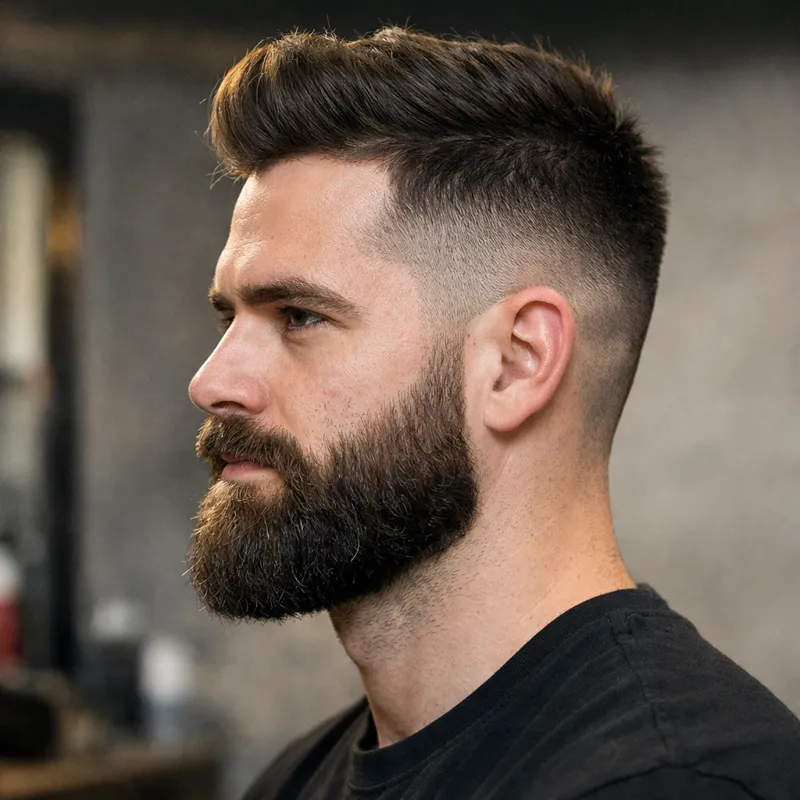
How to stop overthinking this decision
If you want a safe choice: pick Series 7000 unless you have a clear reason to go premium. Upgrade to Series 9000 if you groom often, want the most complete kit, and care about having fewer compromises. Choose Series 5000 if you want strong basics and your routine is mostly beard maintenance.
The “best” trimmer isn’t the one with the biggest kit—it’s the one that matches your routine so well you actually keep using it.
How to choose the best Philips all‑in‑one trimmer (4 decisions that actually matter)
The reason most people end up disappointed isn’t that Philips makes “bad” kits. It’s that buyers pick based on marketing words instead of the four decisions below.
1) What are you trimming: beard only, or beard + hair + body?
An all-in-one trimmer is the best “one tool” solution, but it’s still a compromise versus dedicated tools. Decide what you really trim:
- Beard only: You’ll care most about consistent lengths, comfort, and easy cleanup.
- Beard + hairline/sideburns: You’ll care about precision, edge control, and detail tools.
- Beard + body: You’ll care about comfort-focused guards and safe technique.
- Everything: You’ll benefit most from a higher Series because you’ll actually use the extra accessories.
2) Do you need precision at short lengths (1–3 mm)?
A lot of “bad trims” happen at short lengths: stubble looks uneven, the neckline gets harsh, and the mustache ends up too short. If you like a stubble look or you regularly trim down to short lengths, prioritize precision over the biggest accessory count.
3) Do you groom wet, dry, or both?
If you always groom dry and clean with a brush, you can prioritize the kit and ergonomics. If you groom in the shower, prioritize easy rinsing and practical cleaning—because “hard to clean” becomes “I don’t use it.”
4) Are you buying for travel or daily use?
For travel, the “best kit” is not the biggest. It’s the one that packs well, stores attachments cleanly, and charges in a way that fits your lifestyle. If you travel frequently, you’ll appreciate a cleaner storage system more than two extra guards you never use.
Simple rule: If you trim multiple areas weekly (beard + hairline + body), you’ll feel the difference with a higher Series. If you mainly maintain one beard length and clean up edges, Series 5000–7000 is usually the smart zone.
How to trim with an all‑in‑one trimmer: the barber‑style method (cleaner results, fewer mistakes)
You don’t need a perfect hand to get a clean outcome. You need a repeatable method. Use this routine to avoid the two most common problems: cutting too short too fast, and creating harsh lines that don’t blend.
Step-by-step routine
- Start longer than you think. Pick a guard above your target length and do one full pass first.
- Work in zones. Cheeks → mustache → jaw → neck → sideburns → detail/edges last.
- Step down gradually. Reduce length in small steps until it looks right. Don’t jump from long to short.
- Blend the neckline. Keep the neckline slightly longer than the beard, then taper downward for a natural finish.
- Edge carefully. Use the detail tool for cheek lines and mustache edges. Light pressure. Short strokes.
Most common mistake: pressing hard to “make it faster.” Heavy pressure increases irritation and creates uneven patches—especially on the neck.
Trim plan builder (small tool)
Pick your target beard length and this tool generates a safe “work down” plan so you don’t overshoot. It’s technique-based (works across Philips kits), not model-specific.
Your trim plan will appear here.
This is designed to reduce “oops too short” moments and make your trim look intentional.
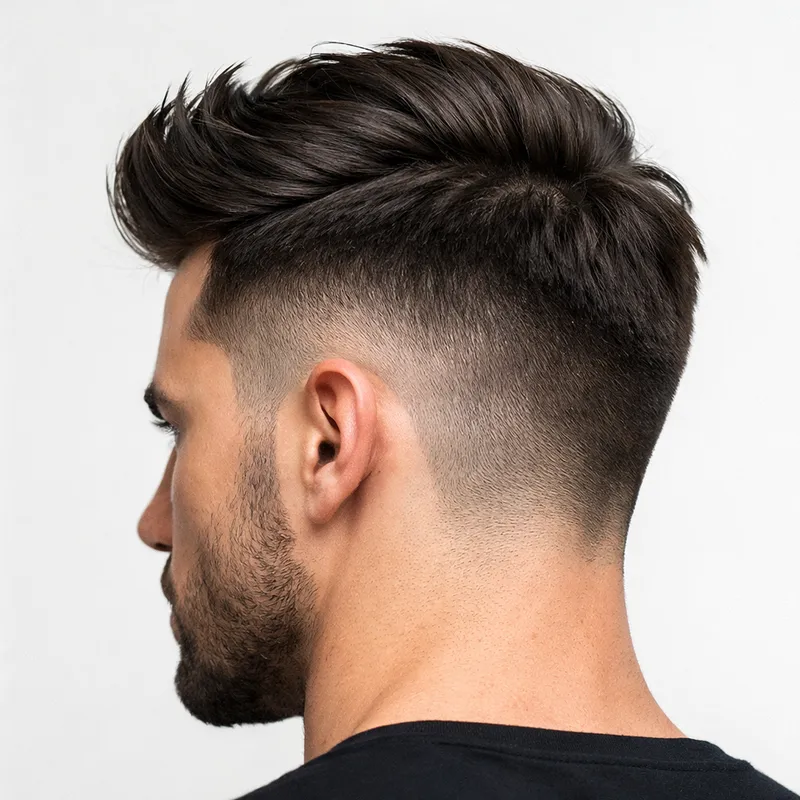
Body grooming with an all‑in‑one trimmer (do it safely)
Many Philips multi-groom kits are capable of body trimming, but technique matters more than the brand. For comfort and safety:
- Start with a guard. Don’t go unguarded on sensitive areas.
- Use light pressure. Let the trimmer do the work.
- Go slow. Short strokes give you control and reduce irritation.
- Stretch the skin gently. This reduces snagging risk.
If your main goal is below-the-belt comfort, a dedicated body groomer can still be the better specialist tool. The all‑in‑one is the best “one tool” solution—just not always the most specialized one.
Maintenance: keep your Philips all‑in‑one trimmer cutting clean (and stop hair pulling)
A trimmer that “suddenly feels worse” usually isn’t broken—it’s clogged, dirty, or used with the wrong pressure. Maintenance is also what keeps your trim consistent over months, not just the first week.
After every use (60 seconds)
- Tap out hair from guards and cutting areas
- Rinse washable parts if your kit supports it
- Dry fully before storing (prevents odor + corrosion)
Goal: remove hair buildup so the cut stays smooth and doesn’t tug.
Weekly (if you trim often)
- Brush out the cutting head carefully
- Check for trapped hairs around edges
- Wipe down the handle (especially if used wet)
Goal: prevent performance drop that feels like “dull blades.”
When it starts pulling
- Clean thoroughly first (most fixes happen here)
- Trim dry before wet (better control)
- Use lighter pressure and shorter strokes
Goal: restore smooth cutting before assuming replacement is needed.

Do you need blade oil?
Some modern trimmers are designed to be low-maintenance and don’t require traditional blade oil the way older clippers do. The safest universal advice is: keep it clean and dry, and only add lubrication if the manufacturer specifically recommends it.
If you’re unsure, treat cleaning as the “real maintenance.” It solves the majority of performance complaints.
Want a pro finish instead of a “good enough” trim?
All‑in‑one trimmers are excellent for maintenance: keeping your beard shape clean, touching up edges, and staying presentable between appointments. But if you want a full refresh—fade work, a sharp lineup, or a big style change—nothing beats a skilled barber.

Use your trimmer for maintenance. Use a barber for the transformation.
If you’re preparing for an event, fixing a previous “oops,” or you just want your best look, get the pro finish and then maintain it at home with your Philips all‑in‑one trimmer.
If these links don’t match your site structure, swap them with your local-intent pages (the button design will stay intact).
Philips all‑in‑one trimmer FAQs
These answers are written for real grooming decisions—what to buy, how to avoid mistakes, and how to get a cleaner result.
What is a Philips all‑in‑one trimmer (Multigroom), and who is it for?
Series 9000 vs 7000 vs 5000: which should I choose?
Can I cut my hair with a Philips Norelco all‑in‑one trimmer?
Is it safe to use an all‑in‑one trimmer for body grooming?
How do I get a clean neckline without making it look harsh?
Why is my trimmer pulling hair—and what should I do first?
Do Philips all‑in‑one trimmers need blade oil?
What’s the fastest way to avoid “oops too short”?
Related guides you can link here (optional): Beard Trimmers, Body Trimmers, Men’s Trimmers, Philips Trimmer.
Last updated: January 2026