
This page is a practical, barber‑style guide to the Wahl all in one trimmer lineup—especially the Wahl lithium ion all in one trimmer kits and the upgraded Wahl lithium ion all in one trimmer stainless steel versions. You’ll learn what each attachment is for, how to pick the right kit for your routine, and how to trim your beard and neckline without making them look “home‑done”.
- Best for: beard maintenance, neckline cleanup, sideburns, detail work, ear/nose grooming.
- Most people get better results by using a simple guard strategy (start longer, step down), then finishing with the detail head.
- Stainless steel kits usually make sense if you want a more premium body, travel‑friendly features, or wet/dry flexibility (depending on model).
Tip: If you only do one thing from this guide, make it the neckline cleanup. It’s the fastest way to look sharper without changing your haircut.
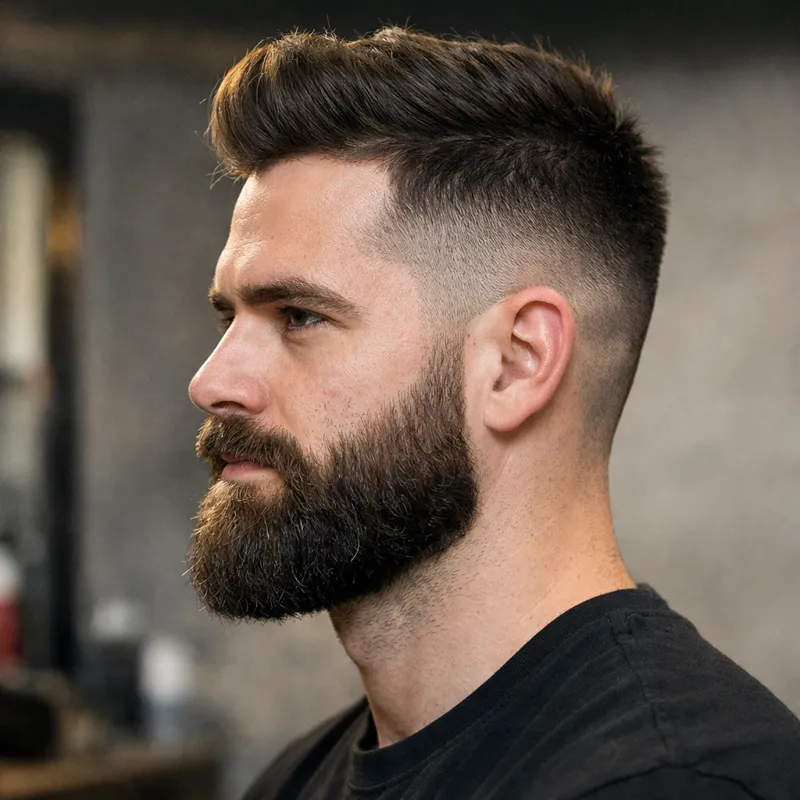
Trim beard, edges, and detail areas with the right head—so you stop forcing one blade to do every job.
Cordless use for quick touch‑ups—especially before work, dates, events, or a fresh photo.
With the right technique, your neckline and sideburns stay “barber‑fresh” longer—without weekly full cuts.
Quick navigation
Jump to the exact part you need. Everything here is written to help you get a better result the next time you trim.
- What the Wahl All‑In‑One Trimmer is (and isn’t)
- Lithium‑Ion vs Stainless Steel: which kit fits your routine?
- Attachments explained + guard strategy that actually works
- How to trim beard + neckline like a barber (step‑by‑step)
- Interactive tools: Trim Plan Generator + mm/in converter
- Maintenance that prevents pulling, irritation, and uneven cuts
- FAQs (SEO‑friendly)
What the Wahl All‑In‑One Trimmer is (and isn’t)
A Wahl all in one trimmer is built to do maintenance grooming across different areas: beard length control, outline cleanup, and small detail zones. The “all‑in‑one” part usually means interchangeable heads (for example: a main trimmer head, a detail head, and an ear/nose head) plus guide combs to control length.
An all‑in‑one trimmer is not a full‑power clipper replacement for heavy head hair cutting. It can absolutely keep your look sharp between haircuts, but for full fades from scratch, dedicated hair clippers are usually faster and more forgiving.
Who this is perfect for
- Beard wearers who want a consistent length without guessing.
- Busy guys who want a 3–5 minute neckline cleanup that changes how “fresh” they look.
- Travelers who want one kit that covers beard + detail grooming without packing extra tools.
Who should consider clippers instead
- If you regularly cut your own hair and want fast bulk removal.
- If you do full fades often and need a taper lever and wider blades.
- If you want the easiest path to perfectly blended transitions (clippers + guards are built for that job).
Lithium‑Ion vs Stainless Steel: which kit fits your routine?
If you’re comparing a Wahl lithium ion all in one trimmer to a Wahl lithium ion all in one trimmer stainless steel kit, the biggest differences usually come down to feel, durability, and convenience features. The stainless steel versions are often positioned as a more premium build, while standard Lithium‑Ion kits typically focus on core functionality and value.
Quick comparison (use this to decide fast)
| What you care about | Standard Lithium‑Ion all‑in‑one | Stainless steel Lithium‑Ion all‑in‑one |
|---|---|---|
| Daily feel | Usually lighter and simple—great for quick trims. | More premium feel; can be slightly heavier but more solid. |
| Shower / wet use | Model dependent—many are best kept dry. | Often marketed with wet/dry capability (still model dependent). |
| Travel convenience | Typically strong cordless use; fewer “extras”. | Often includes travel-friendly touches (varies by kit). |
| Best match | If you want reliable grooming and good value. | If you want premium build and extra convenience features. |
Pick the right kit by answering 6 questions
- Do you trim mostly beard length or mostly edges (neckline/cheeks)?
- Do you need wet/dry use (sink/shower) or is dry grooming fine?
- Do you travel often and want fewer tools and fewer charging headaches?
- Do you prefer a lighter device (fast sessions) or a heavier premium feel?
- Do you maintain a short look (stubble/short beard) or longer beard lengths?
- Are you buying for “one tool only” use, or do you already have clippers and need a dedicated trimmer?
If you mainly want clean edges, prioritize a kit with a strong detail head and comfortable handling. If you mainly want consistent beard length, prioritize guide options and stable guard fit.
Attachments explained + the guard strategy that actually works
Most Wahl all‑in‑one kits include a few core heads. The names differ by kit, but the roles are consistent. Use the correct head and you’ll cut faster, safer, and with less irritation.
What each head is for
- Main trimmer head: beard length trimming, neckline cleanup, sideburn maintenance.
- Detail/precision head: sharper control for corners, mustache edges, goatee definition, and small touch-ups.
- Ear/nose head: controlled trimming in tight areas—don’t improvise this with the main blade.
The “no‑mistake” guard strategy
The most common home-grooming failure is choosing a guard that’s too short on the first pass. Here’s the strategy professionals use to reduce mistakes:
- Start longer than your goal (even if it feels too long).
- Do one full pass to remove bulk and reveal uneven areas.
- Step down one level at a time until it matches your target look.
- Finish with detail work (cheek line + neckline) using the detail head.
Hair lays differently across your face and neck. A longer first pass exposes the “high spots” and avoids carving bald patches into your beard.
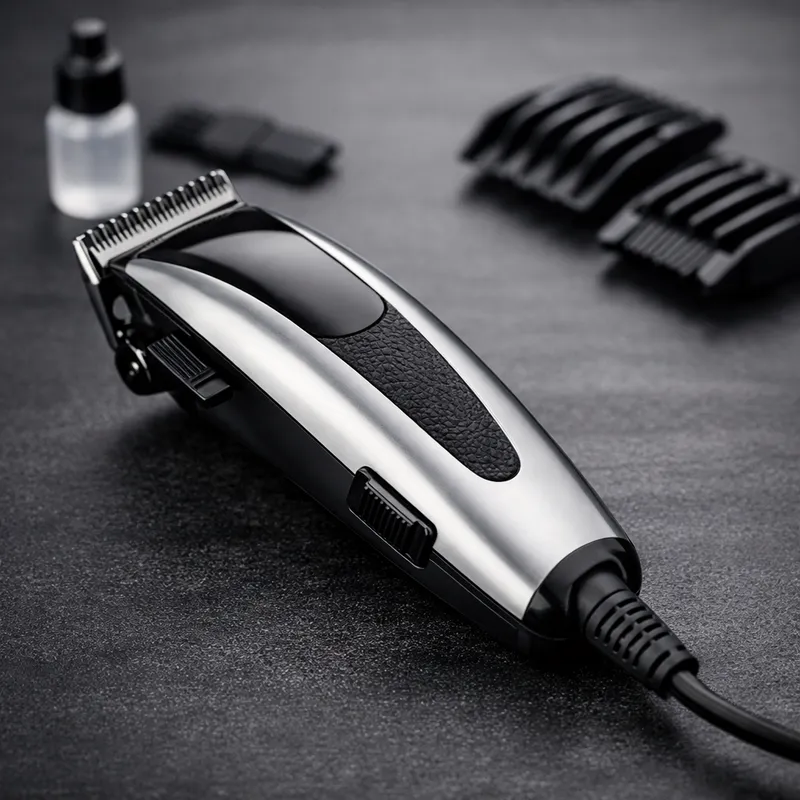
What to do if you’re stuck between two lengths
If you can’t decide between “short” and “a bit longer”, choose longer for 7 days. Most guys look better with slightly more fullness than they think, especially in daylight. After a week, step down one setting if you still want it tighter.
When you should NOT use a guard
- Neckline cleanup below the line (you want a clean removal zone).
- Detailing corners (guards reduce precision).
- Defining a cheek line (start conservative; tiny changes are huge on the face).
How to trim beard + neckline like a barber (step‑by‑step)
This is the exact flow that gives the cleanest result for most men using a Wahl all‑in‑one trimmer. It’s designed to minimize irritation, avoid uneven patches, and keep your face looking sharper between cuts.
Before you start (1 minute)
- Dry is easier for symmetry. If you trim after a shower, towel-dry fully first.
- Comb your beard down and out. You’re revealing real length, not bent hair.
- Good light matters. Bad lighting creates “over-correction”.
Step 1: Set beard length (bulk pass)
- Choose a guard that feels slightly longer than your target.
- Trim with the grain first to reduce snagging.
- Do a second pass against the grain only if you want it tighter and your skin tolerates it.
Step 2: Define the cheek line (conservative)
Your cheek line should look clean, but not “drawn on”. The safest technique is to remove only stray hairs above your natural line first. If you want a sharper style, adjust slowly—because 2 millimeters can change your whole face.
Step 3: The neckline cleanup that makes you look immediately sharper
Most guys trim their neckline too high. That creates a floating beard and makes the jaw look smaller. Use this simple approach:
- Find your natural neckline: place two fingers above the Adam’s apple. That’s the “do not go higher” zone for most beards.
- Create your line with the main head or detail head (slow, symmetric strokes).
- Clear below the line (short strokes downward, then tidy the edges).
- Blend one step up (a slightly longer guard just above the line can soften harsh transitions).
After trimming, look straight ahead and take a photo from chest height. Photos reveal asymmetry that mirrors hide.
Step 4: Sideburns and around the ears
- Choose whether you want square or slightly tapered sideburn ends.
- Use the detail head for the final edge to keep corners clean.
- Don’t chase perfection around the ear curve—clean and natural beats over-cut.
Step 5: Nose & ear grooming (safe technique)
- Use the dedicated nose/ear head.
- Trim slowly—remove what’s visible, not everything.
- Never force the tool deep into the nostril or ear canal.
Interactive tools: Trim Plan Generator + mm/in converter
Most guides stop at “use a guard” and “go slow.” That’s not enough. These tools convert your goal into a clear plan—what to do first, what to do last, and what mistakes to avoid. No account. No form. Just practical output.
1) Trim Plan Generator (recommended starting approach)
Choose your current beard length, your goal, and your skin sensitivity. You’ll get a plan designed to reduce patchiness and irritation.
Your plan will appear here. Tip: if you’re unsure, select “Maintain length + clean lines” and start with a longer guard.
2) Guard Length Converter (mm ↔ inches)
Some guides list guard lengths in mm; others list inches. Use this quick converter so you don’t accidentally pick the wrong length.
Enter a value in mm or inches, then click Convert.
Maintenance that prevents pulling, irritation, and uneven cuts
Most trimmer complaints come down to maintenance, not “bad devices.” If your trimmer pulls hair, feels rough, or leaves uneven patches, it’s usually one of these: buildup in the blade, dry blades, wrong head for the job, or trying to remove too much length in one pass.
The 60‑second routine after each trim
- Remove the head and tap/brush out trapped hair.
- Wipe contact points (hair + skin oils reduce cutting efficiency).
- Oil lightly (when needed)—one small drop is usually enough. Too much oil attracts more debris.
- Store dry (especially if your kit is not wet/dry rated).
Battery habits that keep performance consistent
- Don’t wait for the battery to be completely dead every time.
- If you travel, charge before packing and use any travel-lock feature your model provides.
- If you store it for months, top it up occasionally so it’s ready when you need it.
Follow the manual for your specific kit—especially around wet use, cleaning methods, and charging behavior. “All‑in‑one” kits vary.

Common mistakes that ruin the result (and how to avoid them)
- Setting the neckline too high: creates a floating beard. Use the two‑finger rule above the Adam’s apple as a safe starting point.
- Going too short too fast: always start longer, then step down.
- Over‑sharpening the cheek line: looks unnatural. Remove strays first; refine only if needed.
- Using the wrong head: the detail head exists for a reason—use it for corners and symmetry.
- Chasing symmetry in bad lighting: you overcut. Fix lighting first, then trim.
Want the cleanest possible lineup?
Home trimming is perfect for maintenance. But if you want a perfect fade, sharp lineup, or full beard shaping, a top barber will get you there faster—and with fewer mistakes.
- Best time to book: before interviews, weddings, important events, or when you’re changing your style.
- Best combo: barber cut every few weeks + Wahl all‑in‑one maintenance at home.
If your goal is “I want to look sharper with minimal effort,” this combo usually wins.

FAQs about the Wahl all in one trimmer
These answers are written for real users: what to buy, how to use it, what goes wrong, and how to fix it without wasting time.
What is a Wahl all in one trimmer best used for?
It’s best for maintenance grooming: keeping a beard at a consistent length, cleaning up the neckline and sideburns, and handling detail zones with the right attachment. Think “stay sharp between haircuts,” not “replace a full barber setup.”
What’s the difference between the Wahl lithium ion all in one trimmer and the stainless steel version?
The main differences are typically build feel (stainless steel is more premium), and convenience features (often more travel/wet-use focused, depending on model). Your best choice depends on whether you value lightweight simplicity or premium durability and extra features.
How do I avoid patchy beard results with an all‑in‑one trimmer?
Patchiness usually happens when you start too short. Use the guard strategy: start longer, do a full pass, step down slowly. Comb the beard first, and use consistent direction so you’re not cutting randomly across hair grain.
How often should I clean and oil the trimmer?
Brush out hair after every trim. Oil lightly when the blade starts to sound dry, feel rough, or cut less efficiently. One small drop is usually enough—over‑oiling can attract more debris.
Can I use a Wahl all‑in‑one trimmer for haircuts and fades?
You can do cleanup and light taper work, but full fades are easier with dedicated clippers. If you want consistent fade results at home, use clippers for bulk and blending, then use the trimmer for outline and detail.
Why does my trimmer pull hair or feel uncomfortable?
The most common reasons are blade buildup, dry blades, cutting too much length at once, or using the wrong head. Clean the blade, consider a small amount of oil, start with a longer guard, and avoid pressing hard into the skin.
What’s the safest way to trim the neckline without messing it up?
Don’t set the line too high. Start around two fingers above the Adam’s apple, create a gentle shape, then clear below the line. If you’re unsure, keep it lower—most neckline mistakes come from going too high.
Is stainless steel automatically “better”?
Not automatically. Stainless steel often feels more premium and may include extra convenience features, but the “best” kit is the one that fits your routine: how often you trim, where you trim (dry vs wet), and whether you prefer lightweight handling.
Related guides you may want next
- Wahl Trimmers (full lineup guide)
- Men’s Trimmers (how to choose the right type)
- Clipper Guards (length chart + how guards really work)
- Philips All‑in‑One Trimmer (comparison alternative)
- Braun Shaver + Trimmer (comparison alternative)
Trademark note: “Wahl” is a trademark of its respective owner. This page is an independent informational guide.