
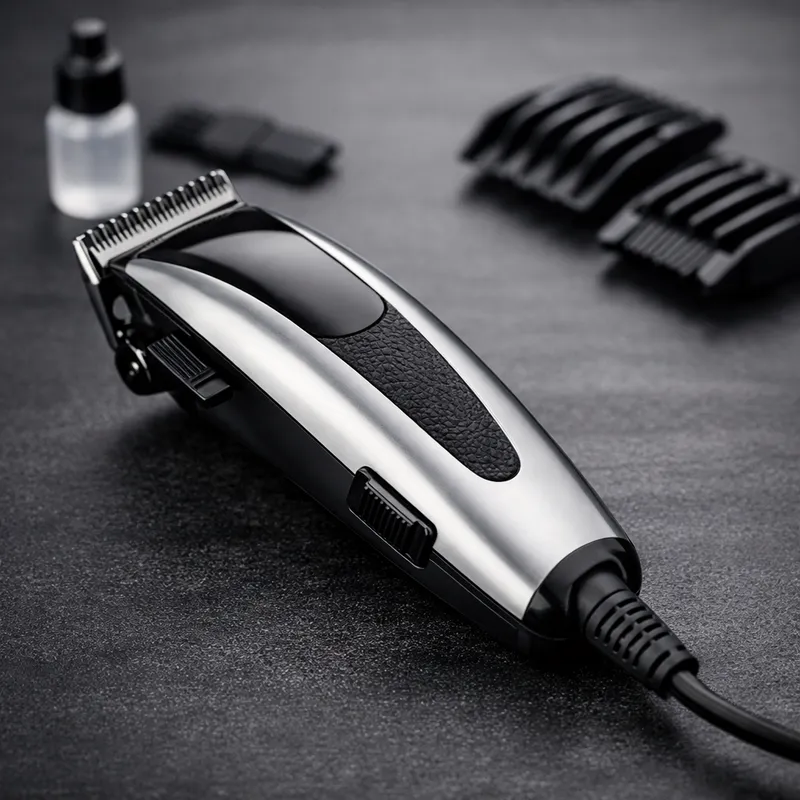
Make “Wahl hair clippers” simple: pick the right setup, cut clean, and avoid buyer regret
Searching Wahl hair clippers usually means one thing: you want a result that looks intentional— not a patchy DIY cut, not a clipper that pulls, and definitely not a fake. This page is built to help you choose the best Wahl clipper type for your goal (fade, buzz cut, balding, thick hair), and then actually use it correctly with guard control, lever control, and blade maintenance.
- Fast decision tools (clipper selector + guard converter) so you stop guessing.
- Barber-level fundamentals that make fades and tapers look smoother—without buying 10 different tools.
- Authenticity + maintenance so your Wahl cordless clippers stay sharp, cool, and consistent.
Note: MensHaircutStyle is not affiliated with Wahl. “Wahl” is a trademark of its owner. This guide focuses on real-world decision-making and technique.
Wahl Clipper Selector (fast decision)
If you only take one thing from this page, take this: the “best Wahl clippers” depend on your goal and your workflow. Fades require lever control and blending. Buzz cuts require consistency and the right guards. Bald fades require a closer cutting tool and safer finishing.
Step 1: What are you trying to achieve?
Step 2: Corded or cordless?
Step 3: Your experience level
Pick a goal (Step 1) to get a suggested setup, what to avoid, and where to go next on the page.
Prefer a guaranteed result?
If you want a clean fade without the learning curve, go pro. A good barber can deliver in one visit what most DIY cuts take weeks to master.
(No forms here—these buttons can send traffic to your lead pages.)
Best Wahl Hair Clippers by goal (what to buy, and why it works)
People search for Wahl professional hair clippers, wireless Wahl clippers, or even “Wahl Sr clippers” (usually meaning the Senior) because Wahl has options across beginner kits, cordless barber clippers, and ultra-close balding tools. The key is matching the clipper to how you cut—not how marketing labels it.
Cordless pro clipper with lever control
For fades and tapers, prioritize an adjustable taper lever and a blade made for blending. This is where “Wahl barber clippers” shine—especially in the 5-Star range.
Good matches: Magic Clip / Legend / Senior families (choose based on how tight you fade and your hair density).
Consistent guards + simple workflow
A buzz cut is about consistency: the right Wahl clipper attachments (guards), steady pressure, and clean passes. You don’t need the most aggressive motor—just a reliable setup.
Good matches: home haircut kits with clear guards (often color-coded) + a #2 or #3 baseline.
Dedicated balding clipper + finishing tool
“Bald” is its own category. A true balding clipper cuts closer than a standard clipper. For the smoothest finish, pair a balding clipper with a foil shaver (a common “Wahl clippers shaver” search intent).
If you search “Wahl balding clipper cordless”: many people prefer cordless, but the closest balding performance is often a dedicated tool + shaver combo.
Quick comparison (popular Wahl pro options)
This is not a “one clipper wins everything” table. It’s a decision map. Use it to narrow your choice, then jump to blades/guards so the tool actually performs.
| Model (example) | Best for | Blade type (common) | Power style | Why it earns its spot |
|---|---|---|---|---|
| 5-Star Magic Clip | Seamless blends + fading | Stagger-tooth style (softens lines) | Cordless / often cord-capable | Designed specifically for blending—great “fade clipper” ergonomics for detail work. |
| 5-Star Legend | Longer fade range + tapering | Wedge-style blade (fade-friendly) | Cord/cordless combo | More forgiving fade range for beginners and “line-prone” fades. |
| 5-Star Senior | Tapering + clipper-over-comb | Adjustable blade | Cordless/corded combo | A classic barber workhorse when you want power and traditional control. |
| 5-Star Balding | Full head balding + bald fades | 6×0 / ultra-close | Corded | Built for ultra-close cutting (not a general-purpose beginner clipper). |
| Color-coded home kit | Beginner DIY cuts | Standard home blade | Cordless or corded (varies) | Guard clarity = fewer mistakes. Great entry point for men’s home haircuts. |
Buying rule that saves money
If your goal is fades, don’t buy a random “Wahl portable clipper” and hope it fades. Buy a clipper designed for blending, then spend your effort on: guard strategy, lever steps, and clean/oiled blades. That’s what makes a fade look expensive.
Blades, levers, and why your fade looks “liney”
When people say a clipper is “good” or “bad,” they often blame the motor. In reality, most home users struggle because of blade + lever fundamentals: the clipper is capable, but the cutting system isn’t being used intentionally.
1) Adjustable lever = micro-length control
A lever lets you blend between lengths without swapping guards. That’s why Wahl professional clippers are so common for fades: you can “erase” lines instead of stacking harsh steps.
2) Blade type affects how harsh lines appear
Blades designed for blending (like stagger-tooth style or wedge-style) help soften transitions. This matters even more on thick hair, dark hair, or when you cut under bright bathroom lighting.
3) A dry blade cuts worse than a weaker motor
Tugging, heat, and uneven cutting are often maintenance problems. If your Wahl cordless clippers start “snagging,” clean and oil first—then evaluate blade wear.
Blade numbers you’ll see (and what they mean)
You’ll often find replacement blades referenced by numbers (for example: stagger-tooth, wedge blade, balding 6×0). You don’t need to memorize them—but you should understand the categories:
- Fade/blending blades: built to reduce visible lines and improve blending.
- Wedge-style blades: useful for longer fade ranges and bulk blending.
- Ultra-close / 6×0 blades: designed for very short cuts and balding work.
If you’re shopping for Wahl clipper blades, match the blade style to your haircut goal—not the other way around.
Wahl clipper guards (attachments) — size chart + length converter
Guards are where most DIY cuts go wrong. People think they “used a #2,” but they used the wrong guard, the guard wasn’t seated, or they cut the wrong zone too short. This section gives you a clear guard chart and a simple converter so you can plan a cut before you start.
Standard guard chart (most common)
| Guard | Length (inches) | Length (mm) |
|---|---|---|
| #1/2 | 1/16″ | 1.5 mm |
| #1 | 1/8″ | 3 mm |
| #1.5 | 3/16″ | 4.5 mm |
| #2 | 1/4″ | 6 mm |
| #3 | 3/8″ | 10 mm |
| #4 | 1/2″ | 13 mm |
| #5 | 5/8″ | 16 mm |
| #6 | 3/4″ | 19 mm |
| #7 | 7/8″ | 22 mm |
| #8 | 1″ | 25 mm |
Simple rules (that prevent regrets)
- Start longer than you think. You can always go shorter.
- Use zones (bottom/mid/top) instead of “random fixing.”
- On fades: change only one variable at a time (guard or lever, not both).
Guard Length Converter (tool)
Use this to translate what you want (“10 mm on the sides”) into guard numbers, or to double-check a guard before you start cutting.
Select a guard or enter a millimeter length to see the closest match.
Heads vary. Hair density varies. If you’re unsure, test one small area first.
How to cut your hair with Wahl clippers (clean, repeatable workflow)
Most DIY clipper haircuts fail because people cut without a plan. Here’s a workflow you can repeat—whether you’re using Wahl cordless barber clippers or a simple home kit. It’s built for men who want clean lines and minimal mistakes.
The “3-zone” system (stops patchiness)
- Set a baseline length (start longer). For many buzz cuts, #3 or #4 is forgiving.
- Cut the easy areas first (sides/back). Save edges and detail for last.
- Work in zones: bottom (around ears/neck), mid (sides), top (transition).
- Blend transitions using half-steps (lever) or one guard up.
- Finish intentionally: neckline cleanup is controlled, not “random straight lines.”
Beginner fade logic (no fancy talk)
A fade is just three lengths stacked in a controlled way. If you want a low/mid/high fade, you’re just changing where the transition starts.
- Bottom: shortest (often #1/2–#1 range, depending on comfort).
- Middle: one step longer (#1.5–#2 range).
- Upper: blend into longer length (#3–#4+ or scissor work).
If you keep getting a harsh line, your “middle” zone is too small or you’re jumping lengths too aggressively.
Fade Plan Builder (mini tool)
Choose a starting guard and your fade height. This outputs a simple 3-zone plan you can follow. It’s built for real-world DIY, not barber-school theory.
Choose your start guard to generate a zone-by-zone plan.
Safety note: if you’re going very short near skin, don’t force the clipper. Slow down and keep the blade cool.

If you want the fade to look sharper
Don’t chase perfection with shorter and shorter guards. Fix lines with controlled half-steps and clean blades. When in doubt: stop, reassess the zone, and blend with intention.
Maintenance (the difference between “great Wahl clippers” and “mine pulls hair”)
Maintenance is not optional. Hair, skin oil, and moisture create friction. Friction creates heat. Heat causes tugging and uneven cutting. If you want your Wahl professional clippers to feel sharp for years, treat maintenance like part of the haircut.
After every haircut (5 minutes)
- Brush out hair from the blade and housing.
- Sanitize (use a proper clipper disinfectant/spray).
- Oil the blade (a few drops, then run the clipper briefly, wipe excess).
Common problems → fast fixes
- Tugging/pulling: clean + oil first; then consider blade wear or alignment.
- Clipper getting hot: oil more consistently, clean deeper, reduce pressure, take short pauses.
- Uneven cutting: confirm guard is fully seated; slow down; cut against growth; check blades.
If you’re searching “Wahl clipper blades” because the clipper is pulling, you’re often right: blades wear. But rule out “dirty/dry” first.
Maintenance Planner (mini tool)
Pick how often you cut hair. This generates a realistic schedule for cleaning and blade checks. It’s designed for home users and busy barbers alike.
Select a frequency to generate a maintenance routine.
Blade alignment matters. If you’ve adjusted blades before, double-check they’re not set too aggressively for skin contact.
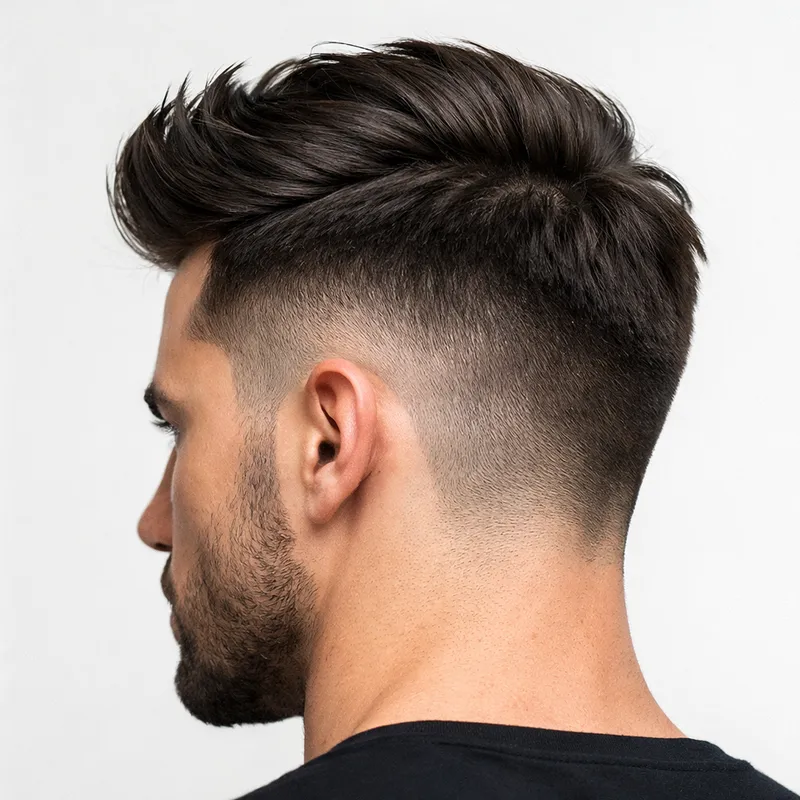
Buzz cut upgrade (most overlooked)
A clean buzz isn’t about going shorter. It’s about even passes and a blade that stays cool. If you’re getting “shadow patches,” slow down, cut against growth, and re-oil when the blade starts dragging.
Avoid counterfeits (especially when you see “Wahl clippers Amazon” searches)
Counterfeits are a real problem in popular grooming categories. They look similar in photos, but performance gives them away: inconsistent cutting, loud/rough motor sound, overheating, weak guards, and early failure. The safest approach is simple: buy through reputable sellers with clear return policies, and verify details when the tool arrives.
Authenticity checklist (what to verify)
- Packaging quality and correct model details.
- Engraving/labels look clean and aligned (not sloppy printing).
- Guards fit securely and don’t wobble.
- Lever action feels stable (not loose or gritty).
- Return policy exists and is easy to use.
Don’t “hope it’s fine.” Verify immediately while returns are easy.
Counterfeit Risk Estimator (mini tool)
This is not a guarantee—just a practical way to think. Check what applies and you’ll get a risk level.
Check boxes to estimate counterfeit risk.

If you’re stuck between two clippers
Don’t overthink it. Pick the one that matches your goal, then commit to the fundamentals: guard sizing, lever steps, and blade care. That’s how you get consistent results.
External reference (optional): official product pages are useful for verifying specs and included guard sets. Wahl Pro (official site).
Haircut ideas that pair well with clippers (quick inspiration)
Clippers are the tool, but the goal is the look. These styles are especially clipper-friendly because they rely on clean sides, tapers, fades, and controlled transitions. Use them to communicate what you want to your barber—or as a target if you’re practicing at home.
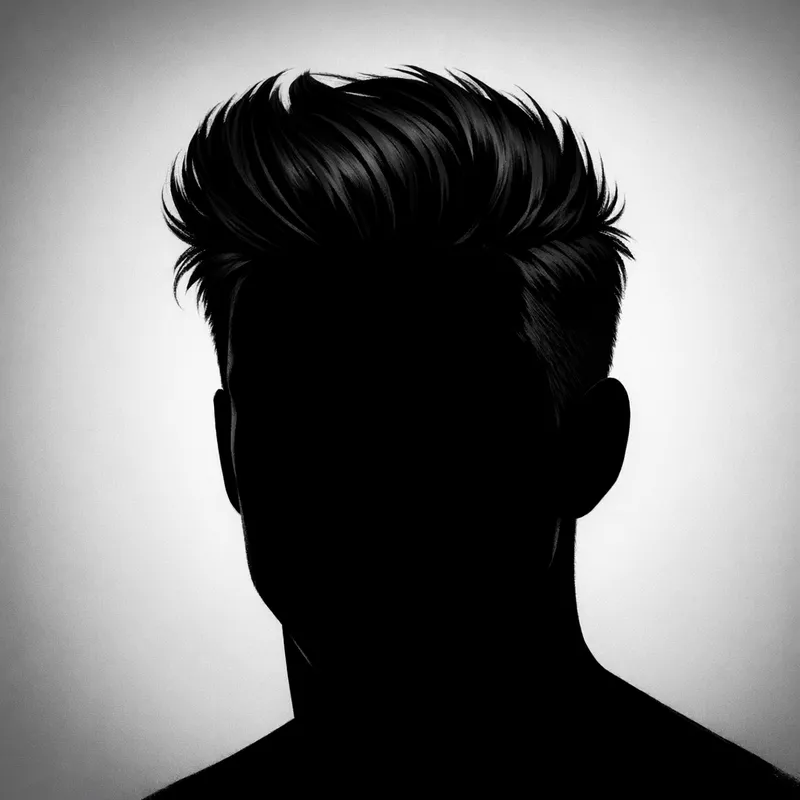
Undercut
Clipper-clean sides with a strong top contrast. Easy to maintain with the right guards.

Textured crop
Works great with fades. Controlled top texture hides minor DIY imperfections.

Quiff + fade
A classic “fade showcase” style. The blend on the sides does the heavy lifting.

Pompadour + fade
If you want a sharper profile, this is a high-impact fade + styling combo.

Top knot + shaved sides (clipper-friendly contrast)
One of the easiest “high contrast” looks to maintain at home: keep the sides tight with guards, and let the top grow. Great if you want a bold shape without constant scissor work.
FAQs (Wahl hair clippers)
These are the questions people ask right before they buy, right after they buy, and right after a DIY cut goes wrong. Read them once and you’ll avoid the most common mistakes.
Are Wahl hair clippers good for home haircuts?
Yes—if you choose the right type. For basic home haircuts, a kit with clear guards is usually the best start. For fades and tapers, an adjustable-lever clipper built for blending is worth it. Your results will depend as much on guard discipline and blade care as the clipper itself.
Which Wahl clippers are best for fades?
Look for a Wahl clipper with an adjustable taper lever and a blade designed for blending. Then pair it with guards that fit tightly (no wobble). If your fades look “liney,” your fix is usually: (1) increase your transition zone, (2) use smaller length jumps, and (3) keep blades clean and oiled.
Wahl cordless clippers vs corded: what should I choose?
Cordless is ideal for self-cuts and detailed work around ears and neckline because movement is easier. Corded is great for guaranteed power and long sessions. Many Wahl pro clippers offer cord/cordless flexibility—use whichever fits your habits.
What guard should I use for a buzz cut?
A common starting point is #3 (10 mm) or #4 (13 mm) if you’re unsure. #2 (6 mm) is shorter and can feel aggressive if it’s your first time. If you want a “military-clean” look, many go #1 to #2, but you should test a small area first. Use the Guard Converter above to lock in your plan before you cut.
Why are my clippers pulling hair?
The most common causes are dirty/dry blades or a worn blade set. Clean and oil first. If it still pulls, check blade alignment (especially if you’ve adjusted or replaced blades), and consider replacing the blade set if teeth are worn or damaged.
How do I avoid buying fake Wahl professional clippers online?
Buy from reputable sellers with clear returns, verify packaging and parts immediately, and pay attention to guard fit and lever stability. If the tool overheats quickly, cuts inconsistently, or feels cheaply assembled, treat that as a red flag and return it while you can.
Do I need a shaver if I want a bald look?
If you want skin-smooth, yes. Clippers (even balding clippers) typically don’t finish as smooth as a foil shaver. A common setup is: balding clipper for bulk removal + shaver for finishing.
Final takeaway: the “best Wahl clippers” are the ones you can use consistently
If you want the shortest path to a better result: pick the right clipper category, plan your lengths with guards, and keep blades clean and oiled. That’s how you get clean fades, crisp buzz cuts, and reliable home haircuts.
Want to improve fast? Save (or print) this page and follow one plan repeatedly. Consistency beats random experimentation.