
Philips Norelco OneBlade Hybrid Electric Trimmer: the fastest path to clean stubble, sharp edges, and fewer mistakes
OneBlade is popular because it solves a real grooming problem: keeping your beard and neckline looking intentional without turning every shave into a skin fight. This page helps you choose the right OneBlade family (Face, Face + Body, 360, Pro 360), learn a barber-style routine that works, and avoid the “patchy stubble / irritated neck” trap.
-
Trim → Edge → FinishThe order that prevents overcutting
-
Less irritationWhen you use light pressure + fewer passes
-
Simple upkeepClean routine + blade-life planning
-
Sharper look, fasterMaintain at home, reset lines with a pro
Tip: OneBlade kits and included attachments can vary by retailer and region. Use this guide to pick the right OneBlade family first, then confirm the exact box contents where you buy.
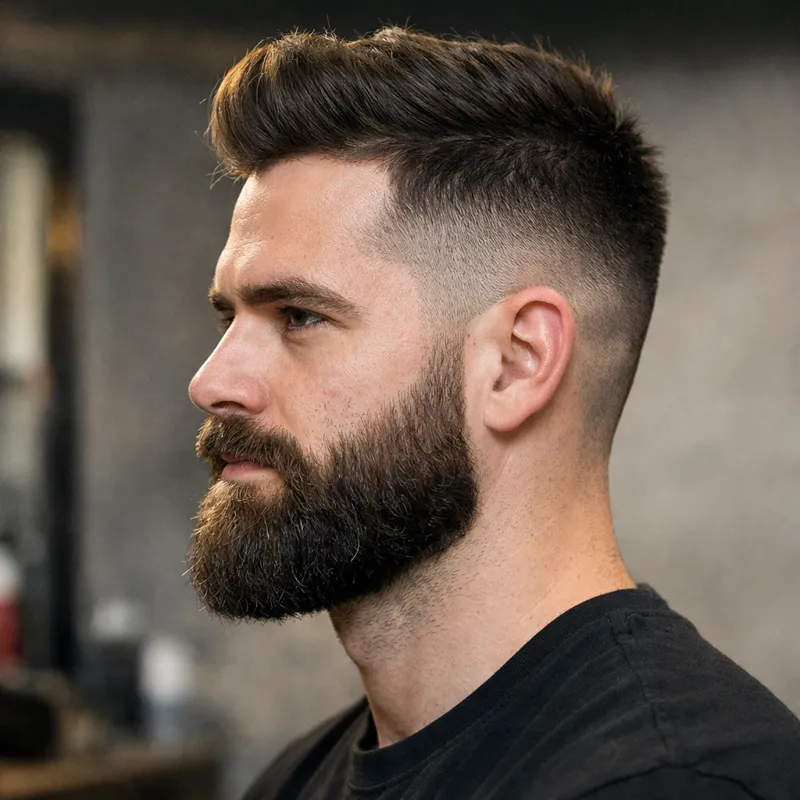
OneBlade Quick Picks (choose in 30 seconds)
Most pages talk about OneBlade like it’s one product. In real life, you’re choosing a OneBlade family (Face, Face + Body, 360, Pro 360) based on your routine: face-only vs face+body, how sensitive your neck is, how much length control you want, and how often you groom.
The goal isn’t “the best OneBlade.” The goal is the OneBlade that makes you groom consistently because it’s easy.
OneBlade Face (classic choice for stubble + edging)
If you mainly groom your face and want a simple tool that keeps your stubble even and your lines clean, the Face-focused OneBlade family is usually enough.
- Best for: daily/weekly stubble, cheek & neckline cleanup, travel light
- Why it converts: low-friction routine—easy to keep consistent
- Be honest: not built for “baby-smooth” shaving or long beard shaping
OneBlade Face + Body (one tool, less clutter)
If you want face grooming plus occasional body maintenance, Face + Body kits usually give you the most practical setup: the right guards and a more “all-around” feel.
- Best for: face + body, comfort-focused upkeep, simple kit that covers more
- Why it works: you keep one tool and stop “mixing” devices
- Watch-outs: still a comfort hybrid—don’t buy it expecting the closest shave
OneBlade 360 Face + Body (better on contours)
If your neck gets irritated easily or you struggle around the jawline, the 360-style OneBlade family is often the smarter pick because it’s designed to keep better contact over curves—meaning fewer passes.
- Best for: sensitive skin, jaw/neck contours, fast maintenance
- Why it’s effective: fewer passes = less irritation and better consistency
- Pro move: pair with the routine below (pressure matters more than people think)
OneBlade Pro 360 (most length control + convenience)
If you keep stubble or a short-to-medium beard and you care about repeatable length control, Pro 360 kits are typically the best “set it and forget it” experience. This is the pick when you groom often.
- Best for: frequent grooming, stronger length control, consistent weekly shape
- Why it converts: the easier it is, the more often you actually maintain
- Reality check: it won’t replace real hair clippers for head haircuts or fades
Use OneBlade for maintenance at home, then get an occasional professional line-up (cheeks + neckline) to reset your shape. Once your lines are clean, home upkeep becomes dramatically easier.
Mini Tool: OneBlade Model Finder (20 seconds)
You don’t need the perfect model number to make a good decision. You need the right feature direction: face-only vs face+body, contour comfort vs budget, and how much length control you want. Use this finder to get a practical recommendation you can shop with.
Tell us your routine
Comparison Table: OneBlade families (what matters in real life)
Ignore the confusing model numbers at first. The smartest way to choose is to compare families by use case, comfort, and length control. Then, after you’ve picked the family, you can select the exact kit based on included combs/guards.
| OneBlade family | Best for | Comfort on contours | Length control (typical) | Who should avoid it |
|---|---|---|---|---|
| OneBlade Face | Budget stubble + edging, face-only maintenance | Good (technique still matters) | Basic (comb-based) | If you need face + body or you’re highly irritation-prone |
| Face + Body | Most men who want one tool for face and occasional body grooming | Good | Good (more kit flexibility) | If you’re chasing ultra-close “razor smooth” daily |
| OneBlade 360 | Neck/jawline contours, sensitive skin, quick maintenance | Very good (fewer passes) | Good to very good (depends on kit) | If you only care about the lowest cost |
| OneBlade Pro 360 | Frequent grooming, repeatable results, stronger length control | Very good | Best (typically wider range) | If you want to replace hair clippers for head haircuts/fades |
Reality check: OneBlade is a comfort-focused hybrid. If your primary goal is the closest possible shave, you’ll usually be happier adding a dedicated electric shaver (foil/rotary) for finishing—while keeping OneBlade for shape and stubble.
What OneBlade does best (and what it doesn’t)
OneBlade wins when you treat grooming like a system, not a struggle. The system is simple: keep length even, define the borders, and finish lightly. If you do those three steps consistently, your face looks sharper even when you’re not fully “shaved.”
Clean stubble + defined edges
The biggest visible upgrade for most men is not a closer shave—it’s a cleaner cheek line and a sharper neckline. OneBlade makes that maintenance easy enough to actually keep up with.
Comfort-focused grooming
If your neck flares up from aggressive shaving, the biggest win is fewer passes with lighter pressure. Your skin doesn’t reward force. It rewards consistency.
Ultra-close daily shaving
If your definition of “good” is glass-smooth every day, a dedicated electric shaver will usually outperform. Many men use OneBlade for shape + an occasional finisher for that extra-close contrast.
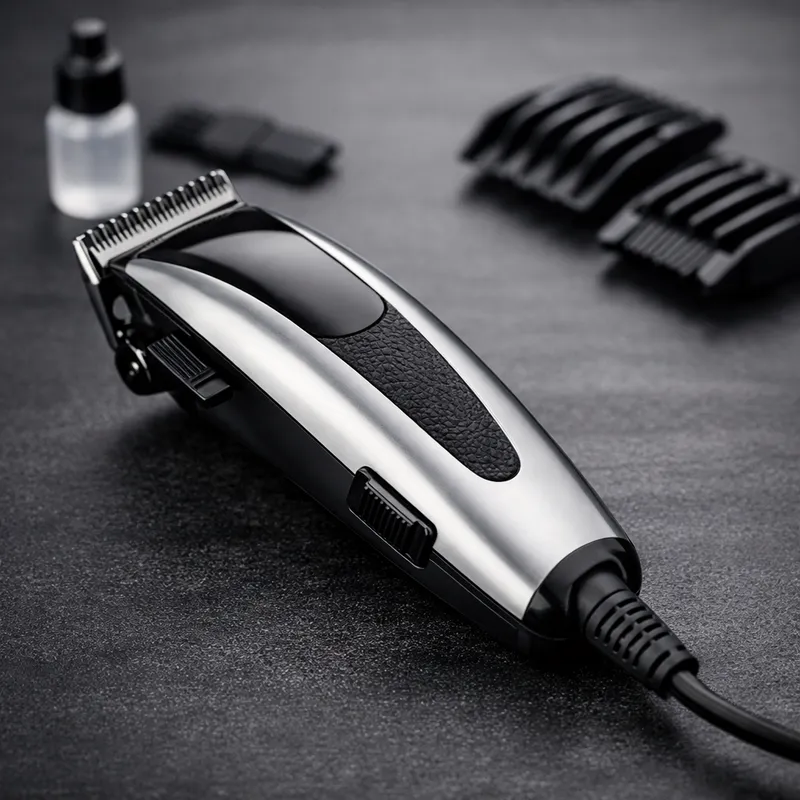

The barber-style routine that works: Trim → Edge → Finish
Most bad results happen because people do the steps in the wrong order. They edge first, then trim, then panic when symmetry changes—and they keep cutting until something looks “off.” The fix is simple: evenness first, then borders, then a light finish.
Trim for evenness
Start slightly longer than you think. Make slow passes in multiple directions to catch hairs that lay flat. Your goal is consistency, not perfection in one pass.
- Choose a longer guard/setting first
- Reduce length only where needed
- Leave the mustache until last
Edge your borders
Remove the guard. Use short strokes and light pressure. Stretch skin gently around the jawline. Clean edges are what make stubble look intentional.
- Cheek line first, neckline second
- Short strokes beat long swipes
- Stop when it looks clean—don’t chase “perfect”
Finish lightly
The finish is a cleanup pass. If you press hard trying to get “razor smooth,” you usually trade closeness for irritation. Aim for clean-looking, not painful.
- Light pressure, more control
- Fewer passes = happier neck
- Stop at “sharp,” not “overdone”
Place two fingers above your Adam’s apple. Set your neckline roughly there, then curve it gently toward the jaw. Avoid a hard “U” shape—soft, natural curves look more masculine and more forgiving.
Mini Tool: Grooming Session Checklist (saves your progress)
If you rush, you make mistakes. This checklist keeps the order tight. Your progress is saved in your browser (no signup, no tracking).
Blade replacement planning (so your OneBlade stays fast and clean)
When OneBlade starts feeling “worse,” most guys press harder. That’s the wrong move. A dull blade and a dirty head both force you into extra passes, which is exactly how irritation starts. Use the tool below to estimate a reasonable replacement window—and then rely on real-world signs like tugging and extra passes.
Mini Tool: Blade Life Estimator (practical, not perfect)
- You need noticeably more passes for the same result
- You feel tugging/pulling (especially on thicker hairs)
- Edges look less crisp even with the same routine
Common OneBlade mistakes (and the fixes that actually work)
The difference between “OneBlade is amazing” and “OneBlade is overrated” usually comes down to technique and expectations. Use the quick fixes below to get clean results without punishing your skin.
“My stubble looks patchy.”
“It’s not shaving close enough.”
“My neck gets irritated.”
“It’s pulling hair.”
“My neckline looks unnatural.”

FAQs: Philips Norelco OneBlade Hybrid Electric Trimmer
These answers are written for real users (not marketing copy) and mirror the most common search intent: choosing the right OneBlade family, getting clean lines, reducing irritation, and understanding blade replacement.
Is the Philips Norelco OneBlade a trimmer or a shaver?
Which OneBlade should I buy: Face, Face + Body, 360, or Pro 360?
- Face: face-only, budget-focused stubble + edging
- Face + Body: most men who want one tool for more than just the beard
- 360: best comfort on contours (jaw/neck), great for sensitive skin
- Pro 360: best for frequent grooming and repeatable length control