
Clippers & Trimmers · Clipper Sets & Kits
A clipper set should be a system: even lengths, cleaner fades, sharper edges.
Most “clipper sets” fail for one simple reason: they give you tools, but not a reliable workflow. A good clipper and trimmer set is a small system that helps you cut consistently—whether you’re doing a quick buzz cut, maintaining a taper between barber visits, or learning fades at home.
On this page you’ll get a practical kit checklist, a guard-size reference, and two quick tools that turn your goal into a clear buying plan. The content is intentionally detailed because the right kit is the cheapest haircut you’ll ever get, and the wrong kit is the fastest way to hate cutting your own hair.
Clipper Set Builder (fast plan, better results)
This is the part most pages skip: picking the right clipper set is not about brand hype, it’s about matching your haircut goal to the tool profile that actually makes that goal easy.
Use the builder below to generate a personal kit profile. You’ll get: what to prioritize, what to avoid, a minimum guard range, and the simplest “starter routine” for your first few cuts.
Pick your goal first. Most “bad kit” experiences happen when someone buys for fades but only has buzz-cut tools—or buys a generic kit and expects sharp line-ups without a proper trimmer.
What a clipper set really is (and what it isn’t)
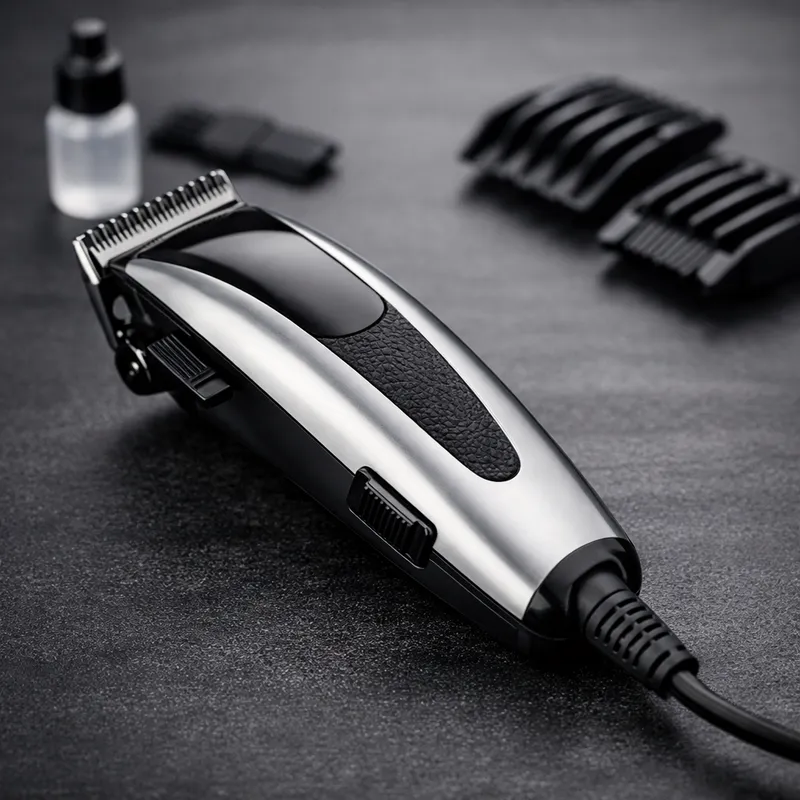
A clipper set should be a complete cutting setup: a main clipper that removes bulk cleanly, a reliable guard system for consistent lengths, and (ideally) a trimmer for sharp finishing. In real life, the difference between a “good kit” and a “regret kit” comes down to one thing: control.
Control means your guards stay locked, your clipper doesn’t bog down in thicker areas, and your trimmer can actually define edges without chewing up your neckline. That’s why so many men specifically search for a trimmer clipper set or a clipper and trimmer set cordless: the clipper creates the shape, the trimmer makes it look finished.
The simplest “good kit” formula
- Clipper for bulk cutting and blending
- Guards that fit tight (your length system)
- Trimmer for necklines, around the ears, and beard lines
- Basic maintenance (cleaning + oiling when required)
Quick clarity: clippers are built for bulk cutting (head hair). Trimmers are built for detail and edges. If you’re expecting crisp outlines from the main clipper, you’ll end up pressing too hard, irritating your skin, and still not getting a clean line.
The “No-Waste” clipper set checklist (what actually matters)
If you want a hair clipper set for men that you’ll still like after the first two cuts, focus on the fundamentals below. This checklist is written to prevent the most common failure patterns: uneven lengths from weak guards, patchy fades from sloppy lever control, and frustration from weak power on thicker hair.
Non-negotiables
- Guard stability: guards must snap on tight and stay there
- Consistent cutting: no snagging, no dragging, no “hot spots”
- Predictable lever control (especially for fades and tapers)
- Useful trimmer: should edge a neckline cleanly without tugging
- Maintenance-friendly: easy to clean so you’ll actually do it
Nice-to-haves (only after fundamentals)
- Case/stand that keeps the kit organized (more use, less clutter)
- Extra guards beyond #4 (if you keep the top longer)
- Spare blade options (long-term value)
- Quiet operation (comfort, especially for frequent use)
- Balanced weight (reduces shaky hands on self-cuts)
Which clipper set type fits you best?
Use this table to match your goal to the right kit profile. This also helps you interpret common searches like “professional clipper set”, “cordless clipper set”, or “barber clippers set” in a way that actually changes results.
| Your goal | Best kit profile | Guard range to prioritize | What to avoid |
|---|---|---|---|
| Buzz cut / one length | Stable guards + comfortable handling. Power matters, but control matters more. | #1 to #4 (start longer, go shorter if needed) | Loose guards, flimsy “bonus trimmer”, overheating |
| Maintenance between barber visits | Clipper + capable trimmer. Quick cleanup workflow beats “tons of accessories”. | #0.5 to #3 + a solid trimmer for edges | Kits with weak trimmers (neckline becomes a fight) |
| Fades & tapers | Predictable lever + guards that lock tight + consistent power. | #0.5 to #4 (plus lever work) | Sloppy lever, cheap guards, “one device does everything” kits |
| Beard line-ups | Dedicated trimmer for crisp edges. Clipper is secondary if beard is main. | Trimmer precision matters more than extra guards | Expecting the main clipper to do detail work |
| High-frequency / pro use | Serviceable build + durable motor + consistent performance under load. | Full range based on client needs | Disposable-style kits with no long-term parts/warranty logic |
A practical buying mindset (that saves money)
If you want the best long-term value, don’t start by asking “What’s the best clipper set?” Start by asking: What’s the easiest kit to get my haircut goal right—consistently?
Most men don’t need a suitcase of accessories. They need two things that work: a clipper that cuts predictably and a trimmer that finishes cleanly. Everything else is secondary.
Quick conversion tip
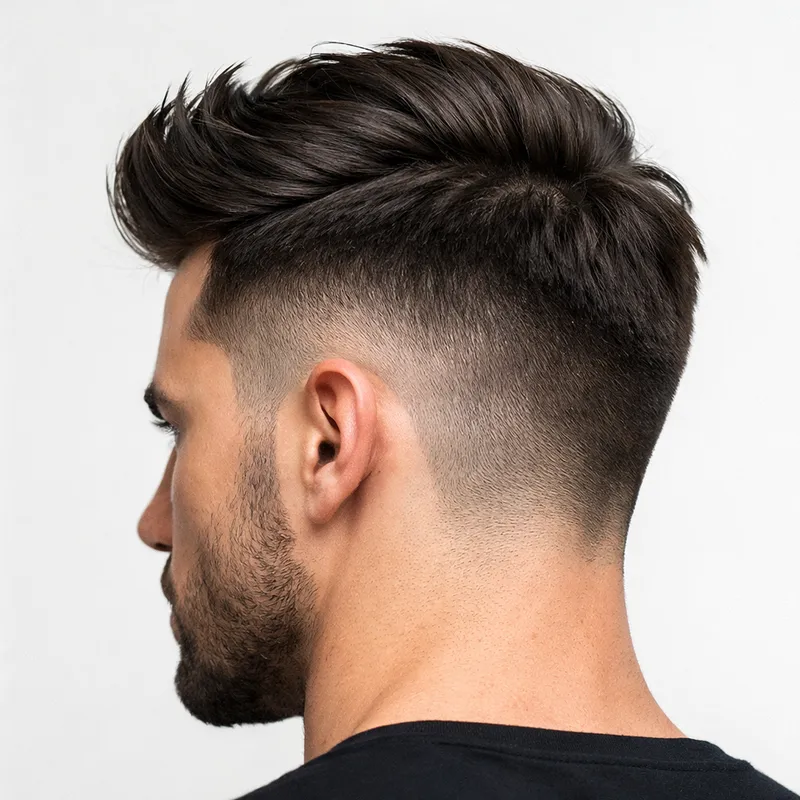
If you want a sharp look without learning fades the hard way: get the shape once from a good barber, then maintain it at home with your kit. It’s the fastest “always clean” strategy.
Corded vs cordless clipper sets (choose based on your reality)
“Wireless clipper set” and “cordless clipper set” usually mean the same thing: battery-powered freedom. The better choice depends on how you cut—especially if you cut your own hair.
When corded is the smarter choice
- You want maximum consistency (no battery drop-off)
- Your hair is thick/coarse and you notice tools bogging down
- You cut long sessions or multiple people back-to-back
- You want “plug in and go” reliability for years
When cordless is the smarter choice
- You cut your own hair and need better angles
- You travel or you want an easier setup
- You do detail work often (neckline/around ears)
- You want a cleaner workspace (no cord drag)
The best “middle ground” for many men is a clipper and trimmer set cordless: the clipper does the main cutting, and the trimmer handles finishing where precision matters most. That’s usually the fastest path to a haircut that looks intentionally groomed, not “DIY by necessity.”
Guard sizes explained (and the one rule that prevents mistakes)
Guards are your length control system. Most men ruin a cut by starting too short. Your safest rule is simple: start longer than you think, then step down.
Below is a quick tool that converts common guard numbers into millimeters and inches, plus the typical use case. Use it to plan a cut before you turn on the clipper. A plan beats “guessing with a buzzing blade.”
If you’re new: start at #4 or #3 on top if you want a short look, then step down. The goal is even length first. Sharp details come later.
Why “even length” matters more than “short”
A patchy #1 looks worse than a clean #3. A clean cut comes from fewer passes, steady pressure, and guards that don’t flex. Once you can get an even cut reliably, going shorter is easy. Doing it backwards is how most beginners end up with “accidental high-and-tight.”

Fades: the minimum skill path that actually works
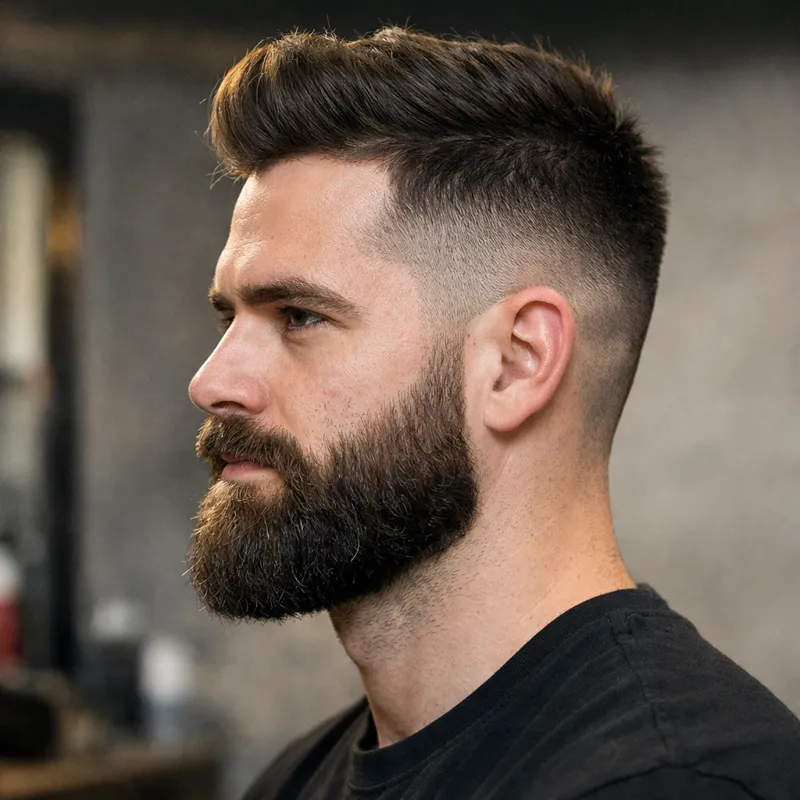
If you’re learning fades, don’t start by chasing skin fades. Start by mastering two things: guard discipline (consistent lengths) and blending discipline (small, patient transitions).
A fade-friendly hair clipper and trimmer set makes this easier because you can finish edges cleanly with the trimmer, while the clipper does the blending. That split of responsibilities reduces mistakes.
Common fade mistake (and the fix)
Mistake: going too high too early. Fix: set a conservative “top boundary,” then blend upward gradually. You can always take more off. You can’t put it back.
Cleaning & maintenance (how you keep a clipper set “good”)
A clipper set doesn’t get bad overnight—it gets bad through neglect. Pulling, snagging, uneven cutting, and irritation are often maintenance problems, not “you problems.” If performance drops, don’t press harder. Reset the system.
After every cut (2–3 minutes)
- Brush hair out of the blade + guards
- Clean/disinfect in a tool-safe way
- Oil the blade if your clipper type requires it
- Wipe excess and store dry
Weekly or monthly (depends on use)
- Deep clean the cutting area
- Check blade alignment and screws
- Inspect guards for cracks/looseness
- Replace worn parts before they ruin a cut
Maintenance planner (quick routine based on your usage)
Use the planner to generate a realistic upkeep schedule. This is especially helpful if you’re buying a professional hair clipper set or a professional cordless clipper and trimmer set and you want it to stay sharp.
A stable routine beats perfect intentions. Keep your kit clean, store it dry, and don’t let hair build up in the blade area. That alone prevents most “my clippers suddenly feel bad” problems.

Hygiene note (especially for shared kits)
If more than one person uses the same kit, cleaning isn’t optional. A shared clipper set should be treated like a grooming tool with strict boundaries: disinfect routinely, don’t store damp, and avoid mixing face/body use without a proper sanitation workflow.
This isn’t about being paranoid—it’s about preventing irritation, breakouts, and the “mystery itch” that often shows up after rushed, dirty cuts.
Fast conversion strategy
If you want the cleanest look with the least learning curve: get a professional cut to set the silhouette, then maintain it at home. You’ll look sharper week-to-week and spend less time re-learning the same mistakes.
Clipper set FAQs
These FAQs are written to answer the questions that actually affect results: what the kit should include, how to choose between corded and cordless, what guard sizes mean, and why some kits “feel bad” even when they look premium.
What should a clipper set include for men?
Is it better to buy a clipper set or separate tools?
Corded vs cordless: which one is best for home haircuts?
What is a “wireless clipper set”?
What guard should I start with if I’m new to clippers?
Why do some clippers pull hair or feel rough?
Do I need a trimmer if I already have clippers?
What makes a professional clipper set “professional”?
Can I use the same trimmer for beard and neckline?
What’s the fastest way to look sharp without learning fades?
Want the right kit without guessing?
If you tell us your goal (buzz, fade, maintenance, beard lines) and your hair type, we can point you to the most practical kit profile—so you don’t waste money on the wrong setup and you don’t waste time fighting tools that don’t match your cut.
