
Zero‑Mess Beard Trimming with a Norelco Vacuum Trimmer
A Norelco vacuum trimmer is built for one job: cut clean beard lines and lengths while catching a big portion of the hair before it hits your sink. If you trim often, hate cleanup, or share a bathroom, this feature can be a real quality‑of‑life upgrade.
Note: Philips Norelco model names and numbers can vary by region and year. This guide focuses on the “vacuum capture” style and how to shop for it confidently.
On this page
- What a Norelco vacuum trimmer is (and what it isn’t)
- Top picks and how to shop by model type
- Vacuum trimmer vs regular trimmer (real-world tradeoffs)
- How vacuum capture works (and when it fails)
- Guard‑length tool (quick plan in 60 seconds)
- Step‑by‑step routine for cleaner, more even trims
- Cleaning & maintenance (keep suction strong)
- Alternatives if vacuum models are sold out
- FAQs (SEO + user-focused)
Quick takeaways (if you’re in a hurry)
- Vacuum capture reduces mess, but it won’t catch every hair. Your technique matters.
- Short strokes + dry hair usually deliver better capture than fast passes on a wet/long beard.
- Empty the chamber early—overfilling is the #1 reason suction feels weak.
- Buy for your beard length: stubble and short beards benefit most from vacuum designs.
- Mustache precision can be harder with bulkier vacuum heads—plan a finishing step.
Transparency: product names are used for identification. MensHaircutStyle is not affiliated with Philips.
What a Norelco Vacuum Trimmer Is (and What It Isn’t)
A Norelco vacuum trimmer is a beard trimmer that includes a small suction system designed to pull cut hairs into a built‑in chamber while you trim. The goal is simple: less hair on your sink, counter, and shirt, and less cleanup after every session.
What it’s great for
- Stubble and short beards where you’re making lots of small cuts (the most “messy” use case).
- Apartment bathrooms or shared spaces where cleanup time matters.
- Frequent maintenance trims—the weekly or twice‑weekly “keep it sharp” routine.
- Quick pre‑work touchups where you want to look clean without spending 10 minutes cleaning.
What it’s not
- Not barber clippers for full haircuts or bulk head‑hair removal.
- Not a zero‑cleanup device—some hair still escapes, especially around edges and mustache work.
- Not always the best detail tool—vacuum chambers can add bulk, so plan a finishing step if you need sharp lines.
The honest truth: vacuum capture is one of the few trimmer features that can genuinely change your day‑to‑day grooming experience. But it only feels “premium” if you use a suction‑friendly technique and keep the chamber path clean.
Top Picks: Philips Norelco Vacuum Trimmer Types (and Who They’re For)
Most shoppers searching “norelco vacuum trimmer” want one of two things: a modern vacuum‑capture beard trimmer, or an older “turbo vacuum” style trimmer that’s become harder to find new. Use these picks as a practical buying filter.
Best overall for most men
Look for the Philips Norelco Beardtrimmer 7200 family (model numbers can vary by region). This is the “modern” vacuum trimmer experience most people expect: cleaner trimming, practical length control, and a chamber designed for quick emptying.
Choose this if:
- You trim weekly (or more) and want faster cleanup.
- You keep your beard in the stubble/short range most of the year.
- You want a trimmer that feels consistent across quick touchups.
Shopping tip: verify what’s included (guards/attachments) and whether it supports your preferred length range.
Best for bargain hunters (legacy models)
Older Norelco vacuum trimmers can still do the job, but availability and condition vary. If you’re shopping this route, the “best model” is usually the one with the best return policy and the cleanest chamber mechanism.
Choose this if:
- You find a great deal from a retailer you trust.
- You’re comfortable inspecting battery performance and moving parts.
- You want vacuum capture but don’t mind extra maintenance.
Red flags to avoid: missing guards, chamber door that doesn’t close tightly, weak battery, or a head that pulls/snags even after cleaning.
Best if vacuum models are sold out
If the vacuum style is unavailable or overpriced, you can still get a “cleaner sink” result with: hair collector trimmers, waterproof shower trimming, or a simple mess-control routine.
Choose this if:
- You mainly want less mess (not necessarily vacuum suction).
- You prefer easy rinsing over chamber maintenance.
- You want a simpler trimmer head for mustache detailing.
Conversion-friendly next step (no forms here): If you maintain a “best trimmers” hub or deals page, add a button below.
If those pages don’t exist yet, keep the buttons and update the links later.
Vacuum Trimmer vs Regular Trimmer: The Real‑World Tradeoffs
Vacuum capture is a lifestyle feature: it’s less about “better cutting” and more about less cleanup and a more controlled routine. Here’s the comparison that actually matters after 20+ trims.
| Feature | Norelco Vacuum Trimmer | Regular Beard Trimmer |
|---|---|---|
| Cleanup | Usually less hair in the sink; chamber dump takes seconds. | More hair everywhere unless you trim in the shower or use a bib/guard. |
| Speed (start → finish) | Fast overall if you empty chamber early and use short strokes. | Fast cutting, slower cleanup (often the hidden time cost). |
| Detail precision | Can be harder around the mustache/edges due to bulk. | Often easier for tight detailing and line work. |
| Maintenance | More parts: chamber path needs brushing to prevent clogs. | Simpler cleaning, especially on waterproof models. |
| Best for | Frequent trims, shared bathrooms, mess‑sensitive routines. | Minimalists, shower trimmers, heavy detail work. |
Who should definitely consider a Norelco vacuum trimmer:
If you trim at the sink and hate cleaning, vacuum capture is one of the few upgrades you’ll notice every week.
Who might skip vacuum capture:
If you do heavy mustache shaping, or you always trim in the shower, you may prefer a simpler head and easier rinsing.
How Vacuum Capture Works (and When It Fails)
The vacuum system pulls cut hairs into a collection chamber while you trim. In practice, hair capture is strongest when:
- You trim dry hair (wet hair clumps and sticks).
- You use short, controlled strokes (fast passes leave more behind).
- You keep the chamber below “packed” level (overfilling kills suction).
- You maintain a clean intake path (a small clog becomes a big performance drop).
Where hair usually escapes
Even the best vacuum trimmer won’t catch everything. Expect escape hairs around:
- Mustache trimming (tight angles, shorter strokes, awkward approach)
- Neckline edging (the “edge work” stage is less suction-friendly)
- Very long beards (the chamber fills fast and hair can fold instead of flowing)
Best mindset: vacuum capture is a “reduce mess” feature, not a magic trick. Used correctly, it can cut cleanup down dramatically—but technique and maintenance are what make it feel premium.
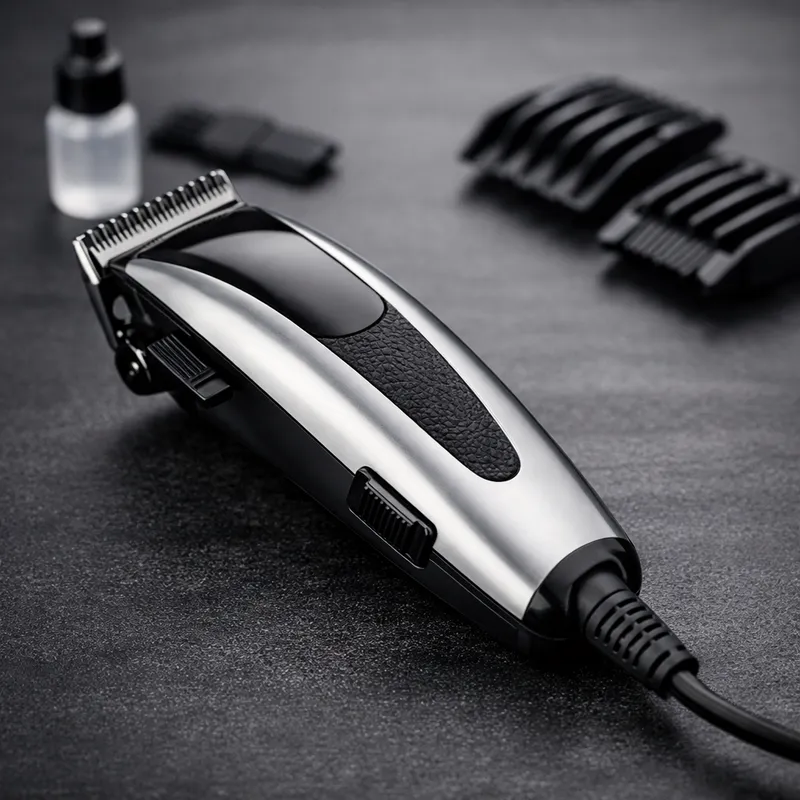
Buying tip that saves money: prioritize a reliable retailer and clear accessory list over chasing the “perfect” model name. Vacuum trimmer naming can vary, but the daily experience is driven by length control, chamber design, and maintenance ease.
Guard‑Length Tool: Your 60‑Second Vacuum Trim Plan
This quick tool estimates a clean, low‑mistake routine for a Norelco vacuum trimmer: where to start, how to step down, and what to do if you want less mess. It’s not a medical device, and it doesn’t know your exact trimmer model— but it gives you a practical plan you can follow today.
If you’re not sure, choose what looks closest: heavy stubble (2–4), short beard (5–10), medium beard (11–18).
Pro move: start longer than you need, then step down. It prevents accidental “too short” mistakes.
Thicker hair usually fills the chamber faster and benefits from earlier emptying.
Vacuum capture tends to work best when hair isn’t clumped by water or product.
Your plan: Start at 8 mm, then step down to 6 mm.
Tip: empty the chamber before it feels “packed.” That’s usually the moment capture drops and hair starts escaping.
How to Choose the Right Norelco Vacuum Trimmer (Without Overthinking It)
The best vacuum trimmer is the one that fits your beard length and your routine. Ignore hype and focus on these practical criteria:
1) Your most common beard length
- 0.5–2 mm (stubble): choose a model with stable short-length control and predictable steps.
- 3–10 mm (short beard): vacuum trimmers are often at their best—clean results, strong capture, easy maintenance.
- 10–18 mm (medium beard): still doable, but you’ll likely empty the chamber more often.
2) Length control you can trust
Smooth, consistent trimming comes from two things: the guard staying locked and you being able to repeat the same setting next week. If length control feels vague, you’ll chase symmetry forever.
3) Chamber access and cleaning
Vacuum capture only feels “worth it” when emptying and brushing the chamber is easy. A chamber that’s annoying to clean becomes a chamber that’s never cleaned—and suction drops fast.
Fast buyer checklist: Does it cover your length range? Does the chamber open easily? Do you have a clear return policy? If yes, you’re probably making a good decision.

Common mistake that ruins results
Going too short too fast. Most “bad trims” happen when you start at the target length immediately. Start longer, step down, and your beard will look more even—and you’ll avoid panic fixes.
How to Use a Norelco Vacuum Trimmer for Cleaner, More Even Results
Here’s the routine that makes vacuum capture feel “real” in everyday grooming. The goal is an even beard that looks intentional in real lighting— while keeping sink cleanup minimal.
Step-by-step routine (the “no regrets” method)
-
Start dry and detangled.
Wash earlier if needed, then fully dry. Comb the beard down so hairs aren’t crossing and resisting the blades. -
Start longer than your target length.
Begin 1–3 mm above your target (or use the tool above). This prevents accidental over‑trimming. -
Use short, controlled strokes.
Vacuum capture works best when you move steadily—not fast. Short strokes help the chamber pull hair in instead of letting it fly. -
Trim with the grain first, then lightly against.
A with‑the‑grain pass evens the bulk. A gentle against‑the‑grain pass can sharpen the finish (don’t press hard). -
Empty the chamber before it’s packed.
If suction feels weaker mid‑trim, you waited too long. Dump the chamber and keep going. -
Set the neckline and cheek line last.
Edge work is where hair is most likely to escape. Finish here so you only clean once. -
Quick check in “harsh” light.
Turn your head left/right under strong light. Fix uneven spots with one length step higher than you think you need.
Pro detail tip: If your vacuum trimmer head feels bulky for the mustache, do the mustache last using shorter strokes and a slightly higher setting. Then step down carefully. This avoids the “too short mustache” problem that takes weeks to grow back.

The “sink stays clean” setup
- Stand close to the mirror to reduce stray hair drops.
- Keep a small towel nearby for quick wipe-down.
- Empty the chamber once mid‑trim on thicker beards.
- Brush the intake path for 15 seconds after the trim.
This is the routine most people *wish* they had from day one.
Cleaning & Maintenance: Keep Vacuum Capture Strong
Vacuum trimmers don’t “suddenly get worse.” In most cases, suction feels weak because the chamber is overfilled or the intake path is blocked. This maintenance routine keeps the trimmer performing like it should.
After every trim (2 minutes)
- Dump the chamber into the trash.
- Brush the intake path and the blade area (quick, light brushing).
- Wipe the exterior so fine hairs don’t collect around seams.
Weekly (5 minutes)
- Remove attachments and clean where the manufacturer allows (some parts can be rinsed, but many vacuum units are not fully submersible).
- Let everything dry fully before reassembly (moist hair dust turns into sticky buildup).
Performance rule: If suction feels weak, don’t “push harder.” Empty and brush first. Pushing harder increases irritation and makes trimming uneven.
Troubleshooting: Fix the Most Common Problems Fast
Problem: “It’s not catching much hair.”
- Chamber is too full → dump it sooner.
- Hair is wet/product-coated → trim dry for better airflow.
- Intake path has buildup → brush it out.
- Strokes are too fast → slow down and use shorter passes.
Problem: “It pulls or snags.”
- Blade area is clogged → clean and brush.
- Guard isn’t seated → reattach firmly.
- Beard is tangled → comb first and start longer.
Problem: “My mustache looks uneven.”
- Use a slightly longer setting than your beard first.
- Trim mustache last with short, careful strokes.
- Step down slowly—mustache over‑trims are the hardest to hide.
Alternatives If You Can’t Find a Norelco Vacuum Trimmer
If vacuum models are sold out, expensive, or not available in your region, you can still get a cleaner trim experience. Choose an alternative based on what you care about most: cleanup, detail precision, or easy rinsing.
Option A: “Hair collector” beard trimmers
Some trimmers are designed to catch hair without true vacuum suction. The upside is often simpler maintenance. The downside is usually less capture than a dedicated vacuum chamber.
- Best for: lighter beards, minimalists
- Tradeoff: less capture, but simpler cleaning
Option B: Shower‑friendly waterproof trimming
If you trim in the shower, hair cleanup becomes almost irrelevant. You get a cleaner sink at the cost of some precision and visibility.
- Best for: busy routines, low mess
- Tradeoff: harder to do sharp lines
Option C: A mess‑control setup with any trimmer
You can reduce sink mess dramatically with a simple setup: trim close to the mirror, use a towel or bib, and clean once at the end.
- Best for: any budget, any trimmer
- Tradeoff: extra “setup” step
Want a simple upgrade path? Start with a reliable trimmer that matches your length range. Then add “mess control” (vacuum capture, shower trimming, or a bib) as your routine evolves.
FAQs About Norelco Vacuum Trimmers
These FAQs are written for real users first (clear answers, no fluff), and structured to match common search intent around the keyword “norelco vacuum trimmer”.
Does a Norelco vacuum trimmer really reduce mess?
Yes—most users see noticeably less hair in the sink because many cut hairs go into the chamber. It won’t catch every hair (especially during edging), but it can cut cleanup time dramatically.
Why does vacuum capture feel weak sometimes?
The most common causes are an overfilled chamber, buildup in the intake path, or trimming wet/product-coated hair. Empty early, brush the path, and trim dry for the best results.
Is a vacuum beard trimmer best for stubble or longer beards?
Vacuum capture tends to shine for stubble and short beards because you’re making many small cuts—the messiest scenario. Longer beards can work too, but you’ll likely empty the chamber more often.
Can I use a Norelco vacuum trimmer on head hair?
Some people do, but vacuum trimmers are primarily designed for facial hair. For full haircuts and bulk removal, dedicated clippers are usually faster and more comfortable.
Do vacuum trimmers work better on dry or wet hair?
Dry hair is typically better for vacuum capture. Wet hair clumps and sticks, which can reduce airflow and lead to buildup in the chamber path.
How often should I empty the hair chamber?
For short beards, usually after the session. For thicker or longer beards, you may want to empty mid‑trim. If suction drops, that’s your cue to empty sooner.
Is a vacuum trimmer good for sensitive skin?
Vacuum capture doesn’t automatically mean gentler. Comfort depends more on technique, blade cleanliness, and pressure. Use light pressure, short strokes, and keep the head clean to reduce irritation.
Vacuum trimmer vs hair collector: what’s the difference?
Vacuum trimmers actively pull hair into a chamber with suction. Hair collector designs aim to catch hair passively. Vacuum capture can reduce mess more, while collectors can be simpler to clean.
What’s the smartest way to avoid trimming too short?
Start longer than your target and step down gradually. It’s the single best method to avoid “panic fixes” and keep your beard looking even and intentional.
What should I do if mustache trimming feels awkward?
Do the mustache last, use shorter strokes, and start slightly longer than your beard length. If you need sharp precision often, consider a small detail trimmer as a finishing tool.
Final note (conversion touch without a form)
If you want to turn this into a cleaner, faster weekly habit, save this page and reuse the tool. The “vacuum trimmer advantage” is mostly routine: start longer, step down, short strokes, empty early, brush quickly.