
Clippers & Trimmers
Braun Hair Clippers: The Complete Buyer + At‑Home Cutting Guide
Searching for a Braun hair clipper usually means you want one of two outcomes: (1) a consistent, clean cut at home, or (2) a dependable tool to keep your haircut sharp between barbershop visits. This page is built to help you choose the right Braun clippers and actually get the result you want—without guessing guard lengths, overcutting one side, or ending up with patchy transitions.
- Buyer clarity: What to look for, what to ignore, and which Braun series fits your goal.
- Length confidence: A plain‑English guide to the Braun 3–35mm length system and “safe start” strategy.
- Better results: A step‑by‑step haircut process (including blending) designed for mirror cutting.
Note: This is an independent grooming guide. Model names and features can vary by region and release year—always verify the exact specs of the clipper you’re buying.
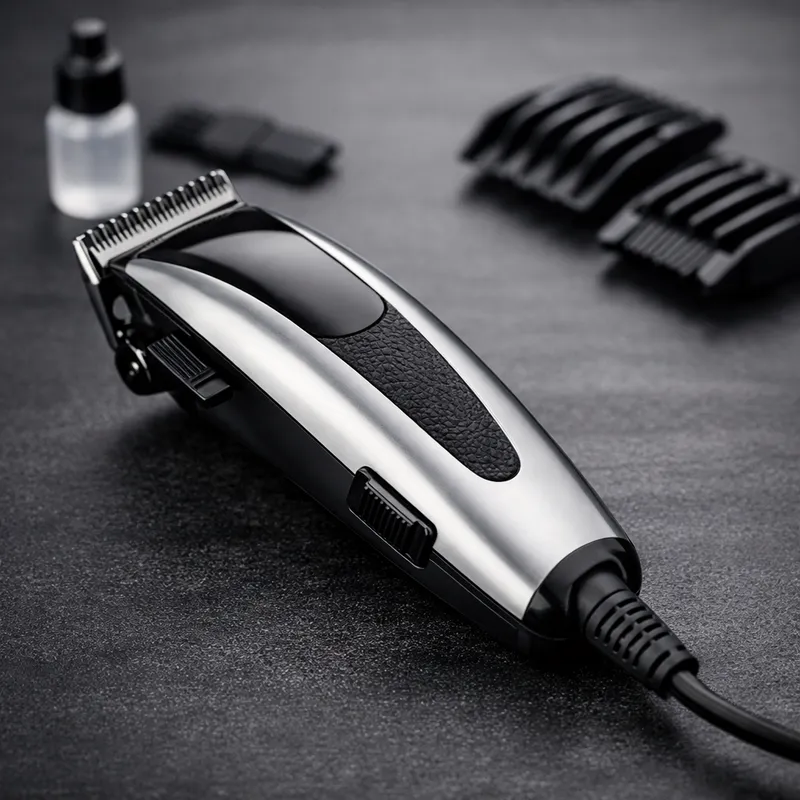
How to Choose the Right Braun Hair Clippers (Without Overbuying)
Most “Braun clippers” pages tell you features. That’s fine, but features don’t help if you don’t know what you’re trying to achieve. Here’s the decision framework that actually makes your purchase easier: start with your haircut goal, match it to a length range, then choose a Braun clipper series that supports that routine comfortably.
Pick Braun if you want “consistent + simple”
If your priority is a haircut you can repeat every 1–3 weeks with minimal friction, Braun hair clippers are typically a strong match. Many Braun clipper lines emphasize straightforward length selection, home‑friendly ergonomics, and easy cleaning.
- Maintenance cuts (same style, same lengths each time)
- Short-to-medium trims where you want control over the final length
- Family/shared clipper use (multiple lengths, easy cleanup)
When Braun may not be your best primary tool
If you want extremely tight “skin fade” finishes, ultra‑short zero‑gapped work, or heavy daily professional use, you may prefer a barber‑focused setup. You can still use Braun for most of the cut—but the last 10% of precision sometimes benefits from dedicated trimmers/shavers.
- Skin fades often require a detail trimmer or shaver for the very bottom
- High-volume use may benefit from longer runtime or pro-grade motors
- Zero-gap precision is typically a trimmer specialty, not a classic clipper focus
Practical truth: Your results are driven by (1) choosing the right length, (2) using consistent technique, and (3) checking symmetry. The “best clipper” won’t save a rushed cut—but the right plan will.
Quick picks: which Braun clippers suit your goal?
Braun model availability can vary, so instead of pushing a single model number, use this purpose-first approach. It keeps you safe even when product ranges shift.
Braun Series 7 (often the “full kit” feel)
Choose this lane if you want the most flexibility for different family members or changing styles. In many markets, Series 7 kits are positioned with broader included accessories and a “do more in one box” approach.
- Best for: regular home haircuts, shared use, DIY fades
- Why it works: versatility reduces the need for extra attachments
- Who should skip: if you only ever do one simple length everywhere
Braun Series 5 (straightforward + great value)
If you want a reliable clipper for consistent trims and general maintenance, Series 5 is often the sweet spot: enough length range to handle most short-to-medium styles, without feeling like you bought features you’ll never use.
- Best for: maintenance cuts, quick tidy‑ups, “same cut every time” routines
- Why it works: simpler choice = faster, less error‑prone cutting
- Who should skip: if you want a wider set of included styling tools
Older classics (only if the deal is worth it)
Older Braun hair clipper models can still perform well if you find a genuine, well-priced unit. The key is to compare battery runtime, included combs, and return policies—because not all listings are equal.
- Best for: budget buyers comfortable checking specs and seller quality
- Watch for: battery condition, region-specific chargers, missing accessories
- Pro tip: prioritize easy returns if you’re unsure
What to check before you buy (the “no regrets” checklist)
Use this checklist to avoid the most common frustrations people have with any hair clipper purchase. It’s short on purpose—because a decision checklist should help you decide, not drown you.
Specs that actually affect your haircut
- Length range: make sure it covers your normal style (and your “safe start” length).
- Adjustment simplicity: fewer steps to change length = fewer mistakes mid-cut.
- Washability: easier cleaning increases how often you maintain it (and how long it lasts).
- Cordless comfort: if you cut your own hair, freedom of movement matters a lot.
Details that prevent disappointment
- Included combs: confirm the comb(s) cover the lengths you want (especially 10–16mm and 19–25mm ranges).
- Return policy: critical if the “feel” isn’t right or a length setting doesn’t match expectations.
- Charging compatibility: especially important if buying from a marketplace or cross-region seller.
- Hair type reality: thick, dense hair benefits from slower passes and smaller sections—not just “more power.”
Braun Hair Clipper Length Settings (3–35mm) Explained
The fastest way to ruin a DIY haircut is picking a length that’s too short—especially when you’re cutting your own hair and can’t clearly see the back. Braun hair clippers are commonly built around a millimeter-based system (often covering 3–35mm), which is great because it’s more precise than guard numbers. But it can feel unfamiliar if you’ve always said “#2 on the sides.”
Beginner rule: start longer than you think you need. You can always go shorter. You can’t undo a too‑short pass.
Millimeters vs guard numbers (quick translation)
Guard-number systems vary slightly by brand, but these are common reference points. Use them to translate your usual barber request into Braun’s mm settings.
| Common guard number | Approx length (mm) | What it usually looks like | Good for |
|---|---|---|---|
| #1 | ~3mm | Very short, close, scalp shows slightly | Buzz cut, very tight sides |
| #2 | ~6mm | Short, tidy, still clearly “clipped” | Short sides, easy maintenance |
| #3 | ~10mm | Short but softer than #2 | Balanced sides for many styles |
| #4 | ~13mm | Noticeably longer, less “buzzed” | Classic taper, conservative cuts |
| #6 | ~19mm | Medium length, more natural texture | Scissor‑like look without scissors |
| #8 | ~25mm | Longer trim, shape without going short | Top maintenance, longer styles |
The “safe start” length strategy
If you’re unsure, choose a setting that’s 3–6mm longer than your target on the first pass. The goal is to establish an even baseline first, then refine. This approach dramatically reduces accidental bald patches and uneven sides.
Example: you want ~10mm sides
- Start at ~13–16mm to create even coverage
- Check both sides in the mirror (and the back)
- Step down to ~10–13mm only if needed
This “start long” method feels slower, but it prevents the most common DIY mistake: making one side too short while trying to match the other.
Why lengths sometimes “feel wrong”
- Hair density: thick hair can stand up and look longer until you brush it down.
- Direction: cutting against the grain removes more length per pass.
- Pressure: pressing hard can force hair into the blade differently.
- Multiple passes: the first pass sets the shape; later passes perfect the evenness.
Quick Tools: Pick Your Braun Clipper Length (and Get a Simple Cutting Plan)
These mini tools are designed for one thing: turning “I think I want a #2” into a clear, repeatable plan. They don’t replace technique, but they remove guesswork—especially if you’re cutting your own hair in a mirror.
1) Braun Length Finder (3–35mm)
Tip: If you’re new to cutting your own hair, set a longer target first, then step down.
Target length: 13 mm
Approx guard reference: #4 (~13mm)
Beginner-safe start: 16 mm (then step down)
Comb guidance: Most Braun kits cover this length with an adjustable comb—confirm your model’s comb range.
Use this as a planning tool—final results still depend on hair density, direction, and how many passes you make.
2) Simple Haircut Plan Builder (for mirror cutting)
Choose a style goal and risk level. You’ll get a clear plan for sides/back/top plus an order of operations that minimizes mistakes. This is built for Braun clippers users who want repeatable results—not one-time luck.
Your exact mm settings are personal. This plan gives you a safe structure and suggested ranges to start from.
Your plan will appear here.
Click Build My Plan to generate a step-by-step order and length ranges that work well with Braun hair clippers.
Want a lead-friendly CTA without forms? Add a button linking to your contact page or a pre-filled email. This turns “I’m still unsure” into a message you can reply to with a short recommendation.
How to Cut Your Hair at Home with Braun Clippers (Step by Step)
A good at-home haircut is a system. If you follow a consistent order, you’ll get consistent results. The biggest DIY mistakes are almost always caused by (a) starting too short, (b) changing lengths randomly, or (c) not checking symmetry until it’s too late.

Before you start: the 60-second setup checklist
- Dry hair: cut dry for predictable length and shape.
- Bright light: shadows hide uneven patches.
- Two angles: a second mirror (or a phone camera) to check the back.
- Clean tools: a clogged blade cuts unevenly and forces you to “fix” what isn’t broken.
- Start long: choose a safe length and refine gradually.
Printing this page can be useful if you’re cutting your hair in a bathroom with poor signal or distractions.
Start with sides and back (safe length first)
Begin with a conservative setting to create an even baseline. Work against the grain (usually bottom to top), using slow, steady passes. Keep your wrist relaxed and avoid pressing hard—pressure can change how the hair feeds into the blade.
- Make 1–2 passes for coverage, then stop and check symmetry.
- If one side looks “heavier,” fix it by re-passing at the same length before going shorter.
- Only step down once both sides match.
Build your blend (the “flick out” technique)
Hard lines happen when you drive the clipper straight up and stop abruptly. Instead, as you reach the transition area, slightly flick out (move away from the head) so you don’t carve a shelf.
- Use smaller length changes (1–3mm) near the blend zone.
- Blend lines in good light; the back of the head often needs the most attention.
- Take breaks—fresh eyes spot unevenness faster than “trying harder.”
Decide what the top needs (clipper maintenance vs scissors)
Many men use clippers for the sides and back, then tidy the top with scissors—especially if they want texture and a more natural finish. If you keep the top longer, use clippers mainly to maintain the outline and reduce bulk rather than “flattening everything.”
- If you want a natural top, work in small sections and trim gradually.
- If you want a uniform top, pick a longer mm setting and make consistent passes.
Detail work: around ears, sideburns, and neckline
Detail areas are where haircuts look “professional.” Slow down and reduce pressure. Trim around ears carefully and keep sideburns symmetrical. For the neckline, choose the finish you want: natural taper or a sharper line.
- Use small, controlled movements around ears.
- Check sideburns head-on in the mirror for even height.
- For the neckline: less is more—cleaning edges is safer than reshaping aggressively.
Final check (the “3 angles” method)
Look at your haircut from the front, sides, and back. The most common DIY error is leaving one side slightly heavier. Fix it with the same length before changing settings.
- Front: sideburn height and overall balance
- Sides: blend smoothness
- Back: symmetry and patchy spots

Common mistakes (and how to fix them fast)
- Mistake: going too short too early.
Fix: stop, even everything out at that length, then change the plan (shorter style). - Mistake: chasing tiny differences for too long.
Fix: step back, change lighting, check photos—then make one small correction. - Mistake: a visible blend line.
Fix: use a middle setting and “flick out” over the line with light pressure. - Mistake: patchy areas.
Fix: brush hair down, then re-pass slowly in the opposite direction.
Cleaning & Maintenance: Keep Braun Clippers Cutting Smoothly
Most clipper performance issues are not “bad clippers.” They’re basic maintenance problems: hair build‑up, dull-feeling cutting from friction, and moisture stored in the wrong places. If you want your Braun hair clipper to feel the same on month 8 as it did on day 1, treat cleaning as part of the haircut.
After every cut (2 minutes)
- Brush out hair from the blade area and comb attachments.
- Wipe the body with a dry cloth to remove fine hairs (they get everywhere).
- Let it air dry before putting it away—especially if your model is washable.
Quick cleaning prevents uneven cutting and reduces the temptation to press harder (which causes mistakes).
Weekly or monthly (depending on use)
- Check blade movement: if it feels “draggy,” clean more thoroughly.
- Oil (if appropriate): a tiny amount can reduce friction and improve feel. Follow your model’s guidance.
- Inspect combs: damaged teeth can change length consistency.
If your clipper starts snagging, it’s often hair build‑up or technique (moving too fast), not instant blade failure.

Pro tip: maintenance improves cutting accuracy
When blades are clean, you do fewer passes. Fewer passes means fewer opportunities to overcut a corner or create a hard line. Cleaning isn’t just “hygiene”—it’s a haircut accuracy tool.
Style Ideas That Work Well with Braun Hair Clippers (with Starter Lengths)
Braun clippers are especially effective for styles where consistent lengths and clean transitions matter. Below are popular cuts with beginner-friendly starter ranges. Use these as starting points—not strict rules. Your hair density, growth pattern, and head shape may push you slightly longer or shorter.
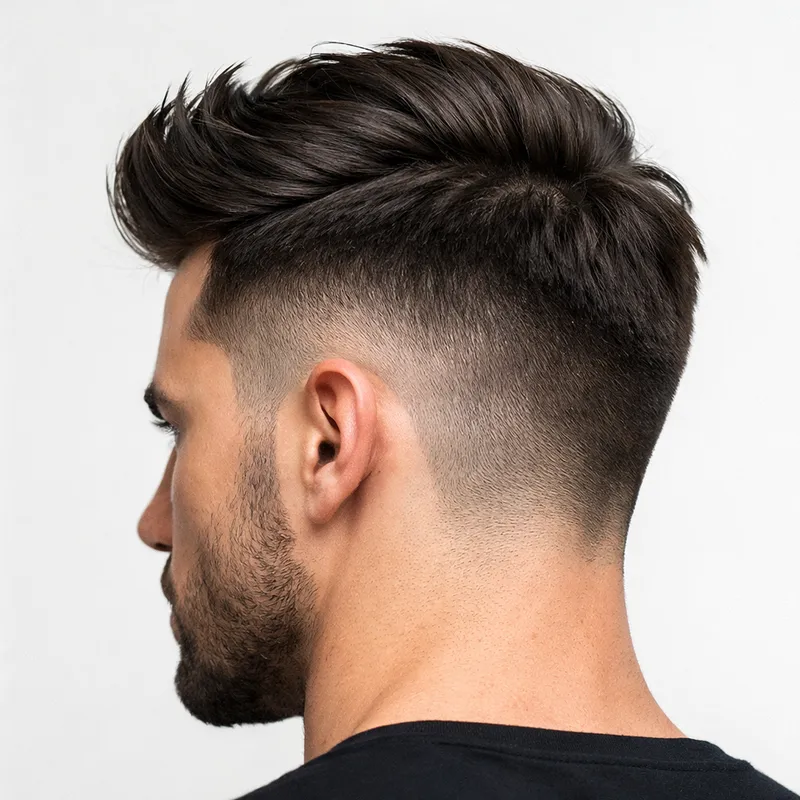
Buzz Cut (low maintenance, clean look)
A buzz cut is the most repeatable DIY style. The key is even passes and consistent pressure. If you want a slightly softer look, go a few millimeters longer than you think.
- Beginner move: start at ~10–13mm, then step down.
- Upgrade option: taper the edges slightly shorter for a cleaner finish.

Simple Fade (clean sides, modern shape)
A “simple fade” doesn’t mean razor-skin fade. It means gradually stepping down lengths. Keep your transitions high enough that you can see them clearly in the mirror.
- Beginner move: use fewer zones (2–3), bigger changes, then refine later.
- Blend rule: fix lines with a middle setting and a light flick-out motion.

Crew Cut (classic, tidy, easy to maintain)
The crew cut is ideal if you want structure without harsh contrast. Keep the sides shorter and the top slightly longer, then tidy the front with minimal texture (or a little product).
- Beginner move: don’t cut the top too short—keep room for correction.
- Finish: clean sideburns and neckline for a sharper look.

Textured Crop (sharp, modern, forgiving)
Crops are forgiving because texture hides small imperfections. Keep the sides clean, but don’t chase perfection in the blend— texture on top does a lot of visual work.
- Beginner move: keep the top longer and style it forward.
- Texture tip: a matte product boosts separation without shine.

Taper (professional, natural, versatile)
A taper is the best “looks good everywhere” haircut. It keeps the sides clean while staying natural. It also grows out better than aggressive fades, which means fewer emergency fixes.
- Beginner move: keep the taper low and conservative.
- Finish: clean edges lightly (don’t reshape your hairline).

Pompadour / Quiff (volume on top, clean sides)
These styles are more about the top than the sides. If you keep top length, you can refine the sides with clippers and leave top shaping to scissors and styling. This reduces DIY risk.
- Beginner move: avoid cutting the top too short—volume needs length.
- Styling tip: blow-dry for shape, then set with product (matte or natural shine).

How to make your haircut look better instantly (without cutting more)
- Brush hair into its natural direction before judging the length.
- Rinse loose hairs and dry—hair looks different when it’s clean and settled.
- Use light product to add texture and hide minor imperfections.
- Edge cleanup (carefully) around ears and neckline improves the “professional” feel fast.
Confidence move: After a DIY cut, wait 24 hours before making major changes. Hair settles, and what felt “uneven” often becomes a non-issue.
FAQs: Braun Hair Clippers
These are the questions that matter when you’re about to buy—or when you’ve already bought and want a better result. The answers are written for real at-home cutting, not product brochure language.
Are Braun hair clippers good for beginners?
Can I do a fade with Braun clippers?
Why does my cut look longer than the setting I chose?
What length should I start with if I’m unsure?
Do Braun clippers work on thick or curly hair?
How do I keep my Braun hair clipper performing well over time?
Hair clipper vs all‑in‑one trimmer: which should I buy?
What’s the easiest DIY haircut style to maintain with clippers?
Still unsure which Braun hair clipper setup fits you?
If you want a fast recommendation, keep it simple: share your goal (buzz / taper / crop / maintenance), your usual barber request (mm or guard number), and how often you plan to cut. You’ll get a short response with a safe length strategy and a step order that prevents mistakes.
Tip: If your site uses a different contact URL, update the button link.
