
Conair Hair Clippers: pick the right kit, use the right guard, and get a clean at‑home cut
Most “Conair clippers” pages either push random models or drown you in specs without telling you how to get a better haircut. This page does the opposite: it gives you a simple decision path, practical guard guidance, and a step‑by‑step method you can use today.
-
Quick picks based on what you actually need (corded power, cordless convenience, family use, or a basic budget kit).
-
Guard sizes made simple (inch → mm) plus a practical chart you can follow without guessing.
-
Three mini tools (guard converter, cut plan builder, and savings calculator) to help you decide and execute.
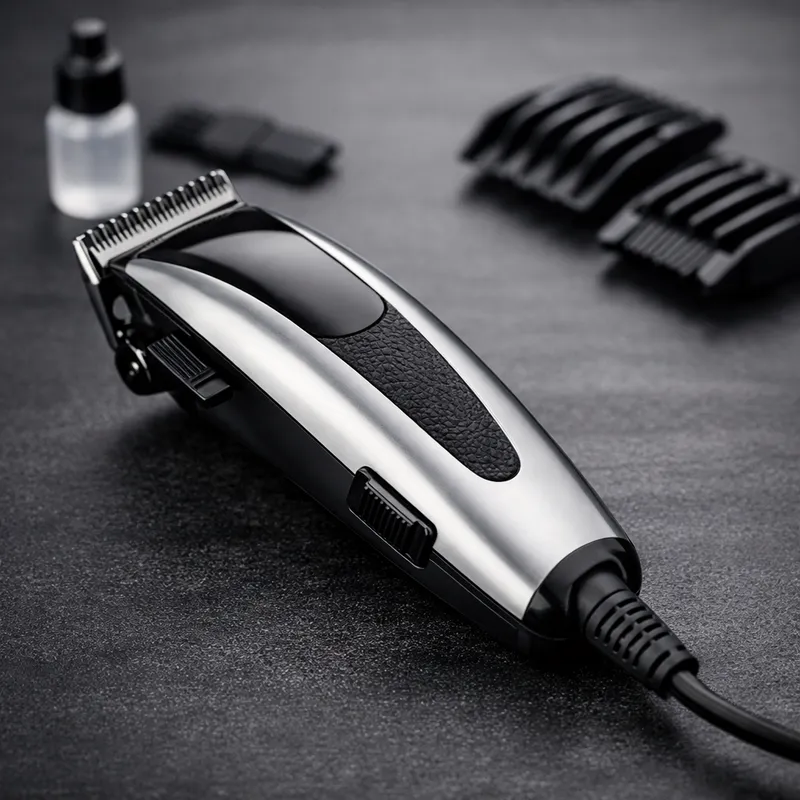
Quick picks: which Conair hair clippers should you choose?
You don’t need a 40‑minute research session to choose a Conair kit. You need to match the kit to the job. Use the picks below as a shortcut, then scroll down for the buying framework and the cut plan builder.
Conair Performance Home Haircut Kit (example: HC6000W)
If you want a dependable home haircut clipper that doesn’t feel like a toy, go corded. Corded kits are usually the most forgiving for full haircuts and thicker hair.
- Best for: full haircuts, tapers, learning fades.
- Why it works: consistent power + taper control for blending.
- What to look for: multiple guide combs + a lever/taper control.
Conair Number Cut® Haircut Kit (example: HC408RN)
If more than one person uses the kit, the main challenge is consistency. Numbered/color-coded guides make it easier to repeat the same result instead of guessing.
- Best for: households, beginners, repeatable lengths.
- Why it works: easier memory: “use the same guide as last time.”
- Outcome: fewer uneven patches caused by switching guards randomly.
Conair Lithium‑Ion Rechargeable Clipper + Trimmer (example: HC379G)
Cordless is about convenience: travel, quick cleanups, and “I need this done now.” It’s a strong choice if you do frequent touch‑ups instead of heavy full cuts.
- Best for: touch-ups, travel, quick trims.
- Watch for: battery behavior (charge routine matters).
- Pro tip: for thick hair, corded can feel easier for full cuts.
Conair Simple Cut Haircut Kit (example: HC108RGB)
If you only want occasional trims or a straightforward buzz cut, you don’t need a complex setup. A basic kit can do the job — as long as you follow a safe guard progression.
- Best for: buzz cuts, maintenance between barber visits.
- Key mindset: start longer → go shorter in controlled steps.
- Expectations: “clean and even” more than “barber‑sharp fade.”
How to choose Conair clippers (what actually matters)
Forget the marketing noise. For at‑home haircuts, your results depend on four things: power consistency, guard range, blending control, and maintenance. Here’s how to pick a Conair kit that matches your goal, not someone else’s.
1) Corded vs cordless
If you’re doing full haircuts (especially on thicker hair), corded usually feels easier because power stays consistent. Cordless is perfect when you value mobility, travel, or fast cleanups.
A simple rule: full haircut often → corded. touch-ups often → cordless.
2) Taper lever / blending control
A taper lever (or multi‑position taper control) is the difference between “a harsh line” and “a smooth blend.” It lets you make small adjustments between guard lengths — that’s how fades and tapers look intentional.
If you want to learn fades, don’t skip this feature.
3) Guard variety (the hidden cheat code)
Most mistakes happen because people jump too far between lengths. A kit with more guide combs gives you more “in‑between” options — which makes blending easier and safer.
More guards = fewer “why is there a line?” moments.
4) Blade upkeep (the difference between smooth vs pulling)
Clippers pull hair when blades are dirty, dry, or misaligned. You can own a decent kit and still hate it if you never clean and oil it.
The maintenance section below is short — and it fixes most “my clippers suck” complaints.

What “good” looks like (so you know what to aim for)
A good at‑home haircut doesn’t need to be perfect — it needs to be clean, balanced, and repeatable. The goal is a cut you can maintain every 1–2 weeks without panic. Once you can consistently do that, you can start refining details like sharper blending and tighter edges.
The fastest way to improve: stop chasing “zero lines” and start following a consistent guard map. That’s exactly what the cut plan builder below gives you.
Mini tools (useful, fast, and built for this page)
These tools are designed for real use: convert guard lengths, generate a safe cut plan, and calculate whether buying clippers makes sense for you. No downloads needed. No forms. Just practical outputs.
Guard Size Converter (inches ↔ mm)
Most home clipper guides fail because they skip conversions. Use this to translate guard lengths into millimeters and find the nearest option. Tip: start longer than you think, then step down.
Result: Select a guard or enter mm to see the conversion.
Note: guard numbering can vary slightly by brand. The inch lengths are the reliable reference.
Cut Plan Builder (guard map + steps)
Choose your goal and this tool generates a safe, repeatable plan you can follow. It’s built to reduce the two most common failures: going too short too early and creating harsh lines you can’t blend.
Your plan will appear here. Tap “Generate my plan” to get a step-by-step guard map.
Lever language used: closed (shortest), half (mid), open (longest). If your clipper uses “positions,” treat them the same way (closed → open).
Home Haircut Savings Calculator (is buying clippers worth it?)
This is a conversion killer (in a good way): when you see the yearly cost difference, the decision becomes obvious. Enter real numbers — not optimistic ones — and you’ll get a realistic estimate.
Result: Enter your numbers and hit “Calculate savings.”
Note: this estimate assumes you’ll maintain your kit (clean + oil). Neglect increases replacement costs.
Conair clipper guard sizes (inch → mm) you can actually use
If you only take one thing from this page, take this: start longer than you think, then step down gradually. Most DIY haircut disasters happen because someone starts too short.
These are common guide lengths found in many home haircut kits. Your specific Conair model may include different guides — use the lengths as the reference.
| Guard length (inches) | Approx. mm | Common “guard number” reference | What it’s good for |
|---|---|---|---|
| 1/8″ | ≈ 3.2 mm | ≈ #1 | Very short sides, tight cleanup, starting point for sharper fades (not beginner-friendly as a first pass). |
| 1/4″ | ≈ 6.4 mm | ≈ #2 | Clean short sides without going “too bald.” Great for conservative fades and low-maintenance cuts. |
| 3/8″ | ≈ 9.5 mm | ≈ #3 | Classic short sides; forgiving for beginners. Strong choice for most “short but not extreme” looks. |
| 1/2″ | ≈ 12.7 mm | ≈ #4 | Safe bulk removal, easy blending, and a great “start here” length if you’re unsure. |
| 5/8″ | ≈ 15.9 mm | ≈ #5 | Maintaining a slightly longer, softer look on the sides. Helpful for reducing visible lines. |
| 3/4″ | ≈ 19.1 mm | ≈ #6 | Blending buffer zone. Great for smoothing transitions and keeping the cut natural. |
| 7/8″ | ≈ 22.2 mm | ≈ #7 | Longer sides; good if you want a grown-in look without looking messy. |
| 1″ | ≈ 25.4 mm | ≈ #8 | Longest common guide. Useful for conservative styles or when you want to “play it safe.” |
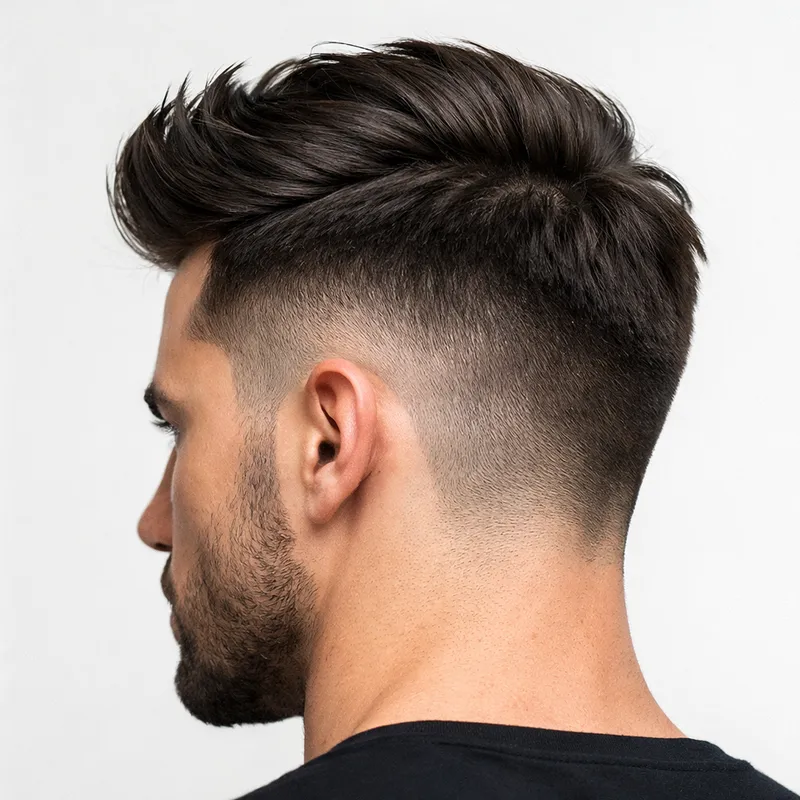
The safest beginner move
If you’re new to using clippers, your first goal is not an advanced fade. Your first goal is an even cut and a clean neckline with no surprise patches. Once you can repeat that, fades become a controlled upgrade instead of a gamble.
How to cut your hair at home with Conair clippers (step-by-step)
This is the core: a simple method that works for buzz cuts, tapers, and fades. If you follow the sequence, you avoid the common traps — rushing, switching guards randomly, and creating hard lines you can’t blend.
Step 1 — Set up like you care
Good lighting, a mirror setup you trust, and a clean workspace makes a bigger difference than people admit. Clippers reward control. Control comes from visibility.
- Cut on dry hair if possible (easier to predict length).
- Use bright overhead light + a second mirror for the back.
- Have your guards laid out in order (long → short).
- Start with clean, oiled blades (see maintenance below).
Step 2 — Choose a plan (don’t freestyle)
Freestyling is how you end up with mismatched sides. Choose one goal: buzz, taper, or fade. If you’re not sure, use the cut plan builder and follow it exactly.
Plans prevent panic. Panic creates mistakes.
Step 3 — Remove bulk (start longer)
Use a longer guard first and clear the sides/back with steady upward strokes. Keep the clipper flat against the head and avoid pressing hard.
- Go with the grain first if you’re nervous.
- Then go against the grain for a cleaner finish.
- Work in sections: left side → right side → back.
Step 4 — Blend with small steps
Blending is not magic — it’s small differences. Use one guard up, then the taper lever to soften the transition. If you see a line, that’s normal; the fix is controlled passes, not desperation.
- Use the corners of the blade to “tap out” lines.
- Use the lever for in‑between lengths (closed → half → open).
- Don’t jump two guard sizes at once unless you want visible contrast.
Step 5 — Clean edges (don’t over-square)
For most faces, a natural neckline looks better than a harsh box. Keep edges neat, but don’t chase perfection so hard that you push the line too high.
A slightly softer edge is usually more forgiving — and more modern — than an overly sharp “helmet line.”
Step 6 — Final scan (30 seconds)
Before you call it done, do a quick scan: run your hand over the sides/back, check symmetry, and look for any obvious dark spots or ridges.
Fixing a small issue takes 20 seconds. Ignoring it makes it the only thing you see for the next two weeks.

Want a cleaner fade without “hard lines”?
Most fades look bad for one reason: the blend zones are too tall or too short. A clean fade usually uses short, controlled zones — and it keeps the transition consistent on both sides.
Maintenance & troubleshooting (stop pulling, snagging, and uneven cutting)
This section saves more people than any “top 10 list.” Most clippers don’t fail — they get neglected. If your Conair clippers pull hair, cut unevenly, or feel weak, start here.
After every haircut (2 minutes)
- Brush hair out of the blade area and guard teeth.
- Oil the blades (a small drop is enough).
- Wipe and store dry to avoid grime buildup.
Clean + oil is the easiest performance upgrade you’ll ever do.
If the clipper pulls hair
- Stop and clean the blades (hair packed inside causes snagging).
- Oil the blade set, then run the clipper briefly to distribute.
- Reduce pressure — pushing harder can make pulling worse.
- Try a longer guard first; short guards reveal technique issues.
If pulling continues after cleaning + oiling, the blade may need alignment or replacement.
If the cut looks patchy
- Go slower and overlap your passes (don’t “skip” areas).
- Keep the clipper flat against the head.
- Use consistent direction for each zone (sides/back).
- Blend with smaller guard steps and lever adjustments.
Patchiness is usually technique, not the kit.
Battery care (cordless models)
- Charge routinely; don’t live on emergency quick charges.
- Store with some charge if not used for long periods.
- If power feels inconsistent mid‑cut, switch to touch‑up use only and do full cuts with corded power.
Cordless shines for convenience; corded shines for uninterrupted power.
Conair Hair Clippers FAQ
These answers are written for real at-home users: what to buy, how to avoid mistakes, and how to get a cleaner result with less effort.
Are Conair hair clippers good for home haircuts?
For home use, Conair clippers can be a solid choice if you match the kit to your goal. Corded kits are usually easier for full haircuts because power stays consistent. Rechargeable kits are great for travel and quick cleanups. The biggest factor is not the brand name — it’s whether you use a safe guard progression and keep the blades clean and oiled.
Which Conair clipper is best for fades?
For fades, look for a kit with good blending control: a taper lever (or multi-position taper control) and multiple guard lengths. Fades are built from small differences — the lever helps you create those “in-between” lengths. Use the cut plan builder on this page to generate a fade map that avoids harsh lines.
What guard should I start with if I’m a beginner?
Start longer than you think. A safe starting point for most beginners is 1/2″ (≈ 12.7 mm) or longer on the sides. You can always go shorter in controlled steps. Starting too short is the fastest way to turn a normal haircut into damage control.
Why do my clippers pull hair?
Pulling is usually caused by dirty, dry blades or hair packed inside the blade area. Clean the clipper thoroughly, oil the blades, and reduce pressure when cutting. If pulling continues after that, the blade set may need alignment or replacement.
Do I need a trimmer as well as clippers?
Clippers handle bulk length removal. Trimmers are better for edges, necklines, and tight detailing. If you want sharper lines, a trimmer helps — but you can still get a clean haircut with clippers alone if you keep edges natural.
Corded vs cordless: which is better?
Corded is typically better for full haircuts because power stays constant. Cordless is better for convenience: travel, quick trims, and touch-ups. If you only buy one kit for full haircuts, corded is the safer bet.
How often should I oil Conair clippers?
Ideally, after each haircut (and any time the blades feel dry or loud). A small drop is enough. Oiling reduces friction, keeps cutting smooth, and helps prevent snagging.
What’s the fastest way to get a better result at home?
Use a repeatable guard map. Don’t freestyle. Start longer, step down gradually, and blend with small transitions. That’s why this page includes a cut plan builder — it removes the guesswork that ruins most DIY haircuts.