
Clippers & Trimmers • BaByliss Men’s Trimmers
BaByliss Trimmer for Men: pick the right tool, blade, and routine (without wasting money)
If you searched “babyliss trimmer”, you probably want one of two things: sharper edges (hairline + beard outline) or consistent grooming (beard/body) that doesn’t pull, burn, or irritate your skin. This page gives you a clear decision framework, a blade guide, and practical technique—plus quick tools you can use in 60 seconds.
- Clear “trimmer vs clipper” breakdown
- Blade style decoder (standard vs deep tooth)
- Zero-gap safety checklist
- Maintenance planner (reduces pulling)
No fluff: you’ll learn what matters for results—motor consistency, blade geometry, skin tolerance, and technique.
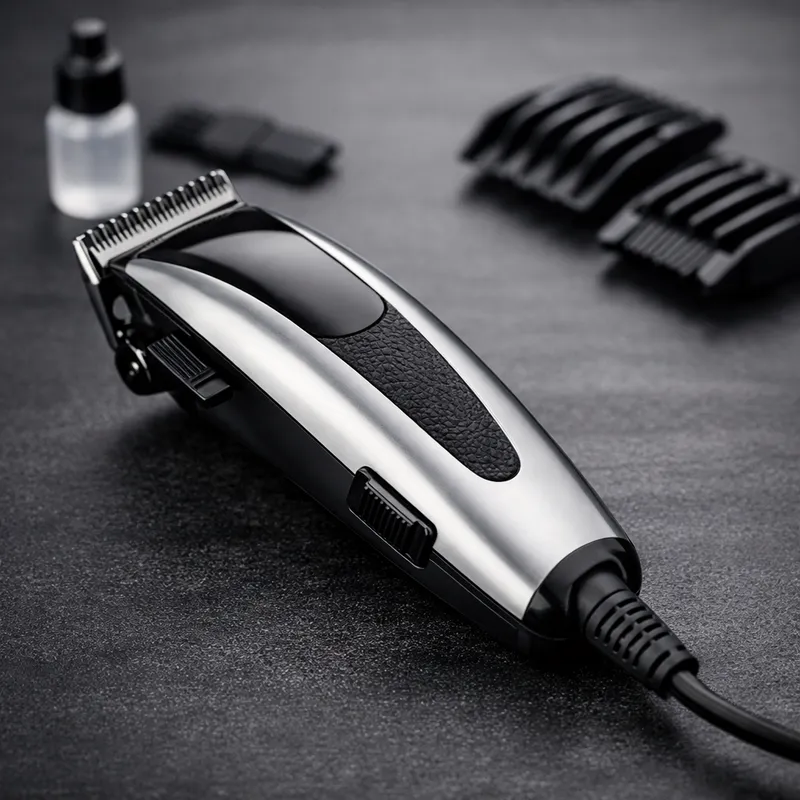
BaByliss vs BaBylissPRO: what people really mean by “babyliss trimmer”
“BaByliss trimmer” is often used as a catch-all phrase, but there are two common needs hiding behind it: convenient grooming (beard/body length control) and barber-style outlining (sharp borders). In most cases, the men who want crisp hairlines and beard edges are actually looking for a BaBylissPRO-style outlining trimmer with a T-blade.
If you want sharp edges
Choose an outlining trimmer. Look for a T-blade, strong cutting stability, and a design that allows careful blade alignment.
- Best for hairline, neckline, sideburns, beard outline
- Works faster when you already trimmed bulk with clippers
- Blade choice matters more than most people think
If you want length control
A grooming trimmer with guards is easier for consistent beard/body lengths, but it won’t replace a proper outliner for lineups.
- Best for stubble, beard length maintenance, body trimming
- Focus on guard stability + comfort
- Use an outliner for the final sharp border
If you cut your own hair
The winning combo is babyliss clippers and trimmers: clippers for bulk + trimmer for detail. It’s the fastest path to a pro finish.
- Clippers set the shape and remove length
- Trimmer makes it look “fresh” and intentional
- Optional foil shaver for a clean neck finish
Tip: Most “bad DIY” results come from pushing the line too far back or trying to do everything with one tool. Use the right tool for the right job, and your results jump immediately.
Trimmer vs clippers: the simple rule that upgrades your results
A trimmer is not a “small clipper.” It’s a precision tool. If you try to do a full haircut with only a trimmer, you’ll spend longer, get uneven patches, and end up over-correcting. The cleaner method is a 2-step workflow:
Step 1 Clippers = bulk + shape
Clippers remove length quickly and evenly. They’re for the main haircut work: fading, tapering, blending, and overall length control.
- Speed and consistency
- Guards/lever for blending
- Best for head hair and large areas
Step 2 Trimmer = borders + detail
A BaBylissPRO-style trimmer is for crisp outlines: hairline, beard lines, and cleaning around ears. This is the step that makes people think you went to a barber.
- Sharper edges
- Controlled detailing
- Best when used gently (pressure is the enemy)
Quick decision
If your priority is lineups, start with an outlining trimmer and learn blade + technique. If your priority is beard length, start with a guarded trimmer and add an outliner later for edges. If you cut your own hair, build a babyliss pro clippers and trimmers workflow from day one.
BaByliss Trimmer Finder (tool): get a recommendation in 60 seconds
This tool doesn’t “sell you a model.” It tells you the right type of BaByliss trimmer setup and which blade style to prioritize, based on your goal, hair texture, and skin tolerance. No email. No form.
1) Choose your goal
Select your options and press Get my setup. You’ll get: recommended tool type, blade style, and a “do this, not that” technique tip.
What to look for in a BaByliss trimmer (the stuff that actually changes results)
Competitors tend to overload you with buzzwords. Here’s what matters in real use—especially if your goal is sharp edges.
| Feature | Why it matters | What to prioritize | Common mistake |
|---|---|---|---|
| Blade geometryStandard vs deep tooth | Controls how the trimmer bites, tracks, and handles dense hair. | Start with comfort + control; add “more aggressive” later if needed. | Buying based on hype and then fighting irritation. |
| ConsistencyStable cutting | Stable cutting reduces pulling and patchy outlines. | Look for solid build + well-aligned blade assembly. | Pressing harder to compensate for poor cutting (causes burns). |
| ErgonomicsGrip + angle | Edge-ups are all about angle control—especially at corners and neck. | Choose a shape you can control with minimal wrist strain. | Over-rotating the trimmer and creating crooked lines. |
| Heat managementBlade stays cooler | Hot blades increase redness, bumps, and discomfort. | Clean/oil consistently; avoid dry cutting on sensitive skin. | Using a dirty blade and blaming “the brand”. |
| SystemClippers + trimmers | Two-tool workflow is faster and looks more professional. | If you cut hair, build a “clippers + trimmer” setup early. | Trying to do bulk removal with a trimmer. |
If you only remember one thing: pressure ruins lines. Gentle taps + correct blade/angle beats force every time.
Visual guide: the tools and finishes that pair best with a BaByliss trimmer
A lineup looks better when the rest of your grooming is consistent. These visuals help you think in “systems,” not single purchases.


BaByliss trimmer blade guide: what changes performance the most
The babyliss trimmer blade is the part you actually feel. Blade geometry affects how the trimmer tracks the skin, how it handles dense hair, and how forgiving it is when you’re learning. If you buy “the strongest” blade without matching it to your skin tolerance, you’ll pay for it with irritation.
Standard-tooth T-blade
Usually the best starting point for most men. It’s easier to control, more forgiving on sensitive skin, and still sharp enough for clean borders when your technique is solid.
- Great for learning hairline corners without digging in
- Better “all-round” behavior across hair textures
- Pair with gentle pressure + short taps
Deep-tooth T-blade
Often preferred for heavier hair and certain detailing styles. It can feel more “bitey” if you press too hard, but in the right hands it creates crisp detail efficiently.
- Can feel faster on thick/coarse hair
- Best when you already have good angle control
- Not ideal if you’re bump-prone and impatient
Blade coatings (simple truth)
Coatings and materials can help with corrosion resistance and comfort, but they won’t fix poor maintenance or bad technique. If your blade pulls, heats up, or needs multiple passes, the fastest improvement is usually: deep clean → light oil → alignment check → less pressure.
Maintenance planner (tool): reduce pulling, heat, and skin irritation
The biggest reason a “good trimmer” starts feeling bad is simple: hair + skin oils build up, friction increases, the blade heats up, and you press harder. This planner gives you a realistic schedule based on how much you actually trim.
2) Build your maintenance schedule
Press Generate schedule to get a custom cleaning and blade-care routine.
This is an estimate meant to prevent pulling and irritation. If your trimmer is under warranty, follow the official manual for that model.
Zero-gapping a BaByliss trimmer: when it helps and when it makes things worse
Zero-gap tuning can make a trimmer cut closer. That can help with crisp edges—but it also increases the chance of nicks and irritation, especially on the neck. The “internet default” is to go as close as possible; the barber default is to go as close as you can without sacrificing comfort and control.
When zero-gap helps
- You already have good angle control
- You want cleaner borders with fewer passes
- You’re not bump-prone and your skin tolerates close work
When it backfires
- You press hard to “force” sharpness
- Your neck gets bumps/razor burn easily
- You rush corners and over-correct symmetry
Safe alignment checklist (practical)
- Power OFF before any blade adjustment.
- Align the cutting blade so it sits slightly behind the stationary blade (no overhang).
- Tighten screws evenly, then test on arm hair first.
- If it “bites,” back off. Close enough is better than injured.
If you’re bump-prone, prioritize technique and cleanliness before chasing closer alignment.
How to edge up with a BaByliss trimmer (barber method, no carved hairline)
Most men don’t need more “power.” They need a process. Follow this sequence and your edges look cleaner without pushing your line back.
Hairline (forehead + corners)
- Start light: sketch the outline with gentle taps, not long drags.
- Work from center outward: it keeps symmetry under control.
- Don’t invent corners: refine what exists; don’t cut “new” hairline real estate.
- Step back often: small corrections beat one big mistake.
Beard outline + neckline
- Trim beard length first so the outline matches the final shape.
- Cheek line: keep it natural—too low looks artificial fast.
- Neckline: set it about 1–2 fingers above the Adam’s apple, then tidy below.
- Stretch the skin lightly with your free hand for cleaner lines.
The #1 rule: pressure ruins edges
If you’re pressing hard, you’re compensating for one of three issues: a dirty blade, poor alignment, or the wrong blade style for your skin. Fix those first. Then edge with gentle taps. Your lines get sharper and your skin stays calmer.
Troubleshooting: why your BaByliss trimmer pulls, heats up, or feels “less sharp”
It pulls hair
- Deep clean under the blade (hair packs in tight).
- Oil lightly (too dry = friction).
- Reduce pressure; do multiple gentle passes instead.
It gets hot fast
- Dirty blade = heat. Clean more often than you think.
- Oil correctly (one or two drops, not flooding).
- Let it cool between long sessions.
Lines look fuzzy
- Slow down and use short taps at the border.
- Check blade alignment (crooked = fuzzy edges).
- Consider switching blade style (standard vs deep tooth).
If you keep needing “more power,” it’s usually technique + blade care. Fix the fundamentals and almost any quality trimmer performs better.
Buyer checklist: what to verify before you buy
Use this checklist so you don’t end up with the wrong tool for your goal (or worse: something uncomfortable you stop using).
If your goal is lineups
- T-blade outlining trimmer (not just a guarded groomer)
- Blade option that matches your skin tolerance
- Ergonomics you can control around corners
- Clear return policy (skin comfort is personal)
If your goal is a full kit
- Clippers for bulk + trimmer for edges (the pro workflow)
- Compatible accessories you can actually replace later
- A maintenance routine you will realistically follow
- Buy from reputable sellers to reduce counterfeit risk
Conversion touch (no form)
If you want a guaranteed clean result (especially for fades + sharp corners), a good barber is still the fastest path. Use your site’s preferred conversion path below.
Edit the URLs above to match your site structure.
FAQs about BaByliss trimmers
Short, practical answers. These FAQs are also marked up in the schema below.
Is a BaByliss trimmer good for hairline lineups?
Yes—if you’re using an outlining trimmer designed for crisp borders. Your result depends more on blade choice, alignment, and pressure control than raw “power.”
What’s the difference between a trimmer and clippers?
Clippers remove bulk fast and set the haircut shape. A trimmer is for precision borders: hairline, neckline, sideburns, and beard outline. Using both is the fastest route to a pro-looking finish.
Which is better: standard-tooth or deep-tooth BaByliss trimmer blade?
Standard-tooth is usually the best starting point for comfort and control. Deep-tooth can feel faster on thick/coarse hair, but it’s less forgiving if you press too hard or you’re bump-prone.
Do I need to zero-gap my trimmer?
No. Zero-gap can help cut closer, but it can also increase nicks and irritation. If you’re sensitive, prioritize cleanliness, gentle technique, and a forgiving blade setup before going more aggressive.
Why does my trimmer pull hair?
Most of the time it’s buildup under the blade, lack of oil, or misalignment. Deep clean, oil lightly, and reduce pressure. If it still pulls, the blade may be worn and due for replacement.
How often should I clean and oil a BaByliss trimmer?
Brush after every use. Oil lightly often (especially if you use it multiple times per week). Use the maintenance planner on this page for a schedule matched to your usage.
Can I use a BaByliss trimmer for full haircuts?
You can, but it’s inefficient and often patchy. For full haircuts, use clippers for bulk and a trimmer for finishing. That’s how barbers work for a reason.
What’s the safest way to edge up the neck?
Keep pressure very light, stretch the skin slightly, and avoid over-cutting. If you’re bump-prone, don’t chase ultra-close results—comfort-first is cleaner long-term.
How do I avoid pushing my hairline back?
Start with a light outline, work from center outward, and avoid “creating” new corners. Step back often and make micro-corrections instead of one big cut-in.
Is it worth buying a clippers + trimmers combo?
If you cut your own hair, yes. “Babyliss pro clippers and trimmers” as a workflow is the best value because it saves time and produces cleaner results than a single-tool approach.