
Choose the right Wahl mustache trimmer in minutes — then trim under the nose without overdoing it.
Wahl mustache trimmers are popular because they’re built for repeatable grooming: set a length, refine the corners, and keep your mustache looking intentional instead of “accidentally shorter.” The problem is that most people use the wrong technique in the one place that matters most: the center under the nose.
This page solves the two things that actually decide your result: (1) picking the right Wahl kit style for your routine, and (2) a barber-proof trim method that prevents the classic mistake—taking the middle too short.
- Quick Picks: which Wahl trimmer type fits your mustache style (stubble → fuller growth)
- Comparison table: what matters for mustache grooming (not generic beard advice)
- The 7-step method: under-nose control, corners, comfort line, and finishing checks
- Tools + maintenance: reduce tugging, irritation, and uneven “patchy” trims
Quick Picks: Wahl mustache trimmers by goal
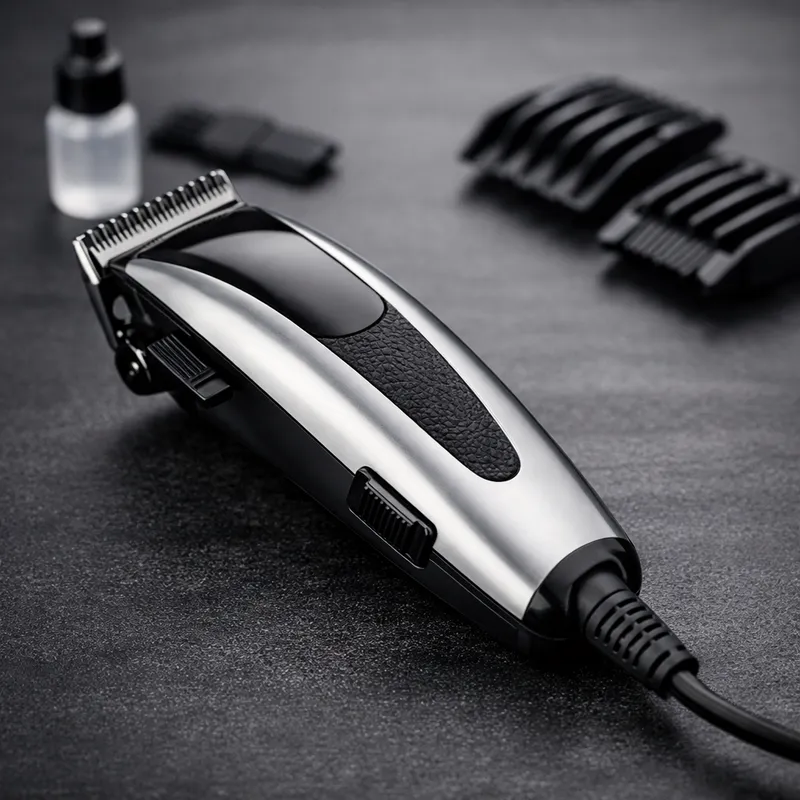
There isn’t one “best” Wahl trimmer for every mustache. The best choice depends on how you maintain your look: are you doing quick touch‑ups, shaping corners, keeping it short and clean, or growing it fuller? Use these picks as a decision shortcut, then confirm the kit contents (guards/heads) before you buy—bundles can vary by retailer and region.
A dedicated Mustache & Beard Trimmer kit
If you want a neat everyday mustache (short to medium length) with minimal drama, a dedicated mustache/beard kit is the easiest way to stay consistent. It’s the “set the length, clean the edges, done” choice.
- Best for: clean short mustaches, quick maintenance, repeatable trims.
- Why it works: guards make length consistent so the mustache doesn’t look uneven in photos or daylight.
- Watch‑outs: always start one step longer than you think—most mistakes are “took too much off.”
A precision detail trimmer (pen-style control)
The mustache area is small, high‑visibility, and easy to mess up. If you care about sharp corners, the lip line, and under‑nose cleanup, you’ll get better control from a precision detail style than from a wide head alone.
- Best for: corners, tight edge work, quick touch‑ups between trims.
- Why it works: better visibility under the nose and less “accidental over-cut.”
- Watch‑outs: detail tools are perfect for shaping, but you may still want a guard-based trimmer for setting overall length.
A combo kit (mustache + detail in one bag)
If you travel, the real win is not “more features”—it’s having the right attachments for quick grooming with minimal setup. A combo approach is ideal when you want mustache maintenance plus tight cleanup tools, without building a full kit at home.
- Best for: travel grooming, fast cleanups, simple routines.
- Why it works: one compact setup keeps corners tidy and reduces missed patches.
- Watch‑outs: combo bundles vary—use the checklist below so you don’t buy the wrong version.
A multi‑head kit (main trimmer + detail head)
If you want “one kit that does everything,” your priority should be interchangeable heads—specifically a detail head for mustache work. This style is ideal for guys who maintain a mustache and a beard, switch styles often, or want a cleaner finish with fewer tools.
- Best for: mustache + beard routines, sharp detailing, long-term flexibility.
- Why it works: you set length with a main head, then refine corners with a precision head.
- Watch‑outs: don’t buy “premium” if it doesn’t include the heads you actually need.
Bundle-proof checklist (use this before you buy): A “Wahl moustache trimmer” listing can look identical but come with different guards/heads. This checklist prevents disappointment and returns.
- Power type: battery vs rechargeable — choose what matches your routine.
- Guards included: confirm the range matches your target mustache length.
- Detail control: if corners matter, confirm a detail head (or plan to pair with a precision trimmer).
- Cleaning items: brush/oil included or easy to maintain.
- Storage: case/pouch helps if you travel or keep your setup organized.
Wahl Trimmer Finder (interactive tool)
Tap your preferences and get a practical recommendation. This doesn’t try to sell you “the most expensive option.” It recommends the kit type that best matches your mustache routine—plus exactly how to avoid the most common trimming mistakes.
Recommendation will appear here
Choose at least two options above (goal + priority is enough). You’ll get: a kit-type recommendation, an under‑nose safety tip, and a “bundle-proof” checklist.
Fast rule: If you care about corners, pick a setup with precision detail control. If you care about consistency, pick a setup with solid guards. The best routines use both.
Comparison table: choose the right Wahl mustache trimmer kit type
Don’t buy based on hype words like “professional” or “advanced.” For a mustache, what matters is visibility under the nose, stable length control, and clean corner shaping. This table helps you choose the kit type that fits your routine.
| Kit type | Best for | Power | Mustache strengths | Who should skip |
|---|---|---|---|---|
| Dedicated mustache/beard kit | Most guys who want a neat everyday mustache | Battery or rechargeable (varies by kit) | Repeatable length, quick routine, fewer mistakes | If you only want edge detailing and never use guards |
| Precision detail trimmer | Corners, lip line, under‑nose cleanup | Often battery | High control in small areas; safer under the nose | If you need long guard options as your main trimming tool |
| Combo travel kit | Travel grooming and compact storage | Often battery | One bag setup; mustache + quick detailing | If you want maximum power or a premium long-term kit |
| Multi‑head all‑in‑one kit | Mustache + beard routines, frequent touch-ups | Often rechargeable | Main head for length + detail head for corners | If you want the simplest possible setup |
Note: Product bundles can vary. Use the bundle-proof checklist to confirm guards/heads before you buy.
Buying guide: what actually matters for a mustache (not generic beard advice)
Most “trimmer” content treats a mustache like a small beard. That’s why people end up with uneven centers, sharp corners that don’t match, or a lip line that feels scratchy. A mustache is its own zone: it sits on a high-visibility area, the hair grows in different directions, and tiny mistakes show immediately. Here’s what you should prioritize when choosing among Wahl mustache trimmers.
1) Under‑nose visibility (the #1 mustache problem)
The center under your nose is where most “I messed it up” trims happen. When you can’t see exactly what the blade is doing, you trim too high, too fast, or with too much pressure.
- Look for: a setup that allows precise, small passes (detail control helps).
- Trim rule: use short strokes and the edge of the blade—not the full head digging into the center.
- Result: a mustache that stays full in the center while still looking clean.
2) Length control (the #1 reason mustaches look uneven)
Uneven mustaches usually come from inconsistent length—not bad genetics. Guards help you keep the look consistent across the whole mustache, so it doesn’t appear patchy or lopsided in bright lighting.
- Look for: guards that feel stable and don’t “wiggle” during passes.
- Start safe: begin one setting longer than you think, then reduce length gradually.
- Pro habit: comb down before each pass so you’re trimming true length, not random bends.
3) Corner shaping (where your style lives)
Corners make the mustache look intentional. Soft corners look natural; sharper corners look more defined. But corners are also where symmetry gets tricky—one side can look “heavier” even when it’s the same length.
- Look for: detail capability (precision head or a dedicated precision trimmer).
- Trim rule: set overall length first, corners second, lip line last.
- Symmetry tip: aim for balance, not perfect geometry—faces aren’t perfectly symmetrical.
4) Comfort line (lip line) without over-carving
The lip line is about comfort. The goal is to stop hair from getting into your mouth without carving a “thin mustache” that looks accidental. The difference between sharp and over-trimmed is often just a few millimeters.
- Rule: clean the lip line last, in tiny amounts.
- Stop early: slightly fuller usually looks better than overly carved.
- Comfort tip: finish with a tiny amount of beard/mustache oil to soften scratchiness.
One sentence that saves most mustaches: Set length first, then under‑nose control, then corners, and only then touch the lip line.
The 7-step Wahl mustache trim method (barber-proof)
This routine is designed for real life: you can do it quickly, repeat it every week, and it protects you from the one mistake that ruins most trims. If you follow the sequence, your mustache stays full where it should, clean where it needs to be, and comfortable on the lip line.
Before you start: Trim dry for the most predictable results. Dry hair shows true length and makes symmetry easier.
If you just showered, wait a few minutes, comb down, and let the mustache settle. You’ll trim more evenly and avoid surprise “shorter than expected” results.
-
Start dry and comb down
Comb the mustache straight down (and slightly outward at the corners). This reveals the true length and prevents you from trimming random bends. If you skip this, you’ll chase “unevenness” that isn’t actually there.
-
Choose a conservative length (one step longer)
Your first pass should be a test pass. Starting longer protects you from over-trimming and gives you room to refine the look gradually. You can always go shorter—growing it back takes time.
-
Set overall length first (don’t touch the lip line yet)
With the grain, use light pressure and steady passes. Keep the head angle consistent. This step creates the foundation—once the overall length is even, shaping becomes easy and predictable.
-
Under‑nose technique (the safe way)
Tilt your head slightly back. Use the edge of the blade (not the full head) and take short strokes from the center outward. This prevents the “center got too short” mistake and keeps the mustache full where it matters most.
01:00Optional: a 60‑second focus timer for careful under‑nose control. -
Corners (where your shape shows)
Use a precision detail tool (or the narrowest control your kit allows). Clean corners slowly. The goal isn’t to “match a template”—it’s to make both sides look balanced at a glance.
-
Lip line last (comfort line, not a high carve)
Trim tiny amounts until hair stops getting into your mouth. Stop early. A slightly fuller mustache almost always looks better than one that’s carved too high.
-
Final check (10 seconds that saves you)
Relax your face. Look straight-on, then slightly angled. If you feel the urge to “keep fixing,” pause. Most over-trimming happens during the final perfection loop.

Pro shortcut: If you’re growing your mustache out, avoid aggressive trimming in the center. Focus on corners and comfort line. Let the middle stay fuller so it looks intentional.
Common mistakes (and fast fixes)
Most trimming problems are predictable. If you recognize the mistake quickly, you can fix it without making it worse. Use these solutions as your “damage control” guide.
I trimmed the middle too short. What now?
Stop trimming the center immediately. Keep corners tidy only, and let the middle regrow. Trying to “even it out” usually makes the mustache thinner and higher than you intended. Next time, use the under‑nose method: short strokes from the center outward using the blade edge.
One side looks thicker than the other.
Comb down before every pass and trim less than you think on the thicker side. Inconsistent combing and changing angles are the main causes. Don’t chase perfection—aim for balance at normal viewing distance.
My mustache feels scratchy after trimming.
Scratchiness usually comes from going too close or doing too many passes. Next time: fewer passes, lighter pressure, and finish with a tiny drop of beard/mustache oil. Softening the hair reduces irritation and makes the mustache feel cleaner.
The trimmer pulls hair (tugging).
Tugging is typically maintenance: hair packed in the head, a dry blade, or low power. Clean the head thoroughly, add a tiny amount of blade oil (if your device allows), and make sure battery/rechargeable power is strong.
I over-trimmed the lip line and now it looks too thin.
Stop trimming the lip line for a while. Keep length consistent elsewhere and let the comfort line grow back naturally. Next time, do the lip line last and remove hair in tiny increments until it stops getting into your mouth—then stop.
Maintenance routine: prevent pulling, irritation, and uneven trims
A mustache is small, which means it’s easy to think maintenance doesn’t matter. In reality, the mustache area punishes dull or dirty blades: you end up doing more passes, and more passes means more irritation and more “oops” moments. Keep your Wahl setup clean and it will feel smoother and cut more predictably.
After every trim (2 minutes)
- Brush out hair from the cutting head (packed hair = tugging).
- Wipe clean and store dry.
- Quick check: if it starts pulling, don’t force it—clean it.
Weekly (or every 3–4 trims)
- Oil the blade (if recommended for your model): 1–2 small drops.
- Run briefly to distribute oil evenly.
- Less irritation comes from fewer passes—maintenance makes each pass count.

Sensitive skin tip: The fastest way to get irritation is repeated passes. Keep blades clean, use light pressure, and stop trimming when it looks “clean enough.”
Want it perfect? Get a pro mustache shape-up near you
A good barber can set the outline that suits your face, correct asymmetry, and dial in the corners so the mustache looks clean even as it grows out. If you’re in a “reset” phase after a bad trim, a quick shape-up is often the fastest path back to a great look.
What a barber does better (fast)
- Sets the outline for your face shape and mustache style.
- Balances corners without thinning the center.
- Blends mustache + beard so it looks intentional, not separate.
- Gives a maintenance plan so you can keep it sharp at home.
If your mustache grows unevenly, that’s normal. The right outline makes it look even.

FAQs about Wahl mustache trimmers
These answers focus on real outcomes: under‑nose control, clean corners, predictable length, and a routine you can repeat without messing it up.
Which Wahl mustache trimmer is best overall?
For most men, the best option is a dedicated mustache/beard kit that gives stable length control. If corners and the lip line matter most, pair that with precision detail control (a detail head or a precision trimmer style).
Can I use a Wahl beard trimmer for my mustache?
Yes—if it gives you fine length control and you can see what you’re doing under the nose. Wider heads can work, but they increase the risk of taking the center too short. That’s why detail control is a big advantage for mustaches.
What length should I trim my mustache to?
There isn’t one perfect number. Start one setting longer than you think, then reduce gradually. Consistency across the mustache matters more than an exact length—especially for photos and bright lighting.
How do I trim under my nose without messing it up?
Use light pressure, short strokes, and the edge of the blade. Trim from the center outward instead of digging the full head into the middle. This keeps the center full while still looking clean.
How often should I trim my mustache?
Small touch-ups every few days usually look better than waiting until it’s messy and then taking off too much. If you prefer a fuller style, focus on corners and comfort line rather than reducing overall length frequently.
Why does my trimmer pull hair?
Pulling is commonly caused by hair packed into the cutting head, a dry blade, or low power. Clean the head, oil if recommended for your model, and make sure the battery/recharge is strong before trimming.
Is “battery vs rechargeable” important for mustache trimming?
It matters mainly for consistency and convenience. Battery can be great for travel and quick readiness (with spares). Rechargeable can be great for frequent grooming. The best choice is the one you’ll actually maintain and use regularly.
How do I keep my mustache looking sharp as it grows out?
Keep the center fuller, control the corners, and keep the comfort line tidy without over-carving. A small amount of oil helps the mustache sit better and feel softer as it gets longer.
Related guides (keep exploring)
Editorial note: This page is a practical grooming guide. Product names are trademarks of their respective owners.