
Manscaped Trimmer Guide for Pubic Hair & Balls (Plus the Best Beard Option)
If you’re searching for a Manscaped trimmer, you’re usually trying to solve a very specific problem: “How do I trim down there without irritation, awkward angles, or guesswork?” This page gives you the cleanest decision path (which model fits you) and the safest trimming method (so the result looks good tomorrow, not just today).
What matters most in a Manscaped ball trimmer
Groin grooming is different from beard trimming. The skin is thinner, the angles are awkward, and friction is the real enemy. If you buy based on hype instead of practical features, you usually get one of two outcomes: irritation, or an expensive tool you avoid using.
Prioritize these 5 things:
- Guard-first control: the safest trims start longer, then you step down.
- Visibility and precision: lighting and a stable head matter more than “more power.”
- Wet/dry flexibility: easier cleanup, better comfort options.
- Travel-proof design: lock + reliable charging prevents annoying surprises.
- Hygiene separation: “beard trimmer” and “groin trimmer” should be different tools.
The intent behind “manscaped trimmer” searches
Most people aren’t shopping for gadgets. They’re trying to solve a routine problem: look cleaner, feel more comfortable, and avoid the regret phase (itch, bumps, redness, ingrowns). The best page on this topic must do two jobs at once: (1) help you choose a model quickly, and (2) teach you a method that works on sensitive areas.
That’s why this guide is structured like a barber consult: quick picks, a no-nonsense comparison table, and a step-by-step technique you can follow without improvising.
Tip: If you’re also comparing tools for facial hair, jump to the dedicated beard section below.
Interactive Trimmer Picker (no signup, no guessing)
Tap your preferences and we’ll generate a practical recommendation: which Manscaped model category fits you best, what guard strategy to start with, and what aftercare matters most for your skin type. This is designed to prevent the two big failures: going too close too fast and ignoring friction after trimming.
Your recommendation
Start here: Choose “Tidy” or “Closer” first, use a guard on the first pass, and treat aftercare as part of the trim (not optional).
Make your choices above to generate a tailored plan you can copy.
Manscaped trimmer lineup: the simplest way to choose
Here’s the decision logic that avoids buyer’s remorse: pick the tool that matches your finish goal and your skin tolerance. People with sensitive skin usually do best with a comfortable trim that looks clean but doesn’t chase “perfectly smooth.” If you want smoother results, the technique matters more than the brand name.
| Model category | Best for | The “real” advantage | If you should skip |
|---|---|---|---|
| Premium Lawn Mower 5.0 Ultra | Men who want trim + a closer finish option and prefer an all-in-one approach. | You get the most flexibility: tidy most days, closer when you want it — without switching to a totally different device. | If you’re price-sensitive and you’re happy with “tidy and comfortable.” |
| Mid Lawn Mower 4.0 Pro | Men who want a premium feel for regular trimming without chasing the closest possible result. | A strong “daily driver” for groin/body upkeep when you value convenience features and a consistent trim. | If you rarely groom or you only want the basics. |
| Value Lawn Mower 3.0 Plus | First-time groomers and anyone who wants the essentials done right. | Simple, effective trimming: less complexity, fewer reasons to overdo it. | If you want a smoother finish option built into your routine. |
| Beard Beard Hedger | Men who want clean beard lines and consistent facial length control. | Separate tool = better hygiene + better results for facial hair. | If you were planning to use one trimmer for everything (don’t). |
The buyer’s trap: confusing “closer” with “better”
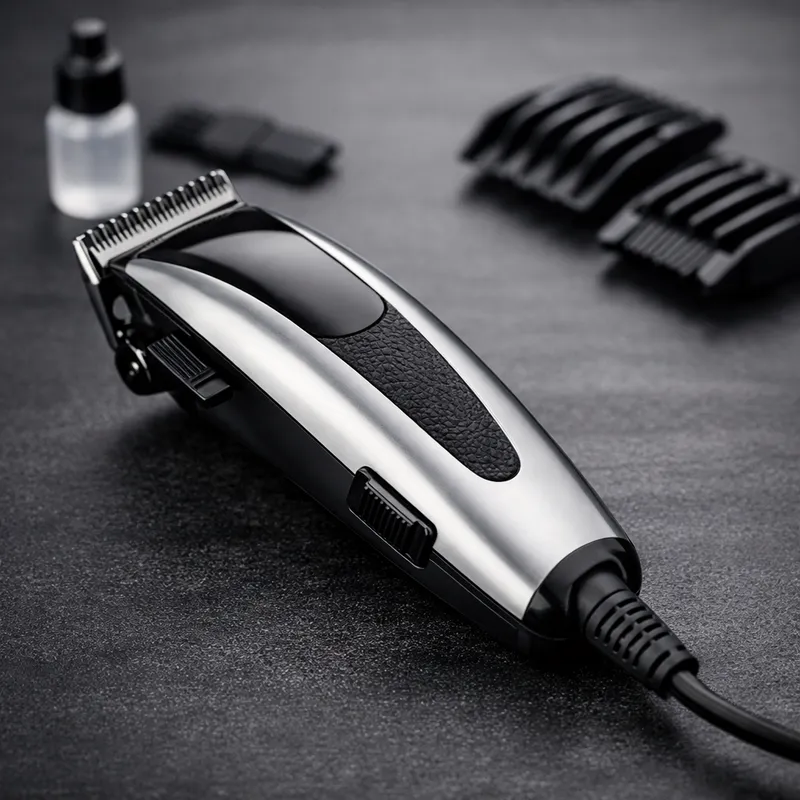
Most irritation comes from two avoidable choices: (1) going too close too early, and (2) skipping aftercare because you “feel fine” right after trimming. Your skin doesn’t complain immediately — it complains later, when sweat + friction hit freshly trimmed follicles.
If you want the best blend of appearance and comfort, aim for a trim that looks intentionally clean, not necessarily “as smooth as possible.” Smooth is optional. Comfort is the baseline.
How to trim pubic hair & balls safely (step-by-step)
This method is written for real-life use: awkward angles, sensitive skin, and the goal of looking clean without irritation. If you follow the order exactly, you reduce the chance of tugging, redness, and post-trim itch.
Step 1 — Prep (2 minutes that prevents problems)
Start with clean skin. A quick shower or wash helps because trimming on sweaty skin increases friction and makes hairs cling. Dry the area well (pat, don’t rub).
- Good lighting: don’t “feel your way through it.”
- Start longer: pick a higher guard than you think you need.
- Slow strokes: speed causes mistakes, not efficiency.
Step 2 — Reduce length first (guard-first rule)
Long hair + close trimming = tugging. Tugging leads to inflammation. Inflammation leads to bumps. Your first pass should always be about reducing bulk, not finishing.
Make your first pass with a longer guard, then step down only if you still want it shorter. This is how you stay in control and avoid overcorrecting.
Step 3 — Pubic area technique (clean and even)
Pubic hair grows in mixed directions. To keep the result even, use short strokes and change direction when needed (but don’t press hard).
- Keep the skin slightly taut for stability.
- Work from the edges inward to avoid missed patches.
- If you’re unsure, stop at “tidy.” You can always go shorter later.
Step 4 — Balls/scrotum technique (where people mess up)
The goal here is safe control. Use your free hand to gently stretch and flatten the skin. Trim slowly. If your skin is sensitive or you’re new, keep a guard on — “perfectly close” is not worth the tradeoff.
Aftercare that actually prevents itch, bumps, and redness
Most “bad manscaping experiences” aren’t caused by the trimmer — they’re caused by what happens after. Freshly trimmed hair + sweat + tight fabric = friction. Friction is what turns a clean trim into a painful day.
Set your sensitivity, how close you plan to trim, and your next 24 hours (activity level). We’ll output the most important aftercare moves for your situation.
1 = comfortable tidy • 5 = very close/smooth
Your aftercare priority
Default: rinse → pat dry → light, fragrance-free moisturizer → looser underwear for a few hours.
Adjust the controls to get targeted guidance.
Simple aftercare routine (the one most guys should follow)
- Right after: rinse with lukewarm water, pat dry, apply a gentle (preferably fragrance-free) moisturizer.
- For the next hours: avoid tight underwear if you can; friction is what triggers irritation.
- If you’re prone to bumps: stay at “tidy” more often and avoid ultra-close finishing passes.

What to do if you get itch anyway
Itch is usually a mix of dryness and friction (especially after close trimming). Don’t scratch; it turns a small irritation into inflammation.
- Wash gently and moisturize again later the same day.
- Switch to looser underwear for 24 hours.
- Next time, keep a slightly longer finish and treat “smooth” as occasional, not default.
If bumps are painful, spreading, or persistent, stop close trimming and consider professional medical advice.
Cleaning & maintenance (the hidden reason trimmers start pulling)
A trimmer that “suddenly started tugging” is usually not suddenly worse — it’s usually dirty, dull, or overloaded. Cleaning is not a ritual. It’s performance.
Fast maintenance rules
- After every use: remove hair buildup immediately; let the head dry fully before storage.
- Weekly (if you groom weekly): check the cutting head for buildup and performance drop.
- When it pulls: reduce length with a guard first, then reassess; if pulling continues, it’s often time to replace the head.
Choose your grooming frequency and we’ll suggest a simple cleaning cadence you can paste into notes or reminders.
Your maintenance plan
Baseline: quick clean after each use, deeper clean once per week, replace the head when it starts pulling.
Adjust the options to tailor your plan.

A quick note on beard trimming (and why it matters here)
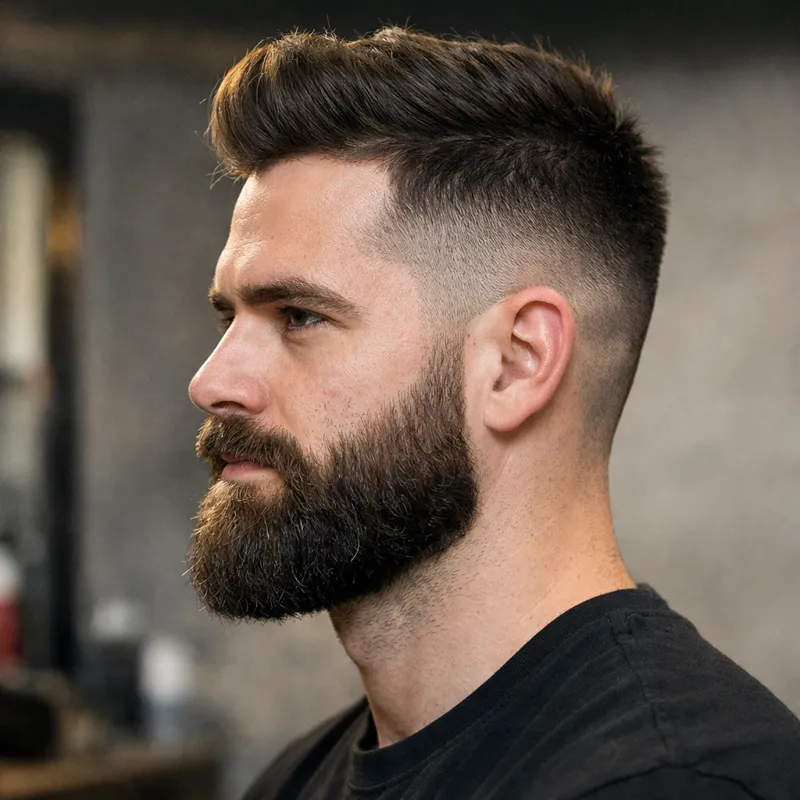
Many shoppers also type “manscaped beard trimmer” while researching body tools. The best approach is separation: keep groin grooming and beard trimming as different lanes. You’ll get better performance for each area, and you avoid hygiene compromises.
If beard grooming is part of your routine, use a dedicated beard trimmer designed for facial hair control and lines. Then keep your body/groin tool strictly for that role.
FAQs (Manscaped trimmer, ball trimmer, and technique)
These answers are written to remove confusion fast — especially around safety, irritation, and choosing the right model level.
Which Manscaped trimmer is best for balls?
The “best” choice depends on your finish goal and how your skin reacts. If you want the most flexibility (tidy most days, closer when you choose), the premium tier makes sense. If your priority is comfort and value, the simpler options are often the best decision.
Practical rule: sensitive skin usually does best with a tidy, guarded finish rather than ultra-close passes.
Is a Manscaped trimmer safe for pubic hair?
It can be safer than a razor for many men because trimming reduces the chance of scraping skin. But no tool guarantees zero nicks. Safety comes from guard-first technique, short strokes, and not rushing the scrotum area.
- Reduce length first (don’t go close on long hair).
- Stretch/flatten skin gently for stability.
- Stop if you can’t see the area clearly; reposition and continue.
Why do I get itch after trimming?
Itch is usually friction and dryness. After trimming, short hairs and open follicles react to tight fabric, sweat, and rubbing. That’s why aftercare (rinse → pat dry → moisturize) matters and why looser underwear can help for the next several hours.
Can I use a Manscaped trimmer for my beard too?
Technically you can, but it’s not the smartest move. Beard trimming benefits from facial-hair-specific precision, and mixing beard + groin grooming is a hygiene compromise you don’t need.
Best practice: dedicated beard trimmer for facial hair, dedicated body trimmer for groin/body.
What’s the safest “first trim” if I’m new?
Start with a longer guard and aim for “tidy,” not “smooth.” Learn how your skin reacts before you experiment with shorter passes. Most beginners get better results by trimming regularly (weekly or every two weeks) instead of doing an aggressive trim once a month.
My trimmer pulls hair—what should I do?
Pulling usually means one of three things: hair is too long for a close pass, the head is dirty, or the blade is dull. Reduce length with a guard first, clean the head thoroughly, and if it still pulls, consider replacing the cutting head.

Bookmark this guide and reuse the tools above before each trim. Consistency beats intensity.