
Philips Norelco OneBlade Hybrid Electric Trimmer and Shaver (QP2520): the practical, no-drama grooming tool
If you want stubble that looks intentional (not accidental), edges that look clean (not harsh), and a shave that feels comfortable (not like sandpaper), this is exactly what the OneBlade is designed for: trim, edge, and shave with one tool.
- Includes 1mm, 3mm, 5mm stubble combs
- Wet & dry: rinse-clean and shower-friendly
- Full charge ~8 hours, runtime ~45 minutes
- Replace blade about every 4 months (average)
Disclosure: Men’s Haircut Style may earn a commission if you buy through our links. This never changes what we recommend — it only supports the site.
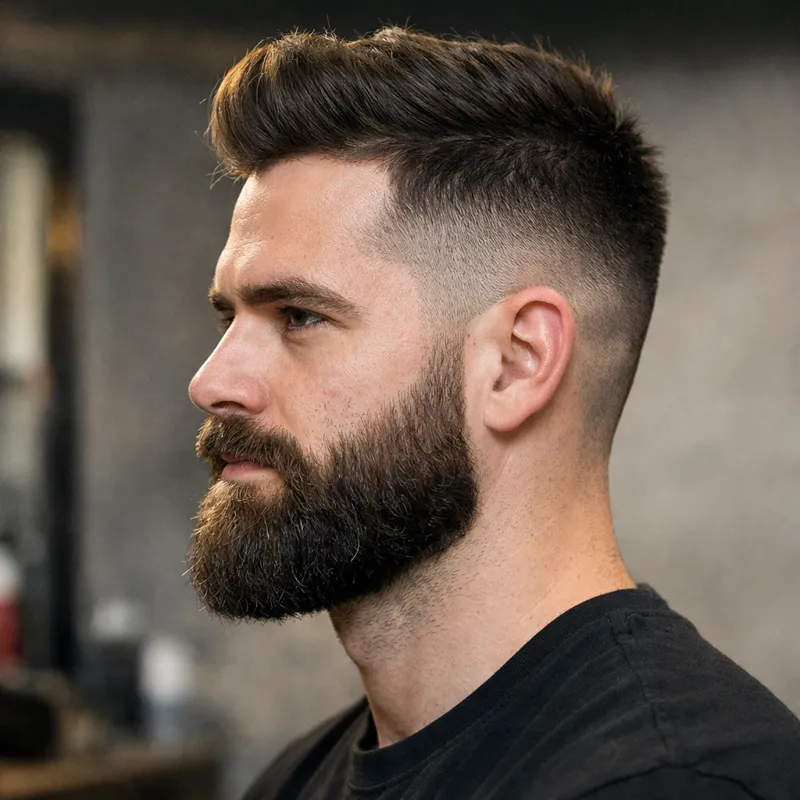
Quick verdict: what the OneBlade is (and what it isn’t)
The Philips Norelco OneBlade hybrid electric trimmer and shaver is a “middle lane” grooming tool. It’s built for the guy who wants clean stubble, crisp edges, and a comfortable shave without switching devices. You’re not buying it to chase the closest shave on Earth — you’re buying it to look sharp with less irritation, less mess, and less time.
What most guys love
- Consistency: keeping stubble even is easier than with a manual razor routine.
- Control: edging cheek lines, moustache edges, and necklines is straightforward.
- Comfort: it’s designed to be skin-friendly for everyday maintenance.
- Speed: you can do a complete “presentable” pass in a few minutes.
What to be honest about
- Not razor-close: if you want a glass-smooth finish, a specialist shaver wins.
- Blade cost: ongoing replacement heads are part of the deal (budget for it).
- Length limits: QP2520 is stubble-oriented (1–5mm combs), not a long-beard machine.
- Cordless only: you can’t use it while charging.
The best way to think about OneBlade: it’s the tool you reach for when you want to look “kept” without turning grooming into a project.
Specs & features (QP2520, explained like a barber would)
Specs are only useful if you know what they mean in real life. Here’s the practical translation: the QP2520 kit is built around short-length control (stubble combs), easy maintenance (wet/dry rinse), and everyday convenience (simple routine, consistent results).
| Spec / Feature | What it means for you |
|---|---|
| Hybrid trim + edge + shave | You can keep a stubble look, clean up edges, and reduce bulk without switching tools. |
| Click‑on combs: 1mm / 3mm / 5mm | Perfect if you live in the “stubble zone.” 1mm = cleaner shadow, 3mm = everyday stubble, 5mm = long stubble. |
| Wet & dry + rinse-clean | Use it dry for speed or wet for comfort. Rinse it quickly so performance stays consistent. |
| Charge time ~8 hours | This is a “charge overnight” device, not a “top up in 10 minutes” one. Plan accordingly. |
| Runtime ~45 minutes | Enough for multiple sessions before recharging (how many depends on your routine). |
| Cordless only | It won’t run while plugged in. That’s intentional for wet/dry safety. |
| Blade replacement: ~every 4 months (average) | Performance stays high when the blade is fresh. Heavy use or thick hair may require earlier changes. |
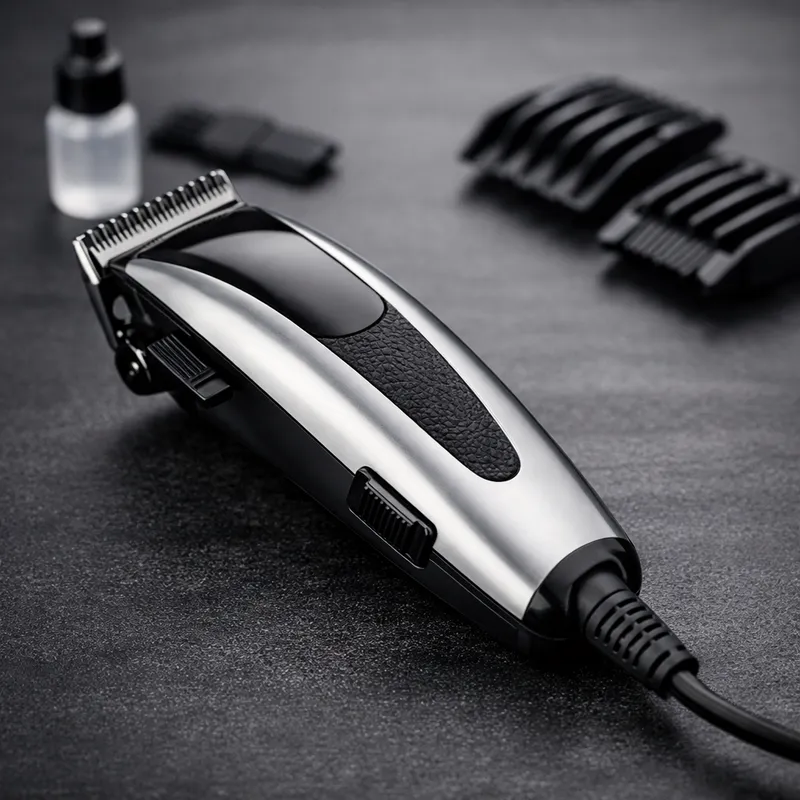
The feature most people miss: why OneBlade feels different
Many trimmers are built to cut hair. Many shavers are built to chase closeness. OneBlade is built for everyday control — that’s why it’s popular for stubble and shaping.
In plain terms: it’s designed to be comfortable, predictable, and easy to aim. That matters more than you’d think, because most grooming mistakes come from rushing and over-pressing. When your tool is forgiving, your routine gets faster and your results look cleaner.
Pro mindset: the goal isn’t “remove everything.” The goal is “make it look deliberate.”
Who the OneBlade is for (and who should choose a different tool)
Buy it if you want this result
- Clean stubble: you want a consistent shadow, not random patches.
- Crisp edges: your cheek line and moustache line should look intentional.
- Low irritation: you’re tired of razor burn or ingrown-prone routines.
- Fast maintenance: you’d rather do 3–5 minutes often than 30 minutes occasionally.
- One tool: you want fewer devices and fewer decisions.
Choose a different tool if you need this
- Ultra-close shave: a quality foil/rotary shaver usually wins on closeness.
- Long beard control: a dedicated beard trimmer with multiple guards/settings is better.
- Head hair: use proper hair clippers for scalp cutting (different job, different tool).
- Plug-and-go use: OneBlade is cordless only.
Simple rule: if your “ideal look” includes the words stubble, tidy, clean, sharp, comfortable — OneBlade makes sense. If it includes baby-smooth, glass finish, barbershop fade at home — choose a specialist tool.
The 5-minute OneBlade routine (trim → edge → clean up)
Most DIY grooming looks “off” because the steps are out of order. If you shave first, you remove your guidelines. If you edge first, you often edge too high. The cleanest approach is always the same: set the length, then define the lines, then clean the surrounding area.
Step 1 — Trim to an even length (choose your comb)
Use a comb when your goal is evenness. Start with the direction that removes bulk efficiently (usually against the grain), then do a second lighter pass from a different direction to catch stragglers.
- 1mm: clean shadow, sharp jaw definition, “fresh but not shaved” vibe.
- 3mm: classic everyday stubble (safe, easy, consistent).
- 5mm: long stubble that still looks tidy and intentional.
A common mistake: pressing harder to go faster. Light pressure = fewer missed spots and less irritation.
Step 2 — Edge like a barber (cheek line + moustache line + neckline)
Remove the comb. Now your goal is shape, not speed. Use short strokes, keep the head steady, and don’t chase perfection in one pass.
Cheek line (easy rule)
If you want a natural look: keep the line soft and follow your natural growth. If you want a sharper look: define a cleaner edge but avoid climbing too high—high cheek lines can look unnatural fast.
Pro tip: outline lightly first. Only “commit” once the shape looks right from both sides.
Neckline (most important line)
The neckline makes your beard look intentional. A practical guideline: don’t carve the beard into your jaw. Give it a little room underneath, then clean below the line so the beard looks structured.
If you’re unsure, set the line slightly lower. You can always refine upward — you can’t “unshave” a neckline.
Step 3 — Clean up (comfortable finish, not razor-close)
Use the blade without a comb to tidy the surrounding area and reduce stubble where you want a cleaner look. This is the “polish” step: around the beard outline, under the lip, and on the upper neck.
If you want maximum comfort, use it wet with a bit of shaving gel or warm water. If you want maximum speed, use it dry — just keep the pressure light and the strokes short.
Quick tool: pick your stubble goal (and get the exact settings)
Tap a goal and you’ll get a clear comb choice + technique that matches how barbers maintain these looks.
Want the cleanest possible DIY result? Do your routine under bright bathroom lighting and check symmetry in a mirror after every major step.
Maintenance that keeps performance high (and skin calm)
The OneBlade experience is heavily tied to one thing: blade condition. When the blade is fresh, it cuts cleaner, pulls less, and feels smoother. When it’s worn, people often compensate by pressing harder — that’s when irritation starts.
After every use (60 seconds)
- Rinse the head/blade under water (wet & dry design makes this easy).
- Shake off water and let it air-dry before storing.
- If you use product (oil, balm), rinse more thoroughly—residue reduces cutting efficiency.
Blade replacement (the realistic rule)
- Average guidance: replace the blade about every 4 months.
- Thick hair + frequent use can shorten that timeline.
- Light use can stretch it longer — but performance will gradually drop.
- If you notice more tugging, more passes, or more redness, it’s time.

Barber-level comfort tips (simple, but they work)
If you’re prone to irritation, don’t try to “win” with force. Win with technique:
- Short strokes: more control, fewer missed hairs, less overworking skin.
- Lower pressure: let the cutter do the work; pressure is the fastest route to redness.
- One direction per pass: don’t scrub back and forth like you’re sanding wood.
- Finish with cool water: it helps calm the skin after grooming.
If you want the cleanest look with the least risk: trim first, then edge, then do minimal clean-up passes.
Free mini-tools (JavaScript) to get better results
Most people don’t fail because they chose the wrong tool — they fail because the routine has no structure. These mini-tools turn your grooming into a simple system: when to replace blades, and what the blades actually cost per month.
1) Blade replacement planner (set it once, stay consistent)
Tip: choose your start date and use level to get a realistic replacement window.
You’ll see an estimated “replace by” date and a reminder checkpoint.
Why this matters: worn blades lead to extra passes, extra pressure, and extra irritation.
2) Blade cost calculator (know the real monthly cost)
Tip: enter your pack price and blade count.
You’ll get estimated cost per blade, monthly cost, and yearly cost (based on ~4 months per blade).
This calculator helps you compare fairly: a “cheap handle” can still be expensive long-term if blades cost more than expected.
OneBlade vs. alternatives (choose the right tool for your goal)
The fastest way to choose correctly is to decide what you’re optimizing for: closeness, length control, or ease + comfort. OneBlade wins the third category, competes well in the second (for stubble), and loses to specialists in the first.
| Tool type | Best for | Where it struggles | If you’re this guy… |
|---|---|---|---|
| OneBlade (hybrid trimmer + shaver) | Stubble, edging, comfortable clean-up, fast touch-ups | Not the closest shave; limited lengths on basic kits | You want a clean look with minimal effort and minimal irritation |
| Dedicated beard trimmer | Longer beard lengths, bulk removal, consistent guard trimming | Shaving skin-clean usually needs a second tool | You grow a beard, vary your length often, and need more settings |
| Foil / rotary shaver | Closer “just shaved” finish, fast full-face shaves | Edging and shaping; longer hairs can be less friendly | You want the closest finish and shave frequently |
| Manual razor | Very close shave; cheap refills (sometimes) | Irritation risk; more time; less forgiveness | You have great skin tolerance and want maximum closeness |
The “best combo” strategy (if you want the cleanest results)
If you want a high-end outcome without wasting time: do your regular maintenance with OneBlade (stubble + edges), then use a specialist tool only when you truly need it (for example, a close shave before a formal event).
That approach keeps your skin calmer, reduces daily friction, and still gives you a “special occasion” option.
Want a pro-level line-up, then easy maintenance?

Here’s the conversion-friendly truth
A barber line-up sets the blueprint. The OneBlade helps you keep it. If you want your beard to look “fresh” week after week without constant barbershop visits, do one solid professional line-up, then use OneBlade for maintenance.
You’ll save time, avoid overcutting your lines, and keep your look consistent — especially around the neckline and cheek line.
No forms here — just direct options. If you run a local service page, these links turn informational traffic into leads cleanly.
FAQs (answers written for humans, structured for SEO)
These are the questions people actually ask before buying or using the Philips Norelco OneBlade hybrid electric trimmer and shaver. If you’re deciding between tools or you want better results, start here.
How close does the OneBlade shave?
It’s designed for a comfortable finish rather than the closest possible finish. Expect a clean look that works great for stubble and tidy edges — but if you want a glass-smooth result, a dedicated foil/rotary shaver or a manual razor typically gets closer.
How often should I replace OneBlade blades?
The common guideline is about every 4 months on average. Heavy use, thick hair, and frequent wet use can shorten that. The practical rule: if you feel more tugging, need more passes, or notice more redness, it’s time.
Can I use the OneBlade while it’s charging?
No. OneBlade is designed to operate cordless only. That’s part of how it stays wet/dry safe. Plan for overnight charging if you use it frequently.
Is the QP2520 good for a full beard?
It’s best for stubble, shaping, and maintenance. If you’re regularly trimming a longer beard, a dedicated beard trimmer with more guard options and stronger bulk removal can feel easier and more consistent. OneBlade can still help for edging and clean-up even if you use a separate trimmer for length.
Can I use OneBlade on body hair?
Many people do. For sensitive areas, use guards/attachments when possible and keep pressure light. Wet use can feel more comfortable. If you’re unsure, start conservatively and test a small area first.
What are the comb lengths included with QP2520?
The standard QP2520 kit typically includes 1mm, 3mm, and 5mm click‑on stubble combs — ideal for the “stubble range.”
Is the OneBlade good for sensitive skin?
It’s designed to be comfortable and forgiving, which is exactly why many irritation-prone guys like it. That said, any tool can irritate skin if you press too hard or overwork the same area. Use light pressure, short strokes, and keep blades fresh.
If you want, add a short internal link section under FAQs to keep users on-site (e.g., “Best beard trimmers”, “Best electric shavers”, “How to shape a beard”).
Bottom line
The Philips Norelco OneBlade hybrid electric trimmer and shaver is a strong choice when your real goal is consistent stubble + clean edges + comfort. It’s not trying to replace every specialist tool — it’s trying to make your everyday grooming easier, faster, and more reliable.
Editorial note: this page focuses on practical, repeatable results. Specs can vary slightly by retailer bundle and region. If something doesn’t match your box, your kit is likely a different bundle.