
Men’s grooming tools hub
Clippers & Trimmers: choose the right tool for hair, beard, body & detail work
Most guys don’t need “more tools”—they need the right tool for the job. This hub helps you pick the best category (clippers, trimmers, outliners, shavers, guards and kits), understand what matters before you buy, and get better results at home. It’s written to be practical: quick answers first, then deeper guidance you can actually use.
-
Clippers vs trimmers
Clear definitions + when each one wins. -
Guard size chart
Start safer, then go shorter. -
Buying checklist
Power, blades, corded vs cordless, ergonomics. -
Maintenance steps
Clean + oil + disinfect (without ruining blades).
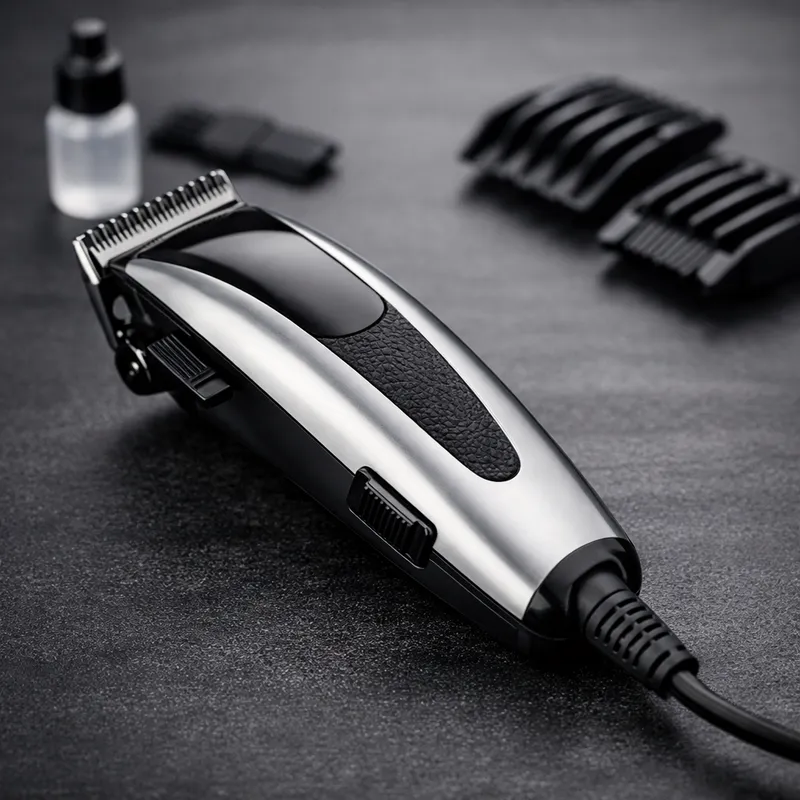
Clippers vs trimmers vs outliners vs shavers (what each tool is actually for)
The biggest mistake is treating every cutting tool like it’s the same. It isn’t. Each tool is designed around a different job: bulk cutting, close detailing, or skin finishing. When you match the tool to the job, you get cleaner lines, fewer patches, less irritation, and you stop wasting money buying “fix” products later.
| Tool | Best for | What it’s not great at | Start here |
|---|---|---|---|
| Hair clippers | Buzz cuts, tapers, fades, removing bulk fast, thick hair | Sharp lineups, tiny detail areas, mustache precision | Hair Clippers |
| Hair trimmers | Edges, neck cleanup, outlining, light cutting and touch-ups | Cutting a full head evenly (slow and often patchy) | Hair Trimmers |
| T‑blade outliners | Lineups, shape-ups, crisp borders, detailing around ears | Removing bulk, long passes through thick hair | T‑Blade Outliners |
| Beard trimmers | Controlling beard length, neckline, cheek line shaping | Fast head hair cutting, fades, heavy bulk removal | Beard Trimmers |
| Shavers (foil/rotary) | Skin-smooth finish, bald looks, clean cheeks/neck | Setting length, shaping, blending, bulk cutting | All‑in‑One Trimmers |
Simple rule: If you want to remove length fast, choose hair clippers. If you want clean borders, choose a trimmer (or a T‑blade outliner). If you want skin-smooth, use a shaver after trimming.
Tool Finder: pick your goal (and get the right page instantly)
This section is designed like a shortcut. Choose what you’re trying to achieve and you’ll land on the guide that matches your intent. It saves time and prevents the common “wrong purchase” problem (for example: buying a beard trimmer and expecting it to cut a full buzz cut evenly).
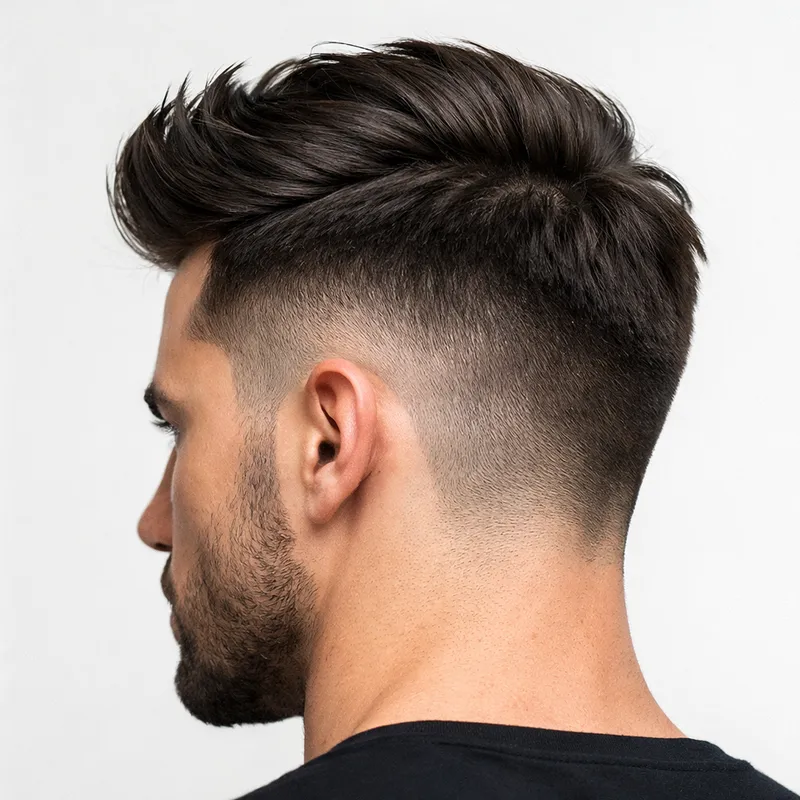
Buzz cut / full haircut
Use hair clippers + guards for even length and speed. Learn safe starting lengths and technique.

Guard sizes & lengths
The difference between “clean” and “patchy” is often the guard. Use the chart and avoid going too short.
Lineup / edge-up / detailing
For crisp borders around hairline, beard edges, and ears. Great when you want “barber sharp.”
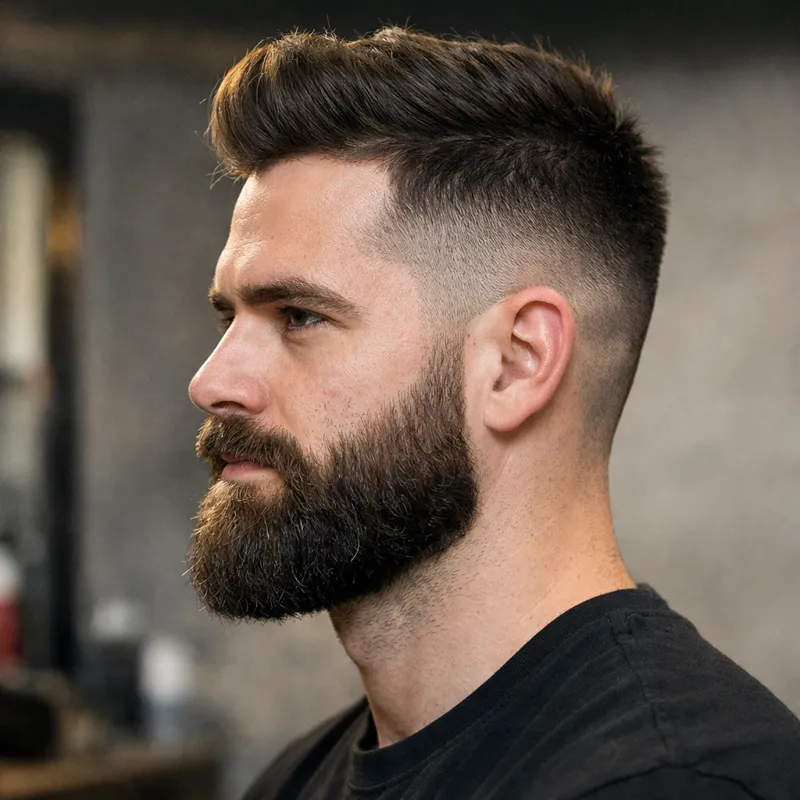
Beard length + shaping
Control length with precision, define the neckline, and keep cheek lines clean without overcutting.

Body grooming
For chest, back, underarms and larger areas. Prioritize comfort, guards, and easy cleaning.

Nose & ear cleanup
Fast, safe cleanup. The goal is tidy—not aggressive trimming that irritates skin.
If your goal is a skin fade or a perfectly blended taper, DIY is possible—but it’s the hardest skill to get right. If you want the fastest “guaranteed clean” result, use a professional: find a fade specialist near you or browse barbershops near you.
Buying checklist: what actually matters (and what’s mostly marketing)
“Best” depends on what you’re trimming, how often you use it, and how clean you need the result to look. The checklist below is the fastest way to choose gear that performs well for your use case instead of buying based on hype.
1) Power & cutting consistency
If you have thick, coarse, or dense hair, your tool needs enough torque to cut without snagging. For DIY head hair, consistency matters more than “high RPM” claims. A clipper that cuts evenly in long passes will beat a flashy tool that stalls or leaves track marks.
2) Blade style: adjustable vs detachable
For fades and blending, an adjustable blade with a taper lever is usually the most practical. Detachable blade systems can be excellent, but they’re a commitment: you’ll likely buy extra blades, and maintenance is part of the deal.
3) Corded vs cordless (real-world advice)
Cordless is easier for self-cuts and tight angles. Corded is reliable for long sessions. If you cut frequently, look for a tool that can work corded or cordless so you’re never stuck mid-cut.
4) Guards, grip & comfort
Guards should lock firmly with no wobble. A stable grip matters more than people admit—especially around ears and the neckline. If a tool is too heavy or gets hot quickly, technique breaks down and your results get worse.
5) Noise, heat & skin sensitivity
If your skin gets irritated easily, prioritize smooth cutting and guards that don’t scrape. “Zero‑gapped” blades can be useful, but they also increase the risk of nicks if you don’t know what you’re doing.
6) Maintenance & replaceable parts
Tools last longer when you can replace blades and keep them clean. If a device is hard to brush out or requires awkward cleaning, most people stop maintaining it—and performance drops fast.
Clipper guard sizes (with a safer “start here” strategy)
Guard sizing seems simple until you realize two things: (1) hair looks shorter when it’s freshly cut and clean, and (2) you can’t “undo” a too‑short cut. The best approach is to start one guard longer than you think, check symmetry in good lighting, then step down.
| Guard | Length | Good for | Beginner note |
|---|---|---|---|
| #1/2 | 1/16″ (≈1.5 mm) | Very short, near-stubble | Not forgiving—only use if you truly want very short. |
| #1 | 1/8″ (≈3 mm) | Tight buzz, short sides | Patchy areas show if you rush or change pressure. |
| #2 | 1/4″ (≈6 mm) | Classic short buzz | Good “first buzz cut” length for many guys. |
| #3 | 3/8″ (≈10 mm) | Short but safe | One of the safest starting points if unsure. |
| #4 | 1/2″ (≈13 mm) | Neat, longer buzz | Great to test head shape and density before going shorter. |
| #5–#8 | 5/8″–1″ (≈16–25 mm) | Longer uniform trims | Ideal if you want tidy length without looking “buzzed.” |
If you’re undecided: start with #4 on top and sides to learn your growth direction, then move to #3 or #2 if you want it tighter. Going too short first is the #1 DIY regret.
How‑to: the 3 most common jobs (buzz cut, taper cleanup, beard line)
Tools get the credit, but technique is what produces the “clean” result. These are the three most common grooming jobs men attempt at home. Follow the steps and you’ll avoid the usual problems: uneven length, harsh lines, and irritated skin.
1) Even buzz cut (fast and clean)
Pick a guard you can live with. If unsure, start longer (#4 or #3) and step down.
Go against the grain in slow, consistent passes. Don’t change pressure mid-pass.
Check crown and occipital bone areas (back of head). They’re where uneven patches hide.
Finish edges with a trimmer around ears and neckline for a sharper look.
The best tool for this is a dedicated clipper: see hair clippers.
2) Taper / neckline cleanup (the “looks fresh” upgrade)
Start with a trimmer to outline the neckline lightly—don’t push the line too high.
Use clippers with a longer guard to clean bulk below the occipital bone.
Blend softly (don’t chase a perfect fade if you’re not confident). Natural beats patchy.
Symmetry check in a mirror from multiple angles. Most mistakes are simply uneven sides.
Best starting pages: hair trimmers and clipper guards.
3) Beard line and length control (clean without overcutting)
Most beard mistakes come from cutting the cheek line too low or pushing the neckline too high. The goal is to define the border without shrinking your beard shape. If you want a strong jawline look, keep the neckline clean and the beard length consistent.
Set length first with a beard trimmer guard. Shaping before length causes uneven density.
Define neckline gently: under the jawline, not up on it. Keep it natural.
Clean cheek line only where stray hairs sit. Don’t “redraw” your face unless you’re sure.
Detail with an outliner if you want sharper edges for photos or events.
Maintenance that keeps blades sharp (cleaning, oiling, disinfecting)
Dull or dirty blades pull hair, irritate skin, and make even expensive tools feel “weak.” The maintenance routine below is short, practical, and built for real life. If you do this, your tool cuts smoother, lasts longer, and stays more hygienic.
Clean after each use (2 minutes)
- Brush out hair from blades and guard teeth (dry cleaning first).
- Remove buildup around the blade edges—this is where performance drops fast.
- Keep guards clean so they clip on tightly and don’t wobble.
If you’re shopping for tools that are easier to maintain, start with hair clippers and hair trimmers that have accessible blades.
Oil correctly (30 seconds)
- Use a small drop along the blade line (more oil is not better).
- Turn the tool on for a few seconds to distribute, then wipe excess.
- If you notice heat, noise, or tugging—oil is usually the first fix.
The goal is smooth cutting, not a greasy blade. Excess oil attracts hair and dust.
Disinfect safely (especially if tools are shared)
- Disinfect guards and blade surfaces after cleaning.
- Let everything dry completely before storage.
- Never store tools with wet guards—this invites corrosion.
If you share tools, hygiene isn’t optional. It prevents skin irritation and reduces the chance of infections.
When to replace blades (signs you shouldn’t ignore)
- Consistent tugging even after cleaning and oiling
- Uneven cutting / “track marks” that weren’t there before
- Overheating during normal use
- Increased skin irritation from the same routine
A fresh blade often makes a mid-range tool feel brand new again.
Want the simplest maintenance path? Choose a clipper set that includes cleaning tools and guards: clipper sets & kits.
Browse the main categories (the complete hub directory)
Use this directory to go deeper. Each category page is built around a specific intent, so you can learn faster and choose better. If you’re building a simple “starter setup,” most men do well with one clipper, one detail trimmer, and a reliable guard set.

Hair Clippers
Buzz cuts, fades, tapers, bulk cutting, thick hair performance.

Hair Trimmers
Edging, neck cleanup, outline work, sharper finishing.

Nose & Ear Trimmers
Fast cleanup, safer technique, and what to avoid.

Beard Trimmers
Length control, shaping, neckline and cheek line cleanup.
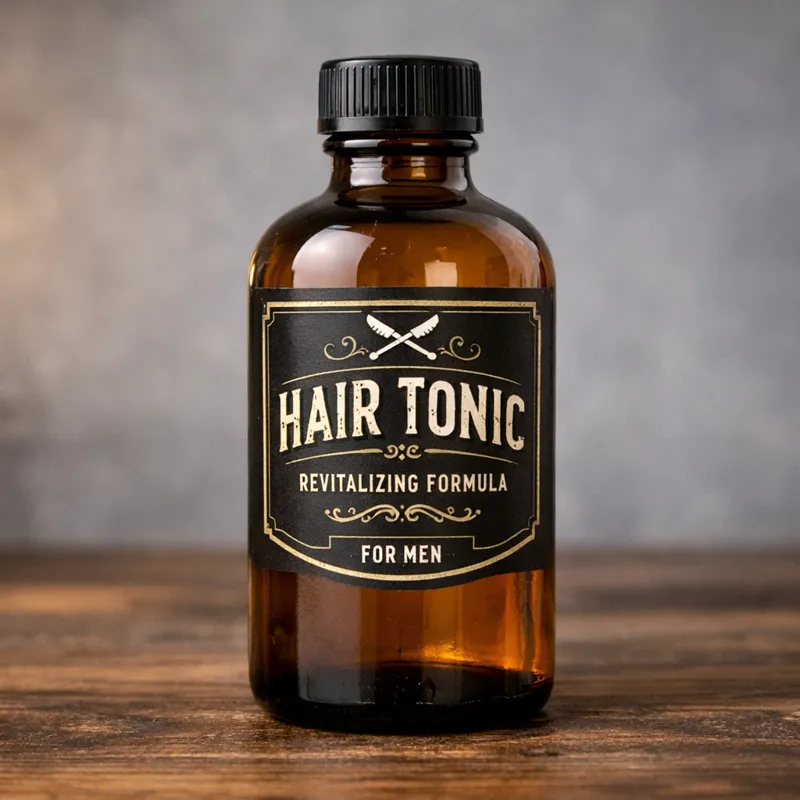
Pubic & Ball Trimmers
Prioritize safety, guards, comfort, and easy cleaning.

Men’s Trimmers
Versatile picks for face, light hair work and quick maintenance.

Clipper Guards
Guard sizes, length strategy, and avoiding uneven cuts.
Clipper Sets & Kits
A practical “starter setup” for DIY haircuts and grooming.
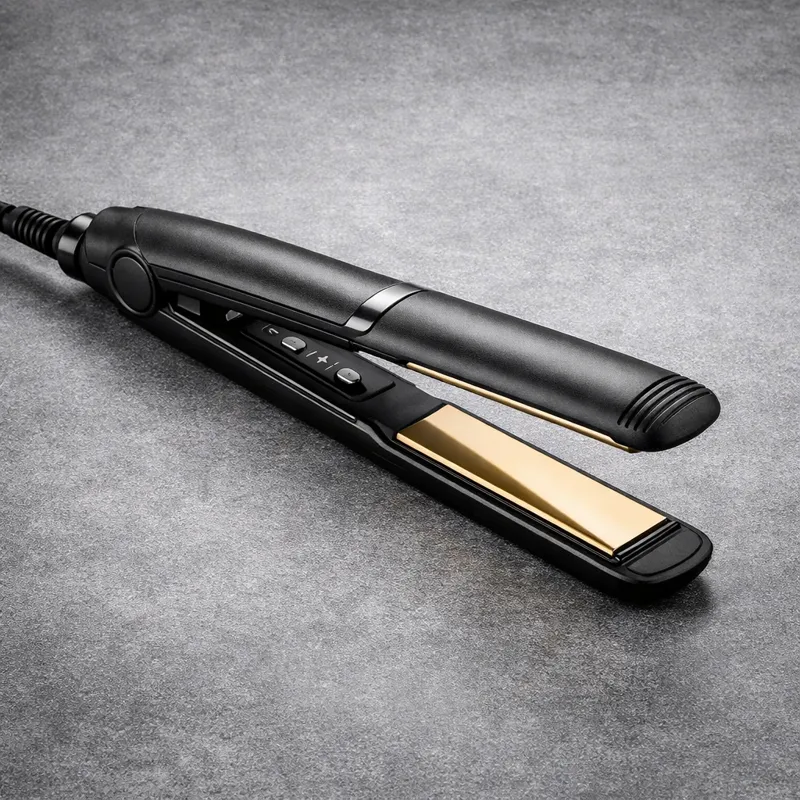
All‑in‑One Trimmers
One kit for face + body (and sometimes light hair trimming).
Mustache Trimmers
Small, precise, and easier to control around the lip line.
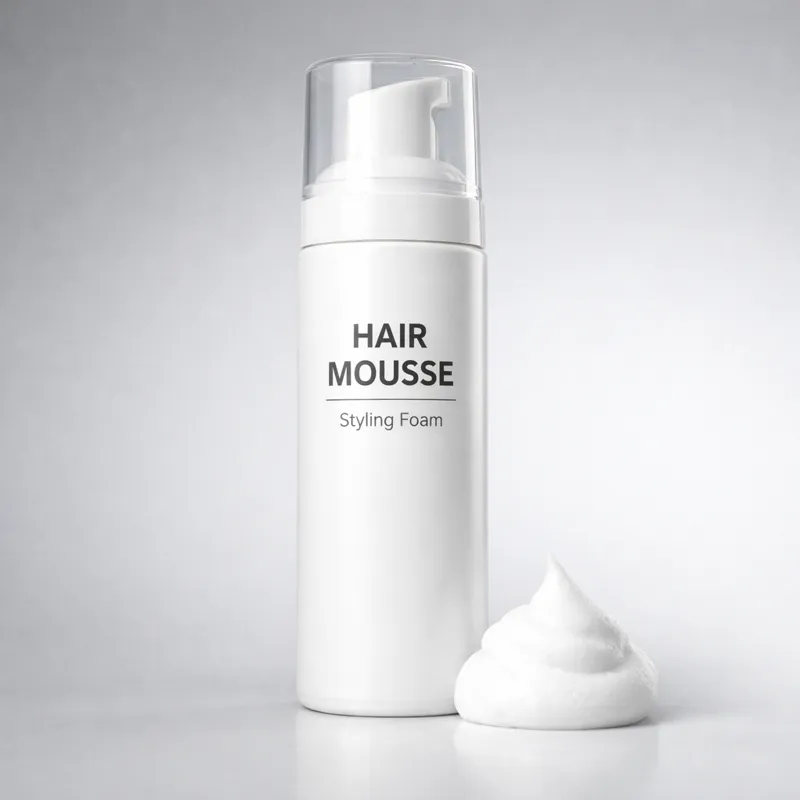
Body Trimmers
Comfort-first trimming for larger areas and sensitive skin.
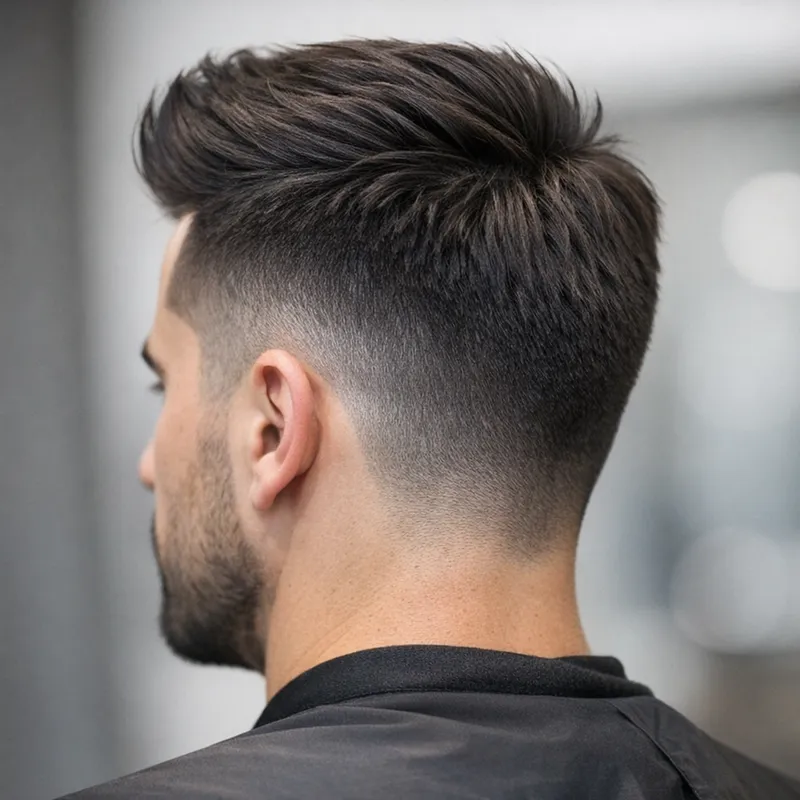
Split End Trimmers
Niche tools for specific hair goals—only worth it for the right user.
Brow Trimmers
Light touch, small blades, and tidy results without overdoing it.
Browse by brand (fast shortcuts to the right guide)
If you already know the brand you trust—or you’re comparing pro-style options—use these shortcuts. The goal here isn’t to overwhelm you, it’s to help you land on the correct page in one click.
Philips / Norelco
Panasonic
Remington
If you want a simple, effective setup: choose one solid clipper, add a detail trimmer/outliner, and learn guard lengths with clipper guards. That combination covers most real-world grooming needs.
FAQs about clippers & trimmers (best-practice SEO answers)
These are the questions people ask when they’re close to making a decision. The answers are intentionally direct—so you can choose fast and avoid the most common regrets.
Do I need hair clippers or a trimmer for a buzz cut?
What guard should I start with if I’m unsure?
Are cordless clippers powerful enough for thick hair?
What does “zero gapped” mean, and should I do it?
What’s safest for groin grooming?
How often should I oil clipper blades?
Can I use a beard trimmer to cut my hair?
What’s the easiest “freshen up” routine between haircuts?
When should I stop DIY and go to a barber?
What’s the best “starter kit” for most men?
DIY is great—until you need a perfect finish
If you want a sharp lineup, a clean fade, or a beard shape that grows out nicely, a professional cut often saves time and frustration. Use your tools for maintenance and let a skilled barber handle the precision work when it matters.


