
Wahl Color Pro Cordless Clipper: The Complete Home Haircut Guide
If you’re looking up the Wahl Color Pro Cordless Clipper, you’re usually after one thing: a clean, repeatable home haircut without guesswork. This guide gives you a practical, realistic path to better DIY cuts— including a guard-size chart, a blend planner tool, and the small details that stop home haircuts from looking “home-made.”
- Fast guard choices (color-coded system)
- Cordless flexibility with corded backup (kit-dependent)
- Best for: buzz, tidy-up cuts, maintenance
- Not ideal for: razor-sharp fades every week
Important: kit contents and exact specs can vary by retailer/region. This page focuses on what stays consistent: how to choose guards, how to blend, and how to get a clean result.
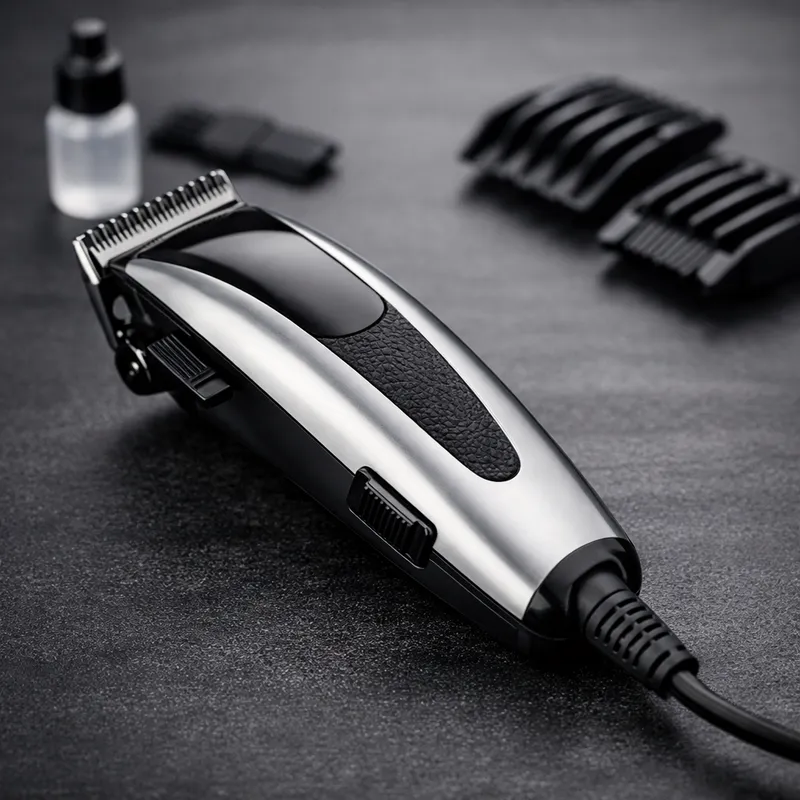
Jump to what you need
Quick verdict: should you choose the Wahl Color Pro Cordless Clipper?
Choose it if you want a reliable home routine
The Color Pro Cordless is built around a simple promise: repeatable lengths without confusion. If your goal is to keep your haircut tidy between barber visits (or replace them for simple cuts), this clipper is usually a practical match.
- Best for beginners: guard system is easy to remember and repeat.
- Best for simple cuts: buzz cuts, uniform cuts, short back-and-sides maintenance.
- Good for family use: multiple people can “claim” a length and keep it consistent.
Skip it (or upgrade) if your standards are barber-level fades
If you want ultra-clean fades every week, you’re not just buying a clipper—you’re buying power, precision, and (most importantly) skill. Many men do better with a simple plan: use a home clipper for maintenance and book a barber for high-detail work.
- Not ideal for: sharp line-ups without a separate trimmer.
- Not ideal for: high-frequency fade work (consider a pro-grade clipper).
- If you hate long charging: look for a Lithium-Ion model.
Want the cleanest result with the least effort?
If you’re planning a big change (new style, fade, or fixing an uneven DIY cut), a professional barber is the fastest way to make it look right. Use this guide to speak their language—guard lengths, blending zones, and realistic expectations.
What makes the Wahl Color Pro Cordless Clipper different?
Plenty of clippers can cut hair. The reason the Wahl Color Pro Cordless Clipper keeps showing up in home haircut kits is that it reduces two of the most common DIY problems: wrong guard choices and inconsistent results.
1) Color-coded guards = less guessing
Most men don’t fail home haircuts because they can’t “move the clipper.” They fail because the plan is fuzzy: “I think I used a #3 last time… maybe?” Color Pro is designed to make guard choices obvious, memorable, and repeatable.
- Faster setup when you’re cutting your own hair.
- Easier to repeat a good haircut next time.
- Less risk of accidentally going too short.
2) Cordless convenience (with backup)
For self-cuts, cordless is a real upgrade: you can move naturally, switch angles, and stop fighting the cable. Many kits also allow corded use, so you’re not stuck mid-cut if the battery is low.
- Better mirror work: easier control when cutting the back.
- Less “snagging” and awkward angles.
- More consistent strokes (especially for beginners).
The realistic expectation that makes this clipper “work”
This isn’t about turning your bathroom into a barbershop. It’s about turning random DIY cuts into a repeatable routine. If you use a plan (sides length, top length, blending steps) and keep your blades clean and oiled, most home haircuts improve dramatically.
Guard & Blend Planner (quick tool)
Pick your target cut style and your lengths. This tool builds a simple, beginner-friendly plan: what to cut first, where to blend, and which guards to use in the transition zone.
Your plan will appear here
Choose your goal and guards above. The tool will generate a blending path and a practical cutting order.
This planner uses the most common home-clipper guard mapping (#0.5–#8). Always trust the guard label on your kit if it differs.
Guard sizes chart (mm & inches): quick reference
Most Wahl Color Pro kits cover the core range needed for short men’s haircuts. Use this chart to choose safe starting lengths. If you’re unsure: start longer, check the result, then go shorter.
| Guard | Length (mm) | Length (inches) | Best for (realistic use) |
|---|---|---|---|
| No guard (blade only) | ~0.8–1.0 mm (varies) | ~1/32″ | Very close cut; mistakes show instantly |
| #0.5 | 1.5 mm | 1/16″ | Very short buzz; strong “military” look |
| #1 | 3 mm | 1/8″ | Short buzz; easy upkeep |
| #1.5 | 4.5 mm | 3/16″ | Short but slightly softer than a #1 |
| #2 | 6 mm | 1/4″ | Beginner-safe “short” length for sides |
| #3 | 10 mm | 3/8″ | Texture and coverage; common top/transition |
| #4 | 13 mm | 1/2″ | Classic top length for short back-and-sides |
| #5 | 16 mm | 5/8″ | Longer clipper cut; forgiving for beginners |
| #6 | 19 mm | 3/4″ | Long guard for top maintenance |
| #7 | 22 mm | 7/8″ | Very safe starting point if you’re cautious |
| #8 | 25 mm | 1″ | Longest common guard; keep shape without “buzzing” |
A simple rule that makes your next cut look better
Don’t “freehand” your plan. Decide these three things first: (1) sides length, (2) top length, (3) blend path. That’s it. When those are consistent, your haircut looks intentional.
How to cut your hair with the Wahl Color Pro Cordless (step-by-step)
This is a practical method for most men—clean, repeatable, and hard to mess up. It’s built around slow strokes, consistent sections, and blending on purpose.
1) Prep properly (this prevents 80% of mistakes)
- Wash and dry your hair. Clippers usually cut more evenly on dry hair.
- Detangle so the guard glides smoothly instead of snagging.
- Lighting + mirrors: you need to see the back clearly (bathroom mirror + handheld mirror is enough).
- Start long: if you’re debating between two guards, begin with the longer one.
2) Cut the sides and back first
Start with your side/back guard (for many beginners, a #2 or #3 is a safe choice). Use slow upward strokes and keep the clipper flat to your head. Work in sections: right side, left side, then back. That rhythm reduces unevenness.
3) Set the top length
If you want uniform length, use the same guard all over. If you want short back and sides, keep the top longer by using a larger guard on the top. Cut the top in consistent passes from front to back.
4) Blend the transition (where home cuts become “clean”)
The goal is not a perfect fade. The goal is a soft transition so you don’t have a harsh line. Use your intermediate guard(s) in a narrow band around the upper sides. Light pressure, short strokes, and check your symmetry often.
5) Clean around ears and neckline
Work slowly around the ears. For the neckline, the easiest option is natural (most forgiving). If you taper the neckline, do it lightly—tapering can look great, but going too high makes a cut look accidental.
6) Final check and “spot fixes”
- Brush hair down and look for heavy patches.
- Fix with gentle passes—don’t aggressively chase perfection.
- Write your plan down (or copy it from the planner) so the next cut is faster and better.
Best men’s styles to maintain with the Color Pro Cordless
This clipper shines when the haircut goal is simple and repeatable. Here are the styles where it makes the biggest difference.
Buzz cut (uniform length)
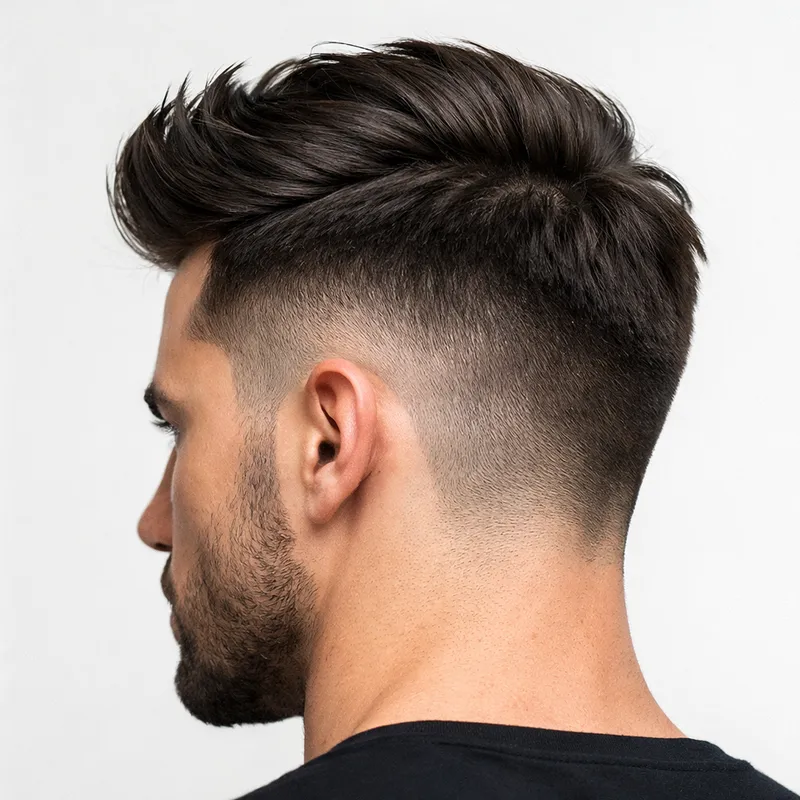
- Best guard range: #1 to #4 (depending on how much scalp you want visible).
- Beginner tip: start at #3 or #4, then go shorter if needed.
- Maintenance rhythm: every 1–2 weeks for a sharp look.
Short back and sides (longer top)
This is the “most value” haircut for home clippers. You keep the sides tidy and maintain shape without needing advanced skills. The secret is blending the transition with one intermediate guard.
- Common plan: sides #2, blend #3, top #4–#6.
- What looks best: a soft transition instead of a hard line.
- When to visit a barber: if you want a sharp fade or detailed line-up.
If you’re unsure what to pick, use the Guard & Blend Planner and copy the plan. Consistency is what makes the haircut look professional.
What this clipper is NOT best for (and why)
High-detail fades require two things: a clipper that can erase lines easily and technique that takes practice. You can still do a “beginner fade” with this tool, but expect a softer result.
- Don’t try skin-fades as your first DIY cut.
- Don’t raise the fade too high unless you’re confident.
- Don’t rely on one pass—blending needs patience.

Cleaning & maintenance (how to keep it cutting smoothly)
Most “this clipper pulls my hair” problems are maintenance problems. Hair builds up, blades dry out, and the cut becomes uneven. Here’s the routine that keeps performance consistent.
After every haircut (5 minutes)
- Brush out hair from the blade and guard.
- If the blade is detachable/rinseable: rinse only the blade, then dry it completely.
- Oil the blade: a few drops, then run the clipper briefly to distribute.
- Store it clean: guards stay straight; the blade stays protected.
Weekly (if you cut often)
- Check the blade for packed hair near the cutting teeth.
- Wipe the body down (don’t soak the clipper).
- Inspect guards for cracks or bent teeth (they create uneven cutting).

Troubleshooting: pulling, lines, and uneven results
If you’ve ever finished a DIY cut and thought “why does this look patchy?”—this is the fix list. Start with the most common causes and work down.
If the clipper pulls your hair
- Clean the blade (hair trapped between teeth causes snagging).
- Oil the blade (dry blades tug more).
- Slow down and cut in smaller passes—especially on thick hair.
- Try a longer guard first if hair is very dense; then step down.
If you see lines or “steps”
- Use an intermediate guard between your side length and top length.
- Blend in a narrow band—don’t drag the blend too high.
- Light pressure and short strokes remove lines better than aggressive passes.
If the cut looks uneven
- Work in a consistent order: right side → left side → back → top.
- Check in different lighting (bathrooms can hide unevenness until you step outside).
- Don’t over-correct. Make small changes and re-check.
The quickest “save” if a DIY cut goes wrong
If you’re stuck with uneven sides or a harsh line: stop cutting and book a barber. Fixing it with random shorter guards usually makes the problem bigger. If you need one clean move, choose a slightly longer intermediate guard and blend lightly—then stop.
Alternatives & upgrades (when you should choose something else)
The Color Pro Cordless is a solid “home routine” clipper. But if your priorities are different, here’s how to choose smarter—without buying the wrong tool.
Upgrade for fades: pro-grade clipper + detail trimmer
If you want consistent fades and sharper outlines, you usually need stronger motors and better line-erasing. Many men keep a home clipper for maintenance and add a trimmer for edges.
Upgrade for convenience: Lithium-Ion runtime & faster charging
Some Color Pro variants and higher-tier clippers use Lithium-Ion batteries. The practical benefit is simple: less waiting, more consistent power, and longer sessions.
- Choose Lithium if you cut frequently or hate long charge times.
- Stick to Color Pro Cordless if you want value and simplicity.
Always confirm the exact model/kit contents on the product listing you’re buying.
FAQs about the Wahl Color Pro Cordless Clipper
These are the questions that matter when you’re trying to get a better haircut—not just read specs.
Is the Wahl Color Pro Cordless Clipper good for beginners?
Yes—mainly because it makes guard choices easy to repeat. Beginners usually struggle with consistency, not cutting motion. If you start with a longer guard and use a simple blend path, it’s one of the easier routes to a clean home haircut.
Can I use it corded and cordless?
Many Color Pro Cordless kits support cordless use with corded backup. That matters because it prevents mid-cut panic: if the battery runs low, you can finish the haircut instead of stopping half done. Always confirm your exact kit.
What guard sizes does it usually include?
Most kits cover the practical range for short men’s haircuts (commonly around #0.5 through #8). The exact guard count can vary between retailers and regions, so check the listing and the box contents.
Is it good for fades?
It can do a beginner fade (a softer transition), but sharp fades require more technique and often a more fade-focused clipper. If you’re new, aim for a clean blend—not a skin fade. Your results will look better and you’ll avoid over-cutting.
Why does my clipper pull hair or feel like it’s snagging?
The most common reasons are a dirty blade, a dry blade (needs oil), or moving too fast through dense hair. Clean and oil the blade, then cut in smaller, slower passes—especially on thick hair.
How often should I oil the blades?
Ideally after each haircut (or every few uses if you trim lightly). A small amount of oil keeps the blade moving smoothly, cuts more evenly, and reduces tugging.
Can it handle thick, curly, or coarse hair?
For many people, yes—especially for maintenance cuts. The trick is patience: use slower passes, keep the blade clean and oiled, and don’t force the clipper through dense sections in one fast sweep.
What’s the easiest DIY haircut plan if I’m unsure?
A safe starting plan is: sides #2 or #3, top #4 or #5, blend with the guard in between. Use the Guard & Blend Planner to generate a step-by-step plan you can repeat.
When should I stop DIY and book a barber?
Book a barber if you want a high fade, a big style change, sharp line-ups, or if you’ve created a harsh line/uneven sides and you’re tempted to keep going shorter “to fix it.” That’s how DIY cuts spiral.
One last conversion-friendly truth
The “best” clipper isn’t the one with the longest spec list—it’s the one that helps you get a consistent result. If you can repeat your guard plan, your hair will look better week after week.
