
Pick the right Philips Norelco hair clipper — then get a cleaner cut at home
Most pages only repeat specs. This one helps you choose the right Philips series for your goal, understand length settings without confusion, and follow repeatable haircut plans (buzz, crew, and a beginner-friendly taper) without wrecking your hairline.
On this page
- Best Philips Norelco hair clippers (quick picks)
- Clippers vs trimmers (don’t buy the wrong tool)
- 60‑second Clipper Finder (interactive)
- Series 3000 vs 7000 vs 9000 (plain English)
- DIY haircut plans: buzz, crew, taper
- Length & guard converter (interactive)
- Troubleshooting: lines, patches, tugging
- Cleaning & maintenance (performance stays consistent)
- FAQs (SEO)
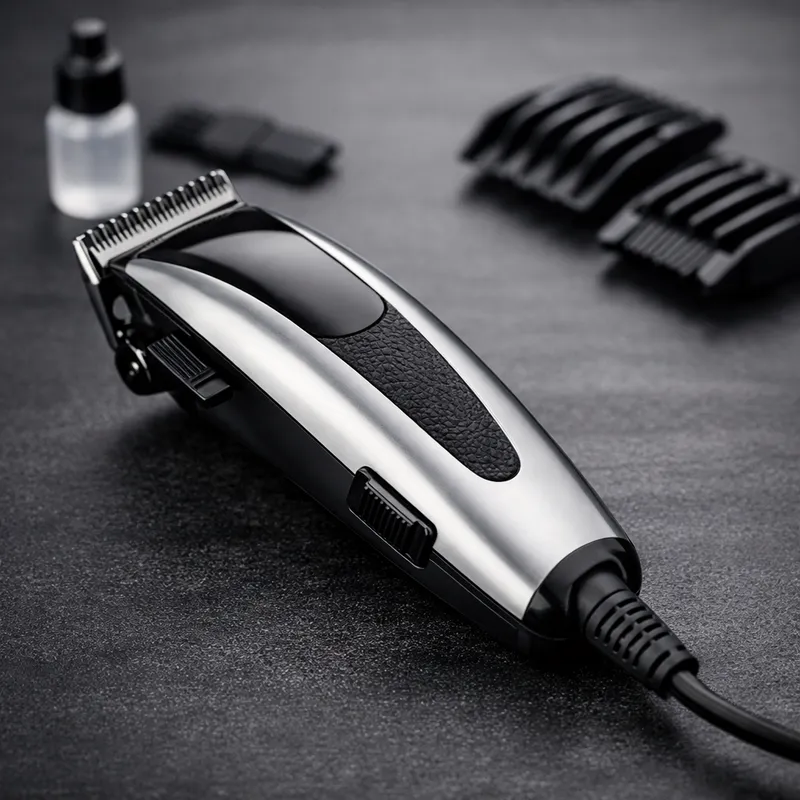
Best Philips Norelco hair clippers (quick picks)
If you want a confident choice without digging through dozens of model numbers: start here. These picks cover the three real use cases most men have — all‑around home haircuts, precision/consistency, and budget‑friendly buzz cuts.
Important: Philips clippers vary by region and model code. Think in series first (3000 / 7000 / 9000), then confirm the exact model you’re buying has the length range and accessories you want.
Best overall for most men: Series 7000
Most balancedIf you cut your own hair every few weeks and want a clipper that feels reliable and even across your whole head, the Series 7000 is usually the sweet spot: wide length control without turning your bathroom into a technical lab.
- Best for: buzz + crew + basic tapers, bulk removal, “I want it to work every time.”
- Why it fits most men: enough length flexibility for real haircuts (not just ultra-short).
- What to watch: don’t chase a “perfect fade” on day one—master clean blends first.
Tip: Pair any clipper with a small detail trimmer for edges. Clippers cut hair; trimmers finish the haircut.
Best for precision: Series 9000
Maximum controlIf you hate “close enough,” the Series 9000 is built for repeatable results. It’s the choice for guys who cut often, obsess over symmetry, or want the same length outcome every single time — without guessing.
- Best for: maintenance cuts, controlled blends, multi‑user homes, “I want exact length steps.”
- Why it stands out: very fine length adjustments on many models, plus features aimed at consistency.
- What to watch: precision doesn’t replace technique—use light pressure and slower passes.
If your goal is a barber-grade fade from scratch: plan on practice. Or jump to the barber CTA at the end.
Best budget pick: Series 3000
Simple + solidThe Series 3000 is the smart choice when you want a basic, dependable clipper for short cuts, especially if your routine is simple: buzz cut, tidy sides, quick clean‑ups between barber visits.
- Best for: buzz cuts, short maintenance, beginners who want low risk.
- Why it wins: fewer features, less complexity, still gets the core job done.
- What to watch: if you want longer top lengths, check the max length range before buying.
Best beginner strategy: start longer than you think, then step down.
Want the fastest win? Use the Clipper Finder below, then follow one haircut plan exactly once. Most “bad” DIY cuts aren’t from the clipper — they’re from skipping the plan and improvising in the mirror.
Philips clippers vs trimmers: buy the right tool (and your results jump)
This is where most buyers waste money: a clipper is for cutting scalp hair evenly with guards, while a trimmer is for detail and edges. They’re not interchangeable if you care about a clean finish.

Use a hair clipper when you want an even cut
- Best for: buzz cuts, short back & sides, removing bulk, maintenance cuts.
- What makes it work: stable guards and consistent passes.
- Common mistake: pushing too hard to “go faster” (creates lines and irritation).
Use a trimmer when you want a clean finish
- Best for: neckline cleanup, around ears, sideburn shaping, beard lines.
- Why it matters: 80% of “this looks professional” is the finishing work.
Reality check: if your haircut looks messy, the fix is often not another clipper pass. It’s better lighting, slower passes, and finishing with a detail tool.
60‑second Clipper Finder (interactive)
Answer three quick questions and get a practical recommendation based on your goal and hair type. This doesn’t sell you hype — it tells you what will actually feel easier in your hands.
Your recommendation will appear here
Pick your goal, hair type, budget, and experience level above. You’ll get a suggested Philips series and a simple next step.
Pro move: whichever series you choose, start with a longer setting than you think. “Going too short too early” is the #1 DIY regret — and you can’t undo it for 2–3 weeks.
Philips Series 3000 vs 7000 vs 9000 (plain English comparison)
Specs are only useful when they connect to an outcome. Here’s what each series typically means in real life: how forgiving it is, how easy it is to blend, and how confidently you can repeat your haircut.
| Series | Best for | Why it works | Watch-outs |
|---|---|---|---|
| Series 3000 | Buzz cuts, short maintenance, beginner-friendly basics | Less complexity, covers the core job well, easy to “just use” | Confirm max length range if you keep the top longer |
| Series 7000 | Most at-home haircuts (buzz/crew/basic taper), thick-to-average hair | Balanced length control + performance; makes consistent passes easier | Still requires technique for blending—use bridge lengths |
| Series 9000 | Precision-focused cutters, frequent maintenance, repeatable results | Finer control on many models; great when you want the same outcome every time | Precision doesn’t fix rushing—slow passes matter more |

How to choose without overthinking
If you only remember one rule: pick based on your haircut goal, not on a random feature name. Features matter only when they reduce mistakes.
- Want the most forgiving path: Series 7000 is usually the best “home haircut” balance.
- Want the simplest path: Series 3000 for short hair and clean-ups.
- Want maximum control: Series 9000 if you cut often and care about exact steps.
Hair type matters: thick or curly hair punishes weak technique. Use slower passes, don’t press hard, and repeat in two directions to remove patchiness.
DIY haircut plans with Philips clippers (repeatable, beginner-friendly)
You don’t need to become a barber to look clean. You need a plan that avoids the three main DIY traps: going too short too early, creating hard lines, and rushing the back of the head.
Before you start: set up lighting, use a handheld mirror, and cut on dry hair (or fully towel-dried). And seriously—start with a longer length than you think you want.
Plan 1: Clean buzz cut (one length)
Best for: low maintenance, clean shape, beginners.
- Start longer than your target length (you can step down later).
- Clip against the grain slowly: front → back, then sides → up.
- Do a second pass side-to-side to catch missed hairs.
- Only then decide if you want to go shorter.
Why this works: patchiness is almost always “missed direction,” not the clipper. Cross‑passes fix it.

Plan 2: Crew cut maintenance (short sides + longer top)
Best for: classic men’s haircut that looks intentional.
Think in three lengths: sides/back, top, and one “bridge” length to blend. This prevents the harsh “shelf line.”
- Cut sides/back first (shorter length). Flick out as you reach the top of the sides.
- Switch to the bridge length and blend the transition area with short strokes.
- Cut the top last (longer). Move slow and consistent.
- Check symmetry (left vs right) before changing any length.
Blending cue: if you see a line, reduce pressure and use a flick-out motion.

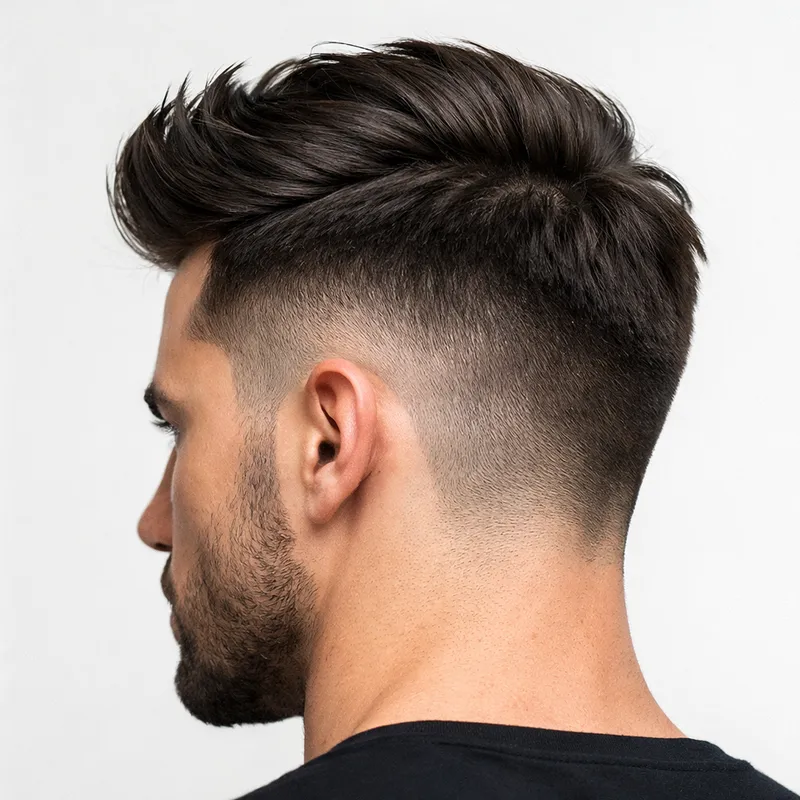
Plan 3: Basic taper (easier than a full fade)
Best for: a clean grow-out that still looks sharp.
A taper is forgiving because the transition is smaller and cleaner. Use three bands: bottom = shortest, middle = medium, upper = longer.
- Cut the bottom band first. Keep it tight and controlled.
- Cut the middle band next. Flick out at the top of the band.
- Cut the upper band last (closest to the top length).
- If you see a line, use a bridge length between bands.
Truth: a good taper beats a bad fade every day of the week.
Length & guard converter (interactive)
Philips clippers often use millimeters. Many barbers talk in guard numbers. This tool converts a target length to the closest common guard size so you can follow haircut advice without guessing.
Closest guard suggestion will appear here
Enter a millimeter value to get the closest common guard number (and a practical note on how to use it).
Important: guard sizes can vary slightly by brand and guard style. Use this as a practical translation, then adjust by feel. When unsure, go longer first.
Troubleshooting: the fast fixes that make your haircut look “clean”
If your DIY cut looks off, it’s usually one of these predictable issues. Fix the cause once and the next cut is easier.
I keep getting a visible line on the sides
Lines usually come from stopping in the same place with the same length. The fix is a bridge length plus a flick-out motion.
- Don’t drive the clipper straight into the transition area.
- Use short, light strokes and flick out at the top of the band.
- If needed, step up one length in the transition to soften the line.
A “basic taper” is the best practice haircut because it teaches blending without the complexity of a full fade.
My haircut looks patchy or uneven
Patchiness is almost always missed direction. Hair grows in different directions on different parts of your head.
- Do one pass against the grain (front → back).
- Then do a second pass side-to-side.
- Slow down in the crown area — it’s a common “whorl” zone.
If you still see unevenness, you’re likely moving too fast or lifting the clipper off the head mid-pass.
The clipper tugs or pulls my hair
Tugging is commonly a cleaning issue. Hair builds up in the cutting chamber and performance drops.
- Clean the cutting area thoroughly after each cut.
- Charge fully before cutting (low battery can feel weaker on dense hair).
- Use slower passes and don’t press hard.
If you have thick or curly hair, a stronger series (often 7000/9000) tends to feel smoother.
My neckline ends up crooked
The back of the head is where DIY confidence goes to die — because you’re doing it blind. Make it easy:
- Use a handheld mirror and mark your center point first.
- Pick a natural neckline if you want the most forgiving finish.
- Outline lightly, step back, check symmetry, then refine.
If you want a razor-sharp outline every time, that’s where a barber (or a very steady trimmer hand) shines.
Cleaning & maintenance (so performance stays consistent)
A clipper that “used to cut better” is usually not broken — it’s usually dirty. Keeping it clean is the easiest upgrade you can make.

After every cut (2 minutes)
- Remove the cutting head if your model supports it and brush out trapped hair.
- Rinse washable parts only if your model is designed for it — then dry fully.
- Store it dry. Damp storage kills performance and hygiene.
Weekly (if you cut often)
- Do a deeper clean around the blade area.
- Inspect guards/combs — cracks or looseness can cause uneven cutting.
Rule: if it tugs, clean it first. Most “bad clipper experiences” come from hair build-up.
FAQs about Philips Norelco hair clippers
Quick answers to the most common questions men ask before buying a Philips Norelco hair clipper or attempting a home haircut for the first time.
What is the best Philips Norelco hair clipper?
“Best” depends on your goal. For most men who want reliable home haircuts, the best choice is usually a mid-range or premium series that makes consistent passes easier. If you want ultra-simple buzz cuts, a budget series can be enough.
If you only want one safe recommendation: choose a series built for full haircuts (often the Series 7000 category), then confirm the length range matches how long you keep your hair on top.
Are Philips Norelco hair clippers good for thick hair?
Yes — as long as you choose a series that stays comfortable when hair density changes. Thick hair rewards slower passes and stable length control. If you’ve had clippers tug before, don’t rush and don’t press hard.
Can I do fades with a Philips Norelco hair clipper?
You can do basic tapers and maintain short sides at home. A “perfect fade from scratch” is a skill challenge more than a tool challenge. Precision helps, but the method matters most: banding, bridge lengths, and flick-out blending.
Do I need a separate trimmer?
If you care about clean edges and a tidy neckline: yes. Clippers cut hair evenly; trimmers are for detail work. A clipper + trimmer combo is the fastest way to make a DIY haircut look intentional instead of accidental.
What length should I start with if I’m new?
Start longer than you think and step down. The biggest beginner mistake is going too short too early. When in doubt, do one full pass at a longer setting first — then decide if you want shorter.
Want the cleanest result with the least risk?
If you’re aiming for a barber-grade fade (or you simply don’t want trial-and-error), the fastest path is a great barber. If you want to cut at home, grab the cheat sheet and follow one plan exactly once.
Note: This page is educational. Always follow your clipper’s manual and use safe technique around ears and neckline.