
Choose the right model, set the exact length, and trim without guesswork
If you’re searching for a Brio trimmer, you’re usually looking at the Beardscape V2 or V1. Most pages repeat specs and stop there. This one is built to help you make a decision and get a clean result the first time: what to buy, which lengths to use, how to avoid patchy spots, and how to keep the blades cutting smoothly.
- V2 vs V1 explained in plain English (who should pick which).
- Length system decoded (micro‑adjust + guards) with a practical chart.
- Smart Settings Builder (tool): pick a target length and get a safe setup + RPM guidance.
- Maintenance that actually matters (oiling, cleaning, travel lock, common mistakes).
Important (and often missed): Brio Beardscape is not a shower trimmer
Treat it like a precision tool: dry use, brush-cleaning, and regular blade oiling. If you’re the “rinse it under the tap” type, you’ll want to be extra careful or choose a different category of trimmer.
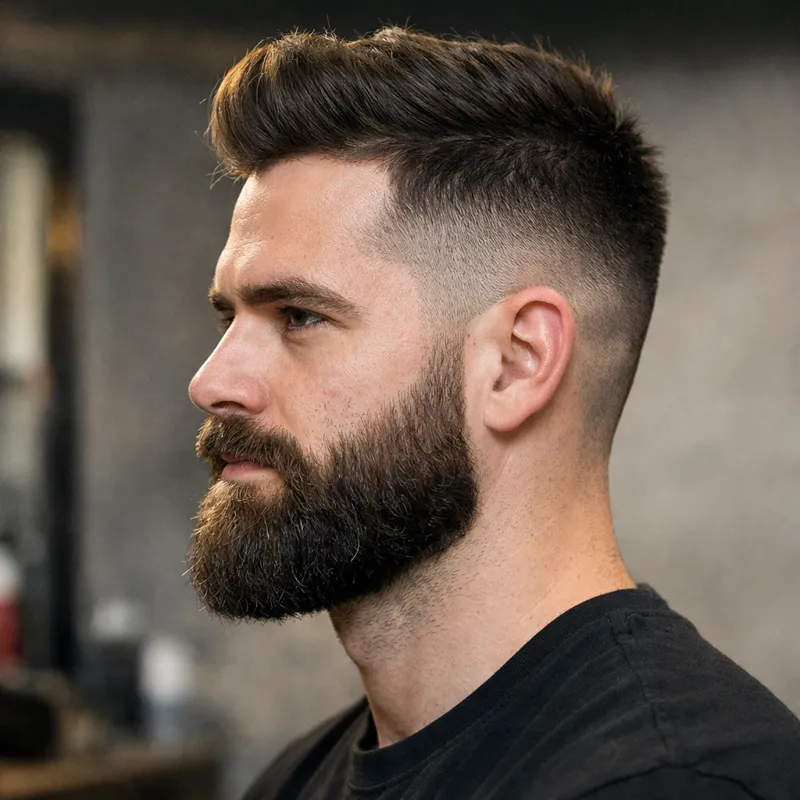
Quick verdict: Is the Brio trimmer worth it?
The Brio Beardscape earns its reputation for one simple reason: it’s designed for people who care about repeatable, precise results. If you want your beard to look the same every time—same length, same density, same sharpness on the edges—Brio’s micro‑adjust system makes that easier than the typical “one lever and a handful of guards” trimmer.
That said, this isn’t a “do whatever you want and it still works” device. Brio rewards basic upkeep. If you oil the blades, brush-clean it, and use sensible settings, it can feel like a pro tool. If you treat it like a disposable trimmer, it’ll feel like an expensive disappointment. This page is built to make sure you land in the first category.
Best for
- Stubble and short beards where small length changes matter (cleaner, more intentional look).
- Guys who want control: you like knowing “I’m at 8mm” instead of “I think this guard is close.”
- Between-barber maintenance: neckline cleanup, cheek lines, sideburn control, and quick fades around the ears.
- Thick facial hair where cheap trimmers often tug or stall (with proper technique and upkeep).
Not ideal for
- Shower grooming or rinsing your trimmer under water (this category isn’t built for that habit).
- “I want the closest shave possible” without accessories (you’ll likely want a close-cut blade or a razor).
- True DIY fades from zero experience—you can maintain a fade, but creating one from scratch is harder.
- Anyone who hates maintenance: if you won’t oil and brush it, pick a simpler tool.
Want barber-level results instead of “close enough”?
Use your Brio trimmer to stay clean between cuts, then let a pro set your neckline, beard shape, and fade the right way. A sharp shape makes every at-home trim look better.
Beardscape V2 vs V1: the difference that matters
If you’re deciding between Beardscape V2 and V1, ignore the noise and focus on your lifestyle: do you travel, do you want extra convenience features, and do you care about a more modern user experience? Performance-wise, both aim at the same outcome—controlled lengths and a smooth cut—so your decision is usually about features and convenience, not “one cuts and the other doesn’t.”
| What you care about | Beardscape V2 | Beardscape V1 | Practical recommendation |
|---|---|---|---|
| Travel and storage | Typically includes a travel lock (prevents accidental power-on). | No travel lock focus. | If you toss your trimmer in a gym bag or carry-on often, V2 is the safer pick. |
| Ease of seeing settings | More modern display and feedback. | More basic interface. | If you want quicker confidence that you’re at the same setting every time, lean V2. |
| Grip and handling | Often improved grip surfaces. | More standard finish. | If you trim fast or with wet hands (after washing your face), V2 can feel more secure. |
| Best value on a budget | Premium feature set. | Often cheaper depending on availability. | If your priority is “same look every week” and you don’t care about extras, V1 can be enough. |
Simple buying rule
Choose V2 for travel + convenience + a more premium daily experience. Choose V1 if you mainly want the Beardscape concept (micro-adjust control + solid trimming) at the lowest cost you can find.
Brio trimmer specs that actually matter (and why)
Specs are only useful if they change your outcome in the mirror. For the Brio trimmer, the features that consistently affect results are: micro‑adjust cutting length, motor speed options, and battery reliability. Everything else is secondary.
Micro‑adjust control
PrecisionThis is what makes a beard look intentional. Micro‑adjust settings let you fine-tune your stubble and reduce the “patchy” effect you get when a guard is slightly too short for your density.
Variable RPM mindset
ComfortHigher speed can help power through thick hair. Lower speed can feel smoother for sensitive skin. You don’t need to obsess over it— you just want a sensible default you can stick to.
Battery you can trust
ConsistencyA trimmer that slows down mid‑trim gives uneven results. A reliable battery helps your cutting feel the same from start to finish, which improves the final blend and reduces tugging.
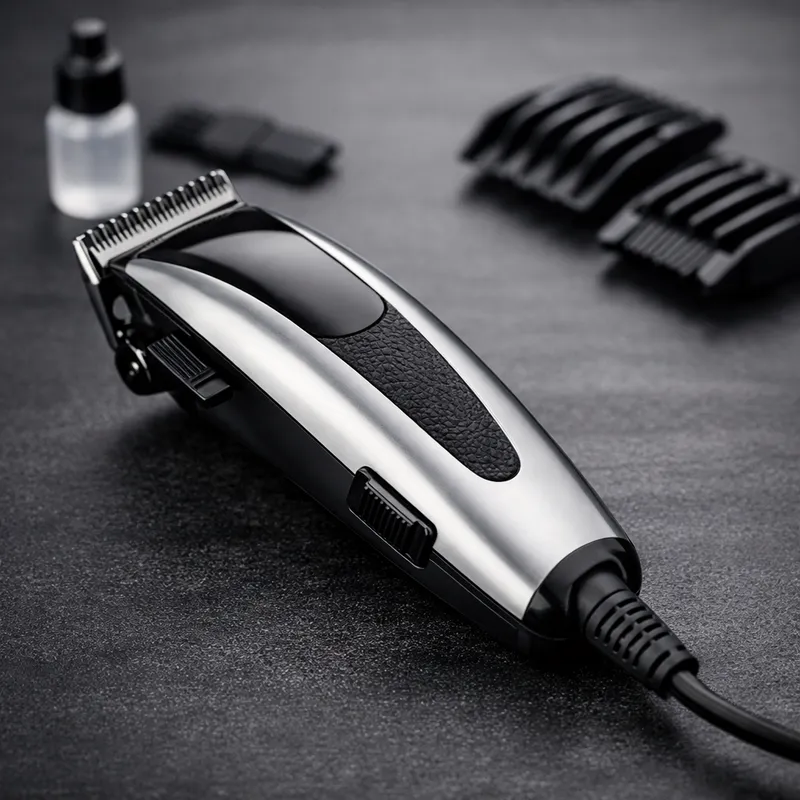

How Brio trimmer lengths work (without confusion)
Most frustration with the Brio trimmer comes from one problem: people assume the guard number is the final length. With Beardscape-style trimmers, you’re combining two things: (1) the micro‑adjust base setting and (2) the guard. Once you understand that, the Brio system becomes predictable—and predictable grooming is what looks “expensive.”
The simple formula
Final length ≈ Guard length + Micro‑adjust base length
Example: A 6mm guard + a 1.0mm base setting ≈ 7.0mm final length.
Why this matters: small adjustments (even 0.3mm) can change how dense your beard looks, especially if you have uneven growth on the cheeks. A slightly longer setting can keep weak areas from looking see-through. A slightly shorter setting can sharpen the look around the jaw. The key is choosing the length that matches your density, not just the length you think you want.
Pro habit that saves you from bad trims
Start longer than you think you need. You can always go shorter. You can’t undo a patchy 3mm beard.
Brio Beardscape practical length chart (micro‑adjust + guard)
This chart is built for real life: it covers the lengths most guys actually use for stubble and beards, plus the “maintenance haircut” zone for quick cleanups. Use it as your baseline, then fine-tune based on hair thickness and growth pattern.
| Target look | Final length (mm) | Micro‑adjust base | Guard | Why this length works |
|---|---|---|---|---|
| Ultra-close detail | 0.2 | — | Close-cut blade (if you use one) | Best for edge definition and tight cleanup. Not for sensitive skin if you press too hard. |
| Stubble (tight) | 1.0 | 1.0 | No guard | Clean, minimal stubble—sharp look, shows facial structure. |
| Stubble (fuller) | 1.6 | 1.6 | No guard | Helps weak cheek growth look less patchy than very short settings. |
| Short beard (starter) | 4.0 | 1.0 | 3mm guard | A common “safe” short-beard length—still looks tight around the jaw. |
| Short beard (denser) | 5.0 | 1.9 | 3mm guard | Adds density and softness while staying controlled. |
| Medium beard | 8.0 | 1.9 | 6mm guard | Great “everyday beard” length—clean but not overly short. |
| Medium-to-long beard | 11.0 | 1.9 | 9mm guard | Looks fuller, still manageable. Good if you want volume without wild edges. |
| Long beard maintenance | 14.0 | 1.9 | 12mm guard | Maintains shape while reducing split ends and uneven bulk. |
| Hair cleanup (light) | 17.0 | 1.9 | 15mm guard | Useful for basic at-home maintenance on longer sections (not a pro fade setup). |
| Hair cleanup (longer) | 19.0–20.0 | 1.0–1.9 | 18mm guard | Safe length for conservative cleanup. If unsure, start here. |
Tip: printing is optional. Many guys just copy the “safe start” notes into their phone for quick reference.
Smart Settings Builder (interactive tool)
This tool turns “I want about an 8mm beard” into a practical setup you can actually use. Pick your target length, hair thickness, and skin sensitivity. You’ll get: (1) the closest safe length option (start longer), (2) the closest shorter option (tighten after), and (3) a sensible RPM range based on comfort and cutting power.
Brio Beardscape Settings Builder
Pick your target length and get a guard + micro‑adjust setup plus an RPM suggestion.
If you’re unsure, start longer. You can tighten it in a second pass.
Sensitive skin usually benefits from a slightly lower RPM and lighter pressure.
Your recommended setup
A clean Brio beard trim routine (step-by-step)
A great beard trim is not about perfect lines. It’s about consistent length, clean transitions, and restraint—especially around the neckline. When guys say “my beard looks messy,” it’s usually not length. It’s shape and control.
Step 1: Remove bulk with a safe length
Start with your chosen guard and move with the grain first (especially on the cheeks). Your goal is an even base. Don’t chase “perfect” on the first pass. A trimmer is most reliable when you give it consistent hair to cut—so bulk removal first, refinement second.
Step 2: Refine the jawline zone
Most beards look best when the jaw area is clean and intentional. If your beard grows denser on the jaw and thinner on the cheeks, you often get a better look by keeping the cheeks slightly longer (or at least not going too short). This is where micro‑adjust control makes a visible difference: you can preserve density without looking unkempt.
Step 3: Edge lightly (don’t carve)
Cheek lines and necklines should look sharp, but not drawn with a marker. The cleaner your haircut is, the less “edging” you actually need. If you’re going for a natural, high-end look, do a light cleanup instead of aggressive geometry.
The most common mistake: neckline too high
A high neckline turns a beard into a chin strap fast. If you’re unsure, leave more hair and clean it gradually. You can always take more off, but you can’t un-take the “floating beard” effect.
Can you use a Brio trimmer for haircuts?
Yes—for the right kind of haircut work. The Brio trimmer is most useful for maintenance: cleaning around ears, sharpening sideburns, tidying the neckline, and keeping a buzz or short haircut looking deliberate. If you’re trying to learn fades from zero, a trimmer can help, but it won’t replace technique.
A simple rule: if your haircut depends on a smooth blend (like a mid fade), get the blend set professionally, then maintain it at home. Maintenance is where you get the highest ROI because you’re not trying to invent the haircut—you’re preserving it.

Maintenance that keeps Brio cutting like new
This is the part most competitors gloss over, and it’s why many owners end up with wildly different experiences. Two guys can buy the same trimmer: one calls it “the best I’ve ever used,” the other says it “started pulling.” The difference is usually maintenance and technique.
1) Oil the blades (seriously)
If you do one thing, do this. A tiny amount of blade oil reduces friction, keeps cutting smooth, and can reduce skin irritation because you’re not forcing the trimmer through hair. Think of oil as part of the cost of owning a precision trimmer.
2) Brush-clean instead of rinsing
Not every trimmer is built for water. Brush-cleaning is faster than you think: a quick tap, a quick brush, and you’re done. You also avoid moisture sitting near the cutting assembly, which can shorten the life of any grooming tool.
3) Travel lock (if your model has it)
Accidental power-on in a bag is more common than people admit. If you travel, use the lock. It protects your battery and prevents the “why is it dead?” surprise.
Low-effort weekly checklist
- Brush off hair after each trim (30–45 seconds).
- Oil blades regularly (especially if you notice drag).
- Store dry, away from steam and humidity.
- Use the same settings for consistency—change one variable at a time when experimenting.
Accessories: when a close-cut blade makes sense
If your priority is razor-like edge definition, many Beardscape owners add a close-cut blade. The reason is simple: standard trimmer blades are designed for controlled trimming, not for ultra-close finishing. A close-cut blade can make lineups easier and more satisfying—especially around the mustache and cheek line.
Use it with respect. The closer the cut, the more your technique matters: light pressure, short strokes, and clean skin. If your skin is irritation-prone, keep the closest cutting to a minimum and focus on clean length and tidy edges instead.
How to pick your “best” Brio length (based on your face and density)
The length you want and the length that looks best are not always the same—because density changes the visual result. Two guys can both trim to 4mm: one looks thick and sharp, the other looks sparse and see-through. If you want the best look for your face, choose length based on the effect you’re after:
If your cheeks grow lighter
Go a little longer than you think, and let the neckline/edges create the sharpness instead of making the whole beard ultra-short. A slightly longer cheek area often looks cleaner than a short-but-patchy cheek.
- Start in the 5–8mm range for “full stubble / short beard” looks.
- Use micro‑adjust to protect thin spots instead of over-cutting them.
If your beard is very dense
You can go shorter and still look full. Your priority becomes comfort and control: don’t press hard, and don’t rush the neckline.
- 3–5mm can look surprisingly strong on dense beards.
- Consider a slightly higher RPM for power—then reduce pressure to avoid irritation.
FAQs (Brio trimmer / Beardscape)
These are the questions people ask right before buying or right after their first trim—so you can avoid the typical beginner mistakes.
Is the Brio Beardscape waterproof?
What’s the real difference between Beardscape V2 and V1?
How do I stop getting patchy results?
What RPM should I use?
Can I use the Brio trimmer to cut my head hair?
Why does my trimmer feel like it’s pulling?
What length should I choose if I’m unsure?
Do I really need a barber if I have a good trimmer?
Get the look—then keep it
Use this page to dial in your Brio settings. Then, when you want the cleanest shape possible, let a barber set your lines and fade. You’ll spend less time fixing mistakes and more time looking sharp.