
Searching for a Gillette trimmer shaver or a Gillette shaver and trimmer in one? This page is built to do what most product listings don’t: help you pick the right setup, avoid the classic DIY mistakes, and use a barber-style “trim → edge → shave finish” workflow that consistently looks clean.
Most “all‑in‑one” grooming frustration comes from buying the right brand for the wrong routine. The fix is simple: match your beard length and finish preference to the right type of Gillette all‑in‑one tool, then follow a repeatable system.
- Quick picks by goal
- 10-minute barber routine
- Neckline & cheek line rules
- Buying checklist + maintenance
Note: product bundles and names can vary by region/retailer. This guide focuses on choosing the right type of Gillette all‑in‑one trimmer setup and using the correct technique—so your results don’t depend on marketing claims.
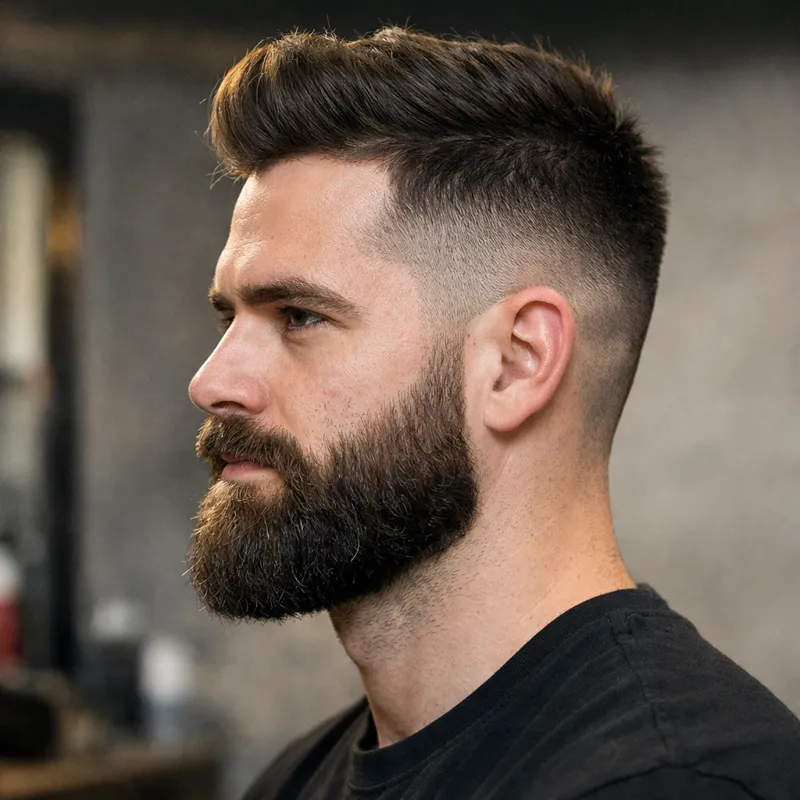
- Quick picks: best Gillette all-in-one trimmers by goal
- Tool: build your trim plan in 20 seconds
- What “Gillette trimmer shaver” should actually mean
- Buying checklist: choose the right setup
- The 10-minute barber routine (trim → edge → shave finish)
- The Length Ladder method (blend without guesswork)
- Common mistakes (and fast fixes)
- Cleaning & maintenance (keep performance consistent)
- FAQs
Quick picks: the best Gillette all‑in‑one trimmers by goal
Most people don’t need “the best trimmer.” They need the best match between (1) their beard length, (2) the kind of finish they want (clean-shaven neck or not), and (3) how much time they realistically spend each week. Use these picks as a decision shortcut.
Best “trimmer + shaver finish” combo
Choose if: you want a clean neckline/cheek finish often.
Pick a Gillette all‑in‑one setup that lets you trim to length, then finish the neck/edges with a razor head or shaver capability. This is the most accurate interpretation of “Gillette shaver and trimmer.”
- Best for: stubble and short beards that still look sharp in photos.
- Why it works: the clean finish zone below the neckline creates contrast, which makes your jawline look more defined.
- Watch-out: longer beards need more length control than many “all‑in‑one” kits provide.
Best for consistent stubble shaping
Choose if: you keep stubble and just want it to look intentional.
If your goal is “always groomed” rather than “fully shaved,” a stubble‑focused option is usually the fastest win. You’ll get the most value from a routine that prioritizes even length and clean borders.
- Best for: daily/weekly touch-ups, travel, and low‑effort consistency.
- Why it works: stubble looks premium when the neckline is controlled and the cheek line is tidy.
- Watch-out: don’t carve the cheek line too low—natural wins.
Best for longer beards (beard‑first control)
Choose if: your beard is medium+ and you want stable length results.
Longer beards are not hard—they’re just unforgiving. The #1 requirement becomes repeatable length control, not extra features. Think: stable guards, predictable motor power, and a workflow that prevents uneven patches.
- Best for: beards where shape matters (jaw/chin fullness).
- Why it works: length consistency is what makes longer beards look “well kept,” not luck.
- Watch-out: use a separate finish tool (or a barber reset) for the cleanest neckline.
Fast rule that prevents regret: If you want a clean neck frequently, choose a setup that can truly finish like a shaver. If you keep stubble, prioritize speed + consistency. If you keep a longer beard, prioritize length control first.
Tool: build your trim plan in 20 seconds
This mini tool turns your goal into a simple plan you can follow every time. It’s not a gimmick—consistency is what makes an all‑in‑one trimmer setup feel “professional.” Pick your look, pick your finish, and get a step-by-step routine plus the one mistake to avoid.
Find the right Gillette trimmer shaver approach for your routine
No lead forms here. Just a practical plan you can use immediately. If you want the fastest results, scroll to the “professional reset” section for the one barber visit that makes DIY maintenance easy.
What “Gillette trimmer shaver” should actually mean (so you don’t buy the wrong thing)
A trimmer controls length. A shaver removes hair skin‑close. When you search for a Gillette trimmer shaver, you’re usually looking for a single setup that can handle both jobs without forcing you into a complicated kit.
Here’s the honest breakdown of what “all‑in‑one” usually means in real life—and why this matters for your results:
Trimmer + shaved “finish zone”
You trim your beard to a controlled length, then shave below the neckline (and sometimes the cheeks). This is the barbershop look most men want because the contrast makes the beard look sharper and more deliberate.
Stubble tool that gets close enough
You maintain stubble and border lines quickly. You don’t chase baby‑smooth skin; you chase consistency. For many guys, this is the best balance of speed, comfort, and “always clean” appearance.
Beard‑first length control (then detail)
If you keep a medium+ beard, your main enemy is uneven length. You need reliable guards and a routine that prevents patchiness. After length is stable, you can refine borders with a finish tool or a barber reset.
Reality check (saves time): Most “patchy beard” problems are actually “uneven trim + bad neckline placement” problems. Fix the workflow and your tool suddenly feels 2× better.
Buying checklist: choose the right Gillette all‑in‑one trimmer setup
Don’t buy based on a feature list. Buy based on what you do weekly. Use this checklist like a barber would: start with the end goal, then choose the tool that supports the routine.
The decision checklist (keep it simple)
-
Do you want a clean neck/cheek finish most weeks?
If yes, you want a true “trimmer + shaver finish” approach. That’s the closest match to “Gillette shaver and trimmer.” -
What beard length do you actually keep?
Stubble (1–4mm) is easy to maintain; short beard (5–10mm) needs more control; medium+ beards need reliable length settings. -
How much time do you spend weekly?
Under 10 minutes? Choose a routine built for consistency. 10–20 minutes? Add blending and detailing. -
Are you irritation-prone?
Then technique matters more than equipment. Avoid pressing, avoid over-shaving, and focus on aftercare. -
Do you travel often?
A compact, waterproof-friendly setup that you’ll actually use beats an advanced kit that sits in a drawer.
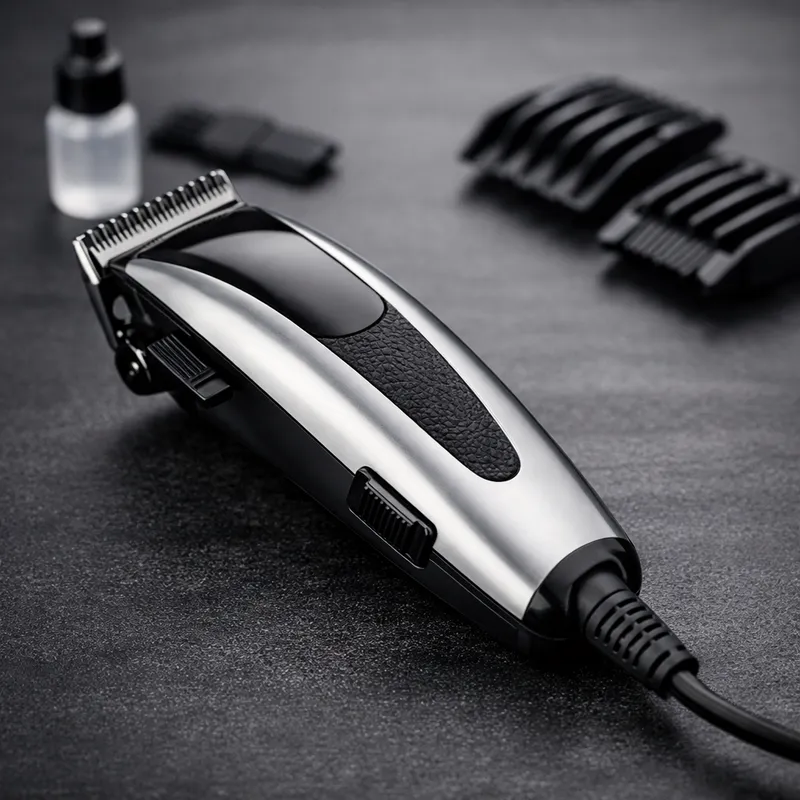
One-barber-visit strategy: If you’re unsure about your neckline and cheek line, book a single professional trim. Ask for a natural cheek line and a neckline that suits your face shape—then maintain it at home with the routine below.
The 10‑minute barber routine (trim → edge → shave finish)
If your goal is a clean, sharp beard without overthinking, this is the workflow you want. The order is the secret: you trim first to control length, edge second to define the shape, then shave last to create the clean finish zone. This reduces clogging, reduces irritation, and prevents the “I ruined one side trying to match the other” problem.
Prep (60 seconds)
Rinse with warm water and pat the beard mostly dry. Comb hair downward so you see the real shape and the true “high spots.” This single step prevents uneven trims because you stop guessing where the beard naturally sits.
Trim to length (3–4 minutes)
Start longer than you think. Do one full pass across the beard before stepping down. If you spot-fix mid-pass, you’ll chase symmetry and accidentally create patches.
Practical guard logic: 2mm = tight stubble, 4mm = fuller stubble, 6mm = short beard start.
Set the neckline (2 minutes)
Use a simple rule that works for most men: two fingers above your Adam’s apple is the center point of your neckline. Create a soft U-shape from behind one jaw corner to the other.
Do not cut too high under the jaw. High necklines make beards look smaller and less natural.
Clean the cheek line (60–90 seconds)
Keep it natural and slightly higher than you think. Your goal is to remove strays above the natural growth line, not to redraw your face. A “carved” cheek line looks sharp for a day—then looks odd as soon as it grows.
Mustache + corners (60 seconds)
Comb the mustache down, trim only what touches the lip, and clean the corners where mustache meets beard. This is the easiest “high impact” detail: your face looks cleaner immediately.
Shave the finish zone (2 minutes)
Shave below the neckline (and anywhere you want fully clean). Use short strokes, rinse blades often, and avoid pressing. The clean finish zone is what makes the beard look intentional rather than “grown out.”
Aftercare (30 seconds) to reduce irritation
The goal is to calm the skin, not to “blast” it with strong fragrance. After trimming and shaving, rinse with cool water, pat dry, and apply a light moisturizer. If you’re prone to redness or ingrown hairs, go lighter on shaving frequency and prioritize clean technique over closeness.
- If sensitive: shave fewer passes, avoid shaving against the grain, and don’t press.
- If dry: a small amount of beard oil can soften hair and improve appearance.
- If itchy: consistent length + clean neckline usually fixes it faster than more products.

The Length Ladder method (blend without guesswork)
If you’ve ever trimmed your beard and thought “it looks flat,” you’re missing one thing: subtle blending. Barbers don’t rely on luck. They use a simple length progression so the beard looks intentional from every angle.
A practical ladder that looks good on most face shapes
- Jaw + chin: your base length (the “fullness” zone)
- Cheeks: one step shorter than the base (keeps it clean without looking carved)
- Near the cheek line: one more step shorter (soft transition, less “helmet beard”)
- Borders: edge lines, then shave below neckline for contrast
You don’t need perfect millimeters. You need a consistent pattern. When the beard is slightly longer at the jaw and slightly tighter near the cheek line, your face reads sharper and more structured.
Shortcut: If you only do one “advanced” thing, do this: keep the chin/jaw a touch fuller and the upper cheeks a touch tighter. It’s the fastest way to look more groomed without changing your style.
Common mistakes (and fast fixes)
These are the same issues barbers fix all day. The good news: most are technique problems, not tool problems. Read this section once and you’ll avoid months of “trial and error.”
Mistake: going too short first
This triggers the “symmetry chase”: you cut one side shorter to match the other, then repeat until the beard is thinner than you wanted.
Fix: start longer, do one full pass, then step down gradually.
Mistake: carving the cheek line low
A low straight cheek line can look sharp for a day, then looks unnatural as it grows and makes the beard look smaller.
Fix: clean strays above the natural line and keep the cheek line slightly higher.
Mistake: neckline too high
This creates a “floating beard” effect and removes jaw fullness. It’s the quickest way to make a beard look less masculine.
Fix: set the neckline lower (two fingers above Adam’s apple) and keep it a soft U shape.
Mistake: trimming on a soaking‑wet beard
Wet hair sits differently and can lead to uneven results. Some tools handle wet use, but technique still matters.
Fix: pat mostly dry before trimming; save “wet” for shaving/cleanup if you prefer.
Mistake: pressing to get closer
Pressing increases irritation and ingrowns, especially on the neck. You feel closer in the moment, but you pay for it later.
Fix: use light pressure, short strokes, and fewer passes.
Mistake: ignoring the corners
The mustache-beard corners and lip line are small areas that change the whole look when they’re messy.
Fix: tidy corners every time—it’s a 30‑second upgrade.
If your beard never looks “clean” even after trimming: it’s usually the neckline and cheek line, not the length. Get the borders right and the beard looks intentional immediately.
Cleaning & maintenance (keep performance consistent)
Most “bad trimmers” aren’t bad. They’re clogged, dull, or running weak. Maintenance is not optional if you want predictable results—especially from compact all‑in‑one setups.
The maintenance routine that actually matters
- After every use: brush/tap hair out of the head and guards. If the device supports rinsing, rinse and fully dry.
- Weekly: do a deeper clean—remove attachments, rinse, dry, and check for hair packed near the blade edges.
- When performance drops: replace cartridges/blades (if applicable) and ensure power is strong (fresh battery or full charge).
- Guard stability check: if a guard feels loose or cracked, your trims will become uneven—swap it.
Simple troubleshooting: If your trimmer pulls hair, 9 times out of 10 it’s clogged, dull, or underpowered. Clean it, dry it, and restore power before blaming the tool.

Pro reset (recommended): If you’re not confident with borders, book a single beard trim/line-up near you. After that, you’ll maintain the same shape at home with far less effort.
Brand note: “Gillette” and related product names are trademarks of their respective owners. This page is an independent grooming guide.
FAQs: Gillette trimmer shaver (real answers)
These questions are written to match real search intent—so you can decide quickly and avoid the common DIY traps. The answers are short on purpose: you’ll get the “why,” the “what to do,” and the one thing to avoid.
Is a Gillette trimmer shaver truly “all‑in‑one”?
It can be—if you use it the right way. The winning routine is trim to length, then edge borders, then shave the finish zone (usually below the neckline). That combination is what most men expect when they search “trimmer shaver.”
What’s the best order: trim first or shave first?
Trim first. Trimming sets length and reduces bulk. Edging then defines the shape. Shaving last creates a clean finish without clogging blades or irritating skin from repeated passes.
What guard length should I use for stubble?
Most stubble sits in the 2–4mm range. Start longer, do one full pass, then step down if needed. Consistent stubble looks better than “perfectly short” stubble that’s patchy.
How do I set a neckline that looks masculine (not too high)?
Use a reliable rule: place two fingers above your Adam’s apple and make that the center of a soft U-shaped neckline. Avoid cutting high under the jaw—high necklines make beards look smaller and less natural.
How do I stop my neck from getting irritated after shaving?
Use light pressure, fewer passes, and avoid shaving against the grain if you’re irritation-prone. Finish with a cool rinse and a light moisturizer. Technique beats “stronger products.”
Why does my beard look uneven after trimming?
Usually because you spot-fix mid-pass and “chase symmetry.” The fix is to start longer, do one full pass across the whole beard, then adjust. Also make sure your guard sits firmly—loose guards cause uneven results.
Should I go to a barber if I have an all‑in‑one trimmer?
Yes—at least once. A single professional reset sets your ideal cheek and neckline shape. After that, maintaining it at home becomes easy and repeatable.
Can I use one trimmer for beard and body grooming?
You can, but sensitive areas often benefit from a tool designed for body grooming and safer guard geometry. If you groom below the waist, use a routine built for safety and comfort (see our guide here).