
Clippers & Trimmers • Manscaped Nose & Ear Trimmers
Manscaped Nose Trimmer Guide: What to Buy, How to Use It Safely, and How to Avoid the “Why Didn’t It Cut?” Problem
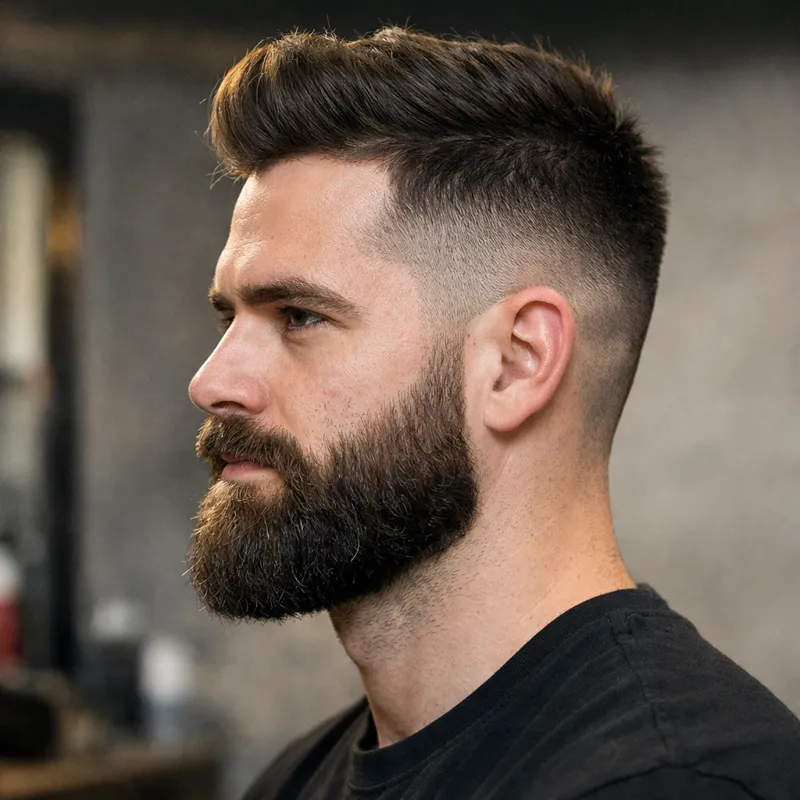
Nose and ear hair grooming is a small detail with a big impact: it makes a fresh haircut look sharper, a beard look more intentional, and your overall style look “finished” from conversation distance.
- Buy smarter: a practical comparison of Weed Whacker 3.0 Pro vs 2.0 (plus when to choose a Panasonic/Philips alternative).
- Trim safely: a simple routine that removes what’s visible without over-trimming (nose hair exists for a reason).
- Keep performance consistent: cleaning, maintenance, and troubleshooting that actually solve common complaints.
- Save time: use the interactive “30‑second picker” and the built‑in 3‑minute timer below.
This page is written for real grooming outcomes: less tugging, fewer missed hairs, and a routine you’ll actually repeat.
Top Manscaped Nose Trimmer Picks (Fast Decisions)
If you just want the answer without reading a full guide: start here, then use the picker if you’re stuck between models. These picks focus on what matters in real use—visibility, comfort, cleanup speed, and how often you’ll reach for the trimmer.
Best overall for most guys
Weed Whacker 3.0 Pro is the best option when you want the most “premium workflow”: better visibility, easier cleanup, and an all‑in‑one approach that fits modern grooming habits.
Best for: weekly grooming, travel, anyone who hates missed hairs, and men who want their haircut and beard to look finished.
Get a recommendationTip: features can vary slightly by listing/region. Use this page to choose the right model, then confirm exact specs where you buy.
Best value when price matters
Weed Whacker 2.0 is a strong “basic maintenance” pick when you mainly want nose and ear trimming without paying extra for add-ons you won’t use.
Best for: simple upkeep every couple of weeks, budget-focused grooming kits, and guys who already have a brow/detail tool.
Compare modelsReal-world note: if you often feel rotary trimmers “miss” short, flat hairs, technique and lighting matter as much as the tool. See the troubleshooting section below.
Best alternative (when rotary isn’t your match)
Not everyone gets perfect results from rotary heads—especially with very thick growth or flat‑lying ear hairs. If you’ve tried rotary before and felt underwhelmed, don’t force it.
Start here: check our alternative guides and pick the cutting style that matches your hair type and expectations.
30‑Second Trimmer Picker (No Guessing)
This mini tool recommends the best fit based on how you actually groom. It focuses on the decisions that change satisfaction: whether you want eyebrow trimming, how often you travel, your hair type, and whether you prefer value or the smoothest experience.
Your recommendation will appear here.
Select your answers above. If you’re unsure about hair type: choose “Flat‑lying hairs” if you often feel a trimmer leaves random strays behind.
This tool gives a practical “best fit.” Your final step should be confirming current features on the retailer/manufacturer listing (some specs vary by version).
Weed Whacker 3.0 Pro vs 2.0: The Differences That Actually Change Results
Most comparisons obsess over spec lines that don’t change your real outcome. The differences that do matter are: visibility, control, cleanup speed, and whether your tool supports your full “detail routine” (nose + ears + brows) without adding extra devices.
| What matters | Weed Whacker 3.0 Pro | Weed Whacker 2.0 |
|---|---|---|
| Best use case | Regular upkeep and a “finished look” routine, especially if you detail more than one area. | Basic nose/ear maintenance when you want a simple tool and you trim less often. |
| Visibility | Commonly listed with a built-in light, which helps you catch strays in uneven bathroom lighting. | Good with a strong mirror light, but more dependent on your setup and angles. |
| All‑in‑one grooming | Often sold with an eyebrow attachment/head for quick brow cleanup. | Usually positioned as nose + ear only (great if you already have a brow solution). |
| Travel friendliness | Commonly listed with travel-focused design choices to reduce accidental activation in a dopp kit. | Travelable, but may feel more “basic” depending on your storage habits. |
| Who should avoid it | If you rarely trim and you’re purely price-driven, you may not use the extra features. | If rotary heads often miss your hairs (thick/flat) and you want a different cutting style. |
| The real key to results | Technique and lighting beat “more power” in most cases. Rotary trimmers work best at the entrance of the nostril, with short circular passes and minimal pressure. If you chase deep hairs, you increase irritation and reduce control. | |
The Safe 3‑Minute Routine (Nose + Ears + Optional Brows)
This routine is designed to give a clean result without over-trimming. It’s quick, repeatable, and comfortable. The guiding principle is simple: trim what’s visible, leave what’s protective.
Before you start (30 seconds)
- Wash hands and wipe the trimmer head (or rinse and dry it).
- Use a bright mirror light. If you only do one thing: improve lighting.
- Blow your nose gently. This reduces “gunk buildup” on the cutting head.
- Turn the trimmer on before it touches skin to reduce pulling.
Nose (about 60 seconds)
- Stay at the entrance. Don’t go deep—deep trimming is where irritation starts.
- Use short circular passes and minimal pressure.
- Do 15–20 seconds, pause, and check. Repeat only if needed.
- If hair is damp and lying flat, dry the area and try again.
Ears + brows (about 90 seconds)
- Ears: focus on the outer edge and visible strays near the opening. Never push into the canal.
- Flat ear‑lobe hairs: change angle and use slower passes—this is a common “missed hair” area.
- Brows (optional): trim only the longest tips. Aim for “neat,” not “thin.”

The “barber-level” check (20 seconds)
The last 20 seconds is what makes the detail work look professional. After trimming, look at your face from three angles: front, left 45°, right 45°. You’re not chasing perfection—you’re removing the couple of hairs that catch attention.
3‑Minute Grooming Timer (Guided Steps)
If you tend to rush, the result is usually missed hairs. If you overdo it, the result is irritation. This timer keeps you in the sweet spot: controlled, quick, and repeatable.
Ready. Choose whether to include brows, then press Start.
Tip: start the trimmer before it touches skin, use minimal pressure, and do short circular passes.
This timer is intentionally conservative: it’s built to keep you safe and consistent, not to chase “perfectly hairless.”
Cleaning & Maintenance (Keep It Cutting Like Day One)
A nose trimmer feels “weak” most often for one reason: the cutting head is packed with hair and residue. Cleaning isn’t a nice extra—it’s the difference between smooth trimming and tugging.
After every use (30–60 seconds)
- Remove the head if it’s detachable.
- Rinse the head (if your model is wet/dry) and shake off water.
- Brush out trapped hairs. A tiny brush does more than you think.
- Air‑dry fully before storing to prevent odor and buildup.
Weekly or every few uses (2 minutes)
- Inspect the cutting guard—packed hair hides where you can’t see.
- Wipe the body and around the power switch area.
- If performance drops, clean again before assuming “bad motor.”
- Store it dry. Moisture is performance’s slow enemy.
When to replace the head
- You feel pulling even with good technique and a clean head.
- You need many passes to remove the same amount of hair.
- The head feels rough, noisy, or inconsistent.
- You see visible wear or damage on the cutting area.
Maintenance Reminder Generator (No Account Needed)
If you prefer “set it and forget it,” choose your trimming frequency and generate a reminder text (and optional calendar file). No form, no signup—just a practical tool you can use in 10 seconds.
Tip: If you’re prone to irritation, “Only when visible” is usually the most comfortable strategy.
Choose a frequency above to generate a reminder.
Troubleshooting: Fix the Common Problems Fast
The fastest way to hate a grooming tool is when it “should work” but doesn’t. Most issues have simple fixes. Use this section before you replace anything.
-
Problem: “It’s missing hairs.”
Most rotary trimmers miss hairs when you move too quickly, use weak lighting, or only approach from one angle. Fix it by slowing down and doing short circular passes at the entrance, then change angles—especially on ear lobes where hairs can lie flat against the skin.
-
Problem: “It pulls or feels uncomfortable.”
Tugging is commonly caused by a packed head or pressing too hard. Clean the head, keep pressure minimal, and avoid deep trimming. If irritation persists, pause for a few days and resume with shorter sessions.
-
Problem: “It feels weak.”
“Weak” usually means the cutting head is dirty, the hair is damp and lying flat, or you’re trimming too deep. Clean first, dry the area, and trim only what’s visible. If your hair is genuinely thick and rotary never satisfies you, consider a different cutting style rather than endlessly upgrading within the same style.
-
Problem: “Travel issues (accidental activation, messy storage).”
Use a protective cap and store the device so the switch can’t be pressed by other items. If you travel often, “travel-friendly” design features can matter more than minor spec differences.
When to Choose an Alternative Instead of Forcing a Rotary Trimmer
If you’ve tried rotary trimmers and consistently feel disappointed, you don’t need “more of the same.” You need a cutting approach that matches your hair type and expectations.
Three signs you should switch styles
- You have thick growth and rotary trimmers leave a noticeable amount behind.
- Ear hairs lie flat and you keep finding random strays after “finishing.”
- You want less mess and a workflow that feels cleaner and more controlled.

Extra value: A copy‑and‑paste grooming checklist (no email required)
Use this checklist before a date, a meeting, or a fresh haircut. It focuses on the high-visibility details that actually change how “put together” you look. Press the button to copy it.
2‑Minute Detail Checklist (Copy & Save)
• Nose: trim visible strays only (entrance, short circular passes)
• Ears: outer edge + near opening (never deep)
• Brows: trim long tips only (natural shape)
• Beard/neckline: quick clean under the jawline
• Lips + moustache line: remove obvious overhang
• Final check: front + both 45° angles in strong light
This is designed to be realistic: fast enough to repeat, and focused on what other people actually notice.
FAQs: Manscaped Nose Trimmer (Weed Whacker)
These answers are written for real use, not generic product copy. If you only read one part of the page, read the “safe routine” and the “missing hairs” fix.