
Choose the Right Philips Trimmer (and Get Cleaner Results in Less Time)
If you’re searching for a Philips trimmer, you’re usually trying to solve one real problem: keep your beard, hairline, or body grooming sharp without buying the wrong device or wasting time on messy, uneven trims. This page is a no-fluff guide to choosing the right Philips Norelco trimmer style for your routine— plus the exact steps to trim more evenly, outline cleaner, and maintain your tool so it stays sharp.
- Fast match: in 60 seconds, identify the Philips trimmer type that fits your goal (beard, hair, body, edging, or mess-free trimming).
- Cleaner technique: a step-by-step trimming method that reduces patchiness and irritation—especially around the neckline.
- Smart buying: what actually matters (guards, precision steps, wet/dry use, cleanup) vs. what’s mostly marketing.
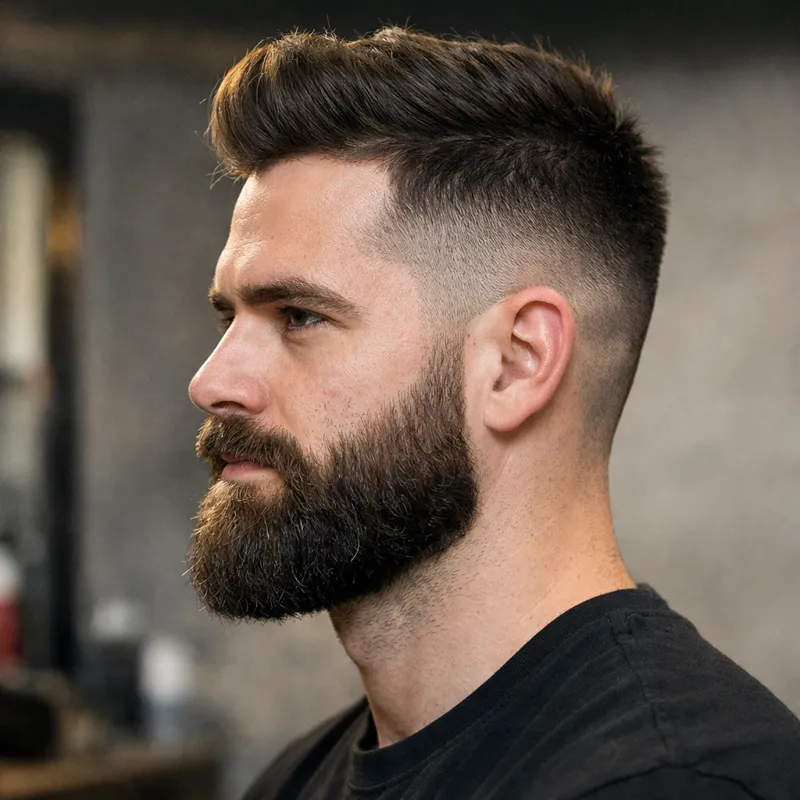
Quick Pick: Choose Your Philips Trimmer in 30 Seconds
Most “best trimmer” pages mix every brand and every tool type, which is exactly why people end up disappointed. Instead, make one simple decision first: What job do you need your trimmer to do most often? Once you pick the right category, Philips has strong options inside that category.
One device for beard + hair + body
Choose an all‑in‑one kit style (often sold as a multi-groomer). Best if you hate “tool clutter” and want one handle that does most tasks.
- Best for: versatility and travel
- Tradeoff: more attachments to store and keep clean
- Decision tip: buy it for your main zone (beard or body), not for the attachment count
Mess‑free beard trimming (7200/7000 style)
If you searched “Philips Norelco trimmer 7200” or “Philips Norelco vacuum trimmer”, you’re probably here for one reason: less cleanup.
- Best for: sink-friendly daily maintenance
- Tradeoff: a slightly bulkier handle
- Decision tip: vacuum is a “quality of life” feature—buy it if you trim often
Cleaner lines, closer finish
If your frustration is “my beard looks fuzzy even after trimming,” you likely need a tool designed for edging/clean-up, not only bulk trimming.
- Best for: cheek lines, neckline, mustache details
- Tradeoff: closer systems may require head/blade replacements
- Decision tip: pair edging with an even-length trim for a “barber finish”
Want the fastest path to a clean look?
Use a Philips trimmer for maintenance—then get a quick shape-up from a barber every few weeks.
Your routine stays simple, and your look stays sharp.
Philips Trimmer Match Tool (No Guesswork)
This is the fastest way to choose the right Philips trimmer for men without drowning in model numbers. Answer four quick questions and you’ll get a recommendation for the right category (all‑in‑one, vacuum, edging, body groomer, or clippers), plus the best “next steps” so you don’t get uneven results.
Your recommendation will appear here
Tip: if you’re torn between two options, choose based on what you do most often. A perfect tool for your main zone beats a “jack of all trades” you rarely use correctly.
Model-number overload is real. Here’s the truth: the “best Philips men trimmer” is the one that matches your routine. If you trim daily and hate cleanup, vacuum trimming can be a real quality‑of‑life upgrade. If you travel, an all‑in‑one kit is often the simplest win. If you care about sharp cheek lines, prioritize an edging/clean-up solution.
Best Philips Trimmer Types by Goal (What to Buy, Not What to Hype)
When people search philips trimmer or philips trimmer for men, they often want a single “best model.” The better approach is choosing the best type first—because the type determines your day‑to‑day experience: how even it trims, how easy it is to clean, and whether it can handle your grooming zones without irritation.
| Trimmer type | Best for | What it feels like to use | Choose it if… |
|---|---|---|---|
| All‑in‑one kit (multi-groomer style) | Beard + hair + body coverage | Versatile, travel-friendly, attachment-driven | You want one device to cover most grooming tasks without building a drawer full of tools. |
| Vacuum beard trimmer (7000/7200 style) | Beard maintenance with less mess | More controlled trimming over the sink, less cleanup | You trim often and want the easiest “start → trim → done” routine. |
| Precision / edging tool (clean-up focus) | Cheek lines, neckline, mustache detailing | Sharper lines, closer finish for tidy edges | Your beard looks uneven mainly because edges aren’t crisp. |
| Body groomer | Comfort on sensitive areas | Skin comfort and wet/dry use usually matter most | You mainly groom body hair and want fewer nicks/irritation. |
| Hair clippers (separate tool) | Actual haircuts & bulk cutting | More power and wider blades for head hair | You’re trying to maintain a fade or cut your hair—not just touch up edges. |
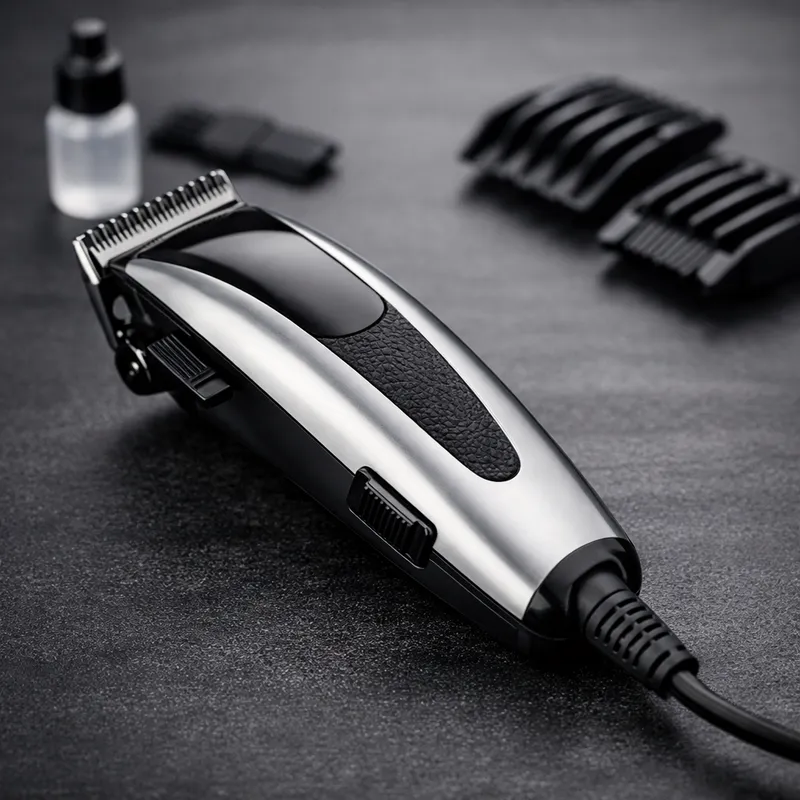
Philips vs Philips Norelco: what’s the difference?
“Philips” and “Philips Norelco” are often used interchangeably in the US market. When you see “Norelco,” you’re usually looking at Philips’ men’s grooming lineup. What matters isn’t the naming—it’s whether the tool is designed for beard trimming, body grooming, edging, or hair cutting.
Here’s the mistake that makes most trimmer purchases feel “meh”: people buy for features they won’t use (dozens of guards) and ignore the one feature that changes everything: how the tool behaves in your real routine—cleanup, precision at short lengths, skin comfort, and grip control.
If you want a barber-level look at home: pair “even length” (bulk trimming) with “clean edges” (detail work). A lot of guys only do the first half—then wonder why their beard still looks messy.
Quick Tool: Beard Length Starter Plan (Stop Cutting Too Short)
The #1 trimming regret is going too short too fast. Use this tool to get a safe starting plan based on your goal. It doesn’t assume a specific model—so it works whether you’re using a standard Philips trimmer, a Philips Norelco trimmer, or a vacuum system.
Your trimming plan will appear here
Choose a goal and hair type, then generate your plan.
Pro move: trim your cheeks and neckline last. If you shape your lines first and then shorten the beard, you often end up “chasing symmetry” and overcutting.
How to Choose a Philips Trimmer (What Actually Matters)
A Philips trimmer can be excellent—or annoying—depending on whether it matches your real routine. Below is the buying checklist that prevents the two most common problems: uneven results and buyer’s remorse.
1) Choose by your main zone (not by accessories)
A “7‑in‑1” kit sounds better than a dedicated device, but if your primary job is beard trimming, a beard-focused tool often feels more precise day-to-day. If you genuinely split your time across beard, body, and hair, an all-in-one kit is the most efficient choice—just commit to cleaning and organization.
2) Decide if cleanup is a daily pain (vacuum vs normal trimming)
For many men, cleanup is the silent reason trimming becomes inconsistent. If you trim less because you hate the mess, you don’t need motivation—you need a routine that’s easier to maintain. That’s where a vacuum-style Philips Norelco trimmer can make sense: not because it trims “better,” but because it makes the routine frictionless.
3) Understand “trim” vs “shave” (and why edges look fuzzy)
A standard trimmer is built for controlled length. It will not always give a close-shave look on the lowest setting. If your goal is sharper, cleaner edges, prioritize an edging/clean-up tool or a closer-finish system for the final pass— especially around the neckline where stubble shadow is most visible.
4) If you have sensitive skin, buy for comfort first
If you’re prone to razor bumps, your best “upgrade” is often not more power—it’s better technique, less pressure, and a device designed for comfort in the zone you’re grooming (especially body grooming).
Buying decision shortcut:
If you only want one Philips trimmer for men, go all‑in‑one.
If you trim beard daily and hate mess, go vacuum.
If your beard looks messy mainly because edges aren’t crisp, prioritize edging/clean-up.
If body grooming is the priority, choose comfort-first.
How to Trim with a Philips Trimmer (Even Length + Clean Neckline)
Most trimming tutorials miss the real problem: they explain what to do, but not the order that prevents mistakes. This method is designed to reduce patchiness, avoid overcutting, and create a cleaner outline—whether you’re using a classic Philips trimmer, a Philips Norelco trimmer, or a vacuum system.
Step 1: Start longer than you think (you can always go shorter)
Begin with a guard length that feels “too safe.” Your goal on the first pass is not perfection—it’s consistency. If your beard is uneven, going short too early makes the unevenness more obvious. Build down gradually.
Step 2: Trim for evenness first (bulk pass)
Use slow, controlled passes and keep the guard flat against your face. Don’t press hard. Pressure can cause uneven cutting and irritation—especially under the jawline where skin moves.
Step 3: Reduce length only where needed (refinement pass)
After the bulk pass, step down one increment and only re-trim areas that still look heavier. This prevents the common “everything ends up too short” outcome.
Step 4: Define the neckline last (the clean-beard difference)
Your neckline is the difference between “I trimmed” and “I look groomed.” A simple rule: create a clean line above the Adam’s apple, then soften slightly so it doesn’t look painted on. If you’re unsure, keep it higher and more natural—too low makes the beard look droopy.
Step 5: Finish cheek lines and mustache details (detail pass)
Cheek lines should look intentional, not overly sharp. Follow your natural growth and clean the strays. For the mustache, take shorter strokes and keep it slightly longer than the beard if you want a fuller look.
Fast self-check: Look straight into the mirror, then turn your head slightly. If your beard looks even only from one angle, you’re trimming too “front-on.” Use smaller, slower passes and re-check from angles.
Philips Trimmer Maintenance (So It Doesn’t Pull Hair)
The moment a trimmer starts pulling hair, most people blame the device. In reality, it’s usually one of three things: hair packed into the cutting head, a dull blade/head, or moving too fast with too much pressure. Use the routine below to keep cutting clean.
After every trim (2 minutes)
- Tap or brush out hair from the head and guard.
- If your trimmer is washable/wet-dry, rinse the head as recommended by the manufacturer and let it dry fully.
- Store it dry. Moisture trapped in guards can cause odor and performance problems.
Weekly (or every 3–4 trims)
- Remove the head/guard and do a deeper clean (hair builds up where you can’t see it).
- Inspect guards for bent teeth (bent guards = uneven trims).
- If you use your trimmer for multiple zones, keep a “face-only” setup and a “body-only” setup.
Mini Tool: Maintenance Planner
Get a simple maintenance schedule you can actually follow (and copy into Notes).
Your schedule will appear here
Choose your frequency and trimming location, then generate your schedule.
If your trimmer “suddenly got worse”: clean it deeply before you replace it. A surprising number of “dead” trimmers are just packed with hair in the cutting head.
Philips Trimmer Troubleshooting (Fast Fixes)
“It trims unevenly.”
Make sure the guard is fully clicked in, slow down, trim against the grain for evenness, and do two light passes instead of one heavy pass. Uneven results usually come from speed + pressure, not “lack of power.”
“It leaves stubble even on the lowest setting.”
That’s normal for many trimmers. “Trim” and “shave” are different jobs. If you want a closer finish, use a clean-up/edging solution for the final pass and keep your main trimmer for controlled length.
“It pulls hair.”
Deep clean the cutting head, let it dry, and reduce pressure. If it still pulls after cleaning, it may be time to replace the cutting head/blades (depending on your model and usage).
“My sink is covered in hair.”
Two practical solutions: trim over a towel (shake it outside) or consider vacuum-style trimming if you trim often. Cleanup friction is one of the biggest reasons men stop trimming consistently.
FAQs About Philips Trimmers (Quick Answers)
These questions cover what people usually mean when they search for “Philips trimmer,” “Philips Norelco trimmer,” or “Philips trimmer for men.” If you want the fastest recommendation, use the Trimmer Match Tool above.
What’s the best Philips trimmer for men?
What is a Philips Norelco trimmer 7200?
Is a vacuum trimmer actually worth it?
Can I use a Philips trimmer to cut my hair?
How do I get a cleaner neckline with a trimmer?
Why does my trimmer leave patchy spots?
Want the “Barber Finish” Without Overthinking It?

A great Philips trimmer makes maintenance easy. A great barber makes it look effortless. If you want sharper cheek lines, a cleaner neckline, or a haircut that matches your face shape, a quick professional touch-up can do more in 15 minutes than most guys can do in 45.
Keep your routine simple: use your Philips trimmer for weekly maintenance, and let a pro handle the lines when you want that extra-clean finish.
Disclosure: This page is an independent grooming guide published by MensHaircutStyle. “Philips” and “Norelco” are trademarks of their respective owners. We do not claim affiliation.