
Clippers & Trimmers • Remington Vacuum (Beard Trimmers)
A Cleaner Trim Routine Starts Here: Remington Vacuum Beard Trimmer
The Remington vacuum beard trimmer is built for one frustrating problem most men never talk about: the post-trim mess. The built-in vacuum pulls a large portion of clippings into a removable chamber while you trim, so your sink stays noticeably cleaner and your routine becomes easier to stick to week after week.
- Vacuum capture claim: up to 95% on short (6mm) facial hair*
- Lengths that matter: adjustable comb 2–18mm (stubble → medium beard)
- Practical power: corded or cordless with a removable chamber for quick emptying
*Vacuum capture is a manufacturer claim based on lab testing; real-world results vary with technique, hair length, and whether the chamber is full. Specs can also vary slightly by region/version (for example, runtime and warranty).
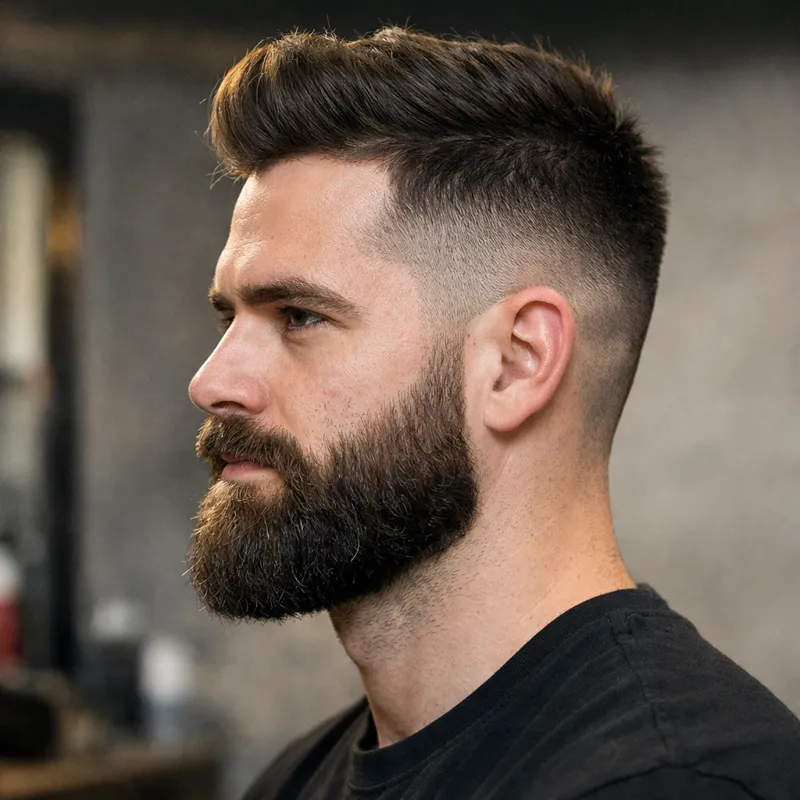
What a Vacuum Beard Trimmer Actually Does (and Why It’s a Big Deal)
A standard trimmer cuts hair and drops it wherever gravity decides: the sink, your shirt, the floor, the faucet, the counter, the toothbrush holder. That mess has a hidden cost—because it makes trimming feel like a chore. And if trimming feels annoying, you postpone it… until your beard looks uneven, bulky, or scruffy.
A vacuum beard trimmer changes that experience. As you trim, the device pulls clippings into a small chamber. The goal isn’t “perfectly zero hair anywhere.” The goal is less cleanup friction—so you keep your beard in its best zone more often.
The most important mindset shift
If you buy the Remington vacuum beard and stubble trimmer expecting a “barber-level lineup in one pass,” you’ll be disappointed. But if you want a tool that makes home grooming easier to repeat, it’s one of the most practical upgrades you can make.
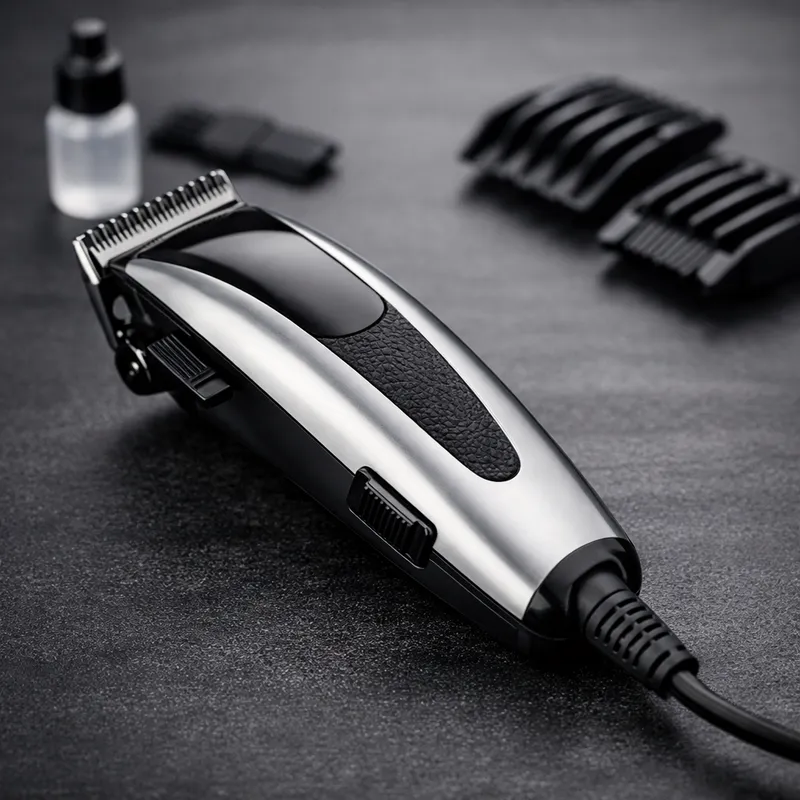
Remington Vacuum Beard & Stubble Trimmer: Key Specs That Impact Results
Most “spec lists” are noise. Here are the specs that actually change the way your beard looks—and how clean your bathroom stays.
Hair capture
Manufacturer claim: up to 95% capture (tested on short facial hair). Real bathrooms vary, but “most hairs” is still a huge improvement over standard trimmers.
Length range
One adjustable comb covers 2–18mm. That’s the sweet spot for stubble, short beards, and controlled medium beards.
Detailing
A separate detail blade helps you clean cheek lines, sideburns, and the neckline—where most DIY trims go wrong.
Corded + cordless
If you trim often, corded mode is underrated: it eliminates “battery anxiety” when you’re halfway through a trim.
Charge + runtime
Many listings cite a 2‑hour top-up charge. Runtime can vary by version/region; plan for roughly 60–90 minutes.
Water handling
Washable parts help with cleanup, but this type of trimmer is generally not for shower use. Dry trimming also improves capture.
Buy-smart note: The MB6850 family is sold across different markets. You’ll see small differences (like stated runtime or warranty). Focus on what won’t change: vacuum chamber + 2–18mm comb + detail blade + cord/cordless use.
Who the Remington Vacuum Beard Trimmer Is Best For
This is the part most pages avoid. They describe the product—but they don’t help you decide if it matches your reality. Here’s the honest fit.
Best match
- You trim weekly (or want to) and hate cleaning the sink every time.
- You keep stubble or a short-to-medium beard in the 2–18mm zone.
- You share a bathroom and want fewer “why is there hair everywhere?” moments.
- You want simple gear: one comb that covers most looks, plus a detail blade for lines.
Not ideal
- You trim in the shower or want a fully waterproof body.
- You need micro-precision (like 0.2–0.5mm steps across a wide range).
- You grow a long beard and regularly trim above 18mm.

Technique: How to Get Maximum Hair Capture (So the Vacuum Actually Feels Worth It)
The vacuum system is only as good as your technique. Most guys lose performance because they rush, trim wet, or let the chamber fill up. Use these rules and you’ll get the cleanest possible result.
The 6 rules of “clean trims”
- Trim dry. Dry hair cuts cleaner and is easier to pull into the chamber.
- Move slower than you think. A steady pass lets the blades cut and the fan pull clippings in.
- Work in small sections. Cheeks, jawline, chin, mustache—don’t treat your face like one big area.
- Empty the chamber early. Don’t wait until it’s packed; suction drops as airflow gets blocked.
- Start longer, then go shorter. It’s easier to remove more hair than to “put it back.”
- Use the detail blade for lines. The comb is for length control; the detail blade is for sharpness.
Fast win: If you want a noticeably better beard in under 60 seconds, clean the neckline and under-jaw bulk. That’s where “messy” beards start.
Step-by-Step Routine: Stubble → Short Beard → Medium Beard (No Guessing)
This routine is designed for real life: limited time, average lighting, and zero desire to clean hair out of every corner of the sink. Follow it exactly the first time—then adjust your preferred length later.
1) Prep (60 seconds)
- Wash your face or at least rinse it, then dry your beard completely.
- Comb beard hair in its natural direction (this prevents “hidden long hairs” later).
- If you’re trimming for the first time, set the comb to the longest length and work down.
2) Choose your target length
Use this “Stubble Ladder” as a starting point (you can fine-tune later):
- 2–3mm: clean stubble (sharp, low effort, great for most face shapes)
- 4–6mm: short beard (intentional, tidy, still easy to maintain)
- 7–10mm: fuller short beard (good if your beard is patchy—adds density visually)
- 12–18mm: medium beard (more volume, needs line work to stay sharp)
3) Trim the bulk (2–3 minutes)
- Keep the comb flat to the skin and take slow passes.
- Do one pass with the grain; if you want a tighter finish, do a light second pass against the grain.
- If suction drops, empty the chamber and continue.
4) Shape the edges (60–90 seconds)
This is where a DIY trim becomes “barber-clean.” Switch to the detail blade for:
- Cheek line: follow your natural line; don’t carve too low unless you want a thinner beard look.
- Neckline: place two fingers above your Adam’s apple—your neckline should sit around there, not up on the jaw.
- Sideburn transition: keep it clean where beard meets haircut (it’s a high-visibility zone).
5) Quick reset (45 seconds)
- Empty the chamber.
- Brush the intake area lightly.
- Rinse washable parts if needed, then dry completely.
Want your beard to look sharper without going shorter? Keep the length you like—but tighten the neckline and cheek line once a week. That’s the “high impact / low effort” move.
Cleaning & Maintenance: Keep Suction Strong (and Blades Cutting Clean)
Vacuum beard trimmers live and die on airflow. If the intake is clogged or the chamber is packed, it will feel like the vacuum “stopped working.” The fix is simple—if you do it consistently.
After every trim (2 minutes)
- Turn the trimmer off and empty the chamber.
- Brush hair away from the intake area and around the blades.
- Rinse washable parts if needed and dry fully before reattaching.
Weekly (5 minutes)
- Remove the blade head (if your version allows easy removal) and clean deeper.
- Check for hair packed into the comb teeth—this causes uneven cutting.
- Store the trimmer dry. Avoid leaving it near a wet sink edge.
One overlooked finishing step
A vacuum trimmer helps you keep the sink cleaner. But the beard itself still benefits from a simple finish: rinse your face, dry your beard, and use a small amount of beard oil if you get dryness or itch. This is how you keep a trimmed beard looking healthy—not “crispy.”

Remington Vacuum Beard Trimmer vs Alternatives (Quick, Honest Comparison)
The “best” trimmer depends on what you care about: mess reduction, precision, waterproofing, or versatility. Use this comparison to avoid buying the wrong tool for your routine.
| What you want | Best type of trimmer | Why it wins | Trade-off |
|---|---|---|---|
| Less mess at the sink | Vacuum beard trimmer (Remington / similar) | Captures many clippings mid-trim, so cleanup is faster and less annoying. | Not always as “micro-customizable” as precision dial models. |
| Micro-precision (0.5mm steps) | Precision wheel trimmer (e.g., some Philips models) | Fine control when you want “exactly this length” for stubble and short beards. | Usually no vacuum chamber; more cleanup. |
| Shower trimming + easy rinsing | Fully waterproof trimmer/multi-groomer | Rinse the whole unit; convenient if you always trim wet. | No vacuum capture; wet trimming can feel less precise for some men. |
| One device for beard + body + hair | Multi-groom kit | Versatility and attachments for different zones. | More parts, more clutter, and you may still want a dedicated beard tool. |
Decision shortcut: If you trim in front of a sink and hate cleaning up, choose vacuum. If you need exact incremental control, choose precision. If you live in the shower, choose waterproof.
Mini Tools: Pick Your Beard Length + Estimate Time Saved
These tools are here for one reason: to remove guesswork. Most “bad trims” happen because men pick a random length, rush the passes, and then try to fix it by going shorter and shorter. Choose a target first, then trim toward it.
Tool 1: Beard Length Picker (2–18mm Zone)
Select your goal and beard density. You’ll get a recommended length range plus a practical routine.
Recommendation
Select options above to see your suggested length range and routine.
Tool 2: Cleanup Time Estimator (Monthly)
This is a practical estimate—not a promise. The goal is to visualize how much time “sink cleanup” costs you over a month.
Estimated time impact
Adjust the numbers above to see a monthly “time-saved” range.
FAQs: Remington Vacuum Beard Trimmer
These answers are written for real users (not for manufacturers). They’re also structured to match FAQ SEO best practices.