
Clippers & Trimmers
Wahl 5‑Star Detailer Trimmer: the complete lineup and detailing guide
The Detailer is a purpose-built precision trimmer: it exists to make edges look intentional. If your beard line looks “almost sharp” or your neckline fades into a mess after a few days, this is the tool class that fixes it.
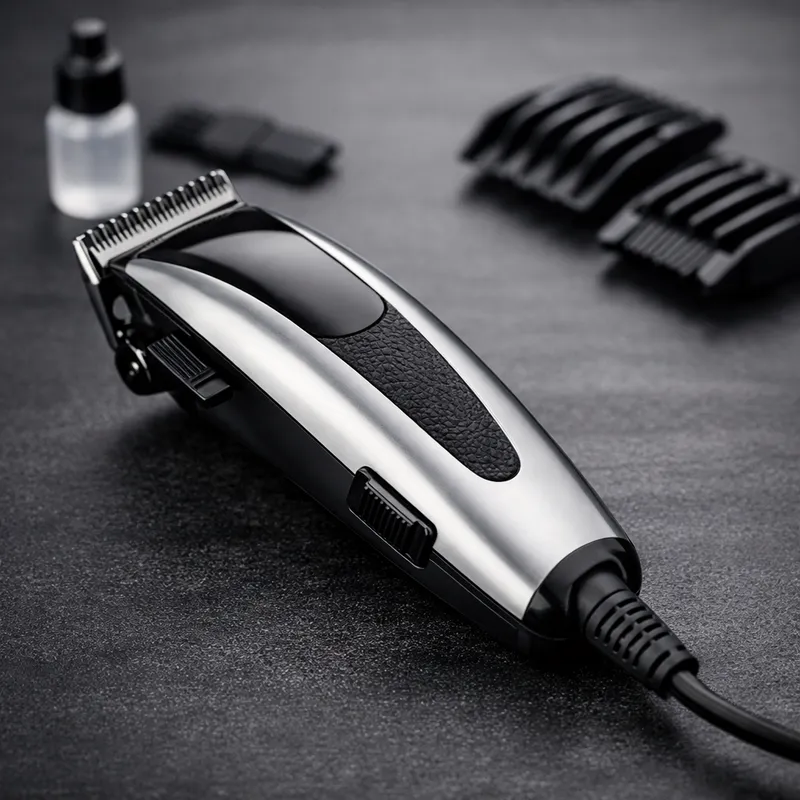
Quick verdict: is the Wahl 5‑Star Detailer the right trimmer for you?
If you want one sentence: the Detailer is for edges—not bulk cutting. It’s the tool you grab after the haircut is “done” to make the result look expensive.
Buy it if you want this outcome
- Crisp beard lines without “fuzzy” corners
- Clean necklines that stay sharp between barber visits
- Fast detailing around the ears and sideburns
- A trimmer that feels stable and predictable (especially corded use)
Skip it (or rethink) if this is your situation
- You mainly need long beard shaping with lots of guard lengths
- You expect a trimmer to do full haircuts efficiently
- You have very sensitive skin and plan to zero‑gap immediately
- You require cordless freedom and hate being tethered
What most pages won’t tell you: the Detailer is famous because it’s easy to get a crisp line quickly— but it’s also easy to irritate skin if you press or keep “fixing” the same area. That’s why this guide prioritizes routines, angle control, and fewer passes over hype.
Specs that matter (and the region/plug mistake that causes buyer regret)
When people say a trimmer is “good,” they usually mean one of three things: how clean it lines, how it feels on skin, and whether it stays consistent over time. Specs only matter when they influence those outcomes.
| What to check | Why it matters in real life | What to do |
|---|---|---|
| T‑wide blade | A wider blade covers more edge in fewer passes, which usually means a straighter line and less temptation to keep “correcting.” | Use the center for straight segments and the corners for detail work (corners are where mistakes happen). |
| Close cutting (detail class) | Detail trimmers cut close enough that technique matters. The closer it cuts, the more your skin will punish sloppy pressure. | Prioritize light pressure and fewer passes. If you need to press, clean/oil the blade—don’t force it. |
| Corded vs cordless | Corded feels “always ready.” Cordless feels “free angles.” Choose based on your routine, not the internet’s opinion. | Use the selector below. Your answer becomes obvious when you define how you actually trim. |
| Region / plug / voltage | The corded Detailer is commonly sold in region-specific versions. Buying the wrong plug/voltage is the fastest path to returns. | Before checkout: confirm plug type, voltage, and warranty coverage for your country. |
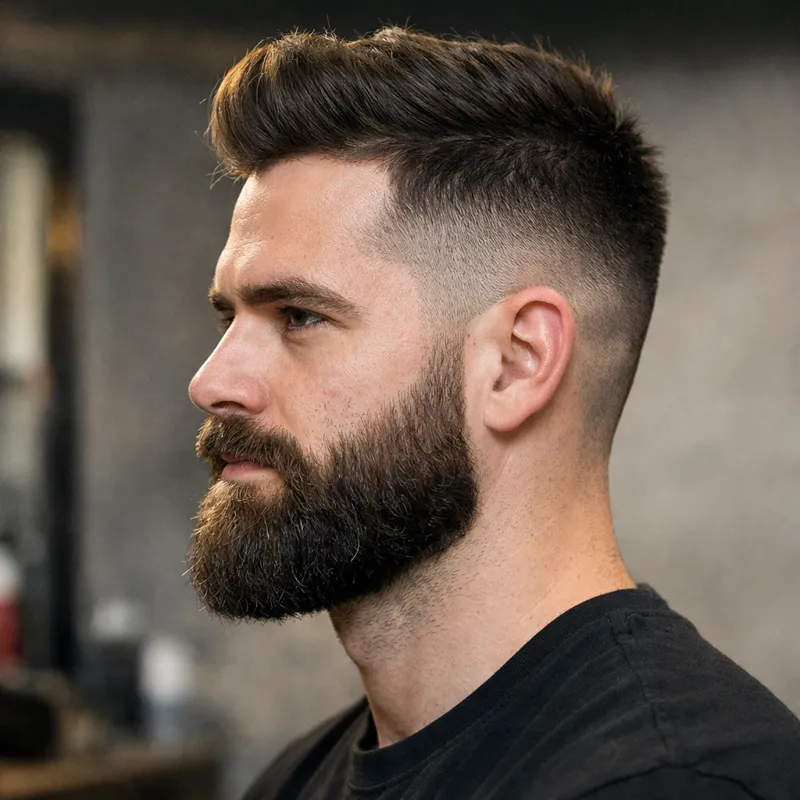
What “clean” actually looks like
A clean line isn’t just sharp—it’s consistent. The cheek line flows naturally, corners are deliberate, and the neckline looks finished without pushing the beard too high.
The goal (so you don’t overdo it)
A good lineup is one pass of intention, not ten passes of panic. The best-looking edges usually happen when you stop earlier than you want to.
- Stop when it looks clean from normal distance
- Don’t chase microscopic symmetry up close
- Keep corners natural unless you truly want a “boxed” look
Corded vs cordless: the 60‑second selector (built for real routines)
Most buyers choose based on what sounds cool. You should choose based on what annoys you. Answer honestly and you’ll get a clear recommendation—and the reasoning behind it.
Barber method: the lineup routines that keep edges crisp without pushing your lines back
Most lineup mistakes come from one impulse: trying to “fix” a line that is already fine. Your job is not to redraw your face. Your job is to remove stray hairs and create a clean boundary.
Rule #1
Light pressure. If you press, you irritate skin and slip into the line.
Rule #2
Fewer passes. The fastest way to get bumps is “just one more pass” in the same spot.
Rule #3
Stop early. When it looks clean from normal distance, you’re done.
Pick a routine: get a step-by-step method you can follow every time
Click one routine below. You’ll get a clear, repeatable process (plus a copy button so you can save it in your notes).
The corner strategy (the fastest way to avoid crooked lines)
Corners are where lineups fail. The trick is to stop treating the corner as a point and treat it as a shape. Create the line first, then define the corner with short, controlled taps using the blade corner—never long drags.
Do this
- Angle the trimmer like a pen
- Tap the outline into place
- Step back every 10–15 seconds
Not this
- Pressing to “get closer”
- Dragging long strokes across skin
- Chasing symmetry up close
If you keep messing it up…
Get one professional lineup done, then maintain the neckline at home. That’s the cheapest way to get “barber clean” without learning the hard way on your own hairline.
Zero‑gap (zero overlap): what it actually does—and how to do it without tearing up your skin
“Zero‑gap” is internet shorthand for adjusting the blades so the trimmer cuts closer. It can improve crispness. It can also increase nicks, irritation, and that raw “over-trimmed” look if you’re heavy-handed.
When zero‑gap makes sense
- You already get clean results with stock settings
- You want slightly sharper corners with fewer passes
- Your skin tolerates close trimming well
- You’re willing to test and back off if it scratches
When you should avoid it
- You get bumps / ingrowns easily
- You press hard or tend to “correct” the same spot
- You’re new and still learning angles
- You want a hairline edge-up and you’re impatient
Zero‑gap safety meter (quick self-check)
This isn’t medical advice—just a practical guardrail. If the meter says “caution,” it means your best upgrade is technique and maintenance, not a tighter blade.
Safe zero‑gap setup (step‑by‑step)
If you do this, do it safely. Tiny adjustments only. Your goal is “slightly closer,” not “as aggressive as possible.”
- Power off / unplug the trimmer before touching screws.
- Loosen the blade screws slightly (do not remove them).
- Micro-adjust the moving blade closer. Move it in tiny increments.
- Do not let the moving blade protrude past the stationary blade (this is where scratching and nicks come from).
- Tighten evenly and re-check alignment.
- Test on your forearm with light contact before using on face/neck.
- If it feels scratchy: back off. Close trimming is worthless if your skin looks inflamed.

Aftercare matters more after close work
If you trim close (especially on the neck), your skin barrier gets stressed. Clean the area, keep passes minimal, and use a simple aftercare routine that calms skin instead of clogging it.
Keep it simple: clean → dry → light moisturizer (or beard oil for beard area only). Avoid heavy fragrances right after trimming.
Maintenance: stop pulling, snagging, loud cutting, and hot blades
A lot of “this trimmer pulls” complaints are not about the trimmer. They’re about friction. Hair + skin oils build up, blades dry out, and suddenly you compensate by pressing—then irritation starts.
60‑second routine (after every use)
- Brush out hair from the blade teeth
- Wipe the blade area clean (dry cloth is fine)
- Store with blade guard (protects alignment)
Consistency beats intensity. Small maintenance prevents the big “why is it tugging?” moment.
Oil schedule (the simplest rule)
- If you trim weekly: oil every 1–2 weeks
- If you trim several times a week: oil weekly
- If you trim daily: oil 2–3x per week
If the blade sounds sharper/louder than usual, it’s often asking for cleaning/oiling—not more pressure.

What to pair with a Detailer (for cleaner results)
A detail trimmer does edges. It doesn’t replace basic prep. A comb to lift hair, a simple brush, and minimal aftercare make your lines cleaner with fewer passes (which is how you keep skin calm).
- Comb/brush: lifts hair so the trimmer cuts what you intend
- Mirror angle: better angle = fewer passes = cleaner look
- Aftercare: keep it light; avoid clogging right after trimming
Maintenance planner (quick schedule you can copy)
Choose your trimming frequency and we’ll generate a simple routine that keeps performance consistent.
Buying checklist: how to avoid the wrong model and get the result you’re actually chasing
Most disappointment happens when people buy a precision trimmer expecting it to behave like a beard kit, or when they order the wrong region version. Use this checklist before checkout and you’ll avoid the common traps.
Before you buy (the non-negotiables)
- Plug/voltage: confirm compatibility with your country
- Use case: edges & detailing (not bulk haircuts)
- Returns: choose a seller with an easy return policy
- Accessories: check what’s included (guides, tools, guards)
After you buy (how to get “that look” fast)
- Start with stock blade settings first
- Use a routine (not improvisation)
- Clean + oil before you decide “it pulls”
- Only consider zero‑gap when your technique is stable
Common mistakes that ruin hairlines (read this once, save months of regret)
- Pressing harder to “get closer” (causes irritation and slips into the line)
- Chasing corners until the line changes shape
- Redrawing the hairline instead of removing stray hairs (this pushes it back)
- Using a detail trimmer for bulk cutting (slow, messy, and frustrating)
- Zero‑gapping immediately without testing on the forearm first
If you want the fastest path to a clean result: get one professional lineup done, take a photo for reference, and maintain neckline/beard edges at home with light pressure and minimal passes.
FAQs about the Wahl 5‑Star Detailer trimmer
Is the Wahl 5‑Star Detailer good for lineups?
Yes. The Detailer is designed for outlining and detailing—beard lines, neckline cleanup, sideburns, and precision work around the ears. Where it shines is getting a clean edge with fewer passes (if you keep pressure light).
Can I use it for a full haircut?
You can, but you’ll make life harder. A detail trimmer is built for edges, not bulk removal. For full haircuts, use clippers for the heavy work and the Detailer for the finishing linework.
What does “zero‑gap” mean and should I do it?
Zero‑gap (zero overlap) is adjusting blades so the trimmer cuts closer. It can sharpen results, but it also raises the risk of irritation if your skin is sensitive or you press too hard. If you’re new, start stock, master the routine, then adjust only if needed.
Why does my trimmer pull hair or feel rough?
Most often it’s buildup and friction: hair fragments and oils in the blade teeth, plus a dry blade. Clean, then oil lightly. If it still pulls after proper maintenance, the blade may need alignment or replacement.
Corded or cordless: which one is better?
Corded is “always ready” and consistent. Cordless gives you better angles and freedom. Use the selector on this page to decide based on your routine (travel, frequency, and what you hate more: charging or cords).
How do I avoid pushing my hairline back?
Only remove stray hairs. Start outside the line and work inward with short taps. Never press. And stop early—hairlines get pushed back when you keep “correcting.” If you want the safest plan: get one professional lineup, then maintain the neckline at home.
Want the clean result without trial-and-error?
If you tell us your goal (beard lines, neckline maintenance, hairline edge-ups), how sensitive your skin is, and whether you prefer corded or cordless, we can point you to the setup that matches your routine. No overbuying. No guessing. No “why is this irritating me?” regret.
Editorial note: MensHaircutStyle.com is an independent grooming site. Brand names are used for identification only.