
Wahl Senior Clippers: the power-first choice for thick hair, fast bulk removal, and crisp fades
The Wahl Senior is one of the most searched clippers in the barber world for a simple reason: it’s built to cut decisively. If you’ve ever felt a clipper “stall” on dense hair, or needed too many passes to clear bulk, the Senior is designed to solve that problem.
This page is a practical guide — not hype. You’ll learn how to choose between corded vs cordless, which specs actually matter, and how to get a cleaner fade with fewer mistakes (especially if you cut at home).
Note: “Wahl Senior” can refer to different versions (corded, cordless, or cord/cordless). Specs can vary by region and model. Always confirm the exact model number before buying or ordering replacement parts.
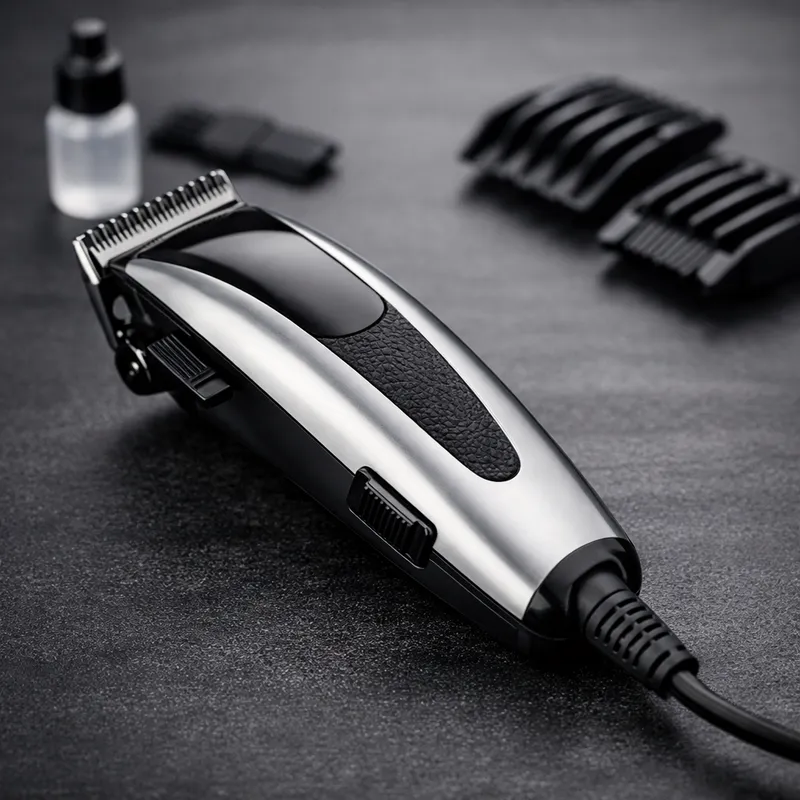
What most people get wrong about buying a Wahl Senior
Most “reviews” repeat the same lines: powerful, great for fades, barber-grade. That’s not enough to make a good decision — or to get a good haircut.
A better way to think about the Wahl Senior is this: it’s a high-performance clipper that rewards good setup and punishes lazy technique. When you match the right version (corded vs cordless) with the right guard plan and lever work, it becomes incredibly efficient. When you don’t, it feels “too aggressive”, heavy, or harder than it should be.
- Buying mistake: choosing “Senior” without checking the exact version and what’s included.
- Cutting mistake: chasing lines with random guards instead of using the lever like a micro-guard.
- Maintenance mistake: cutting on a dry, dirty blade (heat + pulling + uneven results).
Which Wahl Senior are you looking at?
“Wahl Senior” isn’t always one identical clipper across every store and country. In practice, buyers usually mean one of these:
Continuous power, no battery management, classic “workhorse” feel. Great if you cut long sessions or want the simplest reliability.
Maximum freedom of movement. Best if cord drag annoys you or you move around a lot while cutting.
The “best of both worlds” approach: cordless convenience with the option to plug in if you need uninterrupted runtime.
Practical rule: if you cut mostly at home and want the smoothest experience, cord/cordless is often the easiest “no regrets” pick. If you never want to think about batteries, corded is the simplest.
Corded vs Cordless: quick decision (tap what matters to you)
Use this fast selector to narrow down the best Wahl Senior format for your routine. It’s not magic — it just forces the decision around real-life constraints: movement, session length, and how much you hate managing cables.
- Tap 3–6 factors that match your reality.
- Hit “Show my best match”.
- You’ll get a short, practical recommendation (and what to do next).
Tip: If you selected “lightest clipper possible,” the Senior might not be your best all-day blending tool. Many people pair a power clipper (Senior) with a lighter blending-focused clipper — but if you’re buying only one, comfort matters.
Specs that actually matter (and what they change in real cuts)
On paper, clipper specs look similar. In real life, only a few variables decide whether you get a clean result quickly or fight the haircut. Here’s what to pay attention to when you compare Wahl Senior listings.
| Spec | Why it matters (real-world impact) |
|---|---|
| Motor torque & blade speed | Higher torque means fewer slowdowns in dense hair. It also helps you remove bulk with fewer passes, which reduces irritation and patchiness. This is the “Senior reputation” in one line: decisive cutting when hair is thick. |
| Adjustable blade + taper lever | The lever is your micro-guard. Instead of jumping guard sizes and creating new lines, you open/close the lever to blend the transition. If you fade often, lever feel matters as much as the blade. |
| Weight & balance | Heavier clippers can feel steadier for controlled strokes — but more fatiguing for long self-cuts. If you shake or rush, heavier tools amplify mistakes. |
| Corded vs cordless workflow | Corded = endless power and simpler ownership. Cordless = freedom and smoother movement around the head. Cord/cordless gives you both and is often the most flexible. |
| What’s included | Some kits ship with only a few guides. If you want consistent fades at home, you’ll likely want a full guard range, a good taper comb, and clipper spray. The best clipper can still produce a messy fade with a weak guard setup. |
Safety note: If you ever “zero-gap” the blade, do it carefully. A too-aggressive alignment can cause nicks, especially around ears and on scalp folds.
How Wahl Senior clippers perform (by haircut type)
The Senior isn’t a one-trick pony — but it has a clear personality. Think of it as a “power + control” clipper that’s happiest when you’re doing bulk removal, clean tapering, and structured fades.
Ideal when hair is dense or overgrown. Use longer guards to clear weight quickly, then refine the shape. Fewer passes = fewer mistakes.
The lever is your blending weapon. If you commit to a systematic guard plan, you can get a crisp fade without chasing lines all over the head.
The stability and cutting authority help when you’re shaping without guards. Great for building a clean silhouette on thicker hair.
Best match: thick, coarse, curly, or fast-growing hair
If your hair fights weak clippers — snagging, stalling, or leaving uneven “tracks” — the Senior is often a relief. Its biggest advantage is that it cuts confidently without forcing you to press hard (hard pressure is where fades go wrong).
- Goal: remove bulk first, detail second.
- Technique win: short strokes + light pressure + lever micro-adjustments.
- Common mistake: going too short too early because the clipper “feels easy.”

Wahl Senior vs Wahl Magic Clip: which one fits your goal?
Many buyers land here: Senior or Magic Clip? The easiest way to decide is to ask what you want your clipper to do most of the time: power cutting or blending comfort.
| Category | Wahl Senior (general profile) | Wahl Magic Clip (general profile) |
|---|---|---|
| Main strength | Fast bulk removal + confident cutting on dense hair. | Comfortable blending + “easy” daily-driver feel. |
| Feel in hand | Often heavier and more “planted”. | Often lighter and more nimble for long sessions. |
| Best for | Thick hair, overgrowth, structured fades, clipper-over-comb. | Blending, everyday fades, users who value comfort. |
| Risk if you’re new | Going too short too quickly if you rush. | Less “authority” in very dense hair (more passes). |
| Ideal 2-clipper setup | Power clipper for bulk (Senior) + lighter clipper for blending (often Magic Clip or similar). If you only want one clipper, choose the one that matches your most common cuts. | |
If you want fewer mistakes at home
Don’t choose a clipper based on hype. Choose based on your routine: haircut frequency, hair thickness, and whether you fade or just maintain a length.
Replace links if your site uses different URLs.
The best Wahl Senior fade setup (practical, repeatable, beginner-friendly)
If you want a clean fade, you need a repeatable system. The Senior cuts fast — so the system matters even more. Use this blueprint to get a better blend with fewer “panic fixes”.
Step 1: Prep the blade (the boring step that changes everything)
- Brush out hair and dust before every cut (dry debris makes the blade feel rough).
- Oil the blade lightly (a few small drops across contact points). Too much oil attracts hair.
- Run the clipper for 10–15 seconds to distribute oil, then wipe excess.
If your Senior is pulling, heating fast, or cutting unevenly, the fix is often here — not in buying a “better” clipper.
Step 2: Use the lever like a micro-guard
Most bad fades happen because people jump guards randomly. Instead, treat the lever as your “in-between length” tool:
- Closed lever = shortest (more aggressive, more line risk)
- Open lever = slightly longer (helps erase lines)
- Half lever = your main blending zone
Practical rule: if you see a line, open the lever first, use light pressure, and work in short strokes.

Step 3: Choose a guard plan you can repeat
The Senior is powerful enough to “cheat” — which is why beginners get into trouble. A guard plan keeps you disciplined. Below is a simple structure you can adapt (low taper, mid fade, high fade). The exact numbers depend on your guards and your comfort level.
A simple fade structure that works
- Define the lowest zone carefully (avoid going too high too early).
- Blend the line with lever work before changing guards.
- Climb guards one step at a time (don’t skip unless you really know why).
- Finish with corners (tiny movements) instead of full-blade digging.
If you’re new: start with a longer fade/taper. You can always go shorter next haircut. You can’t “un-cut” hair.
Mini Tool: Senior Fade Planner (guard + lever strategy)
Pick your fade style, hair density, and how short you want the bottom to be. You’ll get a structured plan you can follow. This is designed to reduce the two biggest home-cut problems: going too high and chasing lines.
- Select options above and press “Generate my plan”.
- Follow the plan in order — the order is the point.
- Use the lever before changing guards.
This planner is technique-focused. Actual guard numbers vary depending on your guard set and the exact Senior version you own.
Maintenance & troubleshooting (keep it cutting like new)
A Wahl Senior that “pulls”, heats up, or feels rough usually isn’t broken — it’s neglected. Most performance problems come from three causes: dirt, dryness, or dullness. Fix those first.
The 60-second routine that prevents most problems
- Brush out hair from the blade after the cut.
- Disinfect (clipper spray or disinfectant designed for barber tools).
- Oil lightly, run 10–15 seconds, wipe excess.
- Store dry (humidity + hair dust = gunk buildup).
If you cut weekly, do a deeper clean occasionally: remove the blade (if you’re comfortable), clean under it, then re-align carefully.
Mini Tool: Maintenance reminder (stored in your browser)
Click once after you clean/oil your clippers. This page will remember and suggest your next maintenance date. Nothing is sent anywhere — it’s saved locally in your browser.
- Set a baseline: clean + oil now.
- Most users benefit from quick maintenance after each cut and a deeper clean periodically.
If your Senior still pulls after cleaning/oiling, your blade may need alignment or replacement.
Troubleshooting checklist
- Pulling hair: clean + oil first. If it continues, check blade alignment and sharpness.
- Overheating fast: too dry, too dirty, or too much pressure. Clean/oil and use lighter strokes.
- Uneven cutting: dirty blade track, damaged blade, or poor technique (pressing + dragging). Clean and use short controlled strokes.
- Nicks / irritation: avoid overly aggressive blade alignment; don’t “dig” with the full blade; use corners and soft strokes.
FAQs about Wahl Senior clippers
These are the questions that actually decide whether the Senior is the right choice — and how to get better results once you own it.
Are Wahl Senior clippers good for fades?
Yes — if you use them the right way. The Senior shines when you treat the taper lever as a micro-guard and follow a predictable guard progression. The most common fade failure is not the clipper; it’s random guard changes and heavy pressure.
For home users, the safest path is a low taper first. Build confidence with longer blends, then go shorter on later haircuts.
Which is better: corded or cordless Wahl Senior?
Neither is “better” for everyone. Corded is the simplest ownership experience: continuous power and no charging routine. Cordless is freedom: easier movement, cleaner workstation, and less cord drag.
If you want one recommendation that fits most people: cord/cordless versions are often the most flexible, because you can cut cordless and plug in if you ever need uninterrupted runtime.
Is the Wahl Senior beginner-friendly?
It can be — but only if you cut with a plan. The Senior’s power makes it fast, and fast clippers can amplify bad decisions. Beginners do best when they:
- start with a low taper or longer fade
- use light pressure and short strokes
- blend with the lever before switching guards
Why does my clipper pull hair or feel rough?
Most of the time it’s dryness, dirt, or dullness. Clean and oil first. If the problem continues, check blade alignment. If the blade is worn, replacing the blade set is often the most cost-effective “performance upgrade.”
Should I “zero-gap” my Wahl Senior?
Only if you understand the trade-off. A more aggressive blade alignment can cut closer, but it also increases the risk of nicks and irritation. For most home users, a comfortable close cut beats a risky ultra-close setup.
What’s the fastest way to get a cleaner fade with the Senior?
Use a repeatable system: set one guideline, soften it with the lever, then climb guards without skipping. Don’t chase lines all over the head. The Senior works best when you’re systematic, not reactive.
Next step: choose the right version, then commit to the setup
If you want the Senior experience everyone talks about, don’t just buy it — set it up. Clean blade, disciplined lever work, and a predictable guard plan will outperform “winging it” every time.
Replace links if your site uses different URLs.