
Afro Hairstyles for Men (and the Care Routine That Keeps Them Fresh)
The afro is more than a single haircut — it’s a whole category of styles built around shape, texture, and healthy moisture. This page gives you the complete playbook: modern afro cuts (tapered afro, high-top fade, burst fade + afro, and more), exactly what to ask your barber, and a simple routine for hydration and definition that actually fits real life.
- ✓20 proven afro variants explained in plain English (so you don’t guess in the chair).
- ✓Copy/paste barber brief to get the length, shape, neckline, and finish you want.
- ✓Moisture-first routine for definition, shine, and fewer breakage days.
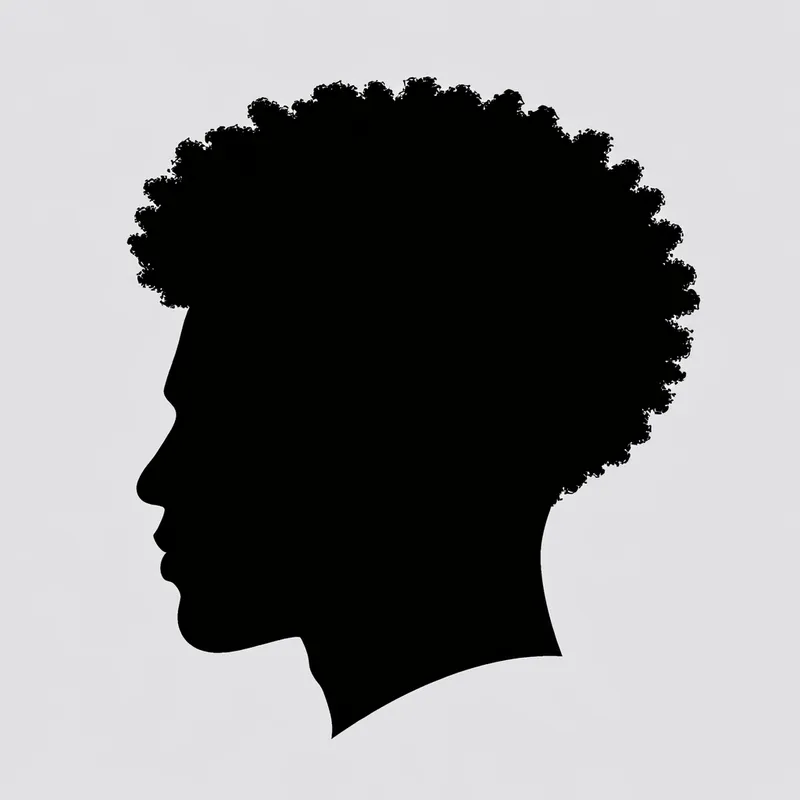
Afro Hair 101: what makes it different (and why it’s an advantage)
Afro-textured hair (from tight curls to coily patterns) is naturally dense and full. That’s exactly why afros look so good: your hair has built-in structure, volume, and personality. The catch is that afro hair is also prone to dryness and shrinkage, which means the best-looking afros aren’t “random volume” — they’re controlled shape + healthy moisture.
If you’ve ever felt like your afro looks great on day one and “tired” on day six, it usually comes down to two things: (1) the outline isn’t being maintained and (2) moisture is dropping too low. Fix those and your haircut immediately looks more intentional.
The 3 pillars of a great afro
1) Shape
The “expensive” afro isn’t the biggest one — it’s the one with a clean silhouette that fits your head and face. Shape is created with trimming, taper/fade choices, and how you pick your hair.
2) Moisture
Dry hair looks dull and frizzes faster. Moisture makes coils look darker, softer, and more defined. The simplest strategy: water + leave-in, then protect it at night.
3) Finish
Line-up vs natural hairline. Natural neckline vs sharp neckline. Beard blend vs no blend. These finishing choices decide whether your afro reads “fresh” or “unfinished.”
How to choose the right afro haircut (fast, no guessing)
A haircut name isn’t enough. “Afro fade” can mean five different things depending on where the fade starts, how the hairline is finished, and how the top is shaped. Use this quick framework and you’ll walk into the barbershop with clarity.
Step 1: pick your sides (this controls how “modern” it looks)
- All-around afro: classic, natural, low contrast, longer grow-out window.
- Taper: clean at the temples and nape without looking overly faded — the safest option for most men.
- Fade: sharp contrast (low/mid/high/skin, drop, burst) — looks crisp but needs more maintenance.
Step 2: pick your top length (this controls effort + definition)
- Short: lowest maintenance; quick to moisturize; easy to keep neat.
- Medium: best balance; enough length for definition and shape; still manageable daily.
- Long: maximum presence; requires consistent moisture, detangling discipline, and shaping.
Step 3: pick your finish (this controls how “barbershop fresh” it looks)
- Natural hairline: softer, more forgiving, tends to grow out cleaner.
- Light shape-up: crisp without over-pushing edges back (best of both worlds).
- Sharp line-up: strongest look, but you must maintain it or it loses impact quickly.
Default recommendation (works for most men):
Go for a tapered afro with a light shape-up and a natural neckline. It’s clean, modern, and forgiving as it grows.
| Cut type | How it reads | Best refresh cycle |
|---|---|---|
| Skin / high fade + afro | Maximum contrast, most “fresh out the chair” look | Every 1–2 weeks for sharpness |
| Low / mid fade + afro | Modern, clean, still wearable | Every 2–4 weeks |
| Tapered afro | Professional, subtle, easiest grow-out | Every 3–5 weeks |
| All-around afro | Classic, natural silhouette, less “sharp” | Every 4–8 weeks (shape trims) |
Featured afro styles men ask for the most
If you want to decide quickly, start here. These four cover the most common goals: clean grow-out, bold contrast, statement shape, and a modern profile.

Tapered Afro
Keeps afro volume on top while cleaning the temples and nape. Looks good in professional settings and grows out clean without constant touch-ups.
See details
Afro + Fade
Low, mid, or high fade paired with afro texture on top. Sharp and modern — best if you’re happy to maintain the fade regularly.
See details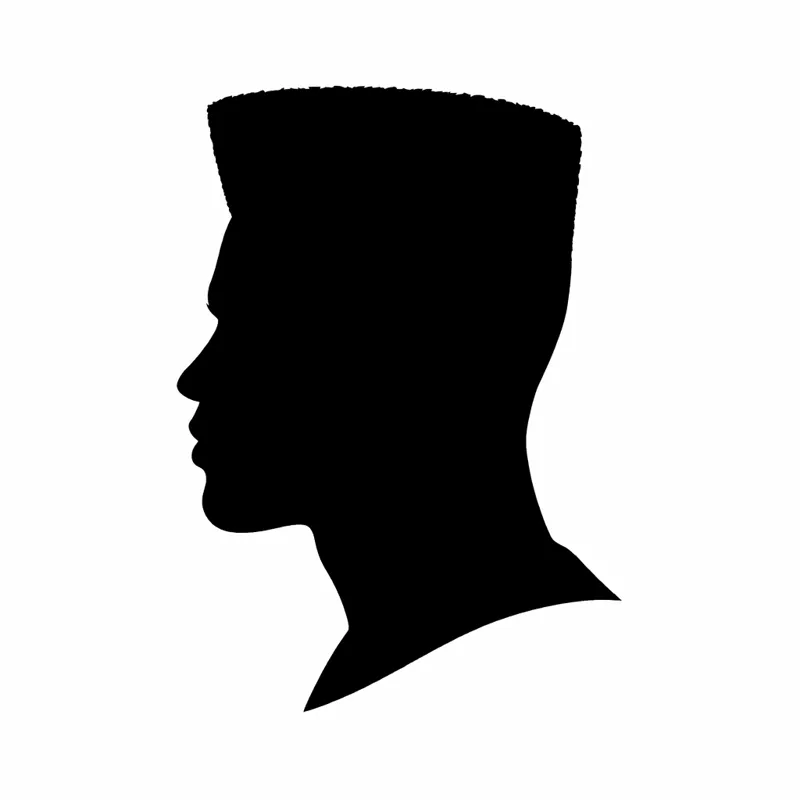
High-Top Afro Fade
Height and structure with faded sides. A bold silhouette that turns heads and works especially well when your barber keeps the top shape intentional.
See details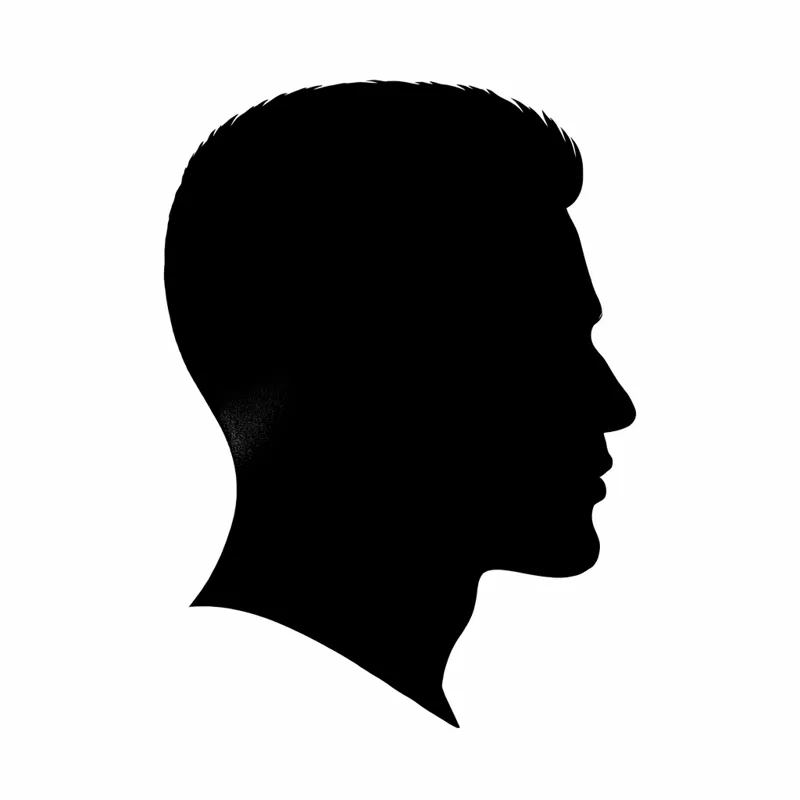
Drop Fade + Afro
The fade curves behind the ear and drops toward the nape. It flatters the head shape and makes the afro silhouette look more sculpted.
See details20 afro hairstyles for men (complete directory)
Each style below includes: what it looks like, who it fits, what to ask your barber, and how often to refresh it. Use the anchor links when you want to jump to a specific cut.
One rule that prevents most “bad haircut” moments: Don’t ask for a haircut name — ask for a side choice (taper/fade type), a top length, and a finish (natural hairline vs shape-up). Then confirm the neckline.
1) Short Afro (Mini Afro)
A short afro is the cleanest entry point into afro styles: minimal daily styling, easy moisture control, and a neat silhouette that works anywhere. It’s also the safest choice if you want your texture to show without committing to regular fade maintenance.
Ask your barber
“Keep the top short and even, shape the outline, and give me a low taper at the temples and nape (or keep it natural). No pushing my hairline back.”
Maintenance
Full refresh every 3–6 weeks. Moisturize lightly most days.
2) Tapered Afro (The all-purpose winner)
The tapered afro keeps the top full while gently slimming the temples and neckline. It’s the best blend of clean and natural: sharp enough to look groomed, subtle enough to grow out without looking messy.
Ask your barber
“Keep afro volume on top. Taper the temples and nape softly. Light shape-up only. Natural neckline.”
Maintenance
Every 3–5 weeks for shape. Optional temple clean-up every 2–3 weeks.
3) Low Taper + Afro (Sharper, still subtle)
This is a slightly cleaner version of the classic taper: the blend is more noticeable, but it doesn’t climb high up the sides. If you want “fresh” without the intensity of a fade, this is a strong middle ground.
Ask your barber
“Low taper, keep the blend low and soft. Maintain the afro shape on top. Keep my corners natural.”
Maintenance
Every 3–5 weeks. Looks good even as it grows.
4) Temple Fade Afro (Temp Fade)
A temple fade focuses the fade at the front corners. It gives you that “barbershop clean” edge without committing to a full fade on the sides. Great if you like crisp temples and a natural overall afro.
Ask your barber
“Temple fade only, keep the rest natural. Clean outline on top. Light shape-up if it suits my hairline.”
Maintenance
Temple area touch-up every 2–3 weeks.
5) Afro + Low Fade
The low fade starts near the ears and keeps most of the sides intact. It reads modern, but it’s not too aggressive. If you want a fresh fade that won’t look wild after 10 days, start here.
Ask your barber
“Low fade into the afro. Keep the top shaped and avoid bulky corners. Natural neckline or a clean taper at the nape.”
Maintenance
Every 2–4 weeks.
6) Afro + Mid Fade
A mid fade creates stronger contrast and pushes attention upward. It’s a great “modern haircut” choice if you want your afro texture to stand out and you don’t mind more frequent maintenance.
Ask your barber
“Mid fade with afro on top. Keep enough length for texture. Light shape-up only. Blend into beard if possible.”
Maintenance
Every 2–3 weeks for a consistently sharp fade.
7) Afro + High Fade
High fades are bold. They remove more hair on the sides and create a strong “top-heavy” look that can be extremely flattering, especially if you want a cleaner head shape and a more dramatic silhouette.
Ask your barber
“High fade into the afro. Keep the top shaped and controlled. Don’t take the fade too high if I want more fullness.”
Maintenance
Every 1–3 weeks depending on how crisp you like it.
8) Skin Fade + Afro
This is maximum contrast: the sides fade all the way down to skin. It looks extremely clean on day one and very “premium” when paired with a sharp outline and a shaped top. The trade-off is upkeep.
Ask your barber
“Skin fade with a shaped afro on top. Keep the outline crisp, but keep my hairline natural—no pushing it back.”
Maintenance
Every 1–2 weeks for the cleanest look.
9) Drop Fade + Afro
A drop fade curves behind the ear and drops toward the back, which can make the head look more sculpted. It’s one of the best “from the side” looks because it flatters the profile and cleans up the nape area.
Ask your barber
“Drop fade into the afro. Keep the crown blended so it doesn’t look bulky. Natural neckline or clean finish.”
Maintenance
Every 2–3 weeks.
10) Burst Fade + Afro
The burst fade “bursts” around the ear in a circular shape, keeping more length through the center. This sets you up for frohawk energy without fully committing to a mohawk silhouette.
Ask your barber
“Burst fade around the ears. Keep length through the middle and shape the afro so the silhouette looks intentional.”
Maintenance
Every 2–3 weeks.
11) Frohawk Afro (Burst Fade Frohawk)
The frohawk is for men who want personality and height. The sides are typically burst faded and the center is shaped into a strong strip. It’s a confident cut that looks best when the top is moisturized and defined.
Ask your barber
“Burst fade frohawk. Keep a strong strip down the middle, shape the top, and clean up the outline.”
Maintenance
Every 2–3 weeks. Style more often for maximum impact.
12) High-Top Afro Fade
A high-top afro fade is structured and iconic: height on top, faded sides, and a distinct silhouette. It’s a great option if your hair grows upward easily and you like a more geometric shape.
Ask your barber
“High-top afro with a fade. Keep the top shape controlled (more boxy or more rounded depending on my preference).”
Maintenance
Every 2–4 weeks. Shape matters more than raw length.
13) Flat Top (Modern)
The flat top is a sharper, more geometric cousin of the high-top: a flatter surface with defined corners. When done well, it looks clean, powerful, and intentionally styled — not accidental volume.
Ask your barber
“Flat top with a clean fade or taper. Keep it level and keep corners crisp (but don’t push my hairline back).”
Maintenance
Every 2–3 weeks to preserve the shape.
14) Blowout Afro (Stretched Volume Look)
The blowout afro is about presence: stretched volume with a clean outline. It’s not just “bigger hair” — it’s a shaped silhouette. This style looks best when you keep moisture high so the hair stays soft and doesn’t feel brittle.
Ask your barber
“Shape the top for a blowout look, keep the outline clean, and taper or fade the sides based on my preference.”
Maintenance
Every 3–5 weeks. Refresh shape and trim ends as needed.
15) Rounded Natural Afro (All-Around)
The classic rounded afro is timeless. Instead of sharp contrast, the goal is a balanced, symmetrical shape that suits your head. If you like a softer, more natural vibe, this is the one.
Ask your barber
“All-around afro with a rounded shape. Even out the outline and do a light cleanup only.”
Maintenance
Shape trims every 4–8 weeks.
16) Box Afro (Structured Outline)
The box afro adds a more squared outline and visible structure. It can look extremely clean without needing a high fade, especially when the corners are controlled and the top is shaped intentionally.
Ask your barber
“Box shape afro with controlled corners. Add a taper or low fade on the sides if needed.”
Maintenance
Every 3–5 weeks to keep the outline crisp.
17) Afro + Line-Up / Shape-Up
A line-up gives the afro a sharper, more graphic finish. It can look incredible, but it’s also the fastest way to regret a cut if the hairline is pushed back. The best approach is a light, natural-looking shape-up.
Ask your barber
“Light shape-up only — keep it natural and don’t push it back. Clean outline on the afro and blend into the sides.”
Maintenance
Touch-ups every 1–2 weeks if you want it consistently crisp.
18) Afro + Hard Part
A hard part is a shaved line that adds contrast and direction. It’s a small detail that makes the haircut feel intentional, especially if you like side-part styling or want your fade to look more “designed.”
Ask your barber
“Add a subtle hard part on the side. Pair it with a taper or fade. Keep the top shaped and not overly rounded.”
Maintenance
Every 2–3 weeks (part lines grow out quickly).
19) Sponge Coils + Taper
Sponge coils are a fast route to definition. If you want your texture to “read” from across the room, coils do it. Pairing coils with a taper keeps the shape clean and prevents the style from looking overly bulky.
Ask your barber
“Taper or fade the sides and shape the top so it sits clean. I’ll style the top with a sponge — keep enough length for coils.”
Maintenance
Cut refresh every 2–4 weeks. Don’t sponge dry hair — hydrate first.
20) Twist-Out Afro (Soft, defined texture)
A twist-out creates definition with a softer, more natural finish than tight coils. It’s ideal if you want visible texture without a “stiff” look. This style rewards consistency: moisture, gentle detangling, and nighttime protection.
Ask your barber
“Shape the afro for a twist-out finish. Keep the sides tapered or faded based on my preference, and keep the outline balanced.”
Maintenance
Re-do twist-outs weekly or as needed. Shape trims every 3–5 weeks.
Want the fastest win? If you’re unsure, pick one of these: Short Afro + Low Taper (lowest effort), Tapered Afro (best overall), or Low/Mid Fade + Afro (modern contrast).
What to ask your barber (copy/paste barber brief)
The biggest difference between a decent afro haircut and the one you actually wanted is communication. The goal is to remove ambiguity: you’re specifying the sides, the top length, the shape, and the finish. This takes 20 seconds and saves you weeks of frustration.
The 5 decisions that control the result
- Sides: all-around / taper / low-mid-high fade / drop fade / burst fade
- Top length: short / medium / long (bonus: specify inches if you know)
- Shape: rounded / box / high-top
- Hairline: natural / light shape-up / sharp line-up
- Neckline: natural / clean sharp / tapered
Copy/paste barber brief: (edit the brackets before you show it)
Today I want a [STYLE] afro.

• Top: keep [SHORT / MEDIUM / LONG] length and shape it into a [ROUNDED / BOX / HIGH-TOP] silhouette
• Sides: [TAPER / LOW FADE / MID FADE / HIGH FADE / DROP FADE / BURST FADE]
• Hairline: [NATURAL / LIGHT SHAPE-UP] — please don’t push my hairline back
• Neckline: [NATURAL / TAPERED / CLEAN]
• Blend: [SOFT / HIGH CONTRAST]
• I plan to refresh it every [1–2 / 2–3 / 3–5] weeks

My goal is: [CLEANER / BOLDER / MORE DEFINED / EASIER MAINTENANCE].
Pro tip: bring 2–3 reference photos and say what you like in each (fade height, outline shape, top length). Photos reduce misunderstandings instantly.
Afro hair care: hydrate, pick, define (simple routine that works)
A fresh afro isn’t maintained by “more product.” It’s maintained by consistent moisture, low breakage habits, and gentle shaping. If your hair gets dry, frizzy, or feels like it “snaps,” start here — and keep it simple.
Daily routine (5 minutes)
- Hydrate lightly: mist your hair so it’s damp, not soaking wet.
- Moisturize: work in a small amount of leave-in conditioner or moisturizing cream (focus on ends first).
- Define (optional): use curl cream, mousse, or a light gel depending on your desired look.
- Shape gently: fingers first, then lift at the roots with an afro pick. Avoid ripping through dry ends.
Weekly routine (15–30 minutes)
- Cleanse: use a gentle shampoo. If your scalp stays dry, cleanse less often and focus on conditioning.
- Condition: every wash. Detangle only when damp + conditioned (fingers or a wide-tooth comb).
- Deep condition: weekly if your hair feels dry or breaks easily.
- Reset buildup: if products stop working or you see flakes, use a clarifying wash occasionally.
Night routine (2 minutes)
- Protect: sleep on a satin/silk pillowcase or use a bonnet to reduce friction.
- Refresh (only if needed): a light mist + tiny amount of moisturizer; don’t drown your hair nightly.
Definition cheat sheet (pick your finish)
Natural & full (soft afro)
Moisturize, then shape with fingers and lift roots with a pick. Best for a classic silhouette and minimal styling time.
Defined coils (more texture)
Moisturize, then apply curl cream or mousse. If using a sponge, do it gently and only on damp hair to avoid snagging.
Twist-out (soft definition)
Twist damp, moisturized hair and let it set. Untwist carefully for a defined but natural finish.
Sharper grooming (clean outline)
Pair your routine with regular barber refreshes (especially fades and line-ups). A sharp outline makes the afro look intentional.
Tools & product types that actually help (no fluff)
You don’t need a shelf full of jars. You need the right tools to prevent breakage and the right product types to keep moisture and definition consistent.
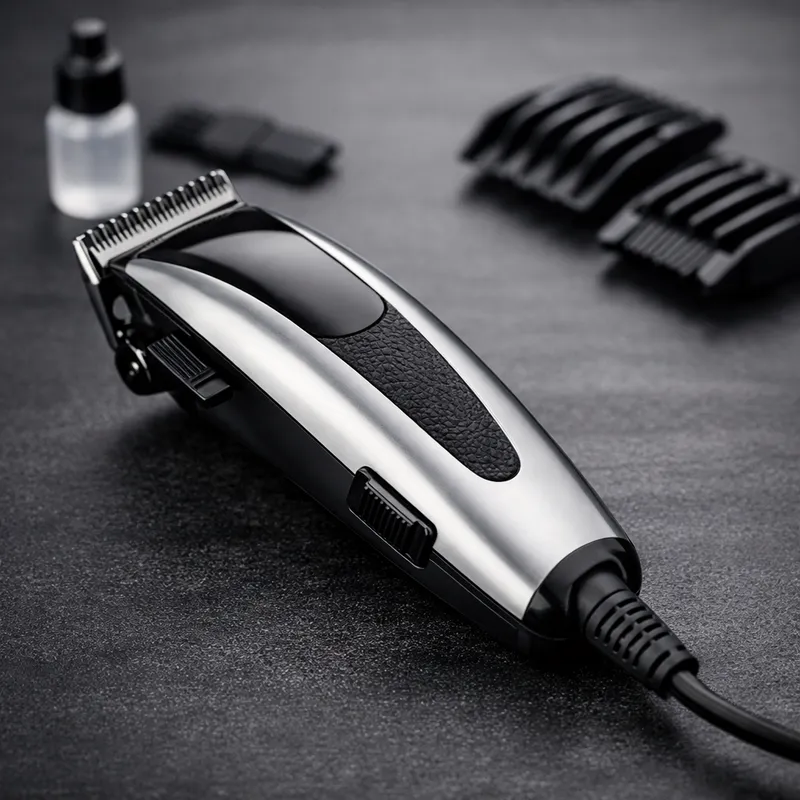
Barber tools mindset
Afros look best when the outline is maintained. If you do home touch-ups, be conservative: keep it to minor cleanups (neckline/beard) and leave major reshaping to a barber.
Best use: edges + beard cleanup between appointments (not full DIY fades).
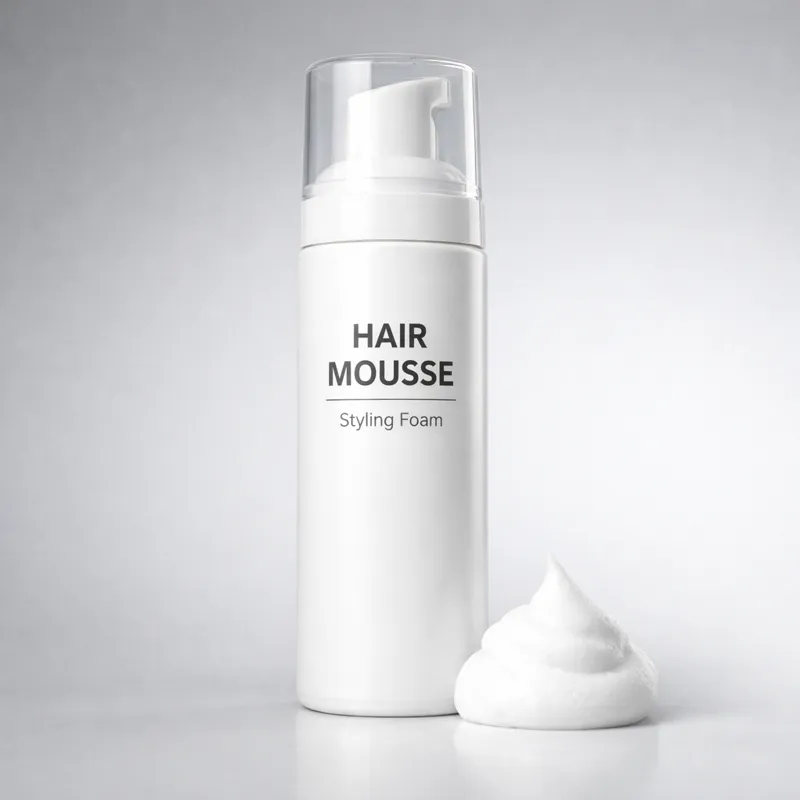
Mousse / light stylers
If you want definition without heaviness, mousse is a strong option. It can help curls clump and look more intentional while keeping the finish softer than many gels.
Best use: wash-and-go definition and quick refresh styling.
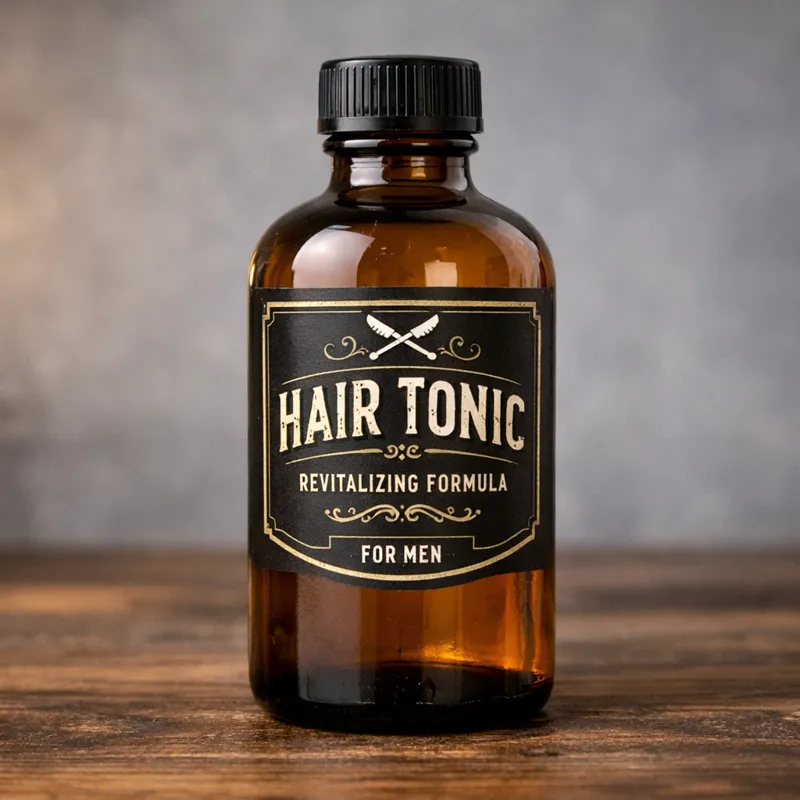
Scalp + moisture support
A healthy scalp supports better-looking hair. If your hair tends to feel dry, focus on moisture habits first (water + leave-in + protection at night) before chasing stronger styling products.
Best use: comfort and consistency (especially in dry seasons).
Your minimal kit (recommended)
- Spray bottle: water is the foundation of definition.
- Leave-in conditioner / moisturizing cream: daily softness + shine.
- Optional styler: curl cream or mousse for definition (choose one, not five).
- Afro pick: lift at the roots to shape without tearing through ends.
- Satin/silk protection: reduces friction and helps moisture last longer.
Picking technique that prevents breakage: pick at the roots for lift and shape. If you feel snagging, stop and re-hydrate. Forcing a pick through dry ends is one of the fastest ways to create frizz and breakage.
Common mistakes that ruin an afro (and how to fix them)
- Picking aggressively when hair is dry: hydrate first, then shape gently.
- Overdoing heavy products: buildup kills definition and can cause flaking — simplify and cleanse appropriately.
- Letting a barber push your hairline back: ask for a light, natural shape-up only.
- Choosing a high/skin fade without maintaining it: if you won’t refresh often, pick taper/low fade instead.
- Ignoring nighttime protection: friction dries hair out and breaks coils — protect your hair while you sleep.
Afro hair FAQs (quick, honest answers)
These are the questions men ask most before choosing an afro haircut. They’re written for real-life maintenance, not perfect Instagram conditions.
How often should men get an afro haircut?
It depends on the sides and the finish. If you wear a skin/high fade or a crisp line-up, you’ll usually want a refresh every 1–2 weeks to keep it sharp. Low/mid fades often look best at 2–4 weeks. Tapered afros can go 3–5 weeks. All-around afros can go 4–8 weeks as long as you maintain shape and moisture.
Is a tapered afro better than an afro fade?
“Better” depends on your lifestyle. A tapered afro is subtler, more professional-looking, and grows out cleaner. An afro fade (low/mid/high/skin) is sharper and more modern, but it usually needs more frequent maintenance. If you don’t want regular touch-ups, taper wins.
How do I make my afro look more defined?
Start with moisture: water + leave-in conditioner. Then choose one definition product: curl cream for soft definition, mousse for lightweight hold, or a light gel for stronger hold. Finally, shape gently and protect your hair at night so definition lasts.
How do I use an afro pick without damaging my hair?
Pick at the roots to lift and shape. Don’t drag the pick through dry ends. If the pick snags, hydrate first and use your fingers to loosen the section before picking again.
Why does my afro look shorter after it dries?
That’s normal shrinkage. Coily and curly hair often appears longer when wet and shorter when dry. It’s not a sign of slow growth — it’s just your hair returning to its natural curl/coil pattern.
What should I tell my barber to avoid a bad line-up?
Say: “Keep it natural — don’t push it back. Just clean it up.” A light, natural shape-up looks great and reduces the risk of your hairline being moved.
What’s the easiest afro style for beginners?
A short afro with a low taper. It’s clean, forgiving as it grows, and doesn’t require complex styling. You’ll still get texture, but you won’t be forced into constant maintenance.
Next step (no overthinking)
Choose one style from the directory, open the barber brief, and walk in with a clear plan. That’s how you get a cut that fits you — not just a haircut name.
Tip: If you want the cleanest look with the least effort, go Tapered Afro + light shape-up + natural neckline.