
A ponytail is the fastest way to control long hair while still showing length and texture. The difference between “clean and confident” vs “messy and rushed” comes down to placement, tension, and matching the style to your hair type.
- Pick the right ponytail (low, high, mid) for your face shape and lifestyle.
- Learn the exact tie technique (sleek, textured, curly-friendly, and no-damage).
- Know what to ask your barber for an undercut ponytail that sits clean.
- Decide between man bun vs ponytail without guessing.
Tip: If you’re still in the awkward grow-out stage, start with a half ponytail (top section tied, rest down). It looks deliberate and buys you time.
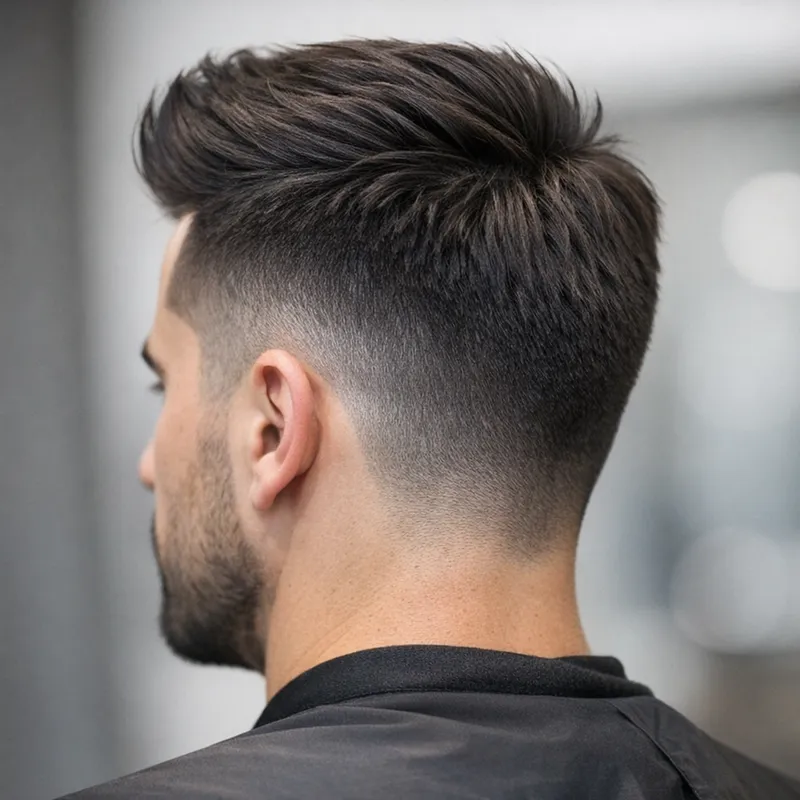
Quick pick: choose your ponytail in 30 seconds
If you only remember one thing, remember this: the “best” men’s ponytail is the one that matches your daily context. Office, gym, heat, helmet, curls, thinning edges—each one changes the smartest choice. Use this quick pick to stop guessing.
Need clean + professional
Best defaultChoose a low ponytail. It reads mature, controlled, and pairs well with a taper at the nape.
Need sporty + sweat-proof
Gym-friendlyChoose a high ponytail or a tight mid ponytail. Keeps hair off your neck and out of your eyes.
Want the most modern silhouette
Barber-approvedChoose an undercut ponytail (fade/taper sides, long top/back). The ponytail looks sharper instantly.
Curly hair + want volume
Texture-firstChoose a mid-to-high curly ponytail. You’ll lift the curl shape instead of flattening it.
Want max structure + control
Long-lastingChoose a braided ponytail. It stays clean longer, especially in heat, wind, or active days.
Not sure yet
Fast helpIf you tell us your hair type (straight/wavy/curly/coily), length, and how you dress most days, we can recommend a ponytail style + haircut strategy.
Shortcut: If your ponytail looks “off,” it’s usually one of these: placement is too high/low for your head shape, the sides are too bulky, or the tie is too tight and flattens the crown. Fix those three and the style upgrades immediately.
How to tie a men’s ponytail (step-by-step)
Most ponytails fail for one simple reason: guys try to force a “perfect” ponytail on a head of hair that isn’t prepared. The solution is not more strength—it’s detangling, choosing the right finish (sleek vs textured), and using the right kind of tie.
What you need (simple kit)
- A soft hair tie (fabric-covered elastic or a gentle spiral tie). Avoid rubber bands.
- A comb or brush (comb for controlled styling; brush for sleek finishes on straight hair).
- Optional product for your goal finish: gel (sleek), pomade (controlled shine), mousse (volume), or tonic (refresher).
Step-by-step method (works for most men)
- Detangle first. Start at the ends and work upward. This prevents snapping hair and creates a smoother ponytail.
- Pick your placement. Low (professional), mid (everyday), high (sporty). Don’t guess—use the next section.
- Gather with your hands first. Hands give you natural texture. Comb/brush only if you want a sleek finish.
- Secure with 2–3 wraps. Tight enough to hold, not tight enough to hurt. If your scalp feels sore, it’s too tight.
- Shape the crown. For a stronger silhouette, gently lift a little volume at the crown (especially for low ponytails).
- Finish smart. Use a tiny amount of product to control flyaways—don’t overload or the ponytail looks greasy.
Make it look intentional: sleek vs textured
| Sleek Ponytail | Textured Ponytail |
|---|---|
|
Best for: straight hair, formal outfits, office settings, undercut ponytails. How: comb back + light gel/pomade, then tie. Smooth flyaways with a tiny amount of product. Risk: too much product makes it look heavy or oily. |
Best for: wavy hair, curly hair, casual looks, “effortless” style. How: hands only, tie slightly looser, keep natural volume. Add a touch of mousse or leave-in for control. Risk: if the sides are too puffy, consider a taper/cleanup around ears and nape. |
Practical rule: If your ponytail feels like it’s pulling your hairline back, you’re wearing it too tight. Loosen it and rotate your ponytail position across the week (low / mid / high) so the same hairs don’t take the same tension every day.
Low vs high ponytail for men (how to choose)
Placement changes everything. A low ponytail can look clean and “grown,” while a high ponytail looks athletic and modern. Neither is wrong—your goal is to pick the one that matches your face shape, hair density, and daily routine.
| Low Ponytail | High Ponytail |
|---|---|
|
Placement: at the nape of the neck, just above the collar line. Vibe: controlled, classic, professional. Best for: office settings, longer lengths, straight/wavy hair, men who want a cleaner silhouette. Key move: add a touch of crown lift so it doesn’t look flat. |
Placement: closer to the crown (upper back of the head). Vibe: sporty, youthful, energetic. Best for: workouts, hot weather, curly hair, thick hair, undercut ponytails that you want to show off. Key move: don’t over-smooth—texture looks more natural. |
|
Common mistake: tying it too low with too much tension → flat crown + “dragged back” look. |
Common mistake: tying it too tight at the hairline → discomfort and more stress on front edges. |
What about a mid ponytail?
A mid ponytail is the “safe default” if you’re experimenting. It works on most head shapes and doesn’t read as formal as a low ponytail or as athletic as a high ponytail. If you’re unsure, start mid—then adjust up/down based on comfort and vibe.
Best men’s ponytail styles (and who each one suits)
The goal isn’t to memorize 20 styles—it’s to master a few options that cover most situations: daily wear, professional settings, workouts, and nights out. Below are the core ponytail styles for men that consistently look good when done correctly.
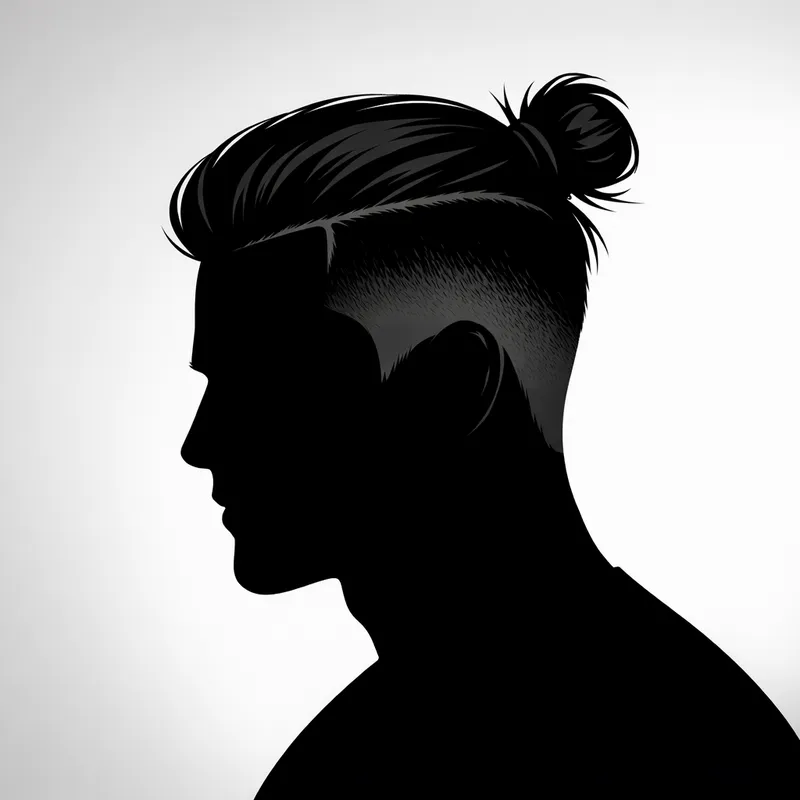
1) Classic low ponytail
The classic low ponytail is the “always works” option. It’s fast, clean, and reads intentional when the sides and nape are tidy. If you need one ponytail style that fits most situations, start here.
2) High ponytail
A high ponytail looks athletic and modern. It’s especially strong if you want lift and energy in your silhouette, or if you’re trying to keep hair off your neck. Keep it secure, but don’t crank tension at the front hairline.
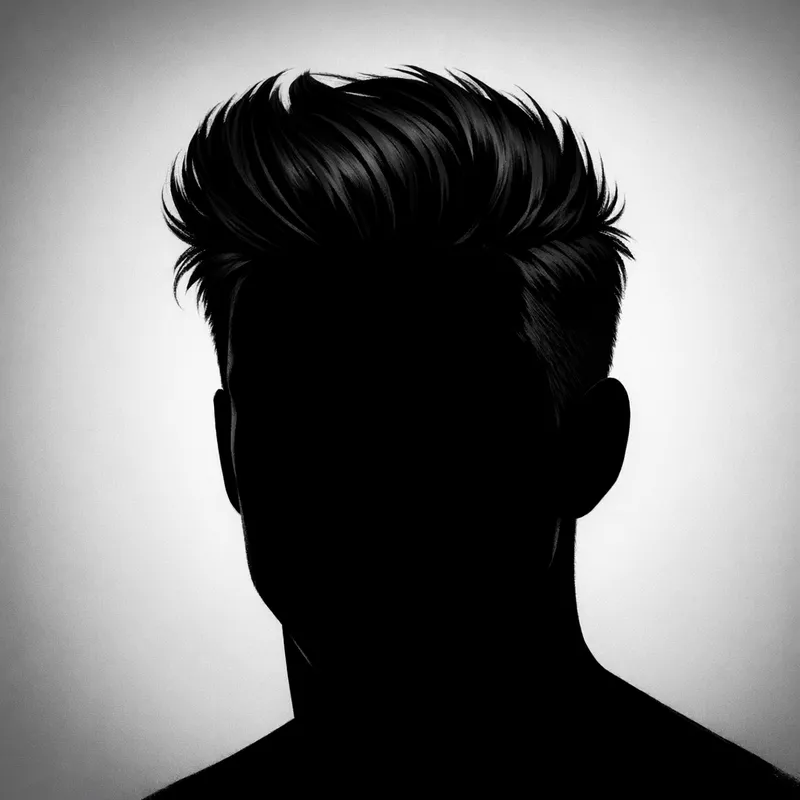
3) Undercut ponytail
The undercut ponytail is one of the sharpest looks you can wear with long hair. Short sides reduce bulk, so the ponytail sits clean, and the contrast makes your style look deliberate even on low-effort days.
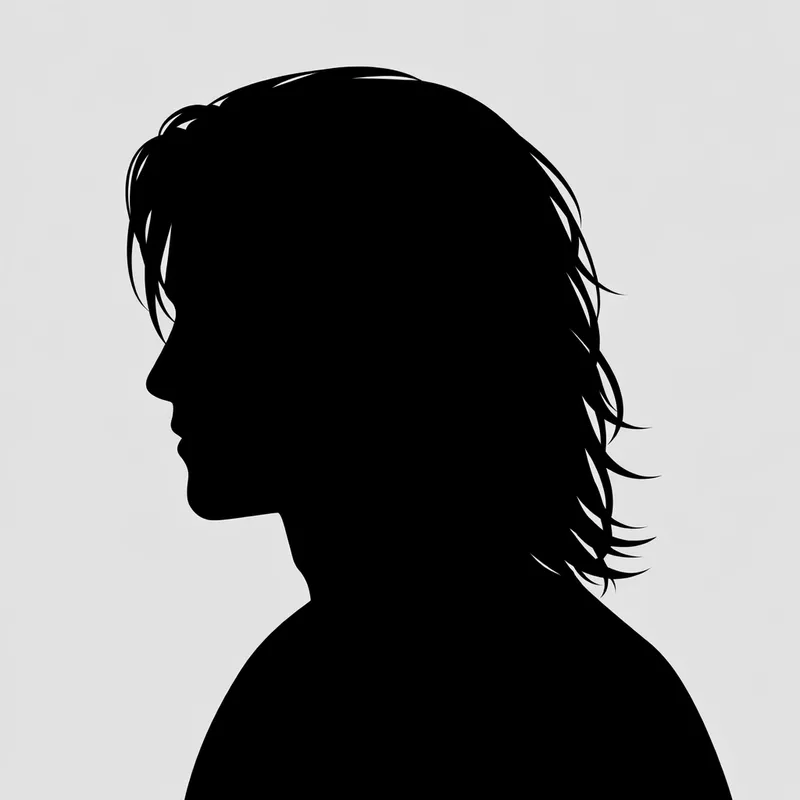
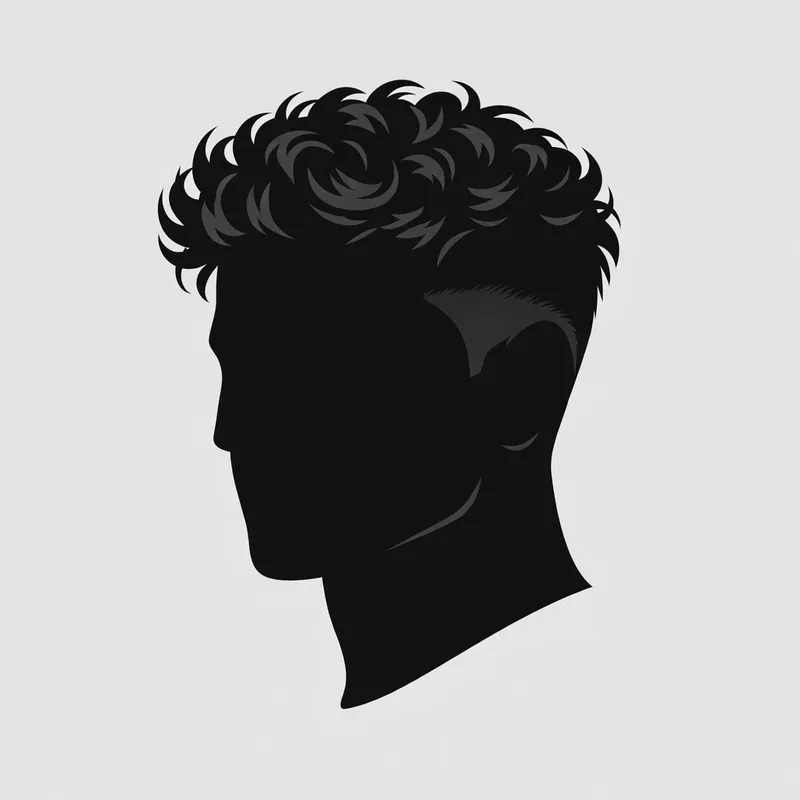
4) Curly ponytail
Curly ponytails look powerful because they keep volume and texture visible. The secret is simple: don’t brush curls dry. Detangle gently, keep definition, and use placement to lift the curl shape instead of flattening it.
5) Half ponytail (half-up)
The half ponytail is the smartest move in the grow-out stage. You tie the top section back, leave the rest down, and it looks styled— not like you’re “trying to make it work.” It’s also great for layered cuts that don’t gather evenly.
6) Braided ponytail
A braided ponytail is the “structure upgrade.” It stays cleaner longer, holds shape in wind and sweat, and looks more intentional from every angle. You can go subtle (one braid into a ponytail) or bold (multiple braids feeding into a tail).
Conversion-level advice: If you want your ponytail to look “premium,” don’t chase perfection—chase a clean outline. A simple taper at the nape/around ears + the right ponytail placement will make even a basic tie look intentional.
Undercut ponytail: the haircut that makes ponytails look sharper
“Undercut ponytail” can mean a few different things, but the goal is always the same: reduce bulk on the sides/back while keeping enough length on top/back to tie cleanly. When bulk is controlled, the ponytail sits closer to the head, looks neater, and stays comfortable longer.
Option A: Disconnected undercut ponytail
Look: strong contrast (short sides, long top/back, minimal blending).
Best for: thick hair and men who want a bold, modern profile.
Style tip: a mid-to-high ponytail shows the undercut shape and keeps the sides clean.
Option B: Fade undercut ponytail (blended)
Look: tapered fade that blends into longer hair more naturally.
Best for: most men, especially if you need versatility (work + casual).
Style tip: keep the ponytail slightly higher to maintain a sharp silhouette.
Option C: Taper ponytail (subtle “undercut”)
Look: not a full undercut—just cleaned up around ears and nape.
Best for: first-timers and professional environments.
Style tip: low ponytail + clean nape = controlled and mature.
What to tell your barber (copy/paste)
This is the difference between “I got a haircut” and “I got the exact haircut that supports my ponytail.” Use the script below so the barber understands the goal (a ponytail that sits clean) not just the style name.
- “I want to keep enough length to tie my hair back into a ponytail.”
- “Please reduce bulk on the sides/back so it doesn’t puff out when tied.”
- “Give me a (taper / low fade / mid fade) around the ears and nape.”
- “Keep the top and back long, but shape it so the ponytail sits clean and balanced.”
- “I want it to look good tied and worn down.”
If your ponytail “sticks out”: that’s usually bulk. A good barber can remove internal weight (especially behind the ears and occipital bone) while keeping length. This is one of the highest-impact upgrades for men who wear ponytails regularly.
Curly ponytail for men: definition, volume, and no-frizz control
Curly ponytails look incredible when you keep the curl pattern intact. The most common mistake is trying to “brush it neat” the same way you would with straight hair. For curls, neat doesn’t mean flat—it means controlled. Your objective is to reduce frizz while preserving shape.
Curly ponytail routine (simple + effective)
- Detangle when damp (not dry). Use a wide-tooth comb and work from ends upward.
- Apply a small amount of leave-in or curl cream to keep definition and reduce frizz.
- Choose mid-to-high placement if you want lift and a stronger silhouette. Choose low placement for a relaxed look.
- Tie gently and avoid scraping the sides too tight unless you want a very sleek “pulled back” finish.
- Finish lightly (a touch of oil on the ends if needed). Too much product kills volume.
Best curly ponytail placements (what they do)
- Mid-to-high ponytail: lifts curls, shows volume, looks athletic and modern.
- Low ponytail: longer, looser silhouette; great if your curls are longer and you want flow.
- Half ponytail: keeps curls off your face while showing length; great for layered curls.
Texture tip: If your curls puff out at the sides when tied, that’s often a shape issue—not a styling issue. A subtle taper and smart layering can make curly ponytails sit cleaner while keeping the length you’ve earned.
Braided ponytail for men: clean structure that lasts longer
A braided ponytail gives you structure and control without hiding your length. It’s especially useful if you live in a windy climate, sweat a lot, wear helmets, or just want a style that stays sharp for more hours without constant re-tying.
Three braided ponytail options (from easiest to boldest)
1) Ponytail + single braid (easiest)
Tie your ponytail first, then braid the tail and secure the end. It’s low effort and adds instant structure.
Best for: medium-to-long hair, straight/wavy hair, everyday style.
2) French/Dutch braid into ponytail
You braid from the crown backward, then finish the remaining length as a ponytail. This holds better and looks more “designed.”
Best for: active days, wind, layered hair, men who want a cleaner look.
3) Multiple braids into ponytail (statement)
Two or more braids feeding into a tail creates the strongest visual impact and tends to stay clean the longest.
Best for: thick hair, textured/coily hair, bold styling.
Quick method: ponytail + single braid
- Tie your ponytail at your preferred placement.
- Split the tail into three sections and braid down.
- Secure the end with a small elastic.
- If you want a fuller look, gently “pancake” the braid (lightly pull braid sections outward).
Best practice: Braided styles often look best when the base is clean. If flyaways bother you, use a tiny amount of gel or pomade at the hairline— but keep the tail natural so it doesn’t look stiff.
Man bun vs ponytail: what to choose (and when)
Ponytail and man bun are not competitors—they’re tools. A ponytail shows length and movement. A man bun locks everything down. The “right” choice depends on comfort, hair length, and how much control you need.
Choose a ponytail when…
- You want speed and comfort for all-day wear.
- You want to show your length and texture.
- You want less pressure from wrapping hair into a knot.
- You’re in the medium-length stage and a bun feels too small or messy.
Best placements: low for professional, high for sporty, mid for everyday.
Choose a man bun when…
- You need maximum control (no tail moving around).
- You’re training hard or dealing with wind/heat all day.
- Your hair is very long and you want it fully contained.
- You want a clean “topknot” silhouette.
Rule: keep it secure, not painful. Comfort matters.
The smarter approach
Most men do better when they use both styles depending on the day. Ponytail for comfort and a visible length profile. Bun when you want zero movement. If you rotate styles, you also reduce repeated tension in the exact same spot.
Bottom line: if you’re choosing between them, your lifestyle decides—not a trend.
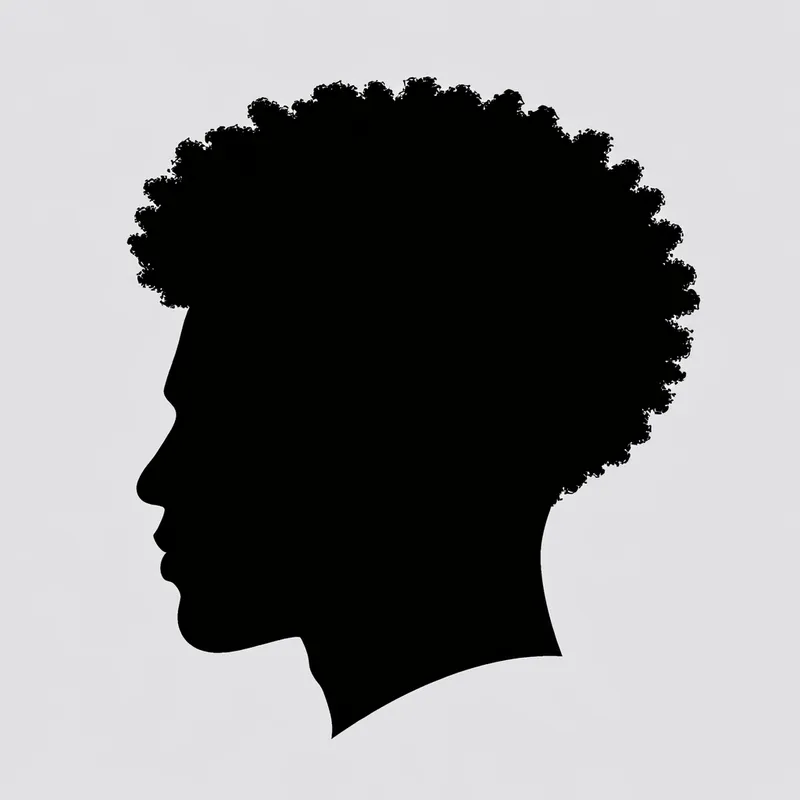
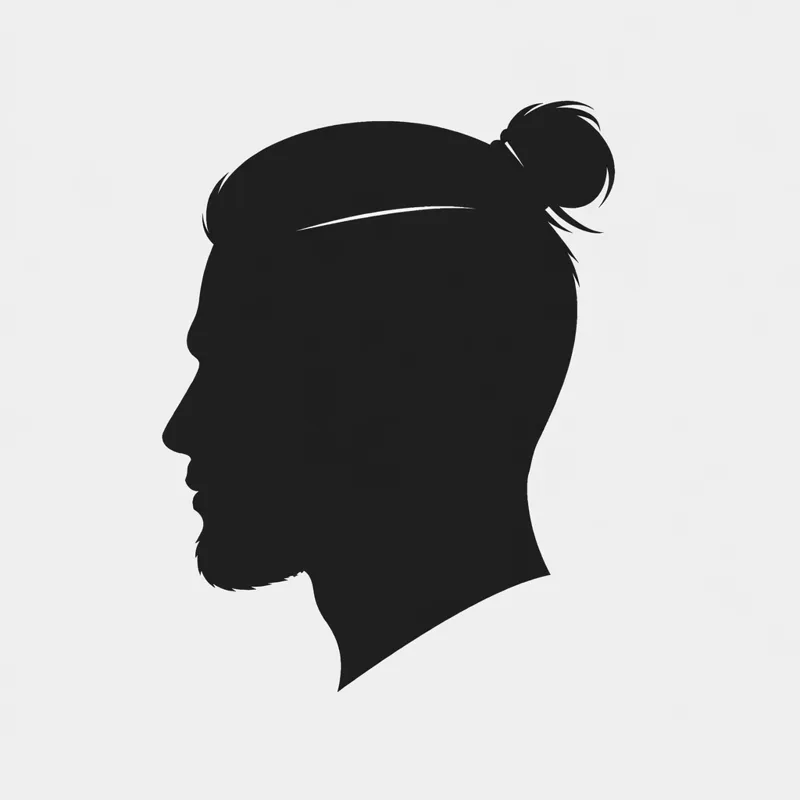
Fast decision: If you want your hair to look longer and more textured, choose ponytail. If you want it completely out of the way, choose bun. If you want the most modern “barber” vibe, pair either one with a taper/fade and a clean neckline.
Maintenance + hair health: keep the ponytail sharp (without breakage)
A men’s ponytail should feel secure, not painful. If you wear a ponytail every day, the real upgrade isn’t a “new style”—it’s a better routine: the right tie, the right tension, and small habits that protect your hair over time.
Do this to keep your hair healthier
- Use soft hair ties. Rubber bands are a fast track to snagging and breakage.
- Don’t tie it in the same exact spot every day. Rotate low/mid/high to spread tension.
- Don’t crank tension at the hairline. If your edges feel sore, loosen the ponytail.
- Avoid tying very wet hair tightly. Hair is more fragile when wet. If needed, tie it loose until it dries.
- Keep ends healthier. Condition consistently and trim split ends when needed so the ponytail looks fuller.
Keep the outline clean (the “intentional” look)
If your ponytail looks sloppy, it’s often because the outline is messy: bulky sides, fuzzy nape, or flyaways everywhere. You don’t need constant full haircuts—most men just need a neckline and around-the-ears cleanup on a schedule that fits their growth.
If you notice persistent hairline stress or thinning edges: stop wearing tight styles for a while and reduce tension. If you’re concerned, consider talking to a qualified professional. Comfort is a signal—listen to it.
Tools & products that make ponytails look cleaner
You don’t need a shelf of products. You need the right tool for the finish you want: sleek control, natural texture, or volume. These are the simplest product categories that consistently help men’s ponytails look better.

Sleek finish: gel (use tiny amounts)
Gel is the cleanest way to control flyaways and create a sleek, pulled-back ponytail. The key is restraint: use a small amount at the hairline and sides, then stop. Overuse makes the style look heavy.
Best for: sleek low ponytails, undercut ponytails, formal settings.

Controlled shine: pomade (flexible control)
Pomade gives you control with a more flexible feel than gel. It’s great when you want a controlled shape but don’t want a stiff look—especially for low ponytails and side-part tied-back styles.
Best for: classic low ponytails, “clean but natural” finishes.
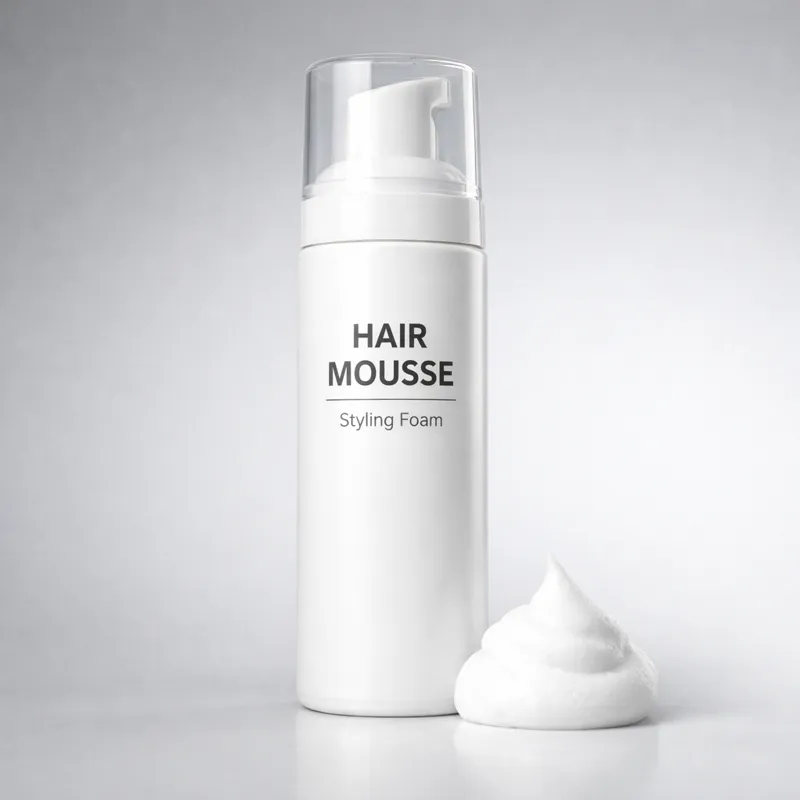
Volume + texture: mousse (lightweight)
Mousse is a simple way to add lift and texture without making hair look greasy. If your ponytail feels flat or thin, a small amount of mousse can give the tail more body.
Best for: textured ponytails, wavy hair, curly ponytails.
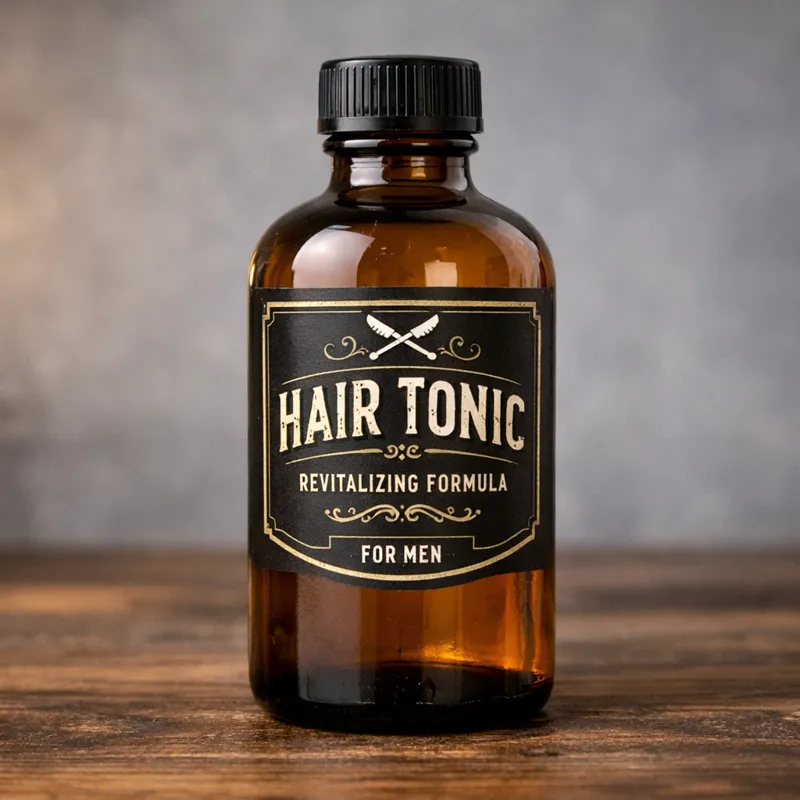
Refresh + re-style: hair tonic (low commitment)
Hair tonic is useful when you want a quick reset without washing. It can help you re-style a ponytail during the day, soften stiffness from product, and make hair easier to control.
Best for: next-day styling, quick cleanup, low-frizz control.

Clean lines: a comb (sleek control)
A comb is the fastest way to make a ponytail look intentional. Use it when you want clean sides, a defined part, or a controlled hairline. For textured styles, gather with your hands first, then refine only where needed.
Best for: sleek finishes, side parts, undercut ponytails.
The simplest “winning combo”
If you want a clean ponytail with minimal effort:
- A soft hair tie (no snagging)
- A comb (for clean sides)
- A small amount of gel or pomade (flyaway control)
If you want texture and volume instead of sleek: swap gel/pomade for mousse and use hands instead of combing everything flat.
FAQ: men’s ponytails
These are the most common practical questions men ask when they start wearing ponytails. Clear answers, no fluff.
How long does your hair need to be to tie a ponytail?
Long enough to gather and secure comfortably without yanking. If you can’t pull all your hair back yet, start with a half ponytail (tie the top section only). It looks intentional and helps during the grow-out stage.
What is the best ponytail style for men at work?
A low ponytail is usually the best choice for professional settings because it looks controlled and mature. Pair it with a clean neckline or a subtle taper and keep the finish either sleek or lightly textured—avoid overly messy sides.
Low vs high ponytail: which looks better on most men?
Most men look good with a mid ponytail as a starting point. Then adjust: go lower if you want a more professional vibe; go higher if you want a sportier silhouette or you have curly hair and want lift. The real “best” is the placement that feels comfortable and matches your daily routine.
How do I stop flyaways in a men’s ponytail?
Use a tiny amount of gel or pomade at the hairline and sides, then stop. Overuse makes hair look greasy and heavy. For textured styles, gather with your hands first and refine only the flyaways—don’t comb everything flat unless you want a sleek finish.
Does wearing a ponytail damage hair?
It can if you wear it too tight, use harsh hair ties, or tie it in the same spot every day. Keep it secure-but-not-painful, use soft ties, and rotate placement (low/mid/high). If your scalp or hairline feels sore, loosen the style and reduce tension.
Can I do an undercut ponytail with short sides?
Yes. That’s the point of the undercut ponytail: short sides reduce bulk while the top/back stays long enough to tie. The most important detail is keeping enough length where the ponytail gathers and making sure the barber removes internal weight so it sits clean.
What’s the easiest braided ponytail style for beginners?
Tie your ponytail first, then do a simple three-strand braid on the tail and secure the end. It’s the fastest way to add structure without needing advanced braid technique.
Man bun vs ponytail: which is better for workouts?
If you want zero movement, choose a bun. If you want comfort and speed, choose a high ponytail. Either way, avoid pulling too tight at the hairline and use a soft hair tie.
Still unsure? If you share your hair type, length, and what you want your ponytail to communicate (professional, athletic, edgy), we can recommend a ponytail style + haircut strategy that fits you.