
Men’s Barber Haircuts: Choose the Right Cut, Explain It Clearly, and Keep It Sharp Longer
The difference between a “fine haircut” and a haircut that looks confident from every angle is usually shape, blend, and communication. This page gives you the haircut options barbers actually do every day, the exact words to ask for them, and simple tools that help you leave the chair with the result you pictured.
If you’re searching for barber haircut styles for men, comparing a barber fade vs a taper, or you just want a reliable “short back and sides” that grows out clean, you’re in the right place.
- Haircut Match Finder for your hair type + lifestyle
- Barber Script Generator you can copy/paste
- Maintenance Planner to plan your next cut
- Style chart that makes choosing faster

The safest “upgrade” is a low taper fade with a medium textured top: professional, flexible, and it grows out well. If you want maximum sharpness, go skin fade—just know you’ll likely rebook sooner.
Choose Your Barber Haircut in 2 Minutes (No Guessing)
Most men pick a haircut based on one photo and hope it works. A better approach is to match the cut to: hair type, density, face shape, and—most important—how often you’re willing to maintain it. Use the tool below to get three realistic picks you can bring to a barber today.
Quick rule: If you want a cut that stays presentable longer, choose a taper or a low fade. If you want a cut that looks aggressively fresh, choose a skin fade—and plan more frequent visits.
Haircut Match Finder
Pick your traits and get suggestions with a clear “ask your barber” line for each.
Your matches will appear here.
Tip: choose “High maintenance” if you love razor-sharp fades and crisp edges.
What Makes a “Barber Haircut” Different?
A men’s barber haircut is built around structure: clean transitions on the sides, controlled volume on top, and detailing that makes the haircut look intentional from the front, side, and back. Even if you’re going for a messy textured crop, the best barbers still use precision underneath the “effortless” finish.
1) The blend (your haircut’s backbone)
Blending is how your barber removes “weight lines” so the sides don’t look blocky. A smooth blend is what makes a fade look expensive—even when it grows out.
2) The outline (natural vs sharp)
Edges can be natural (softer, longer-lasting) or a line-up (crisp, high-impact). The right choice depends on how often you maintain the cut.
3) The grow-out plan (what happens in week 3)
A great haircut is designed to look good when it’s not brand new. Tapers and low fades keep the shape longer; skin fades look best short-term and need faster refreshes.
The Most Popular Men’s Barber Haircuts (With Exact “Ask Your Barber” Lines)
Below are the cuts men ask for every day: taper fades, barber fades, crew cuts, buzz cuts, textured crops, and classic parts. Each card tells you who it suits, how hard it is to maintain, and the simplest way to request it.

Taper Fade (Low / Mid / High)
If you want a clean look that doesn’t fall apart quickly, this is it. A taper fade focuses around the sideburns and neckline, keeping more hair than a skin fade—so it stays presentable longer.
Ask your barber: “Low taper fade, natural edges. Keep the top about ____ and add texture.”
Maintenance: 3–5 weeks (or 2–3 if you want ultra crisp edges).

Skin Fade (Low / Mid / High)
A skin fade blends all the way down to skin. It looks aggressive and clean—especially in the first 10–14 days. Choose it if you like maximum contrast and you don’t mind booking more often.
Ask your barber: “Mid skin fade. Keep the top long enough to style a textured finish.”
Maintenance: 2–4 weeks for best results.

French Crop / Textured Crop
Crops are popular because they’re easy to style and naturally add interest. If you want to make hair look thicker or soften a high hairline, a short textured fringe can help—without looking like you’re trying too hard.
Ask your barber: “Textured crop with a short fringe. Keep it choppy, not too clean.”
Maintenance: 3–5 weeks.

Crew Cut
A crew cut is dependable: tidy shape, low daily effort, and it works in almost any setting. The key is avoiding a “helmet” look. A good barber adds subtle texture on top and a clean taper on the sides.
Ask your barber: “Crew cut with a low taper. Add some texture on top.”
Maintenance: 3–5 weeks.
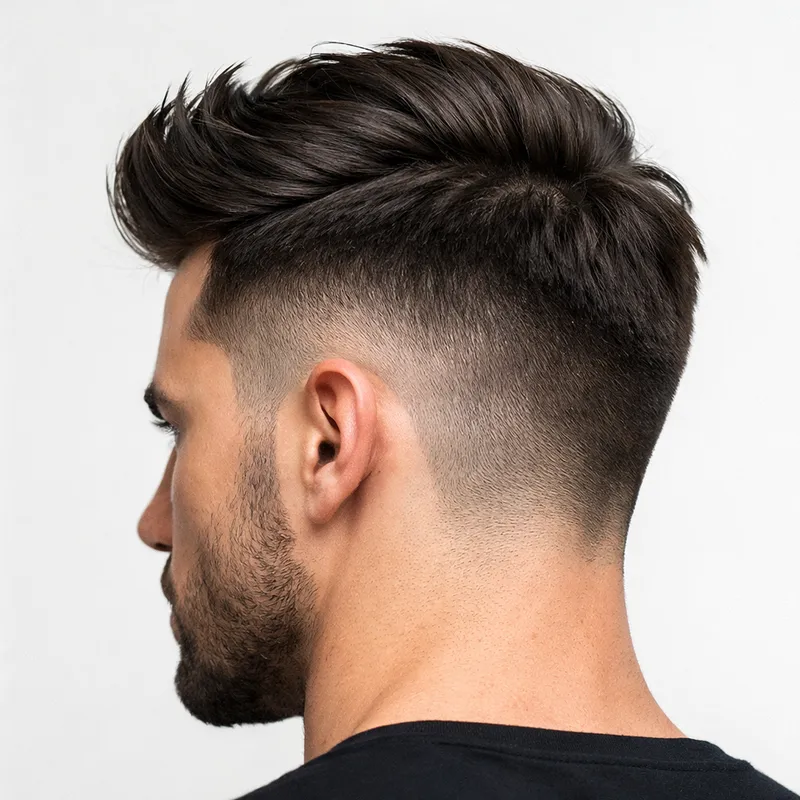
Buzz Cut (or Buzz Cut Fade)
A buzz cut is simple, masculine, and practical. The upgrade is adding a light taper or fade so the cut looks intentional rather than “just shaved.” If you don’t know guard numbers, your barber will.
Ask your barber: “Buzz cut, not to skin. Add a low taper at the neckline.”
Maintenance: 2–6 weeks depending on how short you go.
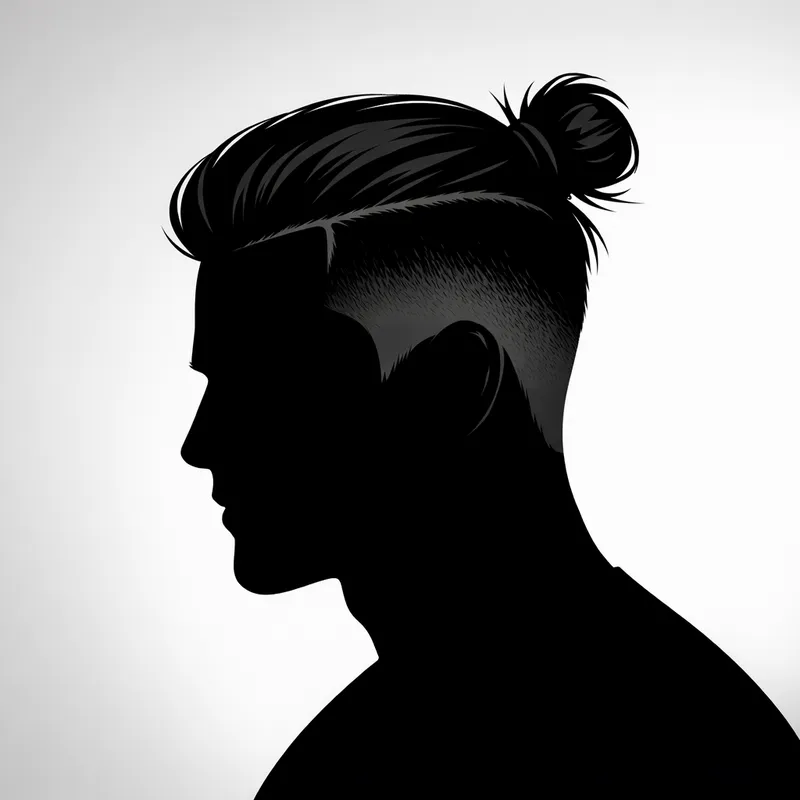
Side Part / Comb Over (Modern)
This is the “I want to look put-together” cut. The modern version avoids harsh lines and keeps the transition smooth. If you want it softer, ask for scissor work on top and a taper instead of a hard fade.
Ask your barber: “Modern side part. Scissor on top, low taper on the sides.”
Maintenance: 3–5 weeks.

Pompadour
Best if you want height and a strong, classic shape.

Quiff
Great for straight or wavy hair; looks sharp with a taper or fade.
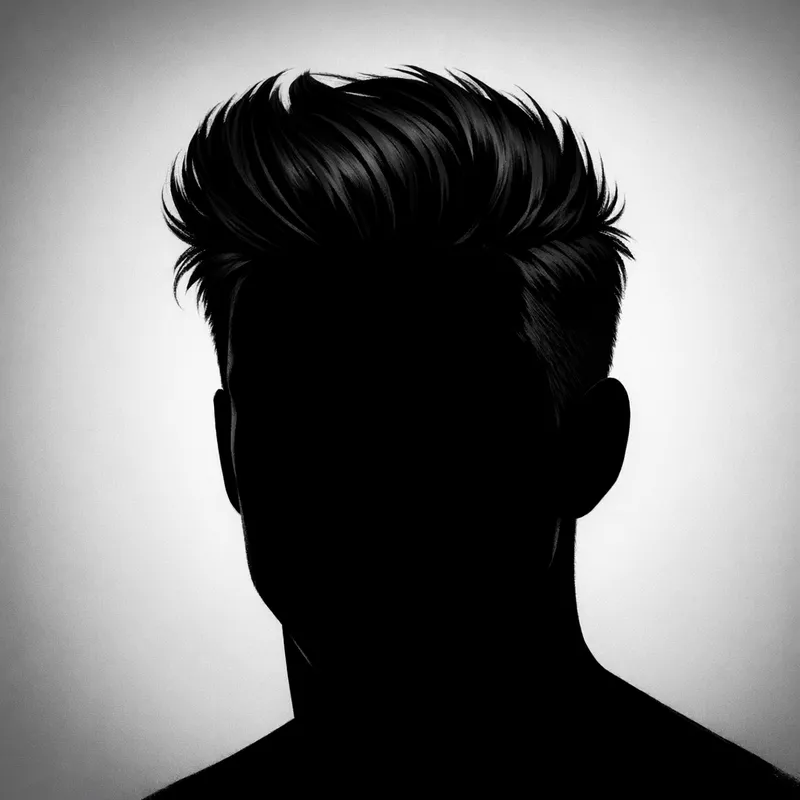
Undercut
High contrast. Looks best when you commit to styling the top.
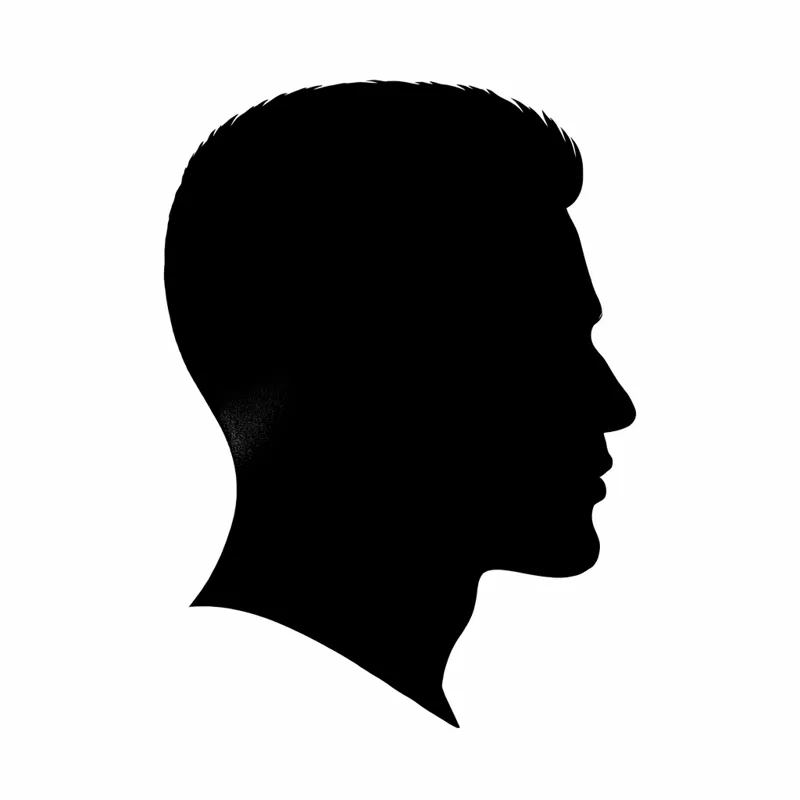
Drop Fade
Great if you want a fade that follows head shape for a sharper profile.
Barber Haircut Styles Chart (Fast Decision Guide)
Use this chart when you want clarity. “Best” doesn’t mean most trendy—it means the cut that matches your schedule, styling ability, and how you want to look on day 1 and day 25.
| Haircut | Best for | Styling effort | Grow-out | Simple barber script |
|---|---|---|---|---|
| Low taper fade | Most men, most workplaces | Low | Excellent | “Low taper. Natural edges. Textured top.” |
| Mid skin fade | Max sharpness and contrast | Low–medium | Moderate | “Mid skin fade. Keep top long enough to style.” |
| Textured crop | Modern texture; quick styling | Low | Good | “Textured crop. Short fringe. Not too clean.” |
| Crew cut | Classic, reliable, masculine | Very low | Excellent | “Crew cut with low taper. Light texture on top.” |
| Buzz cut fade | Lowest maintenance with structure | Very low | Varies by length | “Buzz cut (not to skin). Low taper at neckline.” |
| Side part | Professional, timeless | Medium | Excellent | “Modern side part. Scissor top. Low taper sides.” |
Shortcut: If you don’t know what to choose, pick a low taper fade. If you want the sharpest possible look, pick a mid skin fade. If you want the easiest daily routine, pick a crew cut or buzz cut.
How to Ask Your Barber (So You Get the Cut You Actually Want)
“Just take a little off” is how men accidentally get a haircut they didn’t agree to. A good barber will ask questions, but you’ll get the best outcome when you can answer clearly. Here’s the simplest communication framework that works in any barbershop.
- Show 2 photos: one you want, one you don’t want. This prevents surprises.
- Name the sides: low/mid/high fade or taper. This is the most important decision.
- Define the top: “keep enough length to style” or a rough length (inches/fingers is fine).
- Choose texture vs neat: textured (matte) vs combed (classic).
- Pick your outline: natural edges for longer-lasting, line-up for maximum crispness.
If you’re unsure, tell your barber the truth: how often you’ll maintain the cut. That single sentence helps them choose taper vs skin fade, how tight to go, and how to shape the neckline so it grows out clean.
Barber Script Generator (Copy & Use in the Chair)
Select a fade/taper, top length, finish, and neckline. You’ll get a single sentence that reduces misunderstandings. This is especially useful if you’re trying a new barber, a new style, or you’re switching from clippers to scissor work.
Pro tip: Add one sentence about upkeep: “I come back every 3–4 weeks” or “I want it to look clean for 5–6 weeks.” That changes the whole strategy of the cut.
Barber Services That Upgrade a Haircut (Without Changing Your Style)
A haircut can look “unfinished” even if the length is right. The finishing services below are what create that clean, high-confidence look. If you’ve ever wondered why a cut looks perfect leaving the shop but not at home, it’s often because the finishing and product choice were doing the heavy lifting.
Beard Trim (with shape)
A proper beard trim isn’t “shorter.” It’s symmetry, cheek line cleanup, and a neckline that makes your jaw look stronger without looking artificial. Even stubble benefits from clean borders.
Ask your barber: “Beard trim with shape—keep it natural (or sharp).”
Line-up / Shape-up
A line-up defines the hairline and edges. It’s the fastest way to make short haircuts look expensive. If you want it to last longer, ask for a softer, natural edge rather than a very sharp square.
Ask your barber: “Clean line-up, but keep it natural—not too pushed back.”
Hot towel finishing (premium feel)
If you want a traditional barbershop experience, hot towel finishing is the reset: it’s relaxing, and it leaves you feeling “done.” Ask what’s included where you are—some shops include it with haircuts, others offer it as an add-on.
Ask your barber: “Can we finish with a hot towel and a clean neckline?”

How to pick a great barber near you (the fast checklist)
- Look for consistency in photos: multiple clients, multiple angles, not one lucky shot.
- Check the blend: smooth transitions are the mark of a skilled barber.
- Read reviews for details: “listened,” “consultation,” “fixed mistakes,” “consistent.”
- Choose a service match: book the right slot (haircut vs haircut+beard) so the barber has time.

What to say when you walk in (simple, confident, effective)
If you want to sound clear without over-explaining, use this format: “Sides + Top + Finish + Outline.”
Example: “Low taper fade. Keep 2.5 inches on top. Textured and matte. Tapered neckline.”
This single sentence covers the decisions that usually cause misunderstandings. It also signals that you care about the details, which often leads to a better consultation.
Pricing: What Changes the Cost of a Men’s Barber Haircut?
Prices vary by city, demand, and skill level—so instead of giving you a fake average, here’s what actually moves the needle. Understanding this helps you pick the right service and avoid wasting money on the wrong appointment type.
Time in the chair
More time usually means more precision: better blending, cleaner detailing, and a proper consultation.
Technique
Skin fades, scissor finishing, and beard work require more skill. That’s often what you’re paying for.
Add-ons
Beard trims, line-ups, and premium finishes can turn a normal haircut into a full grooming reset.
If you’re choosing between a cheaper barber and a more expensive one, don’t guess—look at their portfolio. A low price with no proof is a gamble. A fair price with consistent results is usually the best long-term choice.
Make Your Haircut Last Longer (Without Living in the Barbershop)
A great haircut should still look good when it’s not “fresh.” These habits keep your style controlled, your sides cleaner, and your top easier to manage. The goal is not perfection—it’s consistency.
Pick the right product
Matte clays and pastes give texture and control without shine. Pomade gives a classic polished look. Sea salt spray adds volume and grip.
Want the easiest routine? Use one product consistently and ask your barber to cut for that finish.
Don’t fight your hair type
Straight hair shows harsh lines; it benefits from soft blending and texture. Curly hair looks best with controlled sides and a taper at the neckline. Coily/afro hair often benefits from structured shapes and careful edge work.
Refresh the outline
If you like crisp edges, a quick neckline/around-the-ears cleanup can extend the “barber-fresh” look. Don’t attempt full fades at home unless you know what you’re doing.
Simple maintenance rule: the sharper the fade and line-up, the sooner you’ll want a refresh. If you want a cut that still looks clean in week five, ask for a taper and a neckline plan.
Explore related grooming guides (optional internal links): Hair clippers • Hair trimmers • Beard trimmers • Men’s comb • Hair cutting scissors • Pro barber supply
Haircut Maintenance Planner
Choose your cut type and when you last got it. You’ll get a practical rebook window and a “what to do this week” plan. This is designed for real life: work, weekends, and not overthinking your grooming.
Your plan will appear here.
Pick a date to get a realistic rebook window (no hype, just what works).

Pomade
Best for slick backs, side parts, and controlled shine.
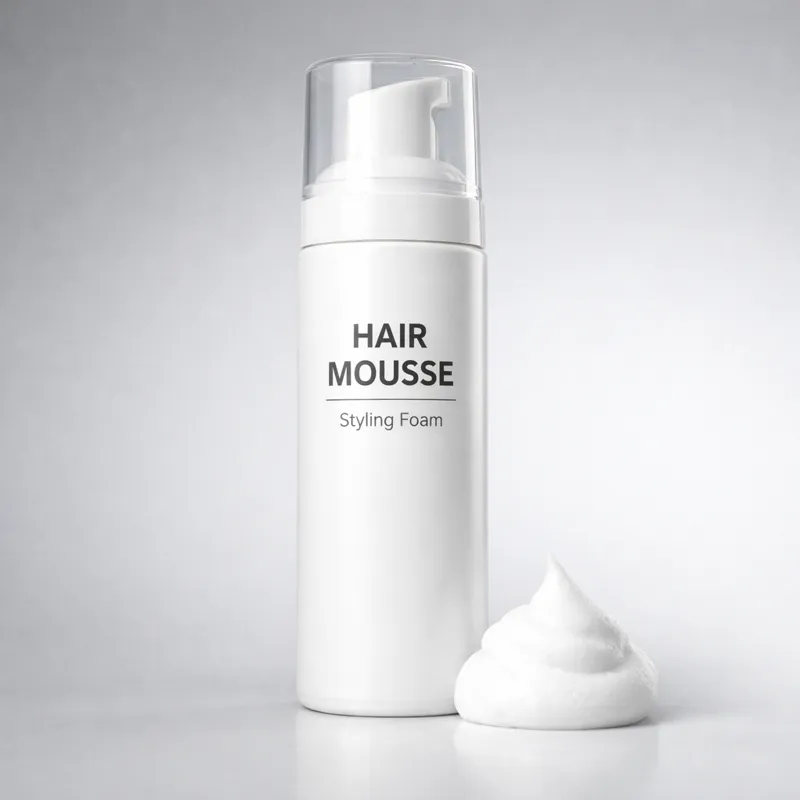
Mousse
Great for lift and control without heaviness.

Beard oil
Reduces dryness and makes shaping look cleaner.
Advanced Guidance: The Small Details That Make a Haircut Look “Expensive”
Two men can get “the same haircut” and one will look far sharper. The difference is usually a few details most people never think about— until they see how much it changes the final result.
Neckline strategy
A tapered neckline is the best choice for long-lasting cleanliness. A blocked neckline looks sharp quickly, but it can grow out with a visible line. If you want a haircut that still looks good later, tell your barber that upfront.
Weight management
If your sides “puff out,” the issue is usually leftover weight. Ask your barber to remove bulk and soften the transition. This is especially important for thick wavy hair and some curly patterns.
Texture placement
Texture should support your style goal: forward for a crop, up and back for a quiff, controlled direction for a side part. Random texture can make hair look messy instead of intentional.
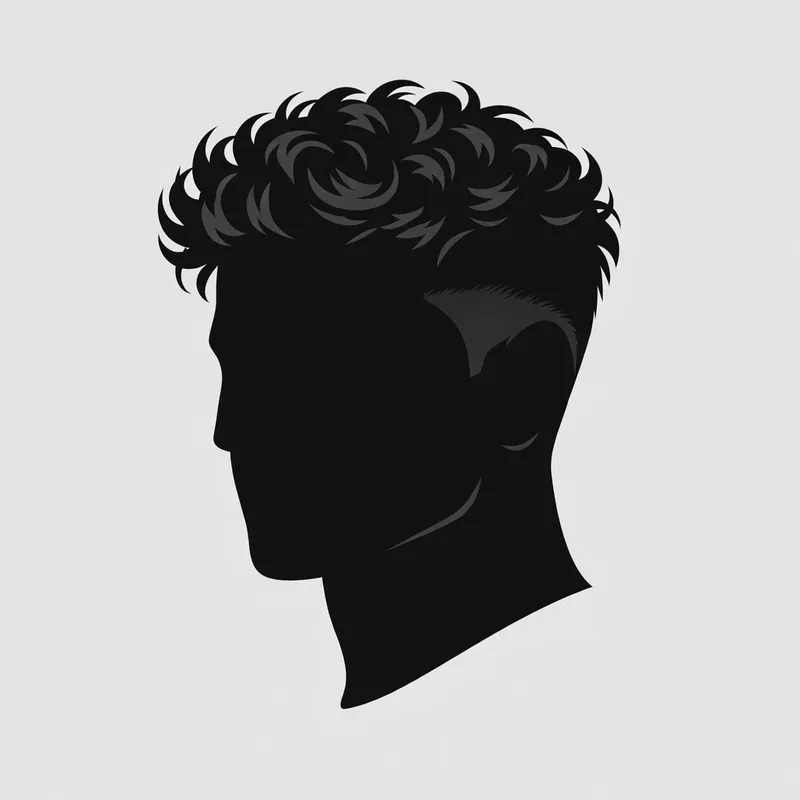
Classic finishes still win
Modern doesn’t always mean extreme. A controlled slick back or neat side part can look more “high status” than a trend cut, especially when the blend is smooth and the neckline grows out clean.
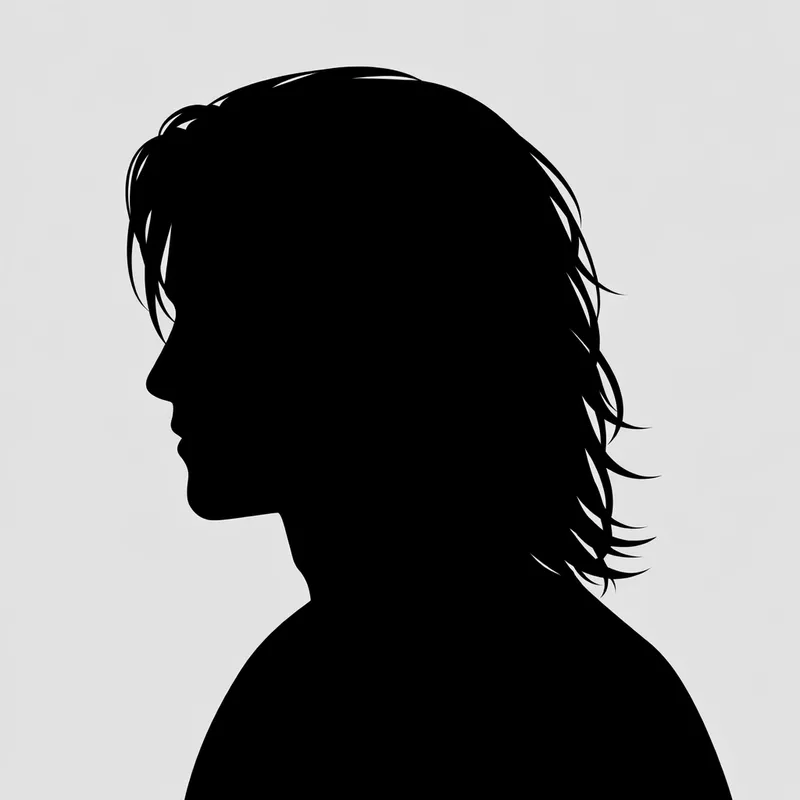
For curls: taper the perimeter
Curly and wavy hair looks best when the perimeter is controlled: tidy sideburns, a clean neckline, and balanced volume at the crown. Ask for a taper even if you keep the top longer.
Men’s Barber Haircuts: FAQs (Quick Answers That Prevent Bad Haircuts)
These are the questions men ask most often right before booking—or right after a haircut didn’t go as planned. If you read only one part of this page, read this.
What’s the difference between a taper and a fade?
How often should men get a barber haircut?
What should I tell my barber if I don’t know what I want?
Is a skin fade high maintenance?
What’s the best barber haircut for a receding hairline?
Should I bring a photo to a barber?
What should I ask for if I want a haircut that grows out well?
What’s the easiest “safe upgrade” haircut?
Ready to book a men’s barber haircut?
Don’t overthink it. Pick a taper or fade level, generate your script, and book a barber who shows consistent results.