
Buy the Right Oster Hair Clippers Once — Then Cut Cleaner Every Time
Searching Oster hair clippers usually means you want one of two things: reliable power that doesn’t feel like a toy, or a system that helps you get consistent results at home without guessing. This page is designed to be the shortcut most “top 10” lists avoid: a clear model match, practical cutting workflows, and the maintenance habits that stop pulling, heat, and patchy spots.
Note: MensHaircutStyle is an independent site. “Oster” is a trademark of its respective owner.
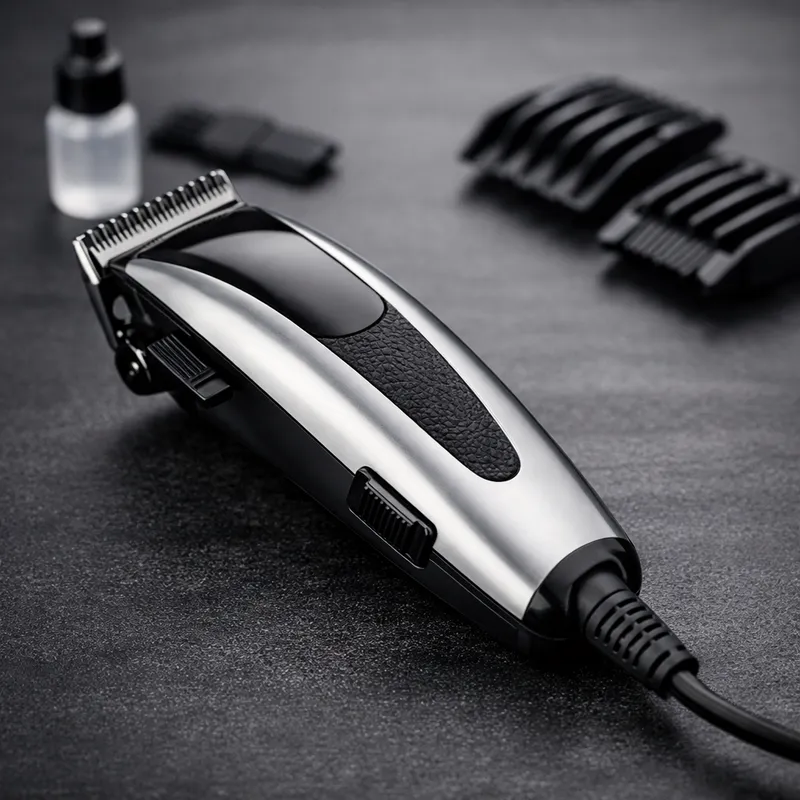
Quick Picks: Best Oster Hair Clippers by Goal
The fastest way to buy well is to stop asking “what’s the best clipper?” and start asking “what job am I buying this for?” Oster makes both detachable blade workhorses (built around speed and blade swaps) and adjustable-lever clippers (built around blending control for fades and tapers). Pick the job first, then the tool.
Classic 76-style detachable system
- Best when you want consistent cutting power and fast “bulk first” results.
- Ideal for thick hair, multiple heads, or anyone who prefers swapping blades to changing lever positions.
- Expect to treat blades as part of the system (clean, oil, rotate).
Fast Feed-style adjustable-lever clipper
- Best when your #1 goal is blending (tapers, fades, removing lines).
- Lever micro-steps make it easier to correct mistakes without going too short.
- Pairs well with a trimmer later for clean edges.
Oster cordless clippers (detachable or lever)
- Best when you self-cut or want freedom around ears and neckline.
- Choose cordless detachable if you want blade swaps; choose cordless lever if you want fades.
- Your results depend on: charge discipline + blade lubrication + light pressure.
If you only remember one rule: fades are a blending problem, so a lever-style clipper is usually the easiest path. Detachable systems shine when you want speed, consistency, and a true “blade ecosystem.”
Oster Clipper Selector (No Guessing)
Tap your priorities below. This tool turns your goal into a practical recommendation: which Oster clipper type fits best, what to buy next (blades/guards), and how to avoid the most common “I hate this clipper” mistakes. No forms, no fluff — just a clean decision path.
A quick translation: lever clippers make it easier to erase lines; detachable systems make it easier to cut fast and stay consistent over long sessions.
Your Recommendation Will Appear Here
Pick options above. You’ll get: the best Oster clipper type for your goal, what accessories matter, and one “next step” that improves results immediately.
Practical truth: if you need a flawless fade for an event, the fastest move is to get it done professionally once, then maintain it at home.
Detachable vs Adjustable (Why Your Choice Changes the Result)
Most buyer regret comes from picking the wrong tool category. A detachable system can be incredible — and still be the wrong first clipper for someone who mainly wants fades. This comparison is written for real-life home use: how it feels, how it cuts, and what you’ll actually do during a haircut.
| Clipper type | Best for | Why it works | Watch-outs |
|---|---|---|---|
| Detachable blade system (Classic 76-style) | Bulk removal, thick hair, consistent shop-style cutting | Swap blades for lengths; strong, steady cutting feel; great for “bulk first” workflows | To cover lengths, you’ll likely add blades; blades need cleaning + oiling to prevent heat and tugging |
| Adjustable lever system (Fast Feed-style) | Fades, tapers, blending, line removal | Lever micro-steps create in-between lengths; easier to erase lines without going too short | Bulk removal can feel slower vs detachable; results depend on a clear plan and light pressure |
| Cordless (either system) | Self-cuts, mobility, tight angles | No cord drag; better control around ears and neckline | Battery discipline matters; a dirty/dry blade will ruin even a premium cordless clipper |
If you’re torn: start with an adjustable lever clipper for fades, then add a detachable system if you later want speed + blade ecosystem. That’s the “buy once, regret less” path for most people.

Oster Classic 76 Hair Clippers (Detachable Blade Workflow)
The Oster Classic 76 is popular for one reason: it represents a classic barbershop approach — cut fast, cut consistently, and use detachable blades to control length. If you like the idea of a “system” (clipper + blades), this is where detachable clippers feel worth it.
Here’s the part most pages don’t say: detachable clippers are at their best when you treat them like professional tools. That means you rotate blades, you keep them clean, and you oil them enough that they glide instead of drag. Do that and the cut feels smooth. Ignore it and you’ll blame the clipper for problems caused by friction.
Who the Classic 76-style setup is perfect for
- You cut thick hair or a lot of hair and want speed.
- You prefer “set length by blade” instead of “set length by lever.”
- You want consistent results that don’t depend on perfect fade technique.
Who should not start here
- Your main goal is fades and you want the easiest learning curve.
- You only want one tool with guards and minimal maintenance.
Oster Cordless Clippers: What to Choose (and What to Avoid)
If you’re searching oster cordless clippers or oster hair clippers cordless, you’re usually trying to fix a real problem: cords get in the way during self-cuts, and small angle changes matter around the ear, neckline, and crown. Cordless makes those moves simpler — but cordless also punishes sloppy maintenance.
- You want blade swaps and that “system” feel.
- You cut thick hair or long sessions and want consistent cutting behavior.
- You’re willing to keep blades clean and oiled so they don’t heat up.
- Your priority is fades, tapers, and removing lines.
- You want one clipper + guards to handle most home cuts.
- You prefer “small adjustments” over “blade swapping.”
Two cordless rules that make results look better
- Charge before the cut, not during the cut. Rushed passes create uneven density and visible lines.
- Oil beats horsepower. A dry blade pulls. A lubricated blade glides. “Powerful but tuggy” is usually a maintenance problem.
Detachable Blade Length Helper (Tap-to-Reveal)
Detachable blades are amazing — until you accidentally go shorter than you meant to. Tap a blade size to see the typical length it leaves, what it’s used for, and a safe “first move” recommendation.
Pick a blade size
You’ll see length (inches + mm) and the most common real-world use. If you’re unsure, start longer — you can always go shorter.
Safety tip: if you’re experimenting, test the blade on a small hidden area first (low back/under the occipital) before committing to the whole head.
Fade Plan Builder (Beginner-Friendly)
A fade looks clean when you reduce “random decisions.” This tool builds a simple, repeatable guard plan that you can follow like a checklist. It won’t replace skill — but it will remove chaos.
If you’re new: pick 0.5 or 1. “Too short” is the most common DIY regret.
Pick 3 if you want a balanced look; pick 4 if you want softer contrast.
Your fade plan will appear here
Choose the options above, then generate. You’ll get step zones, a “line removal” pass, and a simple mistake fix if you see a harsh band.
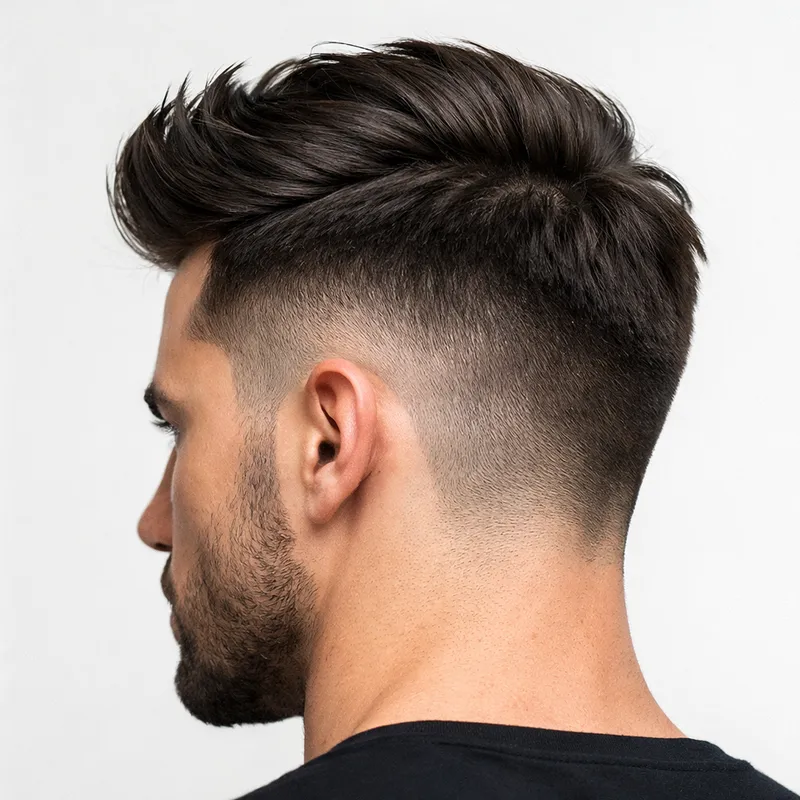
How to Cut with Oster Hair Clippers (Repeatable Workflows)
Good home haircuts aren’t about talent — they’re about repeatability. When you use the same sequence every time, your results get cleaner because you remove randomness. Below are three workflows you can actually follow without feeling like you need a barber license.
Workflow A: Clean buzz cut (easy win)
- Start longer than you think. Your mirror lies; your camera doesn’t.
- Go against hair growth with slow, overlapping passes (no rushing).
- Change angle around the crown — it grows in a swirl.
- Check in bright light. Shadows hide patchy spots.
- Finish edges (ears + neckline) with short, controlled strokes.
Workflow B: Beginner fade (lower risk)
- Use the fade plan builder above and follow zones instead of improvising.
- Use light pressure: pressing harder creates uneven density, not blending.
- Erase lines in small passes. Big passes create new lines.
- If you get stuck: stop and do a “softening” pass one guard higher.
Workflow C: Barber-style two-clipper system (best quality)
- Use a detachable clipper for bulk removal and consistent length setting.
- Use a lever clipper for blending and line removal.
- The goal isn’t more tools — it’s the right tool at the right moment.
Maintenance That Prevents Pulling, Heat, and Uneven Cutting
Most people blame “bad clippers” for problems caused by friction. Hair dust builds up fast, and a dry blade drags — especially on thick hair. If you want your Oster clipper to feel smooth, treat maintenance like part of the haircut.
After every haircut (5-minute routine)
- Brush out hair debris from the blade teeth and behind the cutter.
- Oil the blade lightly, run for a few seconds, then wipe excess.
- Disinfect with a clipper-safe spray (especially if shared in the household).
- Store dry so you don’t trap moisture in the cutting assembly.
When blades get hot fast
- Oil first. Heat is often friction, not “weak power.”
- Clean the blade channel. Hair dust + oil can turn into paste.
- Rotate blades if you own more than one (one cools while one works).
- Use lighter pressure. Pressing harder increases friction dramatically.
If your clipper suddenly feels rough, assume “dirty or dry blade” before assuming you need a new tool. That one assumption saves most people money.
Troubleshooting Helper (Tap Symptoms)
Tap the symptoms you’re seeing. You’ll get the most likely cause and the fastest fix. This is optimized for home use — not vague “maybe it’s broken” advice.
Pick a symptom
You’ll see a short “do this now” fix plus the deeper cause to prevent it next time.
If you share clippers: use a disinfectant spray between users. Skin irritation usually comes from hygiene mistakes, not “sensitive skin.”
Before You Buy: Avoid Counterfeit Risk and Buyer Regret
Popular grooming products attract low-quality copies. The danger isn’t just durability — it’s performance: uneven cutting, excessive heat, noisy operation, and guards/blades that don’t fit correctly. If you’re buying online, verify quickly while returns are still easy.
- Packaging and labels look clean (no blurry printing, no misspellings).
- Parts fit properly (guards lock on, blades seat cleanly).
- Motor sound is steady (not rattly or inconsistent).
- Blade doesn’t overheat immediately during a short test.
- Use sellers with clear returns and transparent listings.
- Don’t pick the cheapest listing if details feel vague.
- If you need it for a deadline: buy earlier than you think so you can exchange if needed.
Recommended internal reads (keep users on-site)
FAQs: Oster Hair Clippers
These are the questions that actually affect results: which clipper type fits your goal, how to avoid going too short, why pulling happens, and what “cordless” changes in real use.
Are Oster hair clippers good for home haircuts?
Yes — if you match the clipper type to the job. Lever-style clippers are usually easier for fades because they help you erase lines. Detachable systems feel great for bulk removal and consistency, but they work best when you accept that blades are part of the system (clean + oil + sometimes rotate).
What’s the difference between a detachable blade clipper and an adjustable lever clipper?
Detachable clippers set length by swapping blades. Adjustable clippers set length by moving a lever and using guards. If you want fades and blending, the lever approach is usually simpler. If you want speed and consistent bulk removal, detachable systems shine.
Which Oster clippers are best for fades?
For most people, a Fast Feed-style adjustable clipper is the easiest fade path because lever micro-steps help you remove lines without going too short. If you prefer detachable systems, you can still fade — but it typically requires more blade knowledge and more careful transitions.
Why do clippers pull hair?
Pulling is usually friction: dirty blades, dry blades, or blades that need alignment/sharpening. Start with a full clean + oil routine. If pulling persists after proper maintenance, then consider blade wear or a blade that isn’t seated correctly (especially on detachable systems).
How do I avoid going too short with detachable blades?
Use the blade helper on this page, start with a longer blade than you think, and test a small hidden area first. The biggest mistake is assuming blade numbers work like guards — they don’t. When in doubt: start longer, then step down.
Is cordless better than corded?
Cordless is better for self-cuts and tight angles because you move freely. Corded is better for long sessions because it’s simple and consistent. The “best” depends on your workflow — and cordless rewards good maintenance even more than corded does.
Tip: If you want the cleanest look with the least risk, get the haircut shape set professionally once, then maintain it at home.

One last thing: a “clean fade” is a process
The difference between a rough DIY cut and a clean-looking cut is rarely the clipper model alone. It’s the plan: set zones, reduce lines, check under bright light, and keep blades cutting smoothly. If you use the selector, follow the fade plan, and keep blades clean + oiled, you’ll get noticeably better results — even on your first serious attempt.