
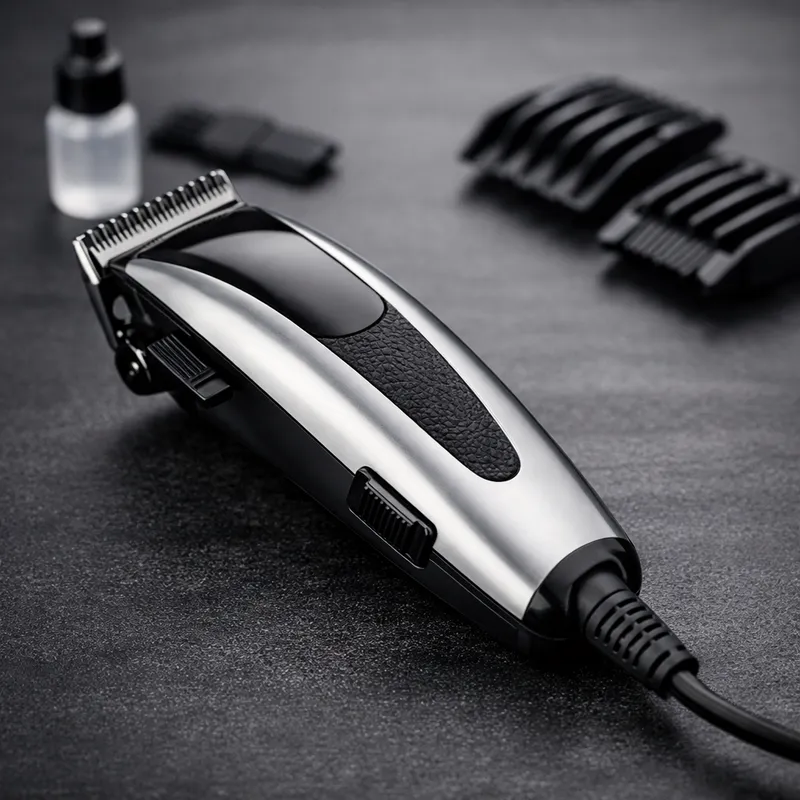
If you are tired of patchy shaves, irritated skin or a beard that never looks quite finished, you are not alone. The right electric shaver and trimmer can change your grooming routine from a chore into a quick, clean and predictable part of your day. In this guide you will learn how to choose the best electric shaver and trimmer for your face, your lifestyle and your budget, and how to get the most out of whatever you already own.
Electric shaver vs trimmer: what’s the real difference?
Before you compare models, you need to be clear about what you want your tool to do. Electric shavers and trimmers look similar, but they are built for different jobs.
What an electric shaver is designed to do
An electric shaver is built to give you a clean, close shave on your cheeks, neck and sometimes your head. The goal is to remove visible stubble and leave the skin as smooth as possible, like a classic wet shave but usually quicker and with less mess.
- Best for: daily or near-daily clean shaves, office-ready faces, bald head shaves.
- Key feature: cutting elements sit behind a foil or inside rotating guards to protect your skin while cutting whiskers very short.
- Typical use: used on short stubble, not on long, dense beards.
What a trimmer is designed to do
A trimmer is built to control length and shape, not to shave down to skin level. It lets you maintain stubble, shape a beard, define edges and tidy sideburns and necklines.
- Best for: beards of any length, designer stubble, moustaches, goatees, sideburns, body hair.
- Key feature: adjustable guards or fixed combs that set the length of the cut.
- Typical use: used every few days to maintain shape, sometimes combined with a shaver for the cheeks and neck.
In practice, many men benefit from both: a shaver for smooth areas and a trimmer for everything that needs shape and control.
Foil vs rotary electric shavers: which type suits you?
Most electric shavers fall into two main categories: foil and rotary. They cut differently and feel different on the skin. Choosing the right type is the first big decision.
Foil shavers
Foil shavers use straight oscillating blades that sit under a thin metal foil. The foil has tiny holes that capture hair while protecting your skin from the blades.
- Shaving motion: short, straight strokes (up and down or side to side).
- Skin feel: usually a bit closer and more precise on flat areas like cheeks and neck.
- Noise: often a bit louder and “buzzier”.
- Best for: men who shave daily or almost daily, have straight or slightly wavy facial hair and like clean, sharp lines.
Rotary shavers
Rotary shavers use circular cutting heads that spin under protective guards. Hairs slip into the slots and are cut by rotating blades.
- Shaving motion: gentle, circular motions, following the curves of your face.
- Skin feel: often more forgiving on contours like the jawline and chin.
- Noise: usually a bit quieter and smoother in sound.
- Best for: men who do not shave every day, have thicker or more irregular beard growth, or want comfort over the absolute closest shave.
As a rule of thumb, if you prefer precision and sharp lines, start by looking at foil shavers. If your main priority is comfort over tricky contours, rotary shavers are often easier to live with.
How to choose the right electric shaver for your skin and beard
You will see a lot of marketing terms, but a good shaver choice comes down to a few clear factors. Think about these before you look at price or brand.
1. Your skin type
Your skin should decide more than the box description does. Sensitive or easily irritated skin needs extra protection and a gentle routine.
- Sensitive skin: look for models that allow wet and dry use so you can shave with gel or foam. Flexible heads that pivot and adapt to your face pressure help avoid dragging and redness.
- Normal skin: you can choose almost any quality shaver; focus on battery life and closeness.
- Oily or acne-prone skin: choose shavers that are easy to rinse thoroughly. A clean head is crucial to avoid bacteria build-up.
2. Your beard density and growth pattern
Thicker, denser beards need more power and sharper cutting elements. Patchy or lighter growth is usually easier to manage but benefits from precision heads.
- Thick, coarse beard: choose higher-end models with strong motors and multi-directional cutting elements. They remove more hair in fewer passes.
- Fine or light beard: mid-range models are often enough; focus on comfort and smoothness.
- Irregular or multi-directional growth: a pivoting head and multiple cutting directions help lift and cut stubborn hairs.
3. Wet & dry vs dry-only shaving
Modern electric shavers are either dry-only or wet & dry.
- Dry-only: faster to use, usually safe to use in most places except the shower. Often slightly cheaper.
- Wet & dry: safe to use with foam, gel or in the shower. Good if your skin prefers lubrication and softening.
If you tend to get redness, ingrown hairs or razor bumps, a wet & dry model gives you more room to experiment with shaving creams and techniques that reduce friction.
4. Battery life and charging options
Nothing ruins a morning faster than a dead shaver. Look at:
- Runtime: aim for at least 40–60 minutes of cordless use per charge; frequent travelers may appreciate 90 minutes or more.
- Quick-charge: some models give a single shave with just a few minutes of charging, which is very useful if you forget to plug it in.
- Charging base vs cable: a dock can be convenient on your bathroom counter, while a simple cable is easier to pack.
5. Ease of cleaning and maintenance
A shaver is only as good as its blades and hygiene. Over time, trapped hair and skin cells dull blades and irritate your skin.
- Waterproof design: if the head can be rinsed under the tap, cleaning becomes much easier.
- Cleaning stations: premium models may include a dock that cleans, dries and lubricates the shaver. Handy if you want low effort.
- Replacement parts: check how often the brand recommends changing foils, heads or blades and how easy they are to buy.
6. Comfort features
Small details can make a big difference in daily use.
- Pivoting head: helps maintain contact along the jawline and neck.
- Flexible foils or independent cutting elements: improve comfort, especially if your face has strong contours.
- Ergonomic grip: rubberized or textured handles reduce slipping when your hands are wet.
- Travel lock: prevents accidental power on in your bag.
How to choose the right trimmer for your beard and hairstyle
With trimmers you are working with shape and length, so precision matters. Think about how you like your beard to look on its best day and choose a trimmer that can reliably achieve that style.
1. Length settings and guards
The cornerstone of any good trimmer is how well it controls length.
- Range: check the minimum and maximum length (for example 0.5 mm up to 20 mm). This tells you whether it can handle short stubble and longer beards.
- Steps: closer adjustments (0.5 mm steps) give you more control over fading and blending.
- Fixed combs vs adjustable dial: some trimmers come with many separate guards; others have one main guard you adjust with a dial. Dials are cleaner and harder to lose, but separate guards can be more durable.
2. Blade material
Blades do the real work. Good materials cut cleaner and stay sharp longer.
- Stainless steel: common and reliable if you clean and oil them occasionally.
- Titanium-coated: tend to be more durable and resist corrosion.
- Ceramic: stay sharp and can run cooler, but may be more fragile if dropped.
3. Corded vs cordless
Both have their place and many trimmers today offer both options.
- Corded: consistent power, no need to charge, good for long sessions or professional use.
- Cordless: more freedom of movement and easier for travel; just make sure the runtime covers your typical grooming session with a margin.
4. Versatility and attachments
Think about everything you plan to groom, not just your beard.
- Detail trimmer head: useful for outlines, moustaches and tight areas under the nose.
- Body hair combs: longer guards for chest, torso and underarm hair.
- Precision or T-blade: wider, sharper shape for crisp edge ups and hairline work.
5. Grip and control
Because trimming is about lines and symmetry, you want a tool that feels stable in your hand.
- Weight: a bit of weight improves control, but it should not feel tiring to hold.
- Handle shape: slim enough to rotate easily as you work around your face.
- Button placement: ideally you can switch it on and off without changing your grip.
Best electric shaver and trimmer setups for different grooming styles
Instead of asking for the single “best” shaver or trimmer, start from the style you actually wear. Here are practical combos that work well for common looks.
1. Clean-shaven professional look
If you keep your face clean most days and maybe wear a very short stubble on weekends, aim for a simple, sharp setup.
- Main tool: mid to high-end foil shaver with a pivoting head.
- Secondary tool: compact trimmer for sideburns and neckline.
- Routine: daily or every-other-day shave on short stubble; weekly trim for sideburns and back of the neck.
2. Short stubble or “5 o’clock shadow”
For that classic rugged but clean style, precision length control is everything.
- Main tool: beard trimmer with 0.5 mm steps between roughly 0.5–5 mm.
- Secondary tool: optional electric shaver or razor to clean the cheek lines and lower neck for contrast.
- Routine: trim every 2–3 days to keep the stubble even; tidy edges when they start to look soft.
3. Medium to long full beard
A good full beard needs clear shape and neat edges, otherwise it simply looks overgrown.
- Main tool: powerful trimmer with longer guards (up to 20 mm or more).
- Secondary tool: detail trimmer or precision attachment for moustache and lip line.
- Routine: trim the bulk once or twice a week; use the shorter guard or no guard at all to crispen cheek and necklines.
4. Fades, tapers and sharp hairlines
If you like modern hairstyles with fades or tapers, using the right trimmer can help you stretch out the time between barber visits.
- Main tool: clipper-style trimmer with multiple guards and a lever or dial for half steps.
- Secondary tool: T-blade or precision trimmer for hairline and beard connection.
- Routine: clean up the neckline and around the ears every 7–10 days; refresh the fade when it starts to blur.
5. Bald or buzzed head with beard
Many men pair a shaved or buzzed head with a strong beard. This combination looks sharp if both are kept deliberate.
- Main tool: electric head shaver or a waterproof foil shaver for the scalp.
- Secondary tool: robust beard trimmer matched to your beard length.
- Routine: shave the head every 1–3 days depending on how quickly your hair shows; keep the beard shaped weekly.
How to use an electric shaver for a closer, more comfortable result
Even the best shaver will give poor results if you use it in a rush or on irritated skin. A few small changes in technique can noticeably improve both closeness and comfort.
Preparation
- Shave after a shower: warm water softens hair and opens pores, making whiskers easier to cut.
- Keep your shaver clean: rinse or brush out trapped hairs after each use. A clogged head tugs instead of cutting.
- Dry vs wet: if you use a dry-only shaver, make sure your face is dry and free of oils or heavy moisturisers. For wet & dry, apply a thin layer of shaving gel or foam.
Technique
- Stretch the skin: use your free hand to gently pull the skin tight so hairs stand up and the shaver can reach them.
- Use the right motion: with a foil shaver, move in short, straight strokes against the grain; with a rotary shaver, use small circular motions.
- Apply light pressure: press just enough to maintain contact but not so hard that the foil or guards flex deeply into the skin.
- Work systematically: start with easier, less sensitive areas like the cheeks, then move to the neck and chin. This keeps the battery and blades at their best for tougher spots.
Aftercare
- Rinse and dry: clean the shaver head according to the manual and let it dry fully.
- Use a gentle aftershave: alcohol-free balms soothe irritation without stinging or drying your skin.
- Moisturise: a light moisturiser helps your skin recover, especially if you shave frequently.
How to use a trimmer for sharp lines and an even beard
Trimming is less about speed and more about control. Take a little more time, especially when you define your lines. That is what people really notice.
Step-by-step: even stubble or short beard
- Start longer than you think: attach a guard slightly longer than your target length and trim your entire beard. You can always go shorter, but you cannot put hair back.
- Work with the grain first: follow the direction your hair grows to reduce tugging, especially if it is long.
- Then go against the grain: once the bulk is reduced, move the trimmer against growth to catch stray hairs and even the finish.
- Check symmetry in the mirror: look straight ahead, then tilt your head slightly; adjust any areas that look patchy or uneven.
Defining cheek and neckline
Clean lines separate a deliberate beard from simple overgrowth.
- Cheek line: imagine or lightly draw a line from the top of your ear towards the corner of your mouth, then adjust to suit your face. Use the bare trimmer (no guard) or a detail head to shave above that line.
- Neckline: look straight ahead and place two fingers above your Adam’s apple. That point is where most necklines should sit. Trim everything below, curving the line gently up towards your ears.
Maintaining moustache and lip line
A clean lip line makes a big difference in how tidy your beard appears.
- Comb the moustache down and trim any hairs that hang over the lip.
- Use a shorter guard or the bare blade just at the edges to define the shape without thinning it too much.
Care and maintenance: make your shaver and trimmer last longer
Regular maintenance does more than save money. It also keeps your skin healthier and your results more consistent.
After every use
- Remove loose hairs: tap the head gently or use the cleaning brush provided.
- Rinse if waterproof: open the head and rinse under warm water. Shake off excess and let it air dry.
- Check for build-up: if you see visible residue, use a drop of mild soap while rinsing.
Weekly
- Disinfect: use a dedicated clipper spray or a small amount of rubbing alcohol on the blades to reduce bacteria.
- Oil the blades: if your trimmer or shaver requires oil, apply a drop or two while the motor runs, then wipe away any excess.
Every few months
- Inspect blades and foils: look for nicks, bends or dullness. If the shaver is pulling instead of cutting, it is probably time to replace the cutting parts.
- Replace guards if cracked: damaged guards can leave uneven patches or scratch your skin.
Quick checklist: how to choose the best electric shaver and trimmer for you
When you are ready to decide, run through this simple checklist so you do not get lost in marketing language.
- Decide your main style: clean-shaven, stubble, full beard, bald head, or a mix.
- Match shaver type to your routine: foil for precision and daily use, rotary for comfort and less frequent shaves.
- Match trimmer features to your beard: length range, step size and attachments you will actually use.
- Consider your skin type: sensitive skin benefits from wet & dry models and flexible heads.
- Check battery life and charging: enough runtime for several shaves or trims, plus quick-charge if you are forgetful.
- Look at cleaning and maintenance: easy rinsing or a cleaning station if you want minimal effort.
- Think long term: availability and price of replacement blades, foils and guards.
Once you simplify the decision to these points, choosing the best electric shaver and trimmer for your needs becomes much easier, and your daily grooming will feel more controlled and predictable.
FAQ: Best electric shaver and trimmer for men
Is an electric shaver or a trimmer better for daily use?
It depends on the look you want. For a clean, smooth face, an electric shaver is better for daily use. If you prefer visible stubble or a beard, a trimmer is more useful and you can combine it with a shaver for edges.
Do electric shavers work well on sensitive skin?
Yes, many modern electric shavers are designed for sensitive skin. Look for wet & dry models, flexible heads and sharp cutting elements. Shaving with gel or foam and keeping the shaver very clean will also reduce irritation.
How often should I replace the blades or foils on my electric shaver?
Most brands recommend replacing foils and cutting elements every 12 to 18 months, depending on how often you shave and how coarse your beard is. If the shaver starts to pull, feel hot or require many more passes, it is time to replace them.
Can I use the same trimmer for my beard and body hair?
You can, but it is better to dedicate specific guards or attachments to each area for hygiene and comfort. If you trim body hair regularly, consider a trimmer that includes body-specific combs and can be rinsed easily.
Is a more expensive electric shaver always better?
Not always. Higher prices often bring more power, comfort features and accessories, but the best choice is the one that suits your beard, skin and routine. A mid-range model chosen for your needs can outperform a premium one that does not match your style.