
Best Electric Razor for Men and How to Choose the Right One
You want a clean, comfortable shave without burning half an hour in the bathroom every morning. The problem is simple: there are dozens of electric razors for men, each promising the “closest shave ever”. Most of them feel the same once you unbox them.
In this guide, you will see what actually matters when choosing an electric razor, how to match a shaver to your skin and beard type, and which models tend to work best for different situations: daily office shave, sensitive skin, heavy stubble or shaping a beard.
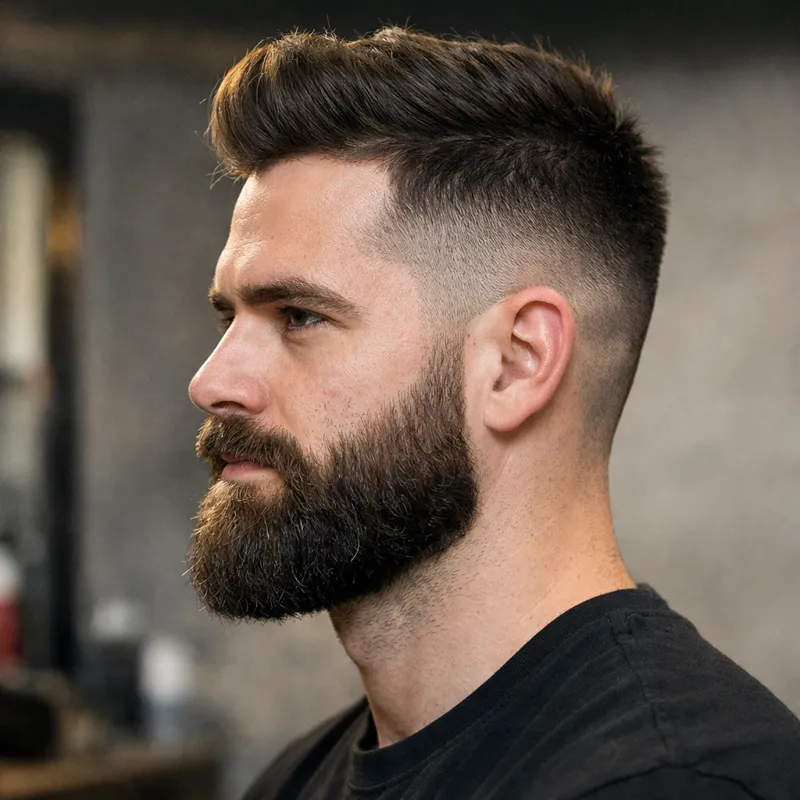
Electric razor vs. traditional shave: which is better for you?
Before you look at features and price tags, you need to be clear about why you want an electric razor in the first place. The electric option is not automatically “better”; it is better if it fits your routine and your skin.
When an electric razor makes sense
- You want to cut shaving time down to 5–10 minutes.
- Your skin is sensitive to blades and you often get nicks or irritation.
- You shave in the morning rush and need a quick dry shave.
- You travel often and need a compact, cordless option.
- You like maintaining a short beard and want precise edging.
When a manual razor might still win
- You shave only once every few days and love barber‑shop close results.
- Your beard is very coarse and grows in many directions, and you enjoy a slow, traditional wet shave.
- You already have a good pre‑shave and post‑shave routine that keeps irritation low.
Most men end up using a mix: an electric razor for fast, predictable daily shaves and a manual razor for the occasional ultra‑close weekend or event shave.
Foil vs rotary electric razors: how to choose the right system
Almost every electric razor falls into one of two families: foil or rotary. Understanding the difference is the first big decision, because it sets the way the razor behaves on your face.
Foil electric razors
A foil razor uses straight heads covered with thin metal foils perforated with small holes. Hairs enter through the holes and are cut by blades moving back and forth underneath.
Pros of foil shavers
- Excellent for straight, up‑and‑down or side‑to‑side strokes.
- Great for daily shaving and shorter stubble.
- Often a bit gentler on sensitive skin when used correctly.
- Easier to line up sharp edges on sideburns and beard lines.
Cons of foil shavers
- Less flexible around the jawline if the head does not pivot well.
- Can struggle a bit more with longer, flat‑lying hairs.
Rotary electric razors
Rotary razors usually have three circular heads. Each head has spinning cutters underneath a perforated guard. You move the razor in small circles instead of straight lines.
Pros of rotary shavers
- Follow the contours of your face and neck easily.
- Handle longer stubble better, which is helpful if you do not shave every day.
- Good for beards that grow in many directions.
Cons of rotary shavers
- Less precise when you want ultra‑clean lines or sharp edges.
- Some men feel more post‑shave warmth or irritation if they press too hard.
Rule of thumb: if your priority is a fast, clean daily shave with straight strokes and tidy edges, choose a foil razor. If your beard grows in multiple directions and you skip days between shaves, a rotary razor often feels more forgiving.
Key factors when choosing the best electric razor for men
Once you know whether you lean foil or rotary, the next step is to check the details that actually change your shaving experience. Focus on these criteria instead of just counting blades or chasing the highest price.
1. Your skin type and sensitivity
If you have sensitive skin, you already know it: redness, burning and small bumps show up easily, especially on the neck and under the jaw.
- Sensitive skin: look for razors marketed as “gentle” or “for sensitive skin” with flexible heads, multiple power levels and the option to use shaving cream or gel.
- Normal to oily skin: you can use almost any decent mid‑range or high‑end model; focus more on speed and closeness.
- Skin with acne or razor bumps: prioritise very sharp blades, a protective foil and wet & dry use so you can shave with a slick layer of foam or gel.
2. Beard density and growth pattern
Some beards are light and soft; others are thick, wiry and stubborn. That difference matters more than brand names.
- Light or patchy beard: you will be comfortable with most mid‑range foil razors; you do not need the most powerful motor.
- Medium beard, daily shave: aim for a mid‑to‑high‑range foil with a pivoting head or a quality rotary with a strong motor.
- Thick, coarse beard: choose a higher‑end model with a powerful motor and multiple cutting elements; many men in this group prefer foil for maximum efficiency or a premium rotary that is rated for three‑day beards.
3. Wet & dry capability
Many modern electric razors can be used for a dry shave or with foam, gel and even in the shower. If your skin is reactive, being able to shave with a thin layer of product is a big advantage.
- If you are always in a rush, dry use is important. Check that the model is designed for dry shaving.
- If you want minimum irritation, choose a waterproof model you can use with gel and rinse under the tap.
- If you travel a lot, a fully washable shaver is easier to clean away from home.
4. Battery life and charging options
Running out of power with half a cheek shaved is annoying. Check the basics before you buy:
- Runtime: aim for at least 40–60 minutes of cordless use per full charge.
- Quick charge: many good razors give you a 5‑minute charge for one shave.
- Charging stand or cable: decide if you want a full dock or a simple cord to save counter space.
- Travel lock: a small but useful feature that prevents the razor from switching on in your bag.
5. Comfort features and head flexibility
Comfort is all about how the razor head moves and how easily it glides over your face.
- Look for pivoting or multi‑directional heads that follow the jawline and neck.
- Check if it has different power levels or a “sensitive” mode.
- Rounded edges and skin guards help reduce scratching and pressure points.
6. Maintenance, cleaning and replacement parts
Every electric razor needs cleaning and occasional blade or head replacement. If you skip this, performance drops quickly.
- Cleaning: some models come with self‑cleaning stations, others are rinse‑under‑water only.
- Replacement foils and blades: check how often they should be changed (often 12–18 months) and the approximate price.
- Availability: choose brands and models with easily available parts; obscure models can be cheap at first but costly to maintain.
7. Noise, size and ergonomics
Noise level and grip do not appear on the spec sheet, but they affect daily use more than you think.
- Foil razors often sound sharper; rotary models tend to have a lower hum.
- Look for a handle that feels secure in wet hands and is not too bulky if you have smaller hands.
- A travel case is useful if you keep your razor in a gym bag or suitcase.
Types of electric razors for different lifestyles and beards
You do not need the same razor if you shave every day for the office as the guy who keeps a short stubble and cleans his neck once or twice a week. Matching your razor to your lifestyle avoids overspending and under‑using features.
Daily clean‑shave worker
If you shave every morning for a professional look, focus on comfort and speed.
- Mid‑to‑high‑end foil razor.
- Pivoting head and sensitive mode.
- Wet & dry use, so you can adapt to your skin.
- Quick‑charge option for rushed mornings.
Three‑day stubble guy
If you like the three‑day stubble look, you do not need to chase baby‑smooth skin.
- Rotary razor designed for longer hairs, or
- A hybrid device with shaver and stubble trimmer heads.
- Built‑in trimmer for cheeks and neckline.
Beard with clean edges
You wear a beard but keep the cheeks, neck and moustache lines defined.
- Foil razor with a precise edge and low profile head, or
- A detail trimmer attachment or separate beard trimmer.
- Good visibility around the cutting area to see your lines.
Frequent traveller
If you are often on the road, durability and charging flexibility matter.
- Compact size with a hard case.
- Universal voltage or USB charging.
- Long battery life and travel lock.
Features that are nice to have (but not mandatory)
Many men get lost in secondary features and forget the basics. Here is how to see past the marketing and decide what is really useful for you.
- Self‑cleaning station: convenient if you shave daily and want minimal effort. Not essential if you are happy to rinse and brush the head yourself.
- LED screens and battery indicators: useful, but a simple low‑battery light is usually enough.
- Multiple speed settings: handy if you switch between cheeks (fast) and neck area (gentle).
- Travel cases and stands: good for organisation; not worth paying a big premium if you rarely travel.
- Special “turbo” modes: can help with very dense areas, but they are not a must if the core motor is strong.
Prioritise a solid motor, quality blades and a comfortable head design first. Add extras only if they solve a real problem for you, like lack of time or limited bathroom space.
How to get the best shave from your electric razor
Even the best electric razor for men will give poor results if you rush the process or skip basic prep. A few small changes can dramatically improve closeness and comfort.
Pre‑shave preparation
- Wash your face with warm water and a gentle cleanser to remove oil and dirt.
- If you are dry shaving, make sure the skin is completely dry before starting.
- Consider a dedicated pre‑shave lotion if your skin is sensitive; it helps hairs stand up and reduces friction.
Shaving technique with foil razors
- Use straight, controlled strokes against the direction of hair growth.
- Hold the skin slightly taut with your free hand on the neck and jawline.
- Do not press hard; let the foil and blades do the cutting.
- Go over tricky spots (Adam’s apple, under the jaw) from different angles.
Shaving technique with rotary razors
- Move the razor in small, gentle circles, covering each area slowly.
- Vary direction slightly to catch hairs growing sideways or in swirls.
- Reduce pressure; pushing too hard causes irritation and does not improve closeness.
Post‑shave care
- Rinse your face with cool water to calm the skin.
- Pat dry gently with a clean towel; avoid rubbing.
- Apply an alcohol‑free aftershave balm or moisturiser to hydrate and reduce redness.
- Clean your razor head after every shave following the manufacturer’s instructions.
Budget levels: how much should you spend on an electric razor?
You can find electric razors at many price points. Spending more does not guarantee a better shave for you personally, but there are patterns by budget.
Entry‑level
Best for: light beards, teenagers, backup or travel shaver.
- Basic foil or rotary, usually without wet & dry.
- Shorter battery life, fewer comfort features.
- Good as a first electric shaver to test if you like the feel.
Mid‑range
Best for: most men who shave regularly.
- Better motors and cutting systems.
- Often wet & dry, with flexible heads.
- Decent battery life and build quality.
High‑end / premium
Best for: thick beards, demanding skin and men who shave daily.
- Most powerful motors and advanced head designs.
- Extra comfort features, sensors and smart cleaning stations.
- Worth it if you use the razor every day and keep it for years.
If you have a normal beard and skin, a solid mid‑range model is often the sweet spot between performance and price. Upgrade only if you know you will use the added comfort and features regularly.
Electric razor maintenance checklist
A well‑maintained razor can feel “new” for years. Neglect it, and even an expensive shaver will start pulling hairs and leaving patches.
- Rinse or brush the razor head after every use to remove hair and skin debris.
- Deep‑clean with liquid soap and water regularly if the model is waterproof.
- Use a small amount of light oil on the blades or foils if the manufacturer recommends it.
- Replace foils and cutting elements according to the manual, usually every 12–18 months.
- Store the razor in a dry place; avoid leaving it plugged in constantly if the brand advises against it.
Following this checklist is often the difference between a comfortable two‑minute shave and a frustrating routine that drags on and irritates your skin.
FAQ: Best electric razor for men and how to choose it
How do I choose the best electric razor for my skin?
Start with your sensitivity level. If your skin gets red easily, prioritise razors designed for sensitive skin, with flexible heads and wet & dry use. Combine that with a gentle pre‑shave routine and alcohol‑free aftercare to keep irritation low.
Is a foil or rotary shaver better for thick beards?
Both can work, but many men with thick beards prefer higher‑end foil razors because they cut very efficiently with straight strokes. A good rotary shaver specifically rated for three‑day beards is also a strong option if your hair grows in many directions.
Can an electric razor give as close a shave as a blade?
Manual blades can still achieve the closest possible shave, especially in experienced hands. However, modern high‑end electric razors get close enough for most men, with the advantage of fewer nicks and a much faster, more convenient routine.
How often should I replace electric razor blades and foils?
Most manufacturers recommend changing foils and cutting elements every 12–18 months. If you have a very thick beard, shave daily or notice more pulling and irritation, you may need to replace them a little sooner to keep performance high.
Is a more expensive electric razor always better?
Not necessarily. Higher prices often bring extra comfort features, stronger motors and cleaning stations, but they only make sense if you actually need them. For many men with average beards, a well‑chosen mid‑range razor is the most efficient choice.
Can I use shaving cream with an electric razor?
Yes, if your razor is labelled as wet & dry. Using foam or gel can increase comfort for sensitive skin and help hairs stand up. Never use creams with a razor that is not waterproof; always follow the manufacturer’s instructions.