
Short hairstyles that look sharp (not just “short”)
Short hair is the fastest way to look cleaner, more confident, and more put-together—if the cut is shaped for your hair type, your hairline, and how much effort you actually want to put in each morning. This page is built to help you choose the right short haircut the first time and explain it clearly at the barber chair.
Use this guide like a menu: skim the “At-a-glance” picks, then jump to the styles that match your hair type and lifestyle. Every haircut includes a copy/paste barber request, an easy styling method, and a realistic refresh timeline.
- Zero guesswork: what to ask your barber, in plain English.
- Better grow-out: pick tapers/fades that still look good after week 3.
- Smarter product choices: a minimalist kit that matches your hair type.
No forms here. If you want help choosing, use the “personalized recommendation” button and tell us your hair type + daily styling time.

Short haircuts at a glance (pick by goal)
If you’re overwhelmed by options, choose based on the result you want. “Best haircut” is personal—your hair, your hairline, your face shape, and your effort level matter more than trends. Start here, then jump into the detailed haircut cards below.
Maximum low maintenance
If you want “wake up and go” with almost no styling, go shorter and keep the edges clean.

Professional and versatile
Clean lines, easy styling, and a shape that looks good in casual or formal settings.

Texture without effort
Crops look “styled” even when you keep the routine simple—especially for thick or wavy hair.

A bit of height and shape
Great if you want a stronger silhouette and a more styled look without growing your hair out.
Clean, controlled, and sharp
The modern short slick back is more natural than greasy. It’s about direction and control.
Sharper sides, cleaner grow-out
If your sides “puff out” quickly, the right taper/fade choice can make the cut last longer.
How to choose the right short haircut (hair type + face shape + hairline)
The fastest way to pick a short hairstyle is to start with reality: your hair behavior and your routine. Short hair looks best when it matches what your hair naturally wants to do—then you guide it slightly with the right cut and the right product.
1) Choose by daily styling time
Be honest. The best haircut is the one you’ll actually maintain.
- 0–2 minutes: buzz, crew, crops, high & tight.
- 3–5 minutes: Ivy League, short side part, textured taper.
- 6–10 minutes: short quiff, short slick back (especially if you blow-dry).
2) Choose by hair type
Short hair reveals texture. Use it or control it—don’t fight it blindly.
- Straight: crew, Ivy League, side part, short quiff.
- Wavy: French crop, textured crop, textured taper.
- Curly: short curly top + taper fade (keep curl shape).
- Coily: short afro + temple fade, clean shape + edge control.
- Fine/thinning: shorter cuts and matte texture usually look fuller.
3) Choose by face shape
These are quick rules, not strict laws.
- Round: add subtle height (short quiff, Ivy League), keep sides tighter.
- Long/oblong: avoid too much height; crops and crews balance well.
- Square: most short cuts work; keep the top slightly textured for a modern finish.
- Oval: you can wear almost anything—choose by lifestyle and hair type.
If you only remember 3 things
(1) Decide if you want a taper (subtle, longer-lasting grow-out) or a fade (sharper, higher contrast).
(2) Ask for texture on top if your hair sticks out, looks bulky, or gets “helmet-like.”
(3) Match the haircut to your routine—short hair still needs maintenance, especially at the edges.
One more thing most guides ignore: hairline and crown behavior. If you have a receding hairline, a forward style (crop/fringe) can soften the look. If you have a strong cowlick/crown, extremely short “flat” tops sometimes fight that growth pattern—ask your barber to keep a little extra length where the hair needs it, then blend around it.
Barber language 101 (so you get what you asked for)
Most bad haircuts are communication problems. You and your barber might both hear “short on the sides” and imagine completely different results. Use the terms below and you’ll instantly get clearer outcomes.
Taper vs fade
Taper: the sides/neckline gradually get shorter, but you keep hair. More natural and usually grows out better.
Fade: the hair blends down much shorter (sometimes to skin). Higher contrast and a sharper look.
If you want a cut that still looks clean after week 3, a taper often wins.
Low / mid / high
This describes where the taper/fade starts.
Low: subtle, professional, longer-lasting.
Mid: balanced and modern.
High: bold, sharper, and shows more scalp/skin.
Guard numbers (quick guide)
Guard lengths vary slightly by brand, but the feel is consistent.
- #0.5–#1: very short / close
- #2–#3: short but clearly visible
- #4–#6: “long buzz” territory (great for easy grow-out)
Texture (the secret weapon)
“Short” isn’t a style. Shape and texture are. If your hair looks puffy, bulky, or too flat, ask for: texturizing with scissors (point cutting) instead of removing random chunks with thinning shears.
Neckline, edges, and line-ups
Natural neckline: softer grow-out (most forgiving).
Squared neckline: sharper look, but grows out faster.
Line-up/shape-up: crisp edges; looks great on the right hairline, harsh on others.
Drop fade (why it’s popular)
A drop fade curves lower behind the ear and follows the head shape. It can look cleaner from the side profile and reduces that “too high in the back” feel some guys hate.
Reference photos: how to use them properly
Bring 2–3 photos and point to the exact details you want: the fade height, the top length, and the finish (matte vs shiny). Then ask a simple question: “Will this work with my hairline and crown?” That one sentence prevents a lot of disappointment.
Best short hairstyles for men (with barber scripts)
Below are the most useful short haircuts to know. These aren’t random trends—they’re the core short styles that barbers can execute consistently. Each one includes a clear request, basic styling, and a realistic maintenance schedule. If you want an “easy win,” start with crew cut, Ivy League, or a textured crop with a low taper.
Buzz Cut (Uniform)
The buzz cut is the purest version of “short.” It’s clean, low maintenance, and removes the daily styling problem entirely. The key difference between a great buzz cut and a “just shaved” look is edge control: neckline, sideburns, and a tidy outline.
Best for
- Men who want the lowest-maintenance short haircut.
- Fine/thinning hair (shorter often looks cleaner and more confident).
- Hot climates, gym-heavy routines, and fast morning schedules.
What to ask your barber
Say: “I want a buzz cut at a #2 / #3 / #4 all over. Clean, natural neckline. Keep the edges neat—no harsh line-up unless you think it suits my hairline.”
How to style
- No styling needed. Keep your scalp and skin healthy: cleanse, moisturize, and protect in the sun.
Maintenance schedule
- Every 2–4 weeks for a consistently sharp look.
- If you want ultra-clean edges at all times, refresh closer to every 2–3 weeks.
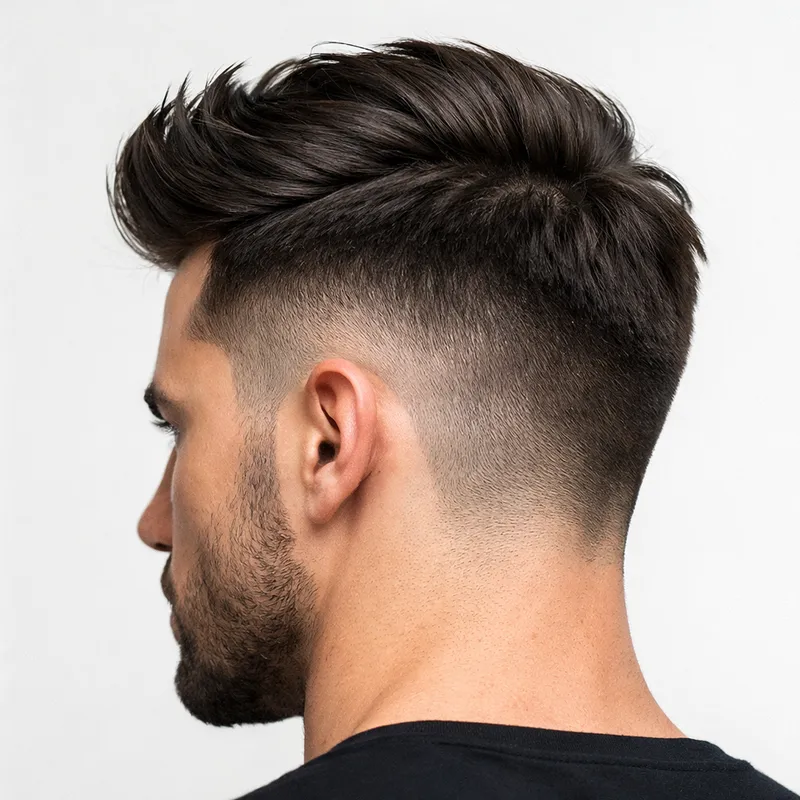
Buzz Cut + Fade (Buzz Fade)
If you like buzz cuts but want more “barbered” style, add a fade. The top stays extremely easy, while the sides create contrast that looks sharper in photos and sharper in real life. This is one of the highest return-on-maintenance haircuts—simple, but intentional.
What to ask your barber
Say: “Buzz cut on top at a #3 or #4, with a low or mid fade on the sides. Keep the blend smooth—no hard shelf.”
How to style
- Usually none. If the top looks dry, use a light moisturizer, not heavy product.
Maintenance schedule
- Fades lose sharpness quickly. Plan a refresh every 2–3 weeks if you want it crisp.
Crew Cut (Classic Short Haircut)
The crew cut is the safest short haircut that still looks styled. It’s short on the sides with a slightly longer top, designed to sit neatly while still letting you add texture. If you want one haircut that works in almost every setting, this is it.
What to ask your barber
Say: “Classic crew cut with a low taper or low fade. Keep about 1 inch (2.5 cm) on top and add light texture. Natural neckline.”
How to style
- Towel-dry until damp.
- Use a pea-sized amount of matte clay or paste.
- Brush up slightly, then pinch the top for texture.
Maintenance schedule
- Refresh every 3–6 weeks, depending on how sharp you like the sides.

Ivy League (Longer Crew Cut)
The Ivy League is a crew cut with enough length to part and style. It’s one of the best “looks expensive” short haircuts because it stays professional while giving you options: neat side part, relaxed brush-up, or slightly messy texture.
What to ask your barber
Say: “I want an Ivy League: keep the front top long enough to side part (around 1.5–2.5 inches). Taper the sides (not disconnected). Add light texture so it doesn’t look flat.”
How to style
- Matte paste for a natural look, or light pomade for a more polished finish.
- Part with a comb, then loosen slightly with your fingers so it doesn’t look stiff.
Maintenance schedule
- Refresh every 4–6 weeks (often longer than a fade because the shape is forgiving).
French Crop (Forward Texture + Fringe)
The French crop is short, textured, and styled forward with a fringe. It’s one of the best short hairstyles for men who want a modern look without daily styling complexity. It also pairs well with thicker hair and can soften the look of a higher hairline when the fringe is cut correctly.
What to ask your barber
Say: “French crop with a textured top and a short fringe. Keep the fringe soft—not a harsh straight line. Low or mid fade, blended.”
How to style
- Work a small amount of matte clay through damp hair.
- Push forward and pinch the fringe for a broken, natural edge.
Maintenance schedule
- Refresh every 3–5 weeks for clean edges and a controlled fringe.
Textured Crop (Modern, Messy-On-Purpose)
The textured crop is the French crop’s more relaxed brother. Instead of a strong fringe line, the front is “broken” and natural. This is a top choice if you want short hair that still feels current—especially if your hair gets bulky on the sides.
What to ask your barber
Say: “Textured crop: keep about 1–2 inches on top, heavily textured, with a natural broken fringe. Low taper or low fade on the sides.”
How to style
- Optional: a light texture spray for grip.
- Matte paste in small amount (less than you think).
- Mess it up, then stop. Over-styling ruins the look.
Maintenance schedule
- Refresh every 3–6 weeks, depending on how tight the sides are.
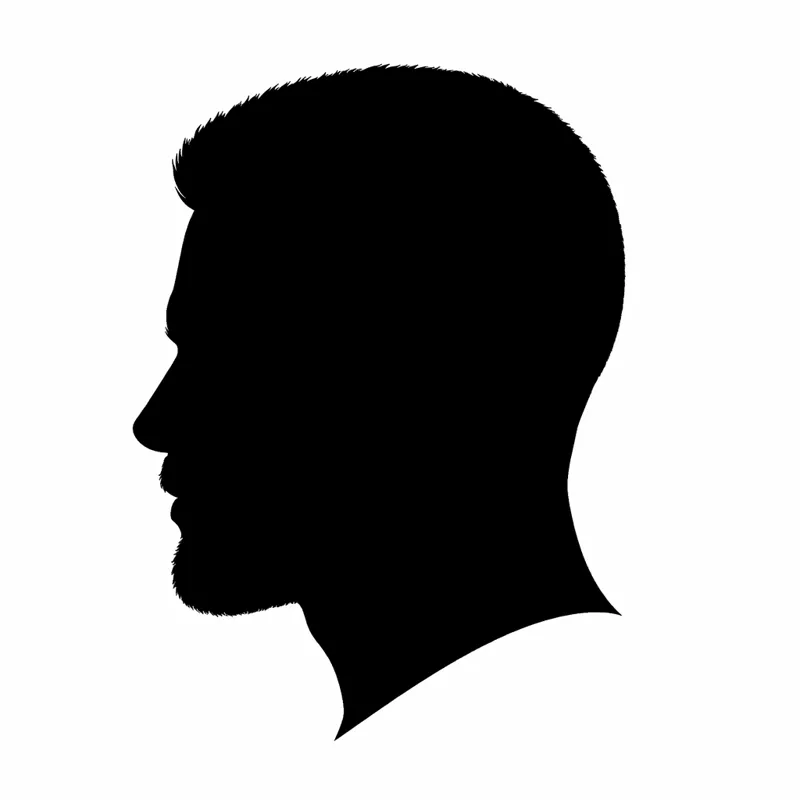
Caesar Cut (Short, Structured Fringe)
The Caesar cut keeps the hair short and directed forward, usually with a compact fringe. It’s clean, simple, and suits men who prefer a structured silhouette. If you don’t want “messy texture,” but you still want a forward style, this is a strong option.
What to ask your barber
Say: “Short Caesar: keep the top short and forward with a compact fringe. Low taper or low fade. Keep it tight around the temples.”
How to style
- Usually none. If needed, use a tiny amount of matte paste for control.
Maintenance schedule
- Refresh every 3–5 weeks to keep the fringe and edges crisp.
High and Tight (Military-Inspired Short)
High and tight means very short sides (often high up the head) and a short top. It’s practical, athletic, and extremely easy to maintain. If you want a bold short haircut that always looks intentional, this is it.
What to ask your barber
Say: “High and tight: take the sides up high with a tight fade. Keep the top short—around #3 to #5 depending on what you recommend for my head shape.”
How to style
- Optional: a tiny bit of matte product to keep the top controlled.
Maintenance schedule
- Refresh every 2–4 weeks. High sides show growth quickly.
Short Quiff (Subtle Height, Big Impact)
The short quiff gives you a stronger profile with just a little lift in front. It’s a great upgrade from a crew cut if you want more style without committing to longer hair. Done right, it looks clean—not “trying too hard.”
What to ask your barber
Say: “Short quiff: keep the front about 2–3 inches so I can lift it. Add texture on top. Low or mid taper/fade, blended—not disconnected.”
How to style
- Damp hair.
- Optional: blow-dry the front up and back for 30–60 seconds.
- Matte clay: small amount, then pinch texture into the front.
Maintenance schedule
- Refresh every 4–6 weeks for the cleanest proportions.
Short Slick Back (Modern, Not Greasy)
The modern short slick back is about direction and control, not a wet helmet. With the right cut, your hair will naturally fall back with minimal effort. If your hair is slightly wavy, this style can look especially good when it’s relaxed and textured.
What to ask your barber
Say: “Short slick back: keep the top long enough to push back (around 2.5–4 inches), with a taper or low fade. Add layering so it lays back naturally.”
How to style
- Natural finish: matte paste or light cream.
- Polished finish: light pomade (avoid heavy shine unless you want a wet look).
- Comb back, then loosen slightly with your fingers for a modern texture.
Maintenance schedule
- Refresh every 4–6 weeks.
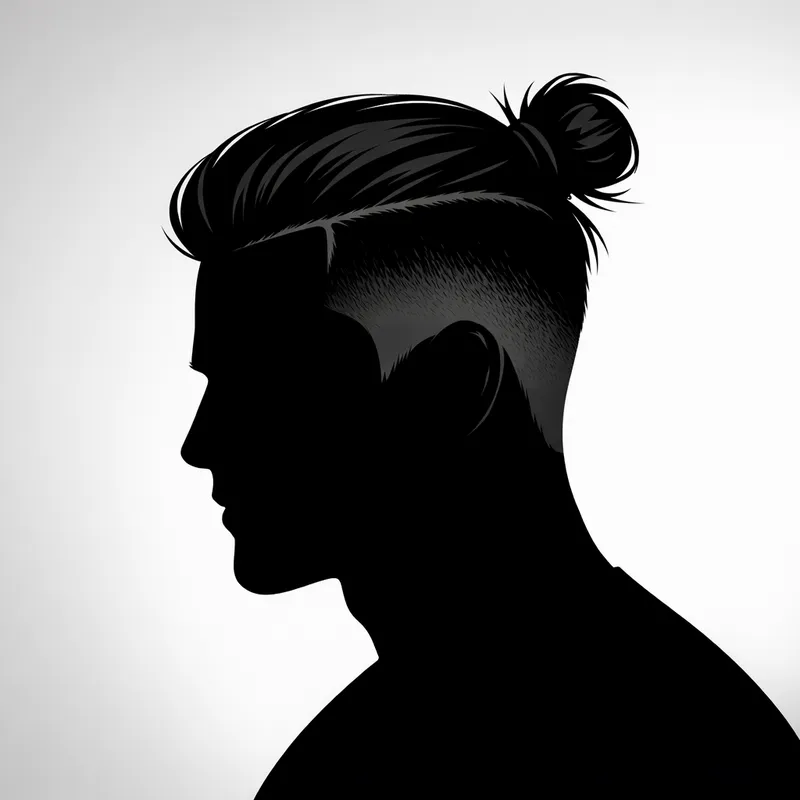
Classic Taper + Side Part (Timeless Short Style)
If you want a short haircut that never looks out of place, this is the one. A taper keeps the sides clean without the harshness of a skin fade, and the side part gives structure. You can style it neat for work or relaxed for weekends.
What to ask your barber
Say: “Classic side part with a low taper. Scissor cut the top and keep it neat. No hard part unless it suits my head shape.”
How to style
- Light pomade for polish, or matte paste for a modern texture.
- Comb into position, then soften it with fingers so it looks natural.
Maintenance schedule
- Refresh every 4–6 weeks.
Textured Taper (Short, Clean, Modern)
“Taper haircut” is one of the most requested men’s haircuts because it’s subtle, clean, and forgiving. The real upgrade is adding texture on top: it prevents the top from looking flat and helps the haircut keep a good shape as it grows out.
What to ask your barber
Say: “Textured taper: keep the sides tapered (not too high), keep the top short with texture, and blend the parietal ridge smoothly so it doesn’t look disconnected.”
How to style
- Matte paste or clay. Use less than you think, then build if needed.
- Finger style for a natural look—this haircut shouldn’t look overly ‘set’.
Maintenance schedule
- Refresh every 3–6 weeks depending on how tight you keep the taper.

Modern Fade + Textured Top (Short, Trend-Proof)
This is the modern short haircut template: a clean fade on the sides and a short textured top. It works because it creates a strong silhouette, but you can dial the intensity up or down by changing fade height (low/mid/high) and top length.
What to ask your barber
Say: “Low or mid fade with a short textured top. Keep the top around 1.5–3 inches. Blend smoothly—no harsh shelf.”
How to style
- Matte clay for texture; optional blow-dry for extra lift.
- Pinch small sections for a natural, piecey finish.
Maintenance schedule
- Refresh every 2–4 weeks if you want the fade looking crisp.
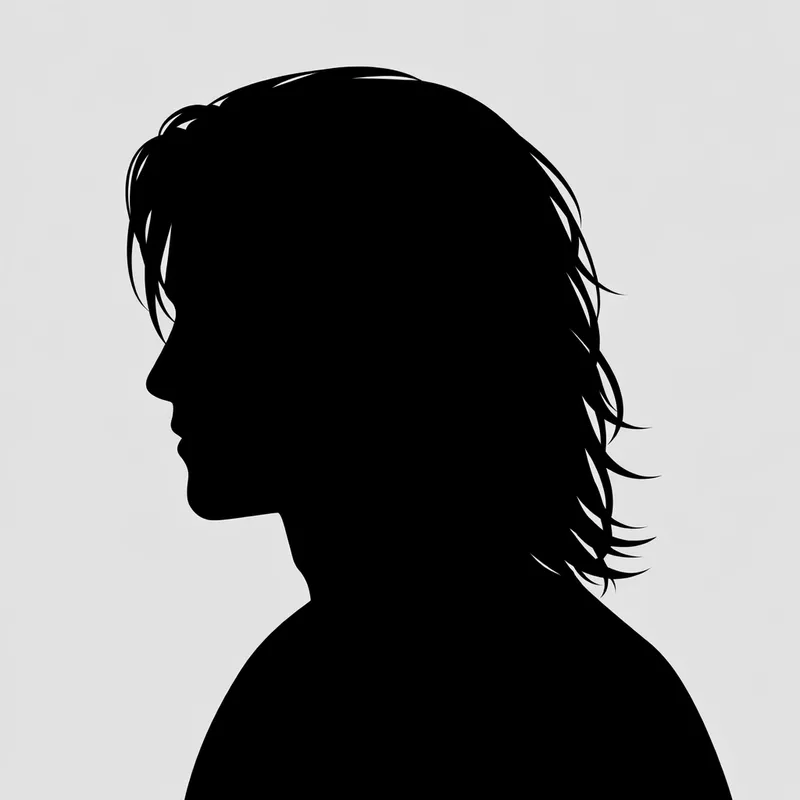
Short Curly Top + Taper Fade (Controlled Texture)
For curly hair, the goal is balance: keep the curl shape on top, keep the sides controlled, and avoid thinning the hair randomly until curls lose definition. A taper or low fade gives you clean edges without turning curls into a frizzy “triangle.”
What to ask your barber
Say: “Keep curls on top and shape them (don’t over-thin). Taper the temples and neckline, or do a low fade. Keep edges clean and blended.”
How to style
- Apply a light leave-in or curl cream to damp hair.
- Scrunch lightly, then let it dry. Add a tiny amount of matte paste only if you need extra control.
Maintenance schedule
- Refresh every 3–6 weeks, depending on how sharp you keep the sides.
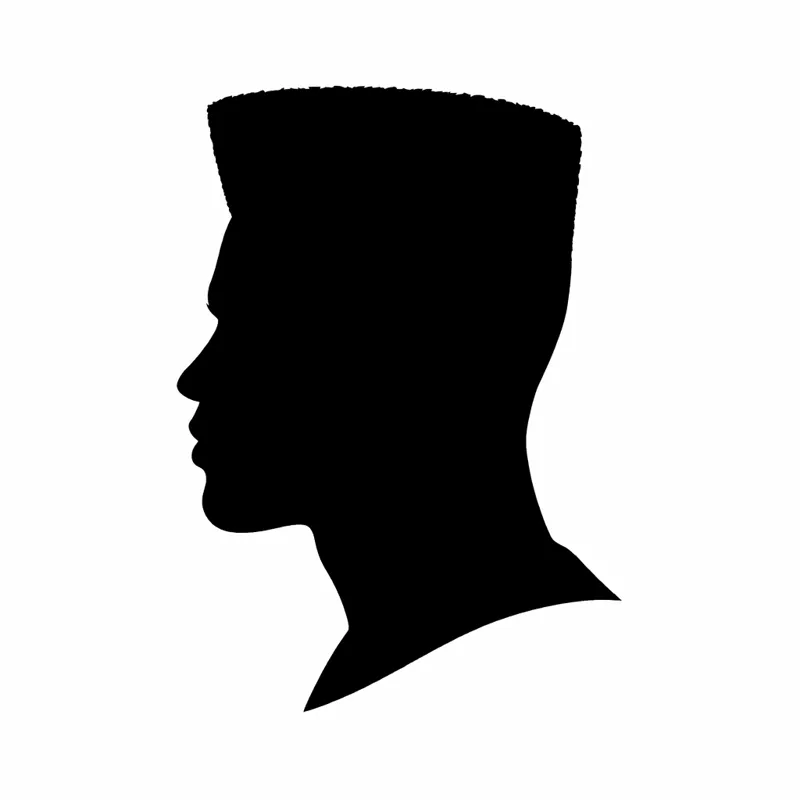
Short Afro + Temple Fade (Clean Shape, Strong Presence)
For coily hair, short styles look best when the shape is intentional. A short afro with a clean outline and a temple fade keeps the look sharp while still letting your natural texture do the work. This is one of the most flattering short options when you want presence without high maintenance.
What to ask your barber
Say: “Short afro shaped on top with a clean outline. Add a temple fade (optional). Line-up only if it suits my natural hairline.”
How to style
- Moisturizer/leave-in for softness and definition.
- Use a pick gently to shape. Avoid heavy waxes that build up.
Maintenance schedule
- Edges often look best with a refresh every 2–4 weeks.
How to pick your “best” option from the list
Choose one haircut that matches your routine and hair behavior, then commit to one maintenance cycle. If you’re between two styles, pick the one with the better grow-out (usually a taper over a high skin fade). After one haircut cycle, you’ll know what to adjust: fade height, top length, or texture amount.
What to ask your barber (universal checklist)
The easiest way to get the haircut you want is to stop requesting “a style name” and start requesting measurable details. Names vary; details don’t. Use this checklist every time—especially if you’re switching barbers or trying a new short hairstyle.
The 30-second barber brief
- Top length: “Keep about X inches on top.”
- Sides: “Low taper / mid fade / high fade (skin or not).”
- Blend: “Smooth blend—no harsh shelf.”
- Edges: “Natural neckline / squared neckline / line-up.”
- Texture: “Add texture so it looks natural and matte.”
Questions worth asking
- “Will this work with my crown/cowlick?”
- “Should we do a taper instead of a fade for better grow-out?”
- “Do I need more weight at the parietal ridge to avoid disconnection?”
- “What product should I use for my hair type—matte or polished?”
What to avoid saying
These phrases are too vague and often lead to disappointing results:
- “Short back and sides.”
- “Just tidy it up.”
- “Make it look good.”
Replace them with guard numbers, fade height, and top length.
Copy/paste barber brief (short hair edition)
I want a short haircut that grows out clean.

• Sides: (low taper / low fade / mid fade), blended smoothly (no harsh shelf).
• Top: keep about (1–3 inches) with texture, so it looks natural (not puffy, not flat).
• Edges: natural neckline and clean sideburns (line-up only if it suits my hairline).
• Styling: I want a matte / natural finish and a routine under (2–5 minutes).
Can you confirm this works with my crown/cowlick and head shape?
Tip: take one screenshot of this brief on your phone. It’s the simplest “insurance policy” against a vague haircut conversation.
Maintenance schedule (how often to refresh + what to do between cuts)
Short hair looks best when the outline stays clean and the proportions stay balanced. That’s why maintenance matters: as soon as the sides grow out, many short haircuts lose the shape that made them look sharp in week one. Use the schedule below to plan realistically—then you’ll never feel like your hair goes from “great” to “messy” overnight.
| Haircut type | Barber refresh | Between-cut maintenance | Why it matters |
|---|---|---|---|
| Buzz cut (uniform) | Every 2–4 weeks | Keep neckline tidy if you’re comfortable; otherwise leave it | Prevents the “grown out” look and keeps edges intentional |
| Buzz cut + fade | Every 2–3 weeks | None needed, but the fade will soften fast | Fades lose crispness quickly |
| Crew cut | Every 3–6 weeks | Light product for texture; brush/comb if needed | Shape stays longer, but sides expand as they grow |
| Ivy League / side part | Every 4–6 weeks | Re-part + small amount of product for direction | Looks professional even as it grows, but needs re-shaping |
| French crop / textured crop | Every 3–5 weeks | Matte product to keep texture controlled | Fringe and edges lose shape sooner |
| Short quiff / short slick back | Every 4–6 weeks | Optional blow-dry 30–60 seconds for direction | Proportions matter: too long on top or too bulky on sides changes the style |
| High & tight / high fade styles | Every 2–4 weeks | None, but growth shows faster | High contrast styles demand frequent cleanups |
Between-cut routine (simple)
- 2–4x/week: shampoo (more if oily scalp, less if dry)
- Every wash: conditioner (short hair still benefits)
- Daily: style with the lightest product that does the job
How to make a short haircut last longer
- Choose a taper if you hate frequent visits.
- Keep the top textured so it still looks intentional as it grows.
- Avoid heavy shine products—matte finishes hide growth better.
DIY warning (quick but honest)
Don’t try to “fix” your fade unless you know what you’re doing. The safest DIY maintenance is a gentle neckline tidy and trimming stray hairs. If you want consistently sharp fades, book refreshes more often.
Product basics (the minimalist kit that actually works)
Most men overbuy products and underuse technique. The goal with short hair is not “more product”—it’s the right finish and just enough hold to guide your natural texture. Start with a simple kit, then upgrade only if you need a specific result.
The 3 essentials
- Shampoo + conditioner: match your scalp (oily vs dry vs flaky).
- One styling product: matte clay/paste or light pomade.
- A comb (optional): useful for side parts and slick backs.
Pick your finish (this decides everything)
- Matte: most modern short haircuts (crops, crew, textured taper).
- Natural/satin: controlled but not shiny (good for Ivy League).
- Shiny: classic slick looks (only if you want that style on purpose).
How much product to use
With short hair, too much product is the #1 styling mistake. Start with a pea-sized amount, rub it fully between palms, apply from back to front, then add a tiny bit more only if needed.
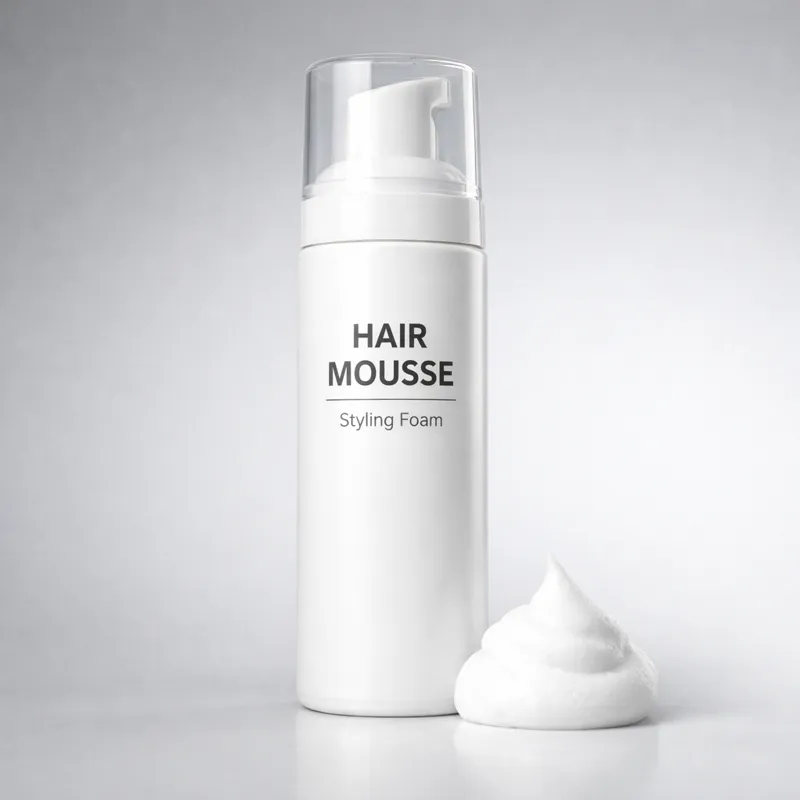
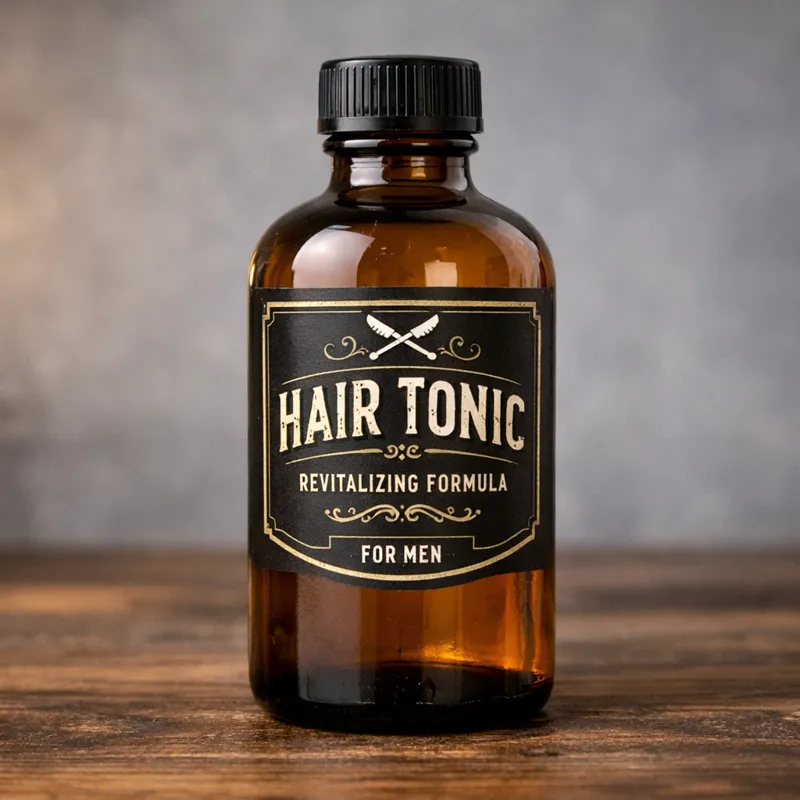
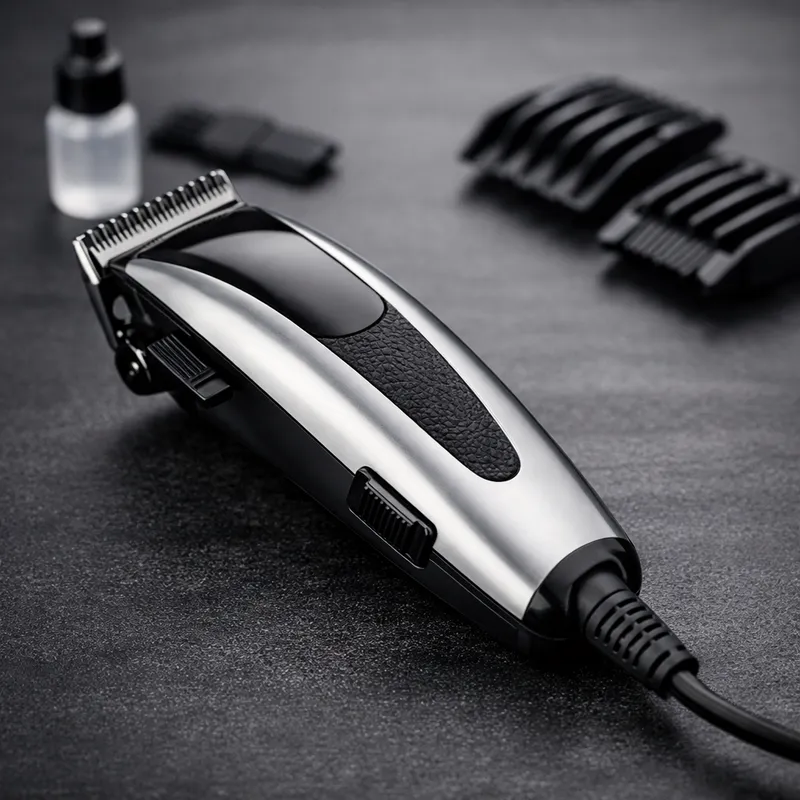
Product categories (with examples from this site’s library)





Quick product picks by hair type
Fine hair: mousse or matte paste + light texture (avoid heavy shine).
Thick hair: matte clay + texture spray (control bulk).
Wavy hair: matte paste + finger styling (let the wave work).
Curly/coily hair: leave-in/curl cream first, then minimal hold if needed (definition over stiffness).
FAQs about short hairstyles for men
These answers are written for real decisions: what to choose, what to ask for, how often to maintain, and what products actually make a difference.
What is the easiest short haircut for men to maintain?
A uniform buzz cut is the easiest: no styling and minimal daily effort. If you want a short haircut that still looks styled, a crew cut or a textured crop is the best balance of easy + intentional.
How often should men get haircuts for short hairstyles?
Most short haircuts look best with a refresh every 3–6 weeks. High contrast fades (especially skin fades) often need a cleanup every 2–3 weeks to stay crisp. If you hate frequent visits, choose a taper and a textured top that grows out gracefully.
What’s the difference between a taper and a fade?
A taper gradually shortens hair near the sideburns and neckline but keeps hair (more natural and longer-lasting grow-out). A fade blends much shorter—sometimes to skin—for higher contrast and a sharper look.
What’s the difference between a crew cut and an Ivy League?
An Ivy League is essentially a longer crew cut. The top is kept long enough to side part and style in different ways, while a classic crew cut is tighter and more straightforward.
Which short haircut works best for a receding hairline?
Two safe options are a buzz cut (clean and confident) or a French crop/textured crop (a soft fringe can reduce the visual focus on the hairline). Avoid long, separated strands that increase contrast and draw attention to thinning.
What guard number should I ask for on a buzz cut?
A #2 or #3 is a classic buzz for most men. A #4 is a “long buzz” that looks clean and grows out smoothly. If you’re unsure, ask your barber what suits your head shape and hair density—then adjust on your next visit.
Which product is best for short hair: clay, pomade, or gel?
For most modern short haircuts, matte clay/paste is the best starting point (natural finish, good texture). Use pomade if you want a neater side part or slick style. Use gel only if you specifically want strong hold and shine.
Why does my short hair stick up, and how do I fix it?
Short hair often sticks up because it’s cut at a length that fights your natural growth pattern (especially at the crown or cowlick). Fix it by asking for more texture and slightly adjusted length in problem areas, then style damp hair with a small amount of matte product.
How can I make a fade last longer?
Choose a low fade instead of a high skin fade, keep the top textured (matte), and plan quick cleanups every 2–3 weeks. If you hate frequent refreshes, switch to a taper—the grow-out is usually better.
Still not sure which short haircut fits you?
If you want a recommendation that matches your hair type, hairline, and routine, click below and tell us what you’re working with. You’ll get a clear direction (and the exact barber wording) without guessing.