
Clippers & Trimmers
Hair trimmers: the clean-line advantage most guys miss.
A good haircut at home isn’t about doing more. It’s about doing the right things in the right order: bulk, blend, then detail. Hair trimmers live in that last step—hairline, sideburns, neckline, around the ears—where “good enough” suddenly looks professional.
This page is built to help you choose the right tool fast, use it safely, and keep it cutting sharp. You’ll also find a few practical mini-tools (no fluff): a trimmer finder, a guard-size converter, and a maintenance planner you can copy.
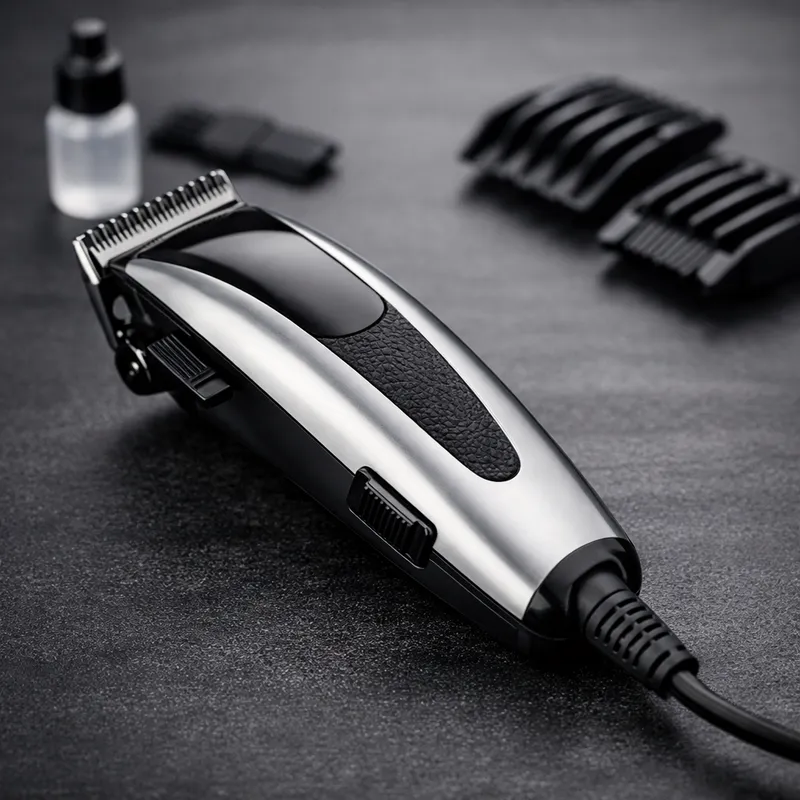
A trimmer is the detail tool. It’s what turns “I cut my own hair” into “that looks sharp.”
Quick answer: A hair trimmer is built for precision—edges, line-ups, neck cleanups, and tight areas around the ears. A hair clipper is built for bulk cutting—buzz cuts, tapers, and removing length fast. If you want consistently clean DIY results, the most practical setup is a clipper for bulk + a trimmer for details.
Start here
Clippers vs trimmers: the difference that changes your results
Most “bad DIY haircuts” aren’t actually bad cuts. They’re unfinished cuts. The bulk was removed, but the edges were never refined. That’s exactly what a hair trimmer is for.
Hair clippers (bulk cutting)
Clippers are made to cut a lot of hair quickly, over larger areas, usually with guide combs (guards). They’re what you use for buzz cuts, tapers, fades, and setting the overall length.
- Best for: full haircuts, fades, buzz cuts, removing length fast
- Strength: efficiency and consistent length with guards
- Common mistake: trying to “line up” with a clipper (it’s not built for tight edges)
Hair trimmers (precision + detailing)
Trimmers are for small, controlled work: the front hairline, sideburns, neckline, behind the ears, and crisp beard edges. This is the tool that makes your haircut look intentional.
- Best for: line-ups, edging, detailing, finishing touches
- Strength: clean outlines and tight control
- Common mistake: pressing hard and “carving” corners too high
The rule that prevents 90% of self-inflicted hairline damage
Your trimmer should refine what’s already there, not “invent” a new hairline. Outline lightly first. Step back. Then sharpen the line with short, gentle passes.

A simple “3-zone” way to think about tools
If you remember nothing else, remember this workflow:
- Bulk: remove length (clipper + guards)
- Blend: smooth transitions (clipper lever + blending guards)
- Detail: sharpen the outline (trimmer, then optional foil finish)
A lot of guides talk about “the best trimmer.” The better question is: what job do you need it to do—and what will you realistically use every week?
Tool types
Trimmer types (and what barbers actually mean)
Online, “hair trimmer” can mean five different tools. That’s why people buy the wrong thing and blame their technique. Use this section to translate barber terms into a clean decision.
Detail trimmer / edger / liner
The line-up tool
Built for crisp outlines. Usually has a narrow blade or a T-blade shape for straight lines and corners. If your main goal is hairline + neck cleanup, this is the tool you want.
- Use for: hairline, sideburns, neckline, around ears
- Look for: stable blade, comfortable grip, low vibration
Hair clipper
The bulk cutter
Not a trimmer, but it belongs in the conversation. If you cut your own hair (not just edges), a clipper makes the work faster and cleaner—then the trimmer finishes it.
- Use for: fades, buzz cuts, overall length
- Look for: guard system, taper lever, motor torque
Foil shaver (finisher)
The “extra-clean” finish
A foil shaver isn’t required, but it’s the final step barbers use to get a super clean neckline or bald fade finish. Use it after trimming down short—never on long hair.
- Use for: skin-close finishing (neck, bald fade)
- Avoid: pressing hard on irritated skin
All-in-one multi-groomer
Convenience-first
Great if you want one device for beard + body + light head maintenance. The tradeoff is that “one tool for everything” can become “not perfect at anything.” Still, many guys love the simplicity.
- Use for: beard, body, quick touchups
- Important: keep attachments clean and separated by area
Body groomer (sensitive areas)
Safety-focused trimming
Designed for chest, underarms, and groin area. The right guard and head design matters here. If you want fewer nicks, choose a tool made for the job.
- Use for: body hair, sensitive zones
- Look for: skin guards, washable head, gentle trimming
Nose/ear trimmer
Small, dedicated, safer
For nostrils and ears, keep it simple: a dedicated nose trimmer is built to reduce pokes and cuts. The goal is trimming visible hair—not going deep.
- Use for: nose + ear detailing
- Tip: trim what you can see, keep it clean
Buying criteria
The features that actually matter (and the marketing you can ignore)
You don’t need a thousand attachments to get sharp results. You need stability, control, and a blade that stays consistent. Use this checklist as your filter—whether you’re shopping online or in a store.
1) Blade + cutting head
For line-ups, you want a blade that feels predictable. A blade can be “sharp” but unstable—and unstable is what causes wobbly lines and accidental bites.
- T-blade or detail blade: makes outlining easier
- Skin-friendly edges: helpful if you irritate easily
- Replaceable blades: a quiet long-term win
2) Motor torque (especially for thick hair)
Hair isn’t uniform. If your hair is thick/coarse or curly/coily, the trimmer needs enough torque to cut without tugging. Tugging leads to uneven lines and irritation because you instinctively press harder.
- Thick hair: prioritize torque and solid blades
- Fine hair: prioritize control and low vibration
- Curly/coily: prioritize gentle, consistent passes
3) Cordless vs corded
Cordless makes self-cuts easier because you can change angles without fighting a cable. Corded is still great if you cut multiple people and want consistent power for long sessions.
- Cordless: best for personal use and precision angles
- Corded: best for nonstop power and long sessions
4) Zero-gap: what it is, who should avoid it
“Zero-gapping” is adjusting the blade alignment to cut closer. It can make lines sharper, but it also increases the risk of nicks. If you’re new, sharp results come faster from better technique—not blade mods.
- Beginner advice: avoid zero-gapping until your hand control is consistent
- Safer alternative: outline lightly first, then clean up with short passes
- If you do it: test on a small area and respect your skin
A smart shopping shortcut
Before you buy anything, decide your primary job: edges, full haircut, beard, body, or nose. Then pick the tool designed for that job and ignore the rest.
Interactive tool
Trimmer Finder: get the right setup in under a minute
Tap your answers and you’ll get a practical recommendation (tool type, must-have features, and a copyable shopping checklist). No brand pushing—just a clean decision based on what you actually need.
Step 1 — What are you trimming most often?
Step 2 — Your hair type (closest match)
Step 3 — Skill level (be honest)
Step 4 — How often will you use it?
Step 5 — Skin sensitivity
Your recommendation will appear here
Start by choosing your main goal above. The tool will generate a practical setup and checklist you can copy.
The checklist you copy is intentionally short. The goal is to buy the right tool for the job, not to collect accessories you’ll never use.
Interactive tool
Guard Size Converter (numbers to mm/inches)
Guard numbers are a common language between barbers and DIY cuts. Use this converter to translate guard numbers into lengths and make smarter decisions when you’re choosing how short to go.
| Guard | Approx. length | Best use (real-world) |
|---|---|---|
| #0.5 | ~1.5 mm (1/16″) | Very short fades, tight clean-up, keeping things sharp without going “skin” |
| #1 | ~3 mm (1/8″) | Short sides, strong contrast styles, controlled “short but not bare” look |
| #2 | ~6 mm (1/4″) | Classic short sides, beginner-friendly fades, less scalp show-through |
| #3 | ~10 mm (3/8″) | Safer blending zone, natural-looking sides, a good “start here” guard |
| #4 | ~13 mm (1/2″) | Keeping sides fuller, soft tapers, low-maintenance classic cuts |
| #5–#8 | ~16–25 mm | Longer sides, scissor-like look with clippers, conservative length control |
Best setups
Choose your setup: minimal, balanced, or “pro-style”
The best setup is the one you’ll actually use consistently. These three kits cover almost everyone. They’re written like a real shopping list: short, practical, and focused on results.

Minimal Edge Kit
For guys who want cleaner lines and a sharper look without doing full haircuts. This is the highest “effort-to-impact” setup.
- Detail trimmer (liner/edger)
- Small soft brush (for dry cleanups)
- Hand mirror (neckline visibility)
- Blade oil (if your model requires it)

Balanced DIY Haircut Kit
The most practical home-barber setup: a clipper for bulk + a trimmer for detail. It gives you control without turning your bathroom into a barbershop.
- Hair clipper + full guard set
- Detail trimmer (for the outline)
- Barber comb + sectioning clips (optional)
- Cape or towel (cleanup and comfort)

Pro-Style Finishing Kit
If you want that extra-clean finish, this kit adds finishing tools (not more complexity). You’ll use these when you’re picky about necklines and fades.
- Clipper + detail trimmer
- Foil shaver (finisher)
- Disinfecting spray + brush (hygiene)
- Extra set of blades (optional long-term upgrade)
If you’re only buying one tool
Buy based on your main job. If it’s edges and line-ups, get a detail trimmer. If it’s full haircuts, get a clipper first and add a trimmer next. One-tool compromises usually cost more over time because you end up buying twice.
Technique
How to edge up your hairline at home (without pushing it back)
A clean line-up is less about “making it sharp” and more about not removing hair you can’t put back. The trick is to build the outline in two passes: a light guide line first, then a controlled cleanup.
The safe 6-step edge-up routine
- Start dry and clean. Dry hair shows the true line. Clean skin reduces irritation.
- Brush forward, then relax. You want to see the natural hairline, not a stretched illusion.
- Outline lightly first. Use minimal pressure and short strokes. Step back and check symmetry.
- Choose a style: natural or boxed. Natural follows your real line; boxed is sharper but easier to overdo.
- Clean the neckline last. Don’t take it too high. A slightly natural neckline looks better longer.
- Finish with small corrections. Fix tiny spots, not big shapes. Big changes create regret.

Two small moves that make your line look cleaner
- Use the corner of the blade for tight areas (around ears, small angles).
- Let the blade do the work. If you press harder, you’re not getting sharper—you’re getting closer (and risking cuts).
Hairline honesty check
After you outline, take two steps back and look at your face straight-on. If you feel tempted to “fix” the corners, pause. Corners disappear fast and take months to come back.
Workflow
The barber-style order for fades and clean lines
If you do a fade and a line-up in the wrong order, you’ll chase mistakes. If you do it in the right order, each step makes the next step easier. Here’s the clean workflow most pros follow—adapted for DIY.
The order that keeps you out of trouble
- 1) Bulk cut: set overall length with clippers and guards (start longer than you think).
- 2) Blend: use the taper lever + guard steps to remove harsh lines.
- 3) Detail: use the trimmer for hairline, neckline, and around the ears.
- 4) Optional finish: foil shaver for super-clean neckline or bald fade finish.
Common DIY mistakes (and quick fixes)
- Mistake: taking the neckline too high. Fix: keep it natural; clean the edges only.
- Mistake: forcing symmetry by removing more hair. Fix: accept micro-asymmetry; refine, don’t redesign.
- Mistake: trying to erase a fade line in one step. Fix: go guard-by-guard and be patient.
A useful mindset
Your first goal isn’t “barber perfect.” It’s “clean, consistent, repeatable.” That’s how your cuts start looking better every month.
Safety
Body, pubic, and sensitive-area trimming (keep it safe and clean)
“Hair trimmers” is a broad search term, and a lot of guys use whatever tool they have for body grooming. You can do that, but sensitive areas demand a different approach: guards, light pressure, and hygiene.
The safe trimming basics
- Use a safety guard. If you’re bare-blading sensitive areas, you’re choosing risk.
- Go longer first. Reduce length with a guard before you try to get close.
- Pull skin taut. Loose skin is how nicks happen.
- Short passes. Slow feels boring; slow prevents cuts.
Hygiene rule: don’t mix zones casually
If you use the same device for face and body, treat it like a system: separate attachments when possible, clean the head thoroughly, and don’t jump from below-the-belt to your hairline without cleaning.
- Best practice: dedicated body head/attachments
- Minimum: clean and dry the head between zones
- If skin is broken: stop and let it heal (don’t chase “smooth” through irritation)
Nose hair note
For nose and ears, trimming is the safer approach. Don’t go deep—trim only what’s visible, keep the tool clean, and move gently.
Longevity
Cleaning, oiling, and maintenance (the part most people skip)
A trimmer that “suddenly got bad” is usually a trimmer that got dirty. Hair, oil, and skin buildup changes how blades cut. That leads to tugging, irritation, and uneven lines. The fix is simple: consistent cleaning.
The 3 levels of maintenance
- After every use: brush out hair, wipe the head, store it dry.
- Weekly (or every few uses): deeper clean the blade area, disinfect if shared.
- Monthly: check blade alignment, tighten screws if needed, oil if your model requires it.
Maintenance Planner (copyable)
Set your usage and get a simple routine you can copy into notes. This is designed to be realistic—because realistic gets done.
Your routine will appear here
Choose options above to generate a maintenance plan.
FAQs
Hair trimmers FAQ (clear answers, no fluff)
These are the questions that come up constantly when people start trimming at home. If you want better results fast, read the first three—those fix the most common mistakes.
Do I need both hair clippers and a hair trimmer?
What’s the difference between a trimmer, an edger, and a liner?
What does “zero-gap” mean—and should beginners do it?
How do I avoid pushing my corners back?
- Outline lightly first. Don’t commit to a hard line immediately.
- Refine, don’t redesign. You’re cleaning the edge—no need to move it.
Which trimmer is best for thick or coarse hair?
Are cordless trimmers good enough, or should I buy corded?
Can I use my beard trimmer to line up my hair?
Can I use the same trimmer for beard and body grooming?
What’s the safest way to trim nose hair?
How often should I clean or oil my trimmer?
What’s the fastest way to make my haircut look “fresh” between cuts?
What should I do if I nick my skin while trimming?
Want a quick, practical next step?
Use the Trimmer Finder to get your setup and copyable checklist. Then read the edge-up steps once and practice the “light outline first” approach. That combination fixes most DIY mistakes quickly.