
Clippers & Trimmers • All‑in‑One Trimmers
All‑in‑One Trimmers: choose the right mens trimmer and shaver setup for your routine
Most guys don’t need “more features.” They need the right trim → edge → shave/finish workflow and a tool that matches it. This guide makes the decision simple with a quick Finder, a buying checklist that prevents bad purchases, and barber-style routines you can do at home.
- Stop guessing: the 60‑second Finder tells you whether you need a hybrid, an electric shaver with trimmer, or a two‑tool combo.
- Cleaner results: use the “Length Ladder” method so you don’t overcut and ruin your beard line.
- Less irritation: fewer passes + the right head type (foil/rotary/hybrid) beats pressing harder every time.
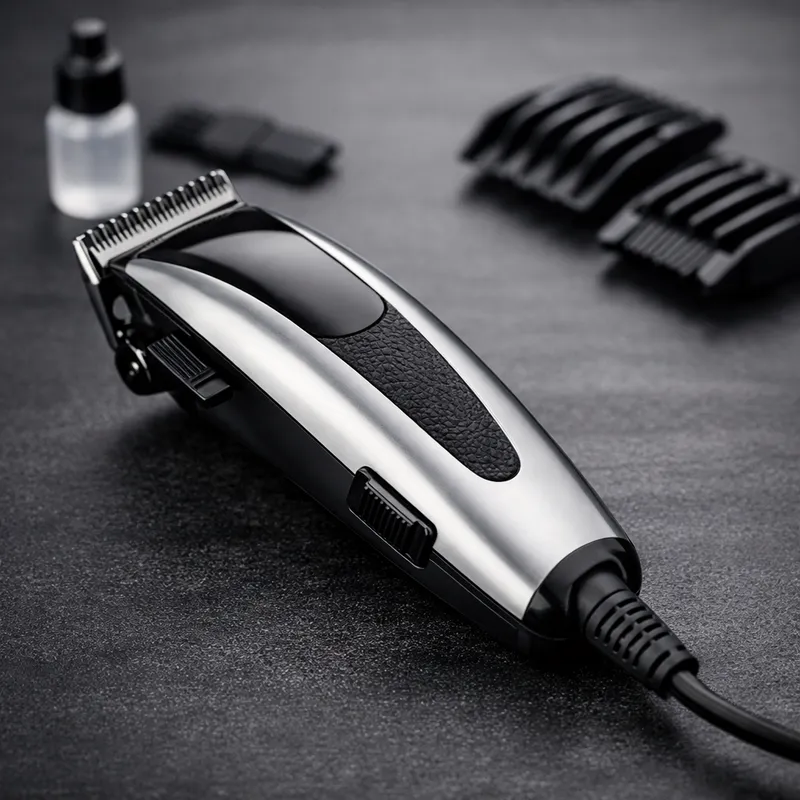
What “mens trimmer and shaver” should mean (so you don’t buy the wrong thing)
A trimmer controls length and shape. A shaver removes hair skin‑close. Those are different jobs — and most “all‑in‑one” marketing blurs the line.
In real life, “all‑in‑one” usually means one of these:
1) A trimmer that shaves “close enough”
- Great for stubble routines and quick maintenance.
- Usually not baby‑smooth like a true electric shaver.
- Best if you value comfort and speed more than a perfect clean shave.
2) An electric shaver with a trimmer
- Great if you shave often and want a detailing tool for sideburns.
- The “trimmer” side is often basic (good for small areas, not full beard shaping).
- Best for clean‑shaven guys who occasionally tidy edges.
Rule that prevents disappointment: If your goal is a smooth finish, plan for a real shaver (foil or rotary). If your goal is clean stubble + shape, a hybrid trimmer and shaver is usually the smartest buy.
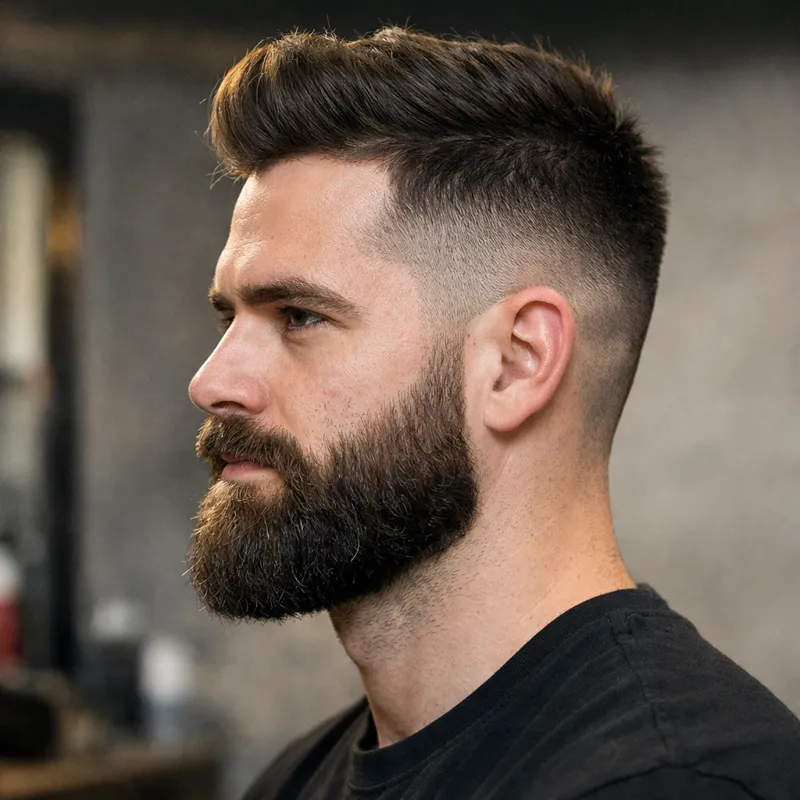
The 4 most common “mens trimmers and shavers” setups (and who they’re for)
Most competitors dump lists of products. That’s not how you choose. First choose the setup. Then buy the best tool in that category for your skin, routine, and budget.
Setup A: Hybrid trimmer and shaver (stubble + edging)
- Best for: stubble, short beards, fast touch‑ups
- Strength: comfortable maintenance, easy edging visibility
- Limit: not a true baby‑smooth shave
Setup B: Electric shaver with trimmer (clean‑shaven first)
- Best for: daily shaving, clean‑shaven style
- Strength: skin‑close shaving efficiency
- Limit: beard shaping can feel clunky
Setup C: Multi‑grooming kit (face + body versatility)
- Best for: “one device” convenience (beard, body, details)
- Strength: attachments for multiple areas
- Limit: not a replacement for serious hair clippers for full fades
Setup D: Two‑tool combo (trimmer + foil finisher)
- Best for: beard wearers who want a barbershop‑clean neck/cheek finish
- Strength: sharp contrast without over-irritating the skin
- Limit: requires two tools (still quick once you learn the workflow)
Quick reality check: an “all‑in‑one” tool can be excellent — but only if it matches how you actually groom. If you’re forcing a trimmer to do a shaver’s job (or vice versa), results get worse and irritation goes up.
60‑Second Finder: choose the right shaver and trimmer setup
Click the options that match your routine. This tool will output: your best setup, a practical shopping checklist, and the safest first routine so you don’t overcut lines or trigger irritation.
1) Your main goal
2) Preferred finish
3) Your skin & irritation risk
4) Where you groom
5) How many tools you’re willing to use
Your recommendation will appear here
Select at least your Main goal and Preferred finish. You’ll get a clear recommendation plus a checklist you can copy.
- Setup: hybrid vs electric shaver with trimmer vs trimmer + foil finisher
- Must‑have features: the ones that actually change results
- First routine: the safest trim → edge → finish order
Use this when you’re buying a multi‑groomer or adjusting a trimmer. It stops you from jumping too short and “chasing symmetry.”
Most “bad trimmers” aren’t bad — they’re clogged, dull, or running uneven. Pick how often you groom and get a simple plan.
How often do you groom?
What do you use most?
Your plan will appear here
Select frequency + device type to generate a simple checklist.
Top picks by outcome (what to buy based on the look you want)
This section is intentionally outcome‑first. It’s how you convert your research into a purchase that actually fits your routine. If you’re searching for mens trimmers and shavers, decide which result you want on an average weekday: stubble control, beard shaping, clean‑shaven, or sharp contrast.
Best “one tool” choice for stubble + edging
- Buy: a hybrid electric shaver and trimmer built for stubble.
- Why: it’s fast, forgiving, and easy to see your lines.
- Expect: clean stubble (not razor‑smooth).
Best for beard + clean neck/cheeks (barber contrast)
- Buy: beard trimmer + foil shaver trimmer finisher.
- Why: trim sets shape; foil creates the clean finish below/around lines.
- Expect: sharpest “fresh lineup” look at home.
Best for mostly clean‑shaven guys who still need a trimmer
- Buy: an electric shaver with trimmer (built‑in or attachment).
- Why: the shave is the priority; trimmer handles sideburns/mustache edges.
- Expect: faster clean‑shave maintenance.
Best waterproof shaver trimmer (shower routine)
- Buy: a true waterproof shaver trimmer (not “kinda washable”).
- Why: easier cleanup, less sink mess, faster routines.
- Expect: better consistency if you groom after showers.
Conversion tip (that also improves results): If you’re not sure about your shape yet, get a professional reset once. Then maintain it with the right at‑home setup. That’s how you make grooming easier — not harder.
Feature checklist: what actually matters for performance (and what’s mostly marketing)
If you only remember one thing from this page: the best mens trimmer and shaver is the one that matches your finish goal and stays consistent over time. These are the features that change outcomes.
Finish capability (stubble vs skin‑close)
- Trimmers control shape + length.
- Shavers deliver skin‑close finishing.
- If you want “smooth,” you need a real shaver head (foil or rotary).
Guard stability (uneven trims are usually guard problems)
- Rigid, locked guards = even length along the jawline.
- Wobbly combs create “patches” that look like thin growth.
- More attachments doesn’t mean better. Better attachments means better.
Comfort on skin (irritation is feedback)
- If you’re pressing harder, you’re compensating for the wrong tool or a dull head.
- Choose a head type that matches your finish goal and beard growth pattern.
- Fewer passes beat more power.
Cleaning ease (the tool you clean is the tool that works)
- Easy rinse/brush makes “performance decay” less likely.
- Clogged heads pull hair and force multiple passes.
- Good hygiene = more comfort + longer blade life.
Battery consistency (avoid fade‑out power)
- Consistent power prevents tugging and uneven lines.
- Travel-friendly? Prioritize durability + easy charging.
Replacement parts availability
- Foils and blades are wear items, not lifetime parts.
- Easy replacements = consistent results year-round.
Barber workflow: trim → edge → finish (the order that makes you look sharper)
Most mistakes happen when guys shave first or chase symmetry too aggressively. The workflow below is built to be forgiving — it protects your shape and reduces irritation.
Step 1: Trim length first (control the bulk)
- Start longer than you think you need.
- Use a “Length Ladder”: go down one step at a time, only where needed.
- Goal: even length before you touch the lines.
Step 2: Edge the borders (light pressure)
- Cheek line: keep it natural — don’t carve it too low.
- Neckline: don’t push it too high (it makes beards look smaller and “fake”).
- Use short strokes; check both sides in the mirror before committing.
Step 3: Finish skin‑close (only where you want contrast)
- Use a shaver/foil finisher after trimming.
- Never try to shave long hair—pre‑trim first to avoid tugging.
- Fewer passes = better comfort and less redness.
Step 4: Clean immediately (2 minutes)
- Brush/rinse hair out now so next session feels smoother.
- Dry before storage to reduce corrosion and odors.
- Consistency beats occasional “deep cleans.”
The “3‑Pass Rule”: If it takes more than ~3 passes on the same spot, stop and reassess: you may need a different head type (foil vs rotary), a cleaner blade, less pressure, or a pre‑trim.
Foil vs rotary shavers: which is better for an electric shaver and trimmer routine?
If you’re shopping for a true electric shaver and trimmer setup, this decision affects comfort more than almost any spec list. Both can work well — but they feel different on skin and handle hair growth patterns differently.
Foil shaver (great finishing tool)
- Best for: skin‑close finishing, crisp cleanup around beard lines
- Strength: very clean “barber finish” on neck and cheeks
- Watch‑out: can irritate if you press hard or do too many passes
Rotary shaver (often easier on tricky growth patterns)
- Best for: contours, neck swirls, irregular growth directions
- Strength: can feel gentler for some skin types
- Watch‑out: may feel less “laser precise” for edging compared to a foil finisher
Simple chooser: If your priority is the cleanest neck/cheek finish around a beard line, start with a foil shaver trimmer style finisher. If your neck hair grows in multiple directions and you struggle with irritation, a rotary may be worth considering.

Waterproof shaver trimmer: who actually needs it (and who doesn’t)
“Waterproof” is only valuable if it changes your behavior. The best feature is the one you’ll use every week. Here’s when wet/dry genuinely makes sense — and when it’s just extra cost.
You should prioritize waterproof if you…
- Groom in the shower to reduce sink mess.
- Want the simplest cleaning: rinse and go.
- Do quick touch‑ups frequently (more sessions = more cleaning).
You can skip waterproof if you…
- Always groom at the sink and don’t mind brushing hair out.
- Prefer maximum performance and stable guards over wet/dry convenience.
- Only groom occasionally (less benefit from rinse‑and‑go).
Practical advice: If shower grooming is your plan, buy a true wet/dry tool and commit to the habit. If you’re a sink groomer, invest in better guard stability and comfort instead.
Cleaning, hygiene, and replacement timing (the hidden factor behind “bad performance”)
The #1 reason people think their tool “stopped working” is that it’s clogged or dull. A simple routine keeps your shave and trim consistent — and makes sessions faster because you need fewer passes.
After every use (fast)
- Brush out hair immediately (it hardens if you leave it).
- Rinse only if the device is designed for it.
- Dry before storage — moisture is performance decay.
Weekly (keeps cutting smooth)
- Deep brush the head and guard grooves.
- Check for trapped hair near blades/foils.
- If your model supports it, lightly oil moving parts (when recommended by the manufacturer).
Hygiene: face vs body
- If you use one device for multiple areas, keep dedicated attachments per area.
- Don’t cross‑use the same head/guard without cleaning.
- This reduces irritation and improves comfort.
When to replace blades/foils
- If you feel tugging, need extra passes, or irritation increases: it’s often wear.
- Replacement parts are normal. Consistent results require them.
- Use the Scheduler above to create a simple cadence.
FAQs about mens trimmer and shaver tools
These answers are written to help you decide fast — and avoid the common mistakes that waste money and ruin lines.
What’s the difference between a trimmer and an electric shaver?
Is a 2‑in‑1 shaver and trimmer actually good?
Should I buy a hybrid or an electric shaver with trimmer?
What is a foil shaver trimmer used for?
Do I need a waterproof shaver trimmer?
I get irritation. What should I change first?
Can one all‑in‑one replace clippers for full haircuts?
Ready to upgrade your routine without wasting money?
Use the Finder to lock in the right setup, then follow the trim → edge → finish workflow. If you want the fastest path to a sharper look, get a pro reset once and maintain it at home.
