
BaByliss Clippers: How to Pick the Right BaBylissPRO Cordless Clipper (Without Wasting Money)
If you search for babyliss clippers, you’ll find a lot of product pages and “best-of” lists that tell you what to buy, but not why. This page does the opposite: it helps you choose a clipper that matches your hair type, haircut goals, and how often you’ll use it—then shows you exactly how to get clean, consistent results.
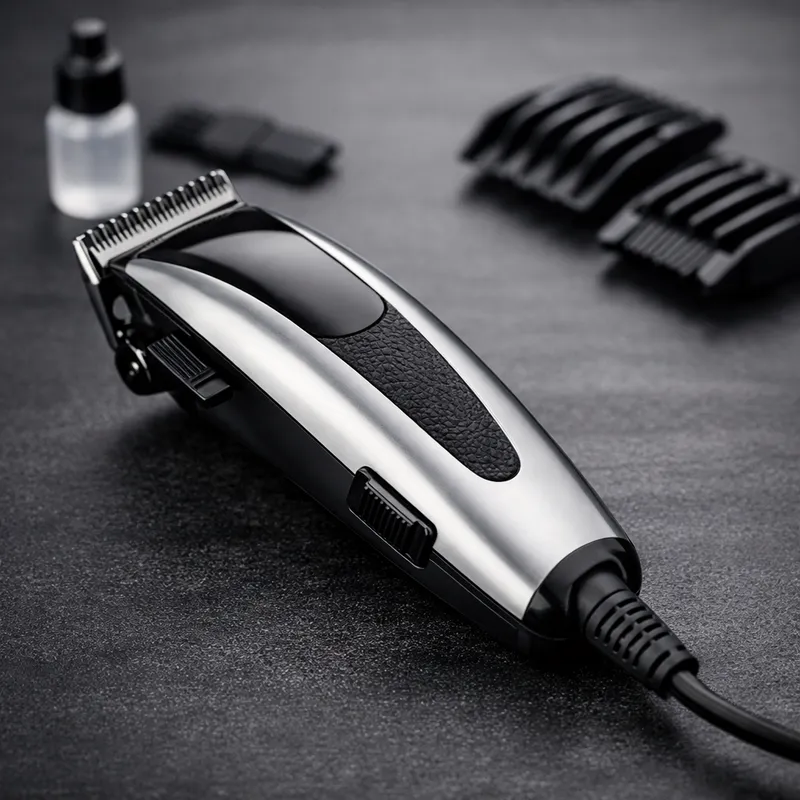
Best BaByliss Clippers (Quick Picks That Actually Make Sense)
“Best” depends on your goal. The best clipper for fast bulk removal isn’t always the best clipper for clean fades. The best clipper for a busy barber isn’t always the best choice for a once-a-week home cut. Below are the most useful categories to start with when you’re comparing babyliss barber clippers and other babyliss pro clippers.
Best “future-proof” system pick (modular workflow)
Choose this style of clipper if you want a modern ecosystem approach: consistent power, quick battery swaps, and a setup that feels designed around real cutting sessions. If you cut often, the value isn’t just performance—it’s fewer interruptions and less “cordless anxiety.”
- Best for: frequent home cutters, barbers, anyone who hates charging drama.
- Why it wins: modular battery workflow reduces downtime; great when you’re doing multiple passes and detail work.
- Watch for: typically higher cost and more “system decisions” (extra batteries, docks, accessories).
Best all-around choice (most people should start here)
If you’re buying your first serious clipper or you want one tool that handles most haircuts, prioritize balance: good runtime, comfortable grip, stable cutting power, and a blade/lever setup that makes blending predictable. This is the category where babyliss pro cordless clippers tend to shine for everyday users.
- Best for: tapers, standard fades, weekly haircuts, family haircuts.
- Why it wins: easy to learn; fewer “oops moments” when you’re developing technique.
- Watch for: weight—some all-metal bodies feel premium but can fatigue your wrist.
Best for fades (control & blending feel)
Great fades come from a predictable system: your guide lines, your lever control, and the “micro-steps” between guard sizes. A fade-friendly clipper should feel stable in the hand and behave consistently as you open and close the lever. If your goal is sharp fades, don’t chase hype—chase control.
- Best for: low/mid/high fades, drop fades, tight taper transitions.
- Why it wins: easier to erase lines with controlled lever + consistent blade feel.
- Watch for: aggressive blades near skin if your technique is rushed.
Best value (when you still want “pro behavior”)
Value doesn’t mean cheap—it means you get predictable results for the money. A good value clipper should have stable power, a lever that doesn’t feel sloppy, and guard compatibility that doesn’t fight you. If you’re learning, value is often the smartest first step: less stress if you later upgrade.
- Best for: first-time clipper buyers, students, basic fades/tapers.
- Why it wins: enough power and control to learn proper technique (instead of compensating for weak tools).
- Watch for: shorter runtime on some models—charge before cutting.
If you want a perfect fade for an event tomorrow, the fastest path is a pro barber—not a new clipper. Use this page to understand what to ask for, then find a barber near you and bring a reference photo. If you want to become consistent over time, keep reading and use the tools below.
How to Choose BaByliss Hair Clippers (What Actually Changes Your Results)
When people compare clipper babyliss pro models, they often focus on one headline feature (RPM, body material, or “hype”). In real life, your results come from five practical factors. Get these right and most BaBylissPRO clippers will feel “good.” Get these wrong and even a top-tier clipper will feel disappointing.
1) Power vs hair density (the hidden reason cuts look patchy)
If your hair is thick, coarse, or you have dense growth in the crown, your clipper needs stable power under load. When power drops, you compensate by pressing harder or making extra passes—both increase irritation and reduce consistency.
- Thick hair: prioritize consistent power and a blade that feeds hair efficiently.
- Fine hair: prioritize control and smooth blade feel to avoid “skipping.”
- Curly hair: focus on technique + clean blades; pulling usually means maintenance or angle issues.
2) Blade feel (taper vs fade behavior)
Blade “feel” changes how forgiving your clipper is. Some setups remove bulk aggressively (fast fading), while others feel smoother for blending. There isn’t one best blade—there’s the best blade for your goal and your skill level.
- Want fast bulk removal? Look for a setup that feeds hair quickly and stays cool.
- Want easy blending? Choose a clipper that feels stable as you open/close the lever.
- Beginner tip: control beats speed. Clean fades come from micro-steps, not rushing.
3) Lever control (the difference between “lines” and “blend”)
The lever is your blending tool. If it feels vague or you don’t use it intentionally, you’ll chase lines forever. A predictable lever gives you repeatable results: you can recreate yesterday’s fade instead of improvising.
- Use a system: open lever → set guide; close lever → erase line; repeat lower.
- Don’t park the blade: keep your hand moving; use corner work for detail areas.
- Pro habit: do fewer passes with better intent.
4) Guard fit (inconsistent length is usually a guard problem)
If your cut looks uneven, many times the clipper isn’t the issue—the guard is. Loose guards shift, flex, or don’t feed hair cleanly. That creates “random” length changes you can’t explain. A secure guard system is one of the highest ROI upgrades you can make.
- Goal: a guard that snaps on firmly and doesn’t wobble.
- Result: fewer passes, less irritation, cleaner finish.
- Next step: use the Guard & Length tool below to plan your haircut.

A clipper is for bulk removal and controlled lengths using guards (the main tool for fades and tapers). A trimmer is for edges and detailing (neckline, around ears, sharp outlines). Many people blame their clipper when the real missing piece is a trimmer for clean finishing.
Your best results come from the right sequence: clipper for structure, trimmer for finishing, then a final mirror check under good lighting.
BaByliss Clipper Finder (Fast Matching Tool)
This tool is designed for how people actually choose clippers: goal first, then hair type, then budget and feel. It gives you a practical recommendation category (not a random “best overall” claim). Use it as a decision shortcut—then confirm with the comparison table right below.
Your recommendation will appear here
Tip: If you’re unsure, choose “all-around” and “balanced.” That combination produces the most reliable first purchase.
BaBylissPRO Clippers Comparison Table (What Each Category Is Best For)
This table is built to help you decide fast. It focuses on what matters to outcomes: handling, typical runtime expectations, the kind of work each clipper is optimized for, and who it fits. Specs can vary by revision and region, so treat numbers as “directionally correct” and use the categories to make the real decision.
| Clipper category (common naming) | Best for | Why it works | Watch-outs | Who should choose it |
|---|---|---|---|---|
| Modular battery ecosystem “FXONE-style” system |
Frequent cutting, minimal downtime | Battery swaps keep power consistent; less waiting = more focus on technique | Costs more; you may want extra batteries to get the full benefit | Pros, serious home users, anyone who cuts multiple heads per week |
| All-metal flagship cordless “Gold / Silver / Black FX” type |
Most haircuts (tapers + fades) | Stable feel, good leverage, strong “premium” build; reliable for learning a repeatable system | Heavier body can fatigue wrists during long sessions | Most home users; barbers who like solid weight in hand |
| Low-profile / ergonomic series “Lo-PROFX” type |
Comfort + control, longer sessions | Grip and balance reduce fatigue; easier angles behind the ear and around the occipital bone | Some users prefer heavier “anchored” feel | Fade-focused cutters, anyone sensitive to wrist fatigue |
| Compact precision “Compact series” type |
Detail fades, travel, tight areas | Small body improves control; great for corner work and smaller hands | Can feel less “stable” if you’re used to large, heavy clippers | Mobile cutters, travelers, precision-first users |
| Value / core performance “CoreFX” type |
Learning without overspending | Gives you the essentials: power + lever control + guard flexibility | Usually shorter runtime; charge before cutting | First purchase, students, simple weekly cuts |
| Wireless charging workflow “Tomb45 wireless” type |
Busy station convenience | Charging friction disappears; keeps your clipper ready for back-to-back cuts | Higher cost; wireless setups work best as a system | Barbers, heavy users, anyone optimizing workflow |
If you only buy one clipper and you’re not sure, choose an all-around category. If you cut very thick hair or you cut frequently, lean toward workflow/modular. If fades are your main objective, prioritize control (low-profile or compact) over pure hype.
Guards & Length Planning (The Part That Makes Cuts Look “Even”)
Most inconsistent DIY haircuts aren’t caused by “bad clippers.” They’re caused by guessing lengths. Use guard planning to remove uncertainty: you decide the target length first, then you cut to the plan. This is how barbers stay consistent even when hair grows differently on each side.
How to stop guessing your length
Think in zones, not the whole head. Most men need only three zones for a clean result: top length, transition/blend, and sides. Once those are planned, your clipper work becomes mechanical instead of emotional.
- Zone 1 (top): often scissors or longer guards (or leave untouched).
- Zone 2 (transition): your “blend ladder” (usually 2–3 guard steps).
- Zone 3 (sides): your fade or taper area (lever + smaller guards).
Practical tip: if you’ve never cut your hair before, start one guard longer than you think you need. You can always go shorter. You can’t reverse a mistake.
Guard #1 is roughly 3.2 mm (1/8″)
For clean results, keep pressure light and use multiple passes rather than forcing the clipper through hair.
How to Fade at Home With Clippers (A System That Reduces Lines)
A fade isn’t magic—it’s a sequence. If you follow the sequence, you get a fade. If you skip the sequence, you chase lines. The goal is simple: build guide lines on purpose, then erase them on purpose using lever positions and micro-steps.

The 7-step fade sequence (repeatable)
- Start longer than you think. Remove bulk first. Overconfidence is the fastest way to ruin a cut.
- Set your fade height. Decide low/mid/high. Don’t “figure it out” mid-cut.
- Open lever → create your first guide. Light pressure, consistent motion.
- Close lever → erase that line. Work only on the line. Don’t cut the whole area again.
- Use a half step. If you see a stubborn line, a 0.5/1.5 guard or lever midpoint is your bridge.
- Detail around ears. Use corner work and slow down.
- Finish the neckline cleanly. Clean edges make the whole cut look more professional.
Pro mindset: every pass has a purpose—either “remove bulk,” “set guide,” or “erase line.” If you don’t know which one you’re doing, stop and reset.
Your fade plan will appear here
Tip: After building a plan, do a quick “mirror rehearsal” of where your fade height will sit before cutting.
Common fade mistakes (and the fast fixes)
- Mistake: you keep cutting the whole side to fix one line.
Fix: isolate the line and erase it with lever micro-steps. - Mistake: you press hard when the clipper “feels slow.”
Fix: lighten pressure, clean/oil the blade, take slower passes. - Mistake: you place your guide line too high.
Fix: start with a low fade plan until your eye is trained. - Mistake: you blend without consistent lighting.
Fix: bright light + hand mirror. Shadows hide lines until it’s too late.
Maintenance: Keep BaByliss Clippers Cutting Smoothly (Less Pulling, Less Heat)
If your clipper starts pulling hair, getting loud, or heating up, don’t assume it’s “bad.” Most of the time it’s dirty, dry, or misaligned. Good maintenance protects performance and your skin—especially if you do short fades.
The 2-minute “after cut” routine
- Brush out hair (teeth and under the blade area).
- Add 1–2 drops of oil across the blade teeth.
- Run the clipper briefly so the oil spreads evenly.
- Wipe excess to prevent build-up.
Real-world rule: if you cut once a week, this routine is enough to keep your clipper feeling “new.” If you cut multiple times per week, do a deeper clean more often.
Timer: 02:00 Ready
While the timer runs: brush → oil → run → wipe. That’s it. The goal is consistency, not perfection.
If you cut occasionally, charge your cordless clipper before the haircut, not “whenever you remember.” The best haircuts are calm. A low battery forces rushed decisions, and rushed decisions create mistakes.
Avoid Fake BaByliss Clippers (Counterfeit Risk Checker)
Counterfeits are a real problem in the clipper world. The risk isn’t only “it breaks.” The risk is poor cutting performance, more pulling, inconsistent guard fit, and a tool you can’t trust when you’re halfway through a haircut. Use the checklist below to estimate risk before you keep or return a purchase.
Risk score: Low
Select the red flags that apply, then score your risk. If you’re unsure, choose safe sourcing over saving a small amount.
Don’t “wait and see.” If multiple red flags apply, your best move is to return it while the return window is easy. If you keep it, you risk performance issues mid-cut, plus the frustration of troubleshooting something that will never behave like the real tool.
FAQs About BaByliss Clippers
These are the questions that matter in real life: home use vs pro use, fades, guard lengths, and how to avoid bad buys. If you want a faster path to a clean look, the most reliable option is still a professional cut—use our directory to find a barber near you.
Are BaByliss clippers good for home haircuts?
What’s the difference between a clipper and a trimmer?
Which BaByliss clippers are best for fades?
Why does my clipper pull hair?
Do guard numbers match exact millimeters?
How do I avoid uneven results at home?
Is a skin fade realistic for beginners?
How can I tell if my BaByliss clippers are fake?
The fastest way to a clean fade is a pro. Use this page to understand what you want, then show a reference photo and a simple plan.
Note: BaByliss and BaBylissPRO are trademarks of their respective owners. This guide is educational and focused on helping you choose and use clippers effectively.
